When it comes to betta tanks, building effective biological filtration is vital for their health. Beneficial bacteria convert toxic ammonia and nitrites into less harmful nitrates, maintaining a stable environment.
Using ceramic rings or sponge filters to maximize bacterial growth. Establishing these colonies takes time, so regular monitoring of water parameters is essential. By understanding how to nurture these beneficial bacteria, you can create a thriving habitat for your bettas and reveal even more insights.
The Importance of Biological Filtration for Betta Fish
While many aquarium enthusiasts may overlook the significance of biological filtration, I find it essential for the health of betta fish. Biological filtration employs beneficial bacteria to convert harmful ammonia and nitrite produced from fish waste into less toxic nitrate, which is imperative for maintaining a healthier environment.
A stable environment created by effective filtration methods helps prevent stress and disease in bettas, ultimately supporting their longevity. It’s critical to choose filters that offer ample surface area for bacteria growth to guarantee ideal water quality.
Additionally, regular water changes and proper maintenance of filter media complement biological filtration, reducing the need for frequent water changes and promoting a balanced ecosystem for our beloved fish.
Understanding Beneficial Bacteria and Their Role
In understanding beneficial bacteria, it’s essential to grasp their pivotal role in the nitrogen cycle throughout the water column. These microorganisms, both aerobic and anaerobic, work tirelessly to convert harmful ammonia into less toxic forms, thereby maintaining a stable environment for our bettas. By recognizing how these bacteria operate, we can better manage our tanks and guarantee the health of our fish.
Nitrogen Cycle Importance
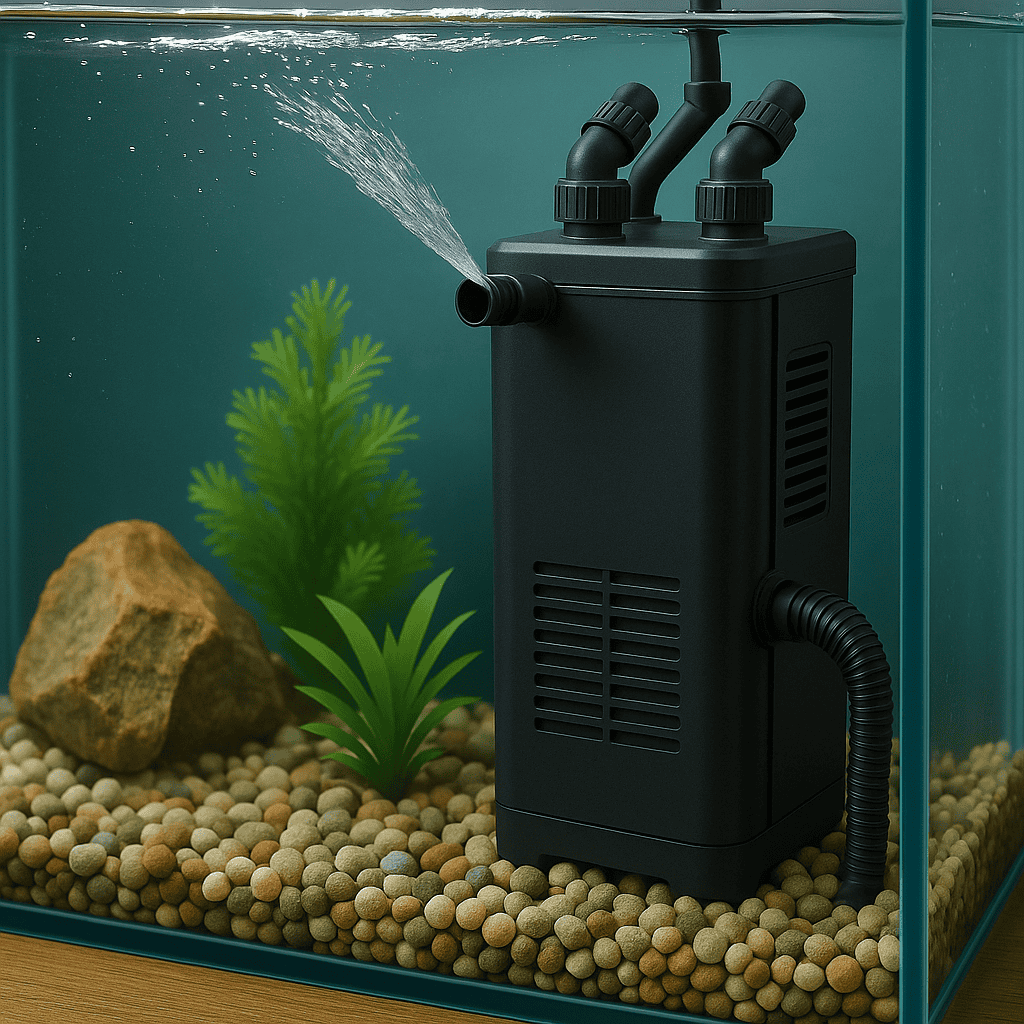
Beneficial bacteria are essential to maintaining a healthy environment in a betta tank, as they actively participate in the nitrogen cycle by converting toxic ammonia from fish waste into less harmful nitrates. During cycling, these bacteria establish colonies that adapt to the aquarium’s bioload, taking several weeks to develop fully.
They first convert ammonia into nitrite, which is also harmful, before transforming it into nitrates that are safer for bettas. Regular monitoring of ammonia, nitrite, and nitrate levels is vital, as imbalances can indicate issues with bacterial populations and jeopardize water conditions.
To expedite this process, introducing bacterial supplements can help establish effective biological filtration and support a stable nitrogen cycle, ensuring a thriving environment for your bettas.
Aerobic vs. Anaerobic Bacteria
Understanding the roles of aerobic and anaerobic bacteria sheds light on how these microorganisms contribute to a healthy betta tank. Aerobic bacteria thrive in oxygen-rich environments, primarily on exposed surfaces, where they convert ammonia into nitrites and then into less harmful nitrates.
In contrast, anaerobic bacteria flourish in low-oxygen areas, like deep substrates, reducing nitrates to nitrogen gas, which is harmlessly released into the atmosphere. Together, they complete the nitrogen cycle, processing waste and ensuring a stable ecosystem for our bettas.
Establishing both types of beneficial bacteria takes time as they adapt to the tank’s biological load during the cycling process. Patience is key in fostering a balanced biological filtration system that supports our aquatic friends.
Types of Biological Filter Media for Betta Tanks
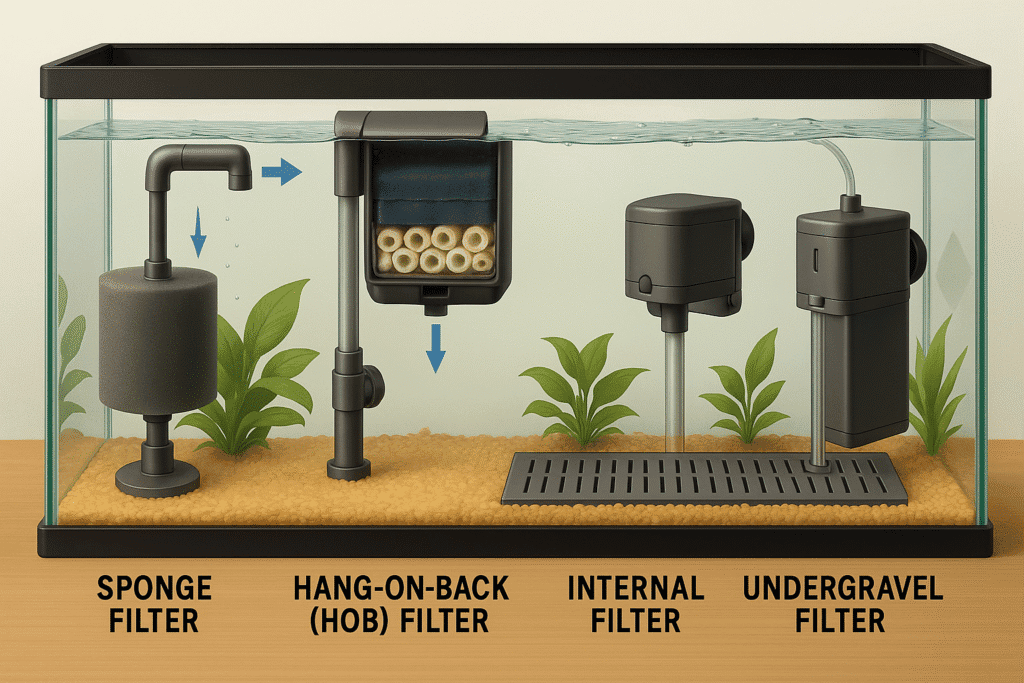
Choosing the right biological filter media is essential for maintaining a healthy environment with proper water circulation in your betta tank. Effective options include ceramic rings, sponge filters, and lava rock. Each of these provides ample surface area for beneficial bacteria to thrive, breaking down waste and processing ammonia and nitrite.
| Filter Media | Benefits | Maintenance |
|---|---|---|
| Ceramic Rings | Maximizes surface area for bacteria | Rinse every 4-6 weeks |
| Sponge Filters | Combines mechanical and biological filtration | Clean without disrupting colonies |
| Lava Rock | Porous structure for diverse bacteria | Regularly check for debris |
Establishing and Maintaining Healthy Bacterial Colonies
While setting up your betta tank, it’s important to recognize that establishing healthy bacterial colonies doesn’t happen overnight; it requires patience and careful management. To promote beneficial bacteria,
I recommend using porous media that encourages growth and avoiding harmful chemicals like chlorine. Regularly monitor ammonia, nitrite, and nitrate levels to maintain a stable bacterial population that effectively manages your tank’s bioload. Cycling an aquarium can take time, so consider using maintenance doses of bacterial supplements, like Seachem’s Stability, especially after water changes.
It’s also important to avoid excessive cleaning of your biological filter media and substrate, as aggressive cleaning can disrupt these crucial colonies. With consistent care, you’ll foster a thriving ecosystem for your betta.
Monitoring Water Parameters and Maintenance Practices
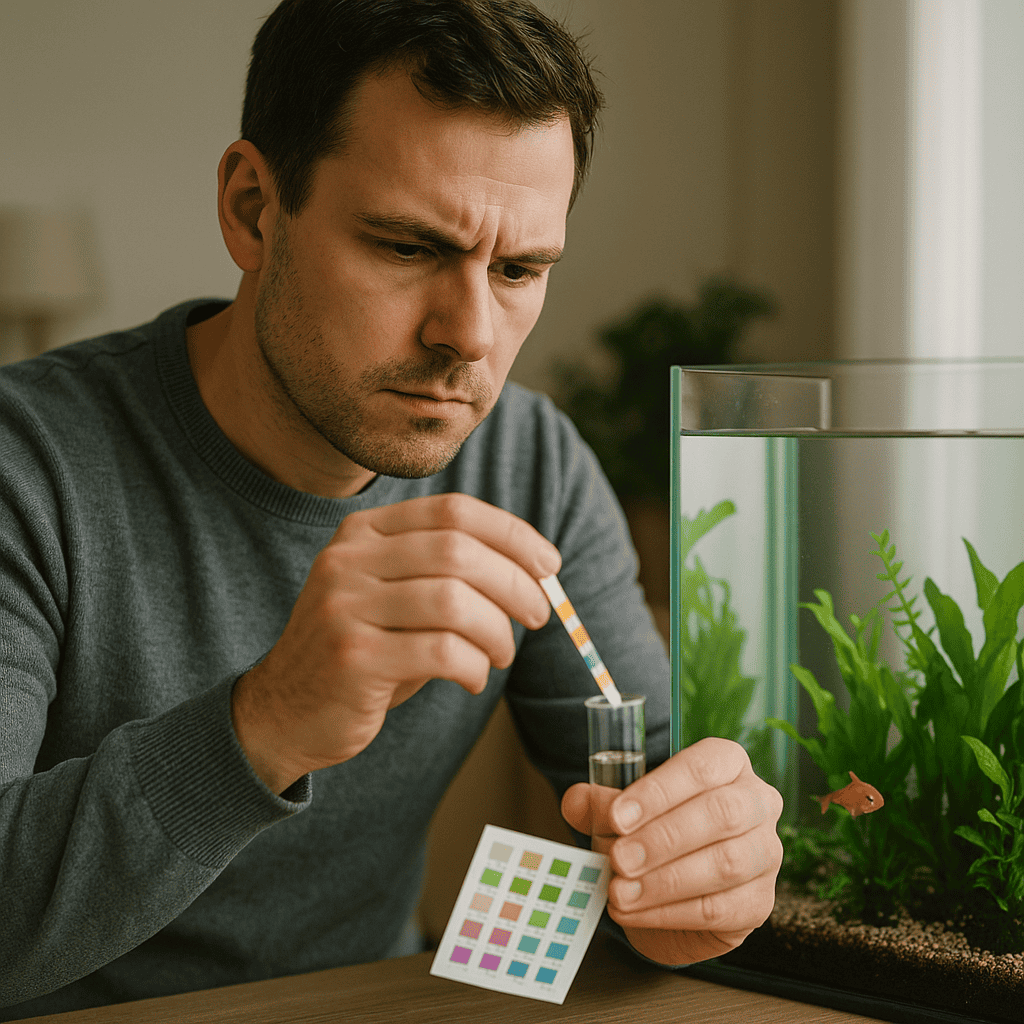
To keep your betta tank thriving, monitoring water parameters regularly is key. I focus on maintaining ideal levels of pH, ammonia, nitrite, and nitrate to guarantee a stable environment for beneficial bacteria.
Ammonia and nitrite should always be at zero ppm while aiming to keep nitrates below 20 ppm to prevent toxicity. Regular water changes of 10-20% every 1-2 weeks help dilute harmful substances and support these essential bacterial populations.
It’s also important to avoid chlorine or chloramines in tap water, as these can harm beneficial bacteria that are important for biological filtration. During maintenance practices, clean filter media carefully, rinsing sponge filters every 4-6 weeks without completely replacing the biological media to preserve those crucial colonies.
Common Challenges in Biological Filtration for Bettas
Managing the common challenges in biological filtration for bettas can be intimidating, especially when establishing a stable environment for these fish. The cycling process requires patience to develop established colonies of beneficial bacteria that convert harmful ammonia and nitrite into less toxic nitrate.
Overcleaning filter media can disrupt these colonies, leading to dangerous spikes in ammonia levels. Additionally, using substrates with insufficient surface area for bacterial colonization limits the efficiency of biological filtration. Water changes can also contribute to alterations in water parameters, so I consistently monitor ammonia, nitrite, and nitrate levels.
Maintaining a balanced ecosystem is vital, as bettas are sensitive to high nitrate levels, which can promote algae growth and compromise water quality.
Conclusion
In summary, nurturing beneficial bacteria in your betta tank is essential for establishing effective biological filtration. By understanding their role and selecting the right filter media, you can create a stable environment for your fish.
Regularly monitoring water parameters and maintaining healthy bacterial colonies will help prevent common challenges associated with filtration. Emphasizing these practices not only promotes the well-being of your bettas but also enhances the overall health of your aquarium water and ecosystem.