For my betta fish, I stick to a feeding schedule of 2-3 high-quality pellets twice each day, spaced about 12 hours apart. This guarantees they get enough protein, which is vital for their health. I always monitor their intake, adjusting portions if I notice any bloating or lethargy.
I find it’s also essential to implement fasting days every 7-14 days to maintain digestive health. If you’re curious about more feeding tips and techniques, there’s plenty more to explore!
Betta Fish Dietary Needs
When it comes to feeding betta fish, understanding their dietary needs is essential for their health and well-being. A proper betta fish diet is high in protein, ideally containing at least 40% protein in quality pellets. To truly thrive, you should feed your betta a varied diet that includes live or frozen foods like bloodworms, daphnia, and brine shrimp alongside pellets.
This mimics their natural consumption of insects and larvae in shallow waters. Be mindful of overfeeding; bettas have small stomachs about the size of their eyes, which can lead to digestive issues. Establishing a consistent feeding schedule, such as offering 2-3 pellets twice daily, helps maintain your betta’s health and happiness.
Recommended Feeding Frequency
Feeding your betta fish twice a day is crucial for their ideal health and well-being. The recommended feeding frequency is two small meals, spaced approximately 12 hours apart, to mimic their natural feeding behavior.
For each feeding, I suggest giving 2-3 pellets, which helps prevent overfeeding your betta and subsequent health problems. Consistency in feeding times and amounts fosters familiarity, making your betta fish anticipate meals with excitement.
Additionally, incorporating fasting days every 10-14 days, where you don’t feed your betta for 24 hours, supports overall digestive health and prevents constipation. By following this schedule, you’ll guarantee your betta thrives and maintains peak health, making your care efforts truly rewarding.
Portion Control for Optimal Health
Maintaining proper portion control is essential for your betta’s health and longevity. It guarantees peak health and prevents issues like bloating and constipation. Here’s how to manage portion control effectively:
- Feed 2-3 Betta pellets twice daily, ensuring total intake doesn’t exceed 1.8 grams.
- Choose pellet sizes that fit within your betta’s small stomach, roughly the size of its eye.
- Incorporate a fasting day once a week to help clear the digestive system, preventing complications from overfeeding.
Signs of Overfeeding to Watch For

I’ve noticed that overfeeding my betta can lead to several concerning symptoms. If your fish shows signs of bloating, lethargy, or difficulty swimming, it’s likely time to reassess its diet. Keeping an eye on these indicators can help maintain your betta’s health and well-being.
Bloating and Distended Stomach
When observing your betta, it’s vital to watch for signs of bloating and a distended stomach, as these can indicate overfeeding. I’ve found that being proactive helps maintain their health. Here are three key signs to monitor:
- Visibly bloated stomach: A larger-than-normal appearance can lead to swimming difficulties.
- Floating at the surface: This can indicate buoyancy issues due to a distended stomach.
- Behavior changes: If your betta hangs near the bottom or seems lethargic, it may be experiencing digestive distress from excessive food intake.
If you notice these symptoms, consider reducing your food intake and implementing a fasting period of a few days to alleviate bloating and restore digestive health. Regular observation is important in preventing overfeeding-related issues.
Lethargy and Reduced Activity
Lethargy and reduced activity in bettas can signal overfeeding, which is essential for owners to recognize early. When I observe my betta spending excessive time at the tank bottom or swimming less, it may indicate lethargy caused by overfeeding.
A bloated appearance, with a distended stomach, often accompanies this behavior, highlighting digestive issues. If my betta shows disinterest during feeding times, it’s a clear sign that something’s wrong. To promote better health, I incorporate regular fasting days—typically one day a week—into the feeding schedule.
This practice helps prevent lethargy and supports digestive health, ensuring my betta remains active and vibrant. Recognizing these signs early can make a significant difference in my fish’s well-being.
Difficulty Swimming or Floating
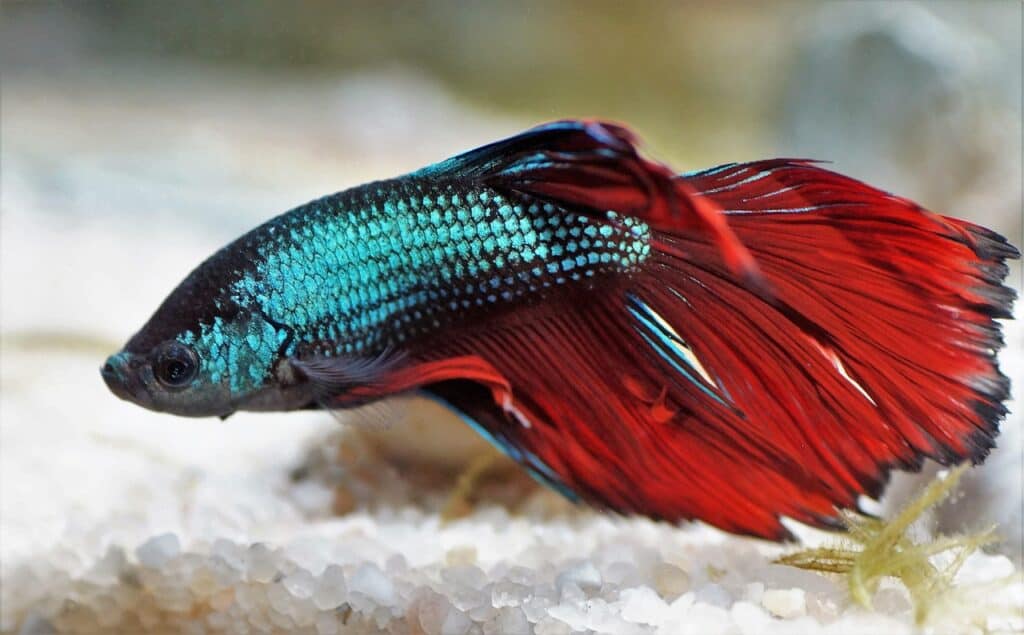
Difficulty swimming or floating can be alarming signs of overfeeding in bettas. If you notice these symptoms, it’s vital to observe their condition closely. Overfeeding can lead to bloating and complications with the swim bladder, resulting in difficulty swimming or floating at the surface. Here are three key signs to watch for:
- Bloating: A visibly enlarged stomach indicates potential overfeeding.
- Lethargy: Bettas may hang near the bottom, struggling to maintain buoyancy.
- Altered Feeding Behavior: Sudden changes in how they approach food can signal digestive issues.
To guarantee your betta’s health, adjust feeding amounts as necessary and monitor their behavior regularly. Being proactive can prevent serious complications related to overfeeding.
The Importance of Fasting Days
Fasting days play an essential role in maintaining the health of betta fish, as they allow the digestive system to rest and reset. I recommend implementing a fasting day every 7-10 days to prevent constipation and digestive issues.
This practice supports overall gut health, reducing the risk of impaction from excessive food intake. I’ve noticed that after a fasting day, my betta’s appetite improves during feeding, mimicking natural foraging behavior. It’s vital not to overcompensate with additional food afterward, as this can lead to bloating or digestive blockage.
Additionally, regular fasting helps maintain water quality by minimizing organic waste from uneaten food, which can cause harmful ammonia spikes in the aquarium.
Types of Food for Bettas
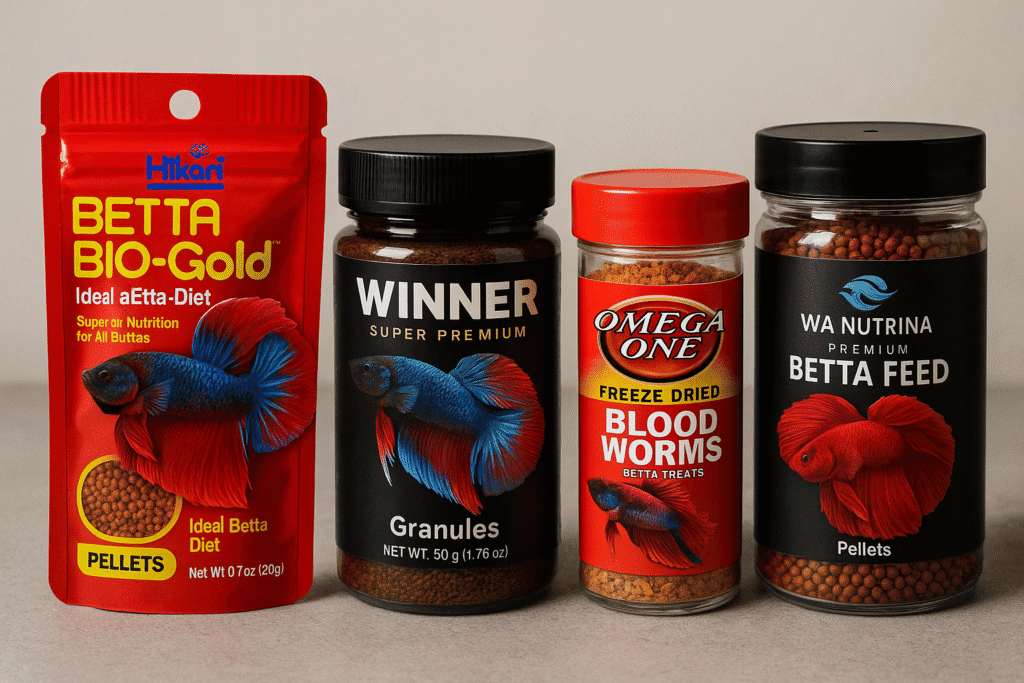
When feeding my bettas, I prioritize high-quality pellets that provide essential protein, ideally at least 40%, to mimic their natural diet. I also include live food options like bloodworms and brine shrimp, which they seem to prefer and that offer crucial nutrients. By combining these food types, I guarantee my bettas maintain vibrant health and active behavior.
Pellet Nutrition Essentials
While many options exist for feeding betta fish, selecting the right pellets is essential for their health. A well-balanced diet high in protein is vital for bettas, and high-quality pellets should contain at least 40% protein. Here are three key considerations for pellet nutrition:
- High Protein Content: Choose pellets specifically formulated for bettas, ensuring they meet the protein requirements.
- Avoid Fillers: Steer clear of pellets containing fillers like wheat or soy, as these don’t provide the necessary nutrition.
- Feeding Portions: Aim for 4-6 pellets daily, adjusting based on your betta’s activity level and individual needs.
Live Food Benefits
Considering the nutritional needs of bettas, incorporating live food into their diet offers significant benefits that enhance their health and energy. Live food options like brine shrimp, bloodworms, and aquatic insects provide essential protein and nutrition that closely mimic their natural diet.
Bettas thrive on these offerings, as they’re more appealing and nutritious than dry foods, promoting vibrant colors and overall well-being. Bloodworms, harvested at about 2 cm, are an excellent source of nutrition and can be cultivated at home. Daphnia, or water fleas, are also beneficial and can be grown quickly in de-chlorinated water.
Finally, brine shrimp hatch within 12 to 48 hours, making them a highly nutritious option for both betta fry and adults.
Live Food Options for a Varied Diet
To guarantee your betta thrives, incorporating live food into their diet is crucial. Live food options enhance their nutritious diet and stimulate their natural hunting instincts, leading to improved overall health. Here are three excellent choices:
- Bloodworms: These larval midge flies can be cultivated at home in stagnant, shaded water, taking about 2-3 weeks to mature for feeding.
- Brine Shrimp: Hatched in aerated de-chlorinated water with aquarium salt, these shrimp are ready to feed your betta in about four weeks.
- Daphnia: Also known as water fleas, they can be grown from eggs and require regular water changes, becoming visible within two weeks.
Incorporating these live food options can greatly enhance your betta’s vitality and enjoyment during feeding times.
Feeding Baby Bettas (Fry)

Feeding baby bettas, or fry, requires careful attention to their nutritional needs, as their growth depends on a consistent and appropriate feeding schedule. I recommend feeding them small amounts of food 4-5 times daily to support their rapid growth.
In the early stages, infusoria is ideal due to its nutritious value and ease of consumption. As the fry matures, I gradually introduce larger food options like microworms or young brine shrimp to satisfy their increasing size and appetite.
It’s vital to monitor them closely during feeding to guarantee they’re consuming enough food and to adjust portions to prevent overfeeding. Additionally, maintaining water quality through regular checks and partial water changes is essential since fry waste can quickly affect their environment.
Tips for Maintaining a Healthy Feeding Routine
Maintaining a healthy feeding routine for your betta requires diligence and a structured approach. To guarantee your betta thrives, I recommend the following tips:
- Establish a Consistent Feeding Schedule: Feed 2-3 pellets twice daily, spaced 12 hours apart. This helps your betta anticipate meals and reduces stress.
- Monitor Portion Sizes: Each feeding should not exceed the size of your betta’s eye. This prevents overfeeding and associated health issues.
- Incorporate Variety: Rotate high-quality pellets with occasional live or frozen foods like bloodworms or brine shrimp to support a balanced diet.
Don’t forget to include a fasting day every 7-10 days to clear your betta’s digestive system, guaranteeing they maintain a healthy weight.
Conclusion
To summarize, following a 2-3 pellet feeding schedule twice daily is essential for your betta’s health. It guarantees they receive the right nutrients without the risk of overfeeding. By monitoring portion sizes and incorporating fasting days, you can promote ideal digestion.
Don’t forget to diversify their diet with live food options for added nutrition. With these guidelines, you’ll maintain a healthy feeding routine that keeps your betta vibrant and thriving.