Betta fish conservation genetics plays a critical role in preserving wild populations and maintaining genetic diversity. I find that understanding genetic variations helps develop effective breeding programs, especially since many Betta species are endangered.
Wild Betta fish face threats like habitat destruction, pollution, and overfishing, which compromise their genetic integrity. By engaging communities and employing sustainable breeding practices, we can protect these species. There’s much more to explore about how to address these challenges effectively.
Importance of Betta Fish Conservation Genetics
As we explore the importance of Betta fish conservation genetics, it’s clear that maintaining genetic diversity is essential for species survival. With 28.6% of Betta species in Indonesia classified as critically endangered, conservation strategies protecting these unique populations must be prioritized.
I’ve learned that understanding genetic variations—particularly between wild and farmed Betta splendens—allows for the development of breeding programs that bolster wild populations. Captive initiatives for Betta burdigala illustrate how preserving genetic health can enhance ecological balance.
Additionally, genetic assessments revealing restricted polymorphism in certain species underscore the urgent need to establish gene‐pool resources. By focusing on genetic diversity, we can help guarantee the longevity of Betta species and their habitats.
Assessing Genetic Diversity in Wild Populations
Evaluating genetic diversity in wild Betta populations is fundamental to conservation efforts. Studies on Betta splendens indicate moderate observed heterozygosity (Ho = 0.4488) and expected heterozygosity (He = 0.6627). Significant genetic differences between farmed and wild populations suggest limited exchange, highlighting the need to conserve wild genetic resources.
I recommend captive breeding programs that include broodstock collected from the wild to preserve essential variability. Through genetic evaluation, effective strategies can be developed to mitigate habitat‐loss impacts and overexploitation, ultimately supporting the resilience of wild Betta populations.
Threats to Wild Betta Fish and Their Habitats
Wild Betta fish face considerable threats jeopardizing their survival. Habitat loss from deforestation and urbanization, combined with pollution and overfishing, creates a precarious situation for these species.
Habitat Loss Issues

Many may appreciate Betta fish’s vibrant colors and behaviors, yet their habitats are under severe threat. Deforestation, urban expansion, and agricultural development lead to ecosystem decline.
Water quality suffers from agricultural runoff and industrial waste, while non-native species introduce genetic dilution that jeopardizes native populations. Notably, 28.6% of Sumatra’s Betta species are critically endangered, underscoring the urgent need for conservation action.
Pollution and Overfishing
Pollution from runoff and waste severely degrades water quality in Betta habitats, impacting fish health and ecosystem balance. Overfishing for the aquarium trade exacerbates declines, with species like Betta rubra critically endangered due to unsustainable harvests.
Habitat loss from human activities, including deforestation, intensifies these challenges. Introduced species can cause hybridization and competition, further threatening native genetic integrity.
Genetic Analysis Techniques for Conservation
Advances in genetic analysis provide vital insights for Betta conservation.
Mitochondrial DNA Analysis
Mitochondrial DNA (mtDNA) analysis allows researchers to assess genetic diversity and population structure. In Betta splendens from Thailand, mtDNA reveals low polymorphism and clear distinctions between wild and farmed stocks. Identifying markers linked to population declines guides targeted conservation, especially for Betta rubra.
Microsatellite Loci Examination
Microsatellite analysis complements mtDNA studies by evaluating intra‐ and inter‐population variation. In research on Betta splendens, an average of 15.125 alleles per locus indicates moderate diversity.
Significant genetic differences between captive and wild groups emphasize the need for mindful breeding. Bayesian structure analysis further assigns individuals to genetic clusters, enabling focused conservation for threatened populations.
Impacts of Habitat Degradation on Genetic Integrity
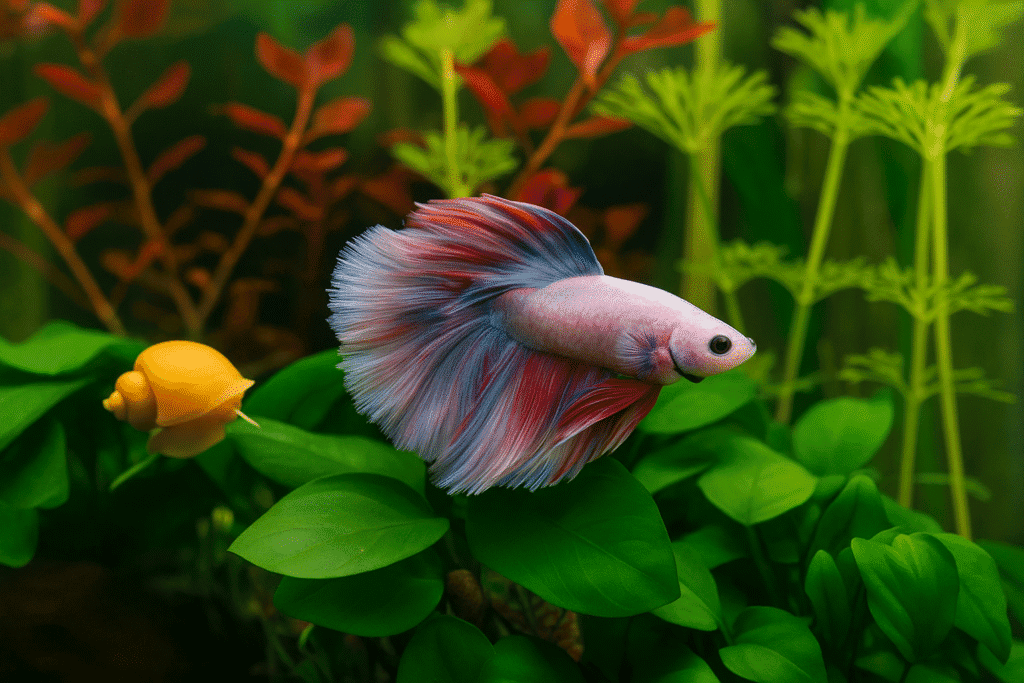
Habitat degradation directly threatens Betta genetic health. Fragmentation from deforestation and urban growth reduces diversity, raising inbreeding risks. Non-native species introductions can hybridize with natives, diluting unique adaptations.
Pollution stresses fish, impairing reproduction and causing genetic bottlenecks. The critically endangered Betta rubra exemplifies these challenges. Effective strategies—habitat protection, restoration, and connectivity—are essential for maintaining viable gene flow among isolated groups.
Community Engagement in Betta Fish Conservation
Engaging local communities is vital to conservation success. Community members often hold key knowledge of local habitats. Educating stakeholders about sustainable practices—responsible fishing, habitat restoration—empowers active participation.
Community tanks can demonstrate stewardship, showcasing how local action protects Betta habitats. Collaboration among researchers, governments, and collectors further enhances project effectiveness, leading to stronger ecosystems and healthier Betta populations.
Strategies for Sustainable Breeding Practices
Sustainable breeding underpins the long‐term health of captive and wild populations. Collecting broodstock from wild sources ensures essential genetic variation.
I’ve found that selecting pairs for compatibility prevents inbreeding, which can reduce effective population sizes. Educating hobbyists about the impact of wild capture fosters responsible breeding. Integrating conservation priorities—habitat protection alongside captive programs—supports both captive stocks and wild populations.
Future Directions for Betta Fish Conservation Efforts
For the continued success of conservation, innovative research and community engagement must go hand in hand. Ongoing genetic studies will refine strategies as habitats face new threats. By raising awareness and fostering sustainable practices among local populations, we can safeguard critical ecosystems.
| Conservation Strategy | Importance |
|---|---|
| Genetic Research | Enhances understanding of diversity and guides effective conservation management by maintaining genetic variability, which is crucial for adaptation and resilience. |
| Captive Breeding Programs | Maintains genetic variation, prevents extinction, and supports reintroduction of endangered species into the wild. |
| Community Involvement | Engages local stakeholders, making conservation efforts more effective and sustainable by leveraging local knowledge and fostering stewardship. |
| Regular IUCN Updates | Adapts strategies to new assessments, ensuring conservation actions are based on the latest scientific data and risk evaluations. |
Conclusion
Implementing these strategies conserves Betta species and benefits entire ecosystems, ensuring a future where both fish and habitats thrive.
To sum up, Betta fish conservation requires a multifaceted approach prioritizing genetic diversity and habitat preservation.
By understanding threats and applying advanced genetic tools, effective protection strategies can be developed. Community engagement and sustainable breeding practices empower lasting change, preserving wild Betta genetics for generations to come.