In Betta fish show competitions, the International Betta Congress sets strict judging standards that focus on physical attributes, coloration, and behavior. I assess the fish’s anatomy, looking for a straight spine, fin shape, and vibrant colors, as these indicate health and quality.
Attitude matters, too; an active and aggressive demeanor speaks volumes about a fish’s energy.
Standards International Betta Congress
I find the Standards International Betta Congress (IBC) plays an essential role in shaping the landscape. The IBC Exhibition Standards define the ideal characteristics for bettas, encompassing both colors and forms used for judging. Each fish is meticulously evaluated against these standards, encouraging breeders and owners to pursue excellence in their bettas.
Importantly, the IBC updates its standards annually, ensuring they remain relevant and current; these changes are highlighted in red and typically released in July or August. Additionally, exhibitors must adhere to ethical guidelines, presenting fish in their natural condition and ensuring humane treatment.
Pre-registration and compliance with specific class lists are vital for successful participation, reflecting IBC’s commitment to quality.
Show Quality Betta Fish Standards
When evaluating show-quality betta fish, I focus on three crucial aspects: ideal appearance, color intensity, and behavior. The fish must exhibit a straight spine and proper fin shapes, while vibrant coloration signals health and vigor. In addition, their active and aggressive demeanor during competition showcases not only their personality but also their adherence to IBC standards.
Ideal Fish Appearance
I find that to achieve show quality in betta fish; specific physical standards must be met to impress judges and enthusiasts alike. The ideal appearance is defined by several key factors:
- A straight spine with the tallest part above the pectoral fins creates a smooth top line.
- Dorsal fins that vary in shape, with longer fins being more desirable.
- A D-shaped caudal fin for halfmoons and halfmoon plakats, adhering to exhibition standards.
- An anal fin shaped flat or trapezoidal, featuring sharp edges.
- Additionally, bright and concentrated colors are preferred, showcasing clarity in the cellophane parts of the fins.
- These standards guarantee that a betta fish not only looks appealing but also embodies the energy that judges seek in competition.
Color Intensity Importance
I note that color intensity plays a crucial role in the evaluation of show quality betta fish. Bright and concentrated hues are favored, as they indicate health and vigor—key aspects of judging standards. During competitions, judges assess coloration alongside form for a holistic evaluation.
Remarkably, fish with clearer fins, especially in cellophane parts, are more desirable. This visual appeal greatly influences competitive success.
| Color Intensity | Importance |
|---|---|
| High | Indicates vigor and health |
| Moderate | Acceptable but less competitive |
| Low | Dull hues reduce show quality |
Behavior and Attitude

Although many factors contribute to the overall evaluation of show quality betta fish, behavior and attitude are paramount. Judges prioritize these elements to assess a betta’s readiness for competition. Here are key aspects to contemplate:
- Active and aggressive behavior indicates liveliness.
- Responsiveness to reflections shows awareness and interaction with the environment.
- Ability to flare on cue, typically enhanced through mirror training, highlights form, and coloration.
- Regular training sessions prepare bettas for competition settings, boosting performance.
- In my experience, a betta’s attitude greatly influences judging outcomes. A confident, spirited demeanor often correlates with high standards, showcasing both the fish’s physical attributes and its competitive spirit. By focusing on these behavioral traits, we can better prepare our bettas for success in competitions.
Ethics of Showing
While participating in betta fish show competitions can be exhilarating, it’s crucial to adhere to the ethical standards that govern these events. These ethics emphasize an honor system that demands high standards of breeding and humane treatment of our fish.
For Groups A and B, I must exhibit self-bred fish, guaranteeing integrity in my breeding process. Transparency is important; any shared resources must be declared as family or collaboration. Bettas must be presented in their natural condition, prohibiting fin trimming or other alterations.
Additionally, if purchased, fish must be held for at least one month before showing to confirm acclimation and health. Upholding these ethics not only reflects a commitment to integrity but fosters a respectful community.
Judging the Betta’s Anatomy
When judging a betta’s anatomy, I focus on key physical attributes that define excellence and adherence to competition standards. Understanding these criteria guarantees accurate evaluation according to IBC Standards. Here are the essential aspects:
- A straight spine with the tallest part above the pectoral fins.
- A smooth top line; lumps or bumps detract from aesthetic quality.
- Dorsal fin shape varies, but longer fins are generally preferred.
- For half-moons, a D-shaped caudal fin is vital, while the anal fin should be flat or trapezoidal with sharp edges to highlight fin quality.
- These elements are fundamental for a betta’s anatomy and greatly impact its overall presentation in competitions.
Coloration Standards for Betta Fish
In evaluating coloration standards for betta fish, I prioritize color intensity over patterns, as judges favor vibrant hues that enhance a fish’s aesthetic appeal. Dull colors often signal poor health, which can impact competitiveness in shows.
Additionally, while clear cellophane in the fins is acceptable, superior clarity is essential for achieving higher quality ratings.
Color Intensity Importance
Color intensity is perhaps the most critical factor in evaluating betta fish during competitions, as it often outweighs the significance of patterns. In my experience, vibrant colors not only enhance visual appeal but also signify the fish’s health and quality. Here are a few key considerations regarding color intensity:
- Bright, concentrated coloration is essential; dull hues may suggest poor health.
- Clear cellophane parts in fins are acceptable, but higher clarity is preferred.
- Coloration assessment should be coupled with a form for a thorough evaluation.
- Bettas showcasing vibrant colors tend to be more competitive in shows.
- Adhering to these judging standards guarantees appreciation of the true beauty of these exquisite creatures while maintaining high exhibition standards.
Pattern vs. Brightness
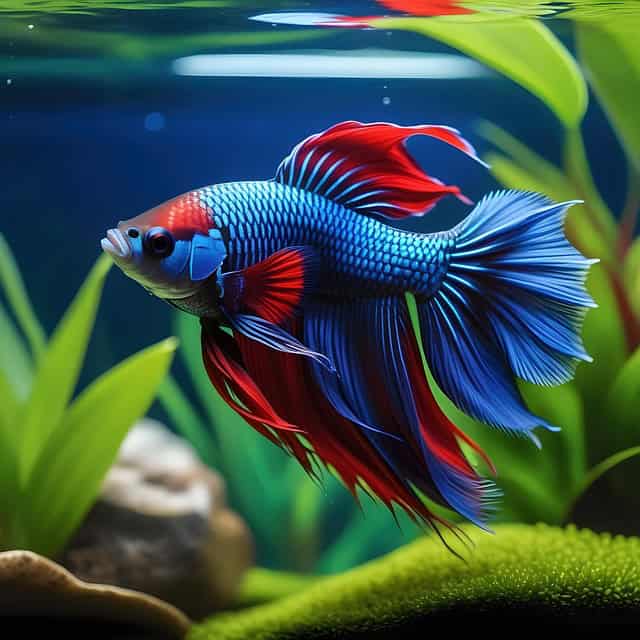
While patterns can certainly add character to a betta fish, their impact on competition outcomes pales in comparison to the importance of brightness and color intensity. Judges prioritize vibrant, rich colors over intricate patterns when evaluating bettas.
A betta exhibiting dull colors may raise concerns about its health, ultimately affecting its score. In my experience, fish that meet the brightness standards tend to captivate judges more effectively. Additionally, while examining coloration, the overall form of the fish also plays a role in the final judgment.
Therefore, if you aim to succeed in competitions, focusing on enhancing your betta’s color intensity is essential. In this competitive arena, brightness truly reigns supreme.
Clarity in Fins
I observe that brightness and intensity aren’t the only factors that contribute to a betta fish’s success in competitions; clarity in fins plays a pivotal role as well. When evaluating a betta’s show quality, judges carefully consider the following aspects of fin clarity:
- Clear cellophane areas are acceptable, but excessive cloudiness can signal health issues.
- Enhanced clarity in fins elevates a betta’s overall appeal.
- IBC standards dictate that fin clarity must complement vibrant colors.
- Judges evaluate the harmony between colors and forms, prioritizing clarity.
- Incorporating these elements guarantees a betta not only meets but exceeds the expectations set by the IBC standards. Ultimately, a combination of vivid colors and clear fins can greatly enhance a betta’s competitiveness in shows.
Assessing Betta Fish Attitude
To truly assess a betta fish’s attitude, I focus on key behaviors that reveal health and energy. An active and aggressive demeanor is essential when judging in competitions, as it indicates vitality.
Special attention is paid to how my bettas respond to reflections; their awareness and confidence can greatly influence performance. Bettas that flare on cue not only showcase form but also enhance coloration, making them more appealing to judges.
Regular flare training with tools like mirrors or pens ensures bettas are accustomed to displaying their best. Consistent assessment of attitude allows refinement of the approach, ultimately improving chances of success in shows.
Sourcing Show Quality Betta Fish
Finding show-quality betta fish requires a strategic approach that combines knowledge of reputable sources with an understanding of what defines excellence in these aquatic competitors. When I’m sourcing show-quality specimens, I focus on:
- Local breeders who provide high-quality fish support small businesses.
- Reputable international breeders from Thailand, Indonesia, and Vietnam are known for meeting IBC Standards.
- Trusted importers to minimize shipping risks and avoid misleading color filters.
- Engaging with breeders who prioritize developing show fish that align with exhibition standards.
Show Entry Forms and Requirements
While participating in IBC-sanctioned betta fish shows can be exciting; it’s crucial to understand the entry forms and requirements to guarantee a smooth registration process. To compete, I must submit a pre-registration form to the Show Chair, ensuring my registration is accurate.
Some chapters may have their own specific show entry forms, so it’s vital to verify with the local Chapter. Pre-registration is mandatory and must be completed accurately before the submission deadline to secure a spot. Additionally, class lists vary by area and type—International, District, and Virtual categories—and awareness of updates is necessary. They are typically posted in July/August or January/February, depending on location.
Complete International Betta Congress Handbook
I refer to the Complete International Betta Congress Handbook for detailed regulations essential to anyone serious about competing in betta fish shows. This handbook establishes the official rules and guidelines that align with IBC exhibition standards. Key aspects include:
- Detailed judging criteria focusing on form, coloration, and attitude.
- Ethical standards ensure humane treatment and fair practices.
- Annual updates, with changes highlighted in red, are typically released in July/August.
- Pre-registration requirements vary by area and competition type.
Conclusion
I recommend staying informed and upholding these standards to elevate the art of betta showing. By adhering to the guidelines set forth by the International Betta Congress, we can guarantee that our entries exemplify show quality in anatomy, coloration, and attitude.
Additionally, ethical practices in sourcing and presenting our fish reflect our commitment to the community as we prepare for competitions.