When I transport my Betta fish, I always use specialized travel bags designed for their safety. These bags should be filled one-third with tank water and only hold one fish to minimize stress.
Many aquarists even use bubble wrap around the transport container to add extra protection. For longer trips, adding pure oxygen can guarantee comfortable breathing. If you’re curious about the best practices for preparing and reintroducing your Betta fish, keep going!
Situations Requiring Betta Transport
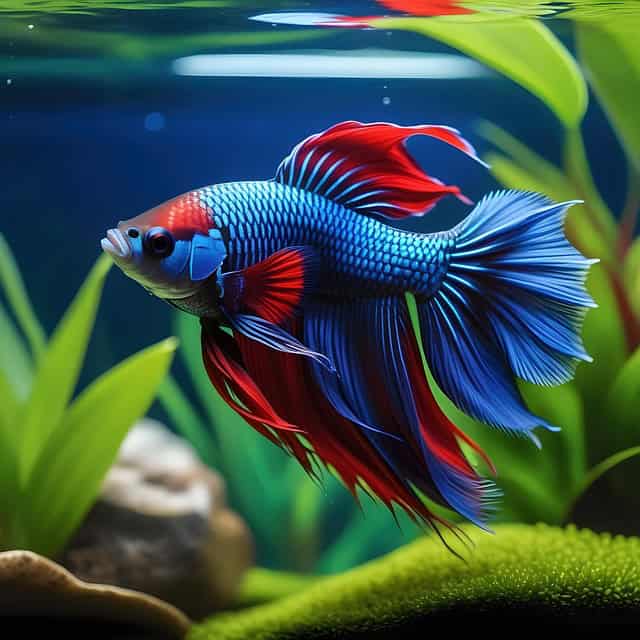
When I think about the times we need to transport fish, several key situations come to mind. Whether it’s a veterinary visit for a check-up, a visit to a pet store, or a relocation to a new home, knowing how to transport your fish safely is essential.
High-quality fish bags, like the ALFA Fishery Bag, help minimize stress. Including water from the tank helps maintain familiar conditions, encouraging healthy bubble nests. Transporting fish during health or environmental changes can be critical to their well-being. By understanding these situations, we can make their journeys as smooth as possible.
Preparing for Transport
Although preparing for your betta fish’s transport may seem straightforward, it’s essential to take specific steps to confirm their safety and comfort. Follow these steps to guarantee a smooth journey for your fish:
- Water change of 20% daily for five days to maintain ideal water quality.
- Avoid feeding the fish for 24 to 48 hours prior to transport to reduce stress and waste.
- Use specialized plastic fish bags, filling them one-third with aquarium water, ensuring only one fish per bag.
- Insulate the transport container and consider heat packs for longer journeys.
Choosing a Container for Transportation
When it comes to transporting your betta, choosing the right container is essential for their well-being. I always recommend using a plastic bag filled one-third with water, ensuring each bag holds just one fish to minimize stress. To regulate the temperature, some hobbyists even use an air conditioner in the transport area.
Additionally, considering the size of the container is important; smaller options can reduce movement, while larger containers might lead to splashing and discomfort.
Best Bag Options
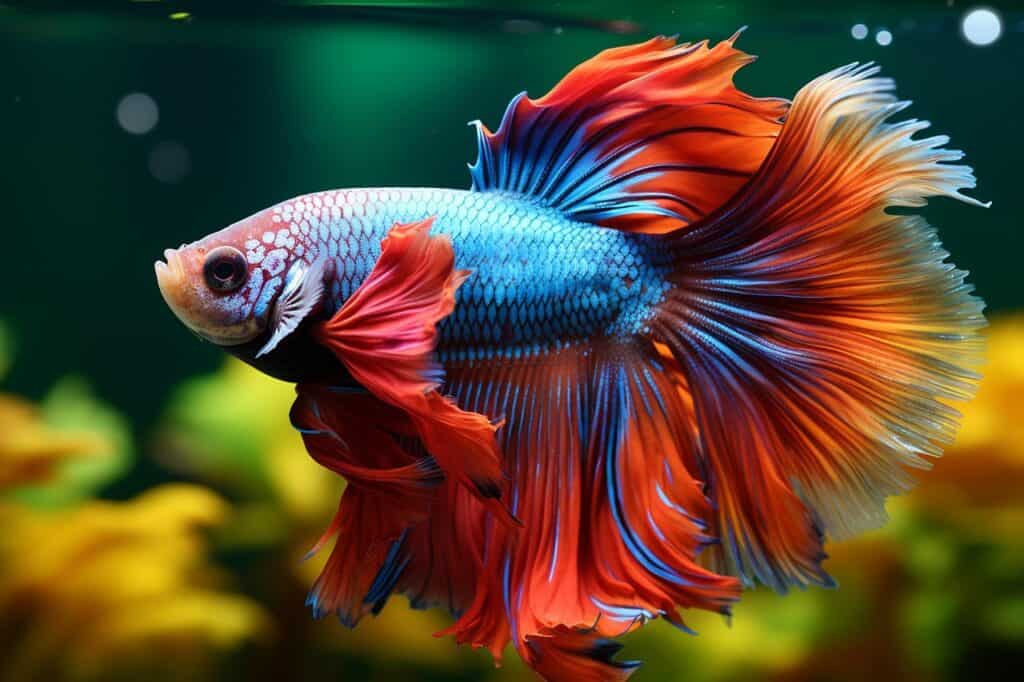
Choosing the right bag for transporting your betta fish is essential for their well-being during the journey. I highly recommend using specialized plastic fish bags, like the ALFA Fishery Bag, and contacting Customer Service if you have questions about bag capacity. These bags are designed to keep your betta fish safe and comfortable.
Here are a few key features to take into account:
- Made from 100% virgin Low-Density Polyethylene (LDPE) for durability
- Leak-proof design to prevent any mishaps
- Ideal size (3 x 2 x 12 inches) for minimal stress
- Secure with rubber bands to guarantee a proper seal
- For longer trips, think about insulated carriers to maintain temperature stability. By choosing the right transport bags, you’re guaranteeing a smoother journey for your beloved betta fish.
Container Size Considerations
Selecting the right container size for transporting your betta fish is vital for their comfort and safety. I opt for plastic fish bags that are filled one-third with water, guaranteeing only one fish per bag to avoid crowding. Smaller containers limit movement, reduce stress and can resemble the calm conditions of shallow streams in the wild. A container large enough can cause excessive sloshing, risking injury.
If you’re transporting multiple fish, consider using five-gallon buckets, but make certain they’re clean and covered with a watertight lid. It’s essential to maintain air access to verify there’s enough space for oxygen, especially in smaller volumes. Double-bagging adds extra security against leaks, and rubber bands help secure the bags. For added warmth on chilly days, pack a small tank heater alongside the bags.
Keeping Fish Safe While Traveling
To guarantee your betta fish remain safe and healthy during travel, it’s crucial to use the right transport methods. Here are some helpful tips:
- Use ALFA Fishery Bags; they’re leak-proof and made from high-clarity 100% virgin LDPE.
- Fill the bags one-third full with tank water to keep your fish comfortable.
- For long trips, consider adding pure oxygen to make sure they can breathe adequately.
- Keep the bags in a dark place to minimize stress and monitor their behavior closely.
- After arrival, follow a proper quarantine process before introducing your fish to its new tank.
Taking Care of the Tank
While moving your betta fish tank can be intimidating, taking the right steps can make all the difference in guaranteeing a smooth changeover. First, I recommend emptying at least 80% of the water into fish-safe containers to lighten the load and protect your tank during transport.
Remove decorations and non-essential items to prevent spills and keep beneficial bacteria alive. Use a Water conditioner when refilling to ensure safe water chemistry. Make sure all equipment, like filters and heaters, is functional and ready for quick setup upon arrival.
For short moves, use clean, sealed containers for filter media, but consider replacing them for longer distances to maintain water quality. Once you arrive at your destination, set up the aquarium swiftly and check water parameters to guarantee a safe environment for your fish.
Reintroducing Fish to the Tank
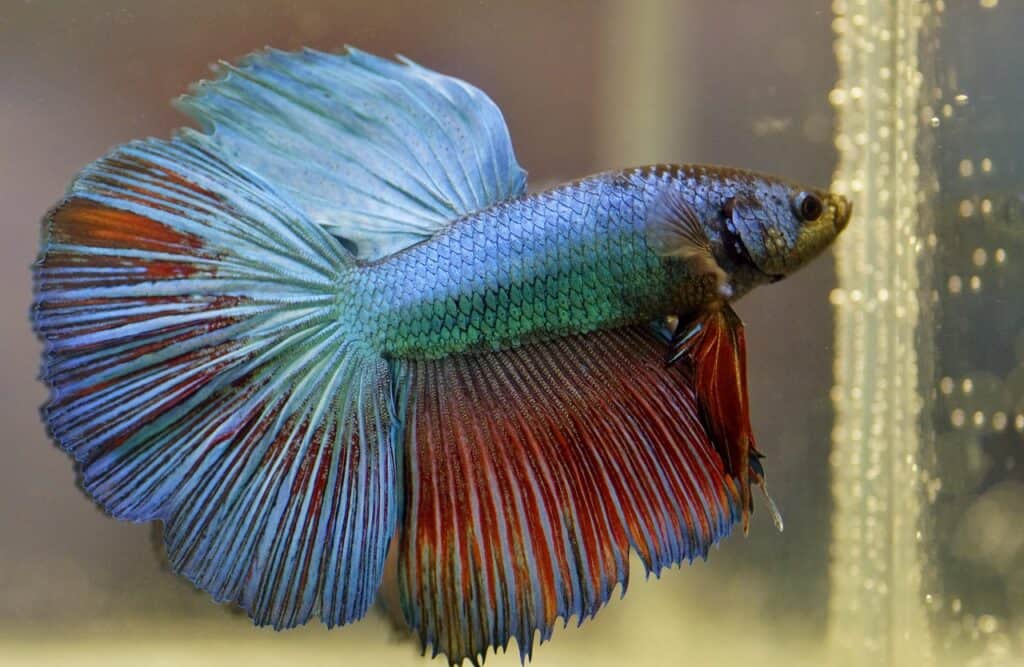
Once you’ve set up your tank and verified all equipment is operational, it’s time to reintroduce your betta fish. To guarantee a smooth changeover, follow these steps:
- Float the transport container in the aquarium for 15–20 minutes to equalize Water temperature.
- Either pour the fish directly into the tank or use a Fish net to minimize stress and prevent contamination.
- Monitor water parameters like temperature and pH closely post-reintroduction.
- Observe the fish for signs of stress or illness during the first few days.
Tips for Successful Transport
Transporting your betta fish can be a delicate process, but with the right approach, it doesn’t have to be stressful for either of us. I recommend using ALFA Fishery Bags, which are leak-proof and perfect for transport.
Fill each bag one-third with water from your betta’s aquarium, double-bagging for extra safety. Maintaining a warm ambient temperature of 25–28 °C (77–82.4 °F) is vital to minimize stress. Keep the bags in a dark place during transit to reduce anxiety. Monitor your betta’s condition closely, looking for signs of distress.
Once you arrive, it’s essential to acclimate your fish by floating the transport bag in the new tank for 60–120 minutes. Don’t forget to feed your fish gently afterward!
Conclusion
Transporting your betta fish doesn’t have to be stressful if you’re prepared. By understanding their needs and choosing the right travel bag, you can guarantee their safety and comfort.
Remember to acclimate them properly when you reintroduce them to their tank. With a little planning and care, you can make the journey smooth for both you and your fish. After all, a happy betta means a happy owner! Safe travels to you and your finned friend!