When comparing frozen and live betta foods, both have distinct nutritional benefits. Live foods offer high protein levels and mimic natural diets, promoting instinctual behaviors. Frozen foods, on the other hand, are convenient and maintain essential nutrients with less risk of disease 2. While live foods enhance palatability, frozen options are easier to store and prepare.
For a well-rounded betta diet, it’s vital to incorporate both types effectively, ensuring a varied diet. Stick around for more insights on optimizing your betta’s nutrition.
Nutritional Benefits of Live Betta Foods
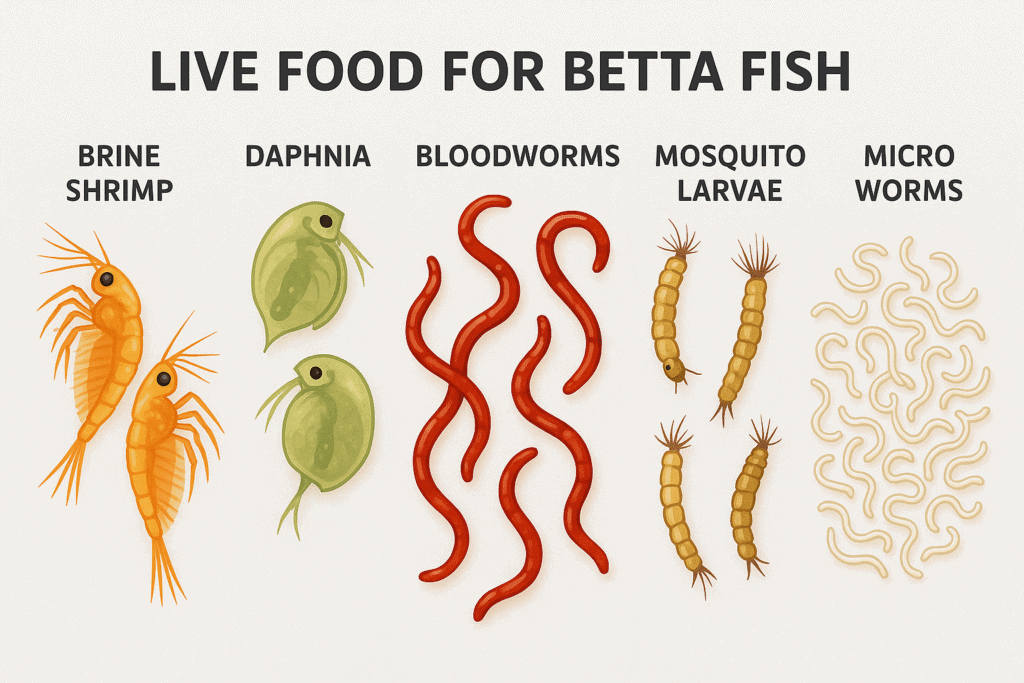
When considering the best diet for betta fish, I find that incorporating live foods like bloodworms and Frozen brine shrimp offers significant nutritional advantages. These live foods boast a high protein content, often exceeding 50%, which is essential for betta growth and muscle development. Their moisture content, typically around 70–80%, makes them more palatable and easier to digest compared to dry alternatives.
Additionally, live foods are rich in key fatty acids and nutrients that promote vibrant colors and healthy fin development. I also appreciate that feeding bettas live foods mimics their natural food and hunting behaviors, reducing stress and enhancing instinctual feeding patterns. With fewer indigestible fillers and artificial ingredients, live foods provide a balanced and nutritionally complete diet, enhancing overall health and well-being for adult bettas.
Nutritional Benefits of Frozen Betta Foods
While live foods are often praised for their nutritional benefits, frozen betta foods offer an equally important alternative that combines convenience and high nutritional content. Foods like bloodworms and brine shrimp retain high moisture levels and deliver essential proteins, making them an excellent choice for betta fish. These Frozen foods typically boast a balanced nutritional value, with protein content reaching up to 50%, which supports muscle development and energy.
Additionally, they’re usually free from harmful bacteria and parasites, reducing disease risks associated with live foods. I’ve found that offering a variety of frozen options—such as tropical fish food varieties—can greatly enhance your betta’s color and health, promoting overall wellness and well-being. Their easy storage and extended shelf life make them a practical choice for any fish keeper following regular feeding schedules.
Comparing Protein and Fat Content
To guarantee your betta fish thrives, it’s crucial to compare the protein and fat content of various types of betta food. Here’s a quick breakdown:
- Frozen foods: Bloodworms and brine shrimp boast protein content of around 50–60%, fulfilling bettas’ dietary needs effectively. Their fat content ranges from 10–15%, providing necessary energy.
- Live foods: Options like mosquito larvae and wingless fruit flies deliver high protein levels exceeding 50%, promoting muscle development.
- Freeze-dried food: These typically have lower protein content (30–40%) and higher fat percentages, which can lead to digestive issues if overfed.
Both frozen and live foods provide a more natural fat profile compared to dry betta fish pellets or betta pellets, ensuring your bettas receive optimal nutrition without excess food or indigestible fillers.
Convenience and Sourcing Considerations
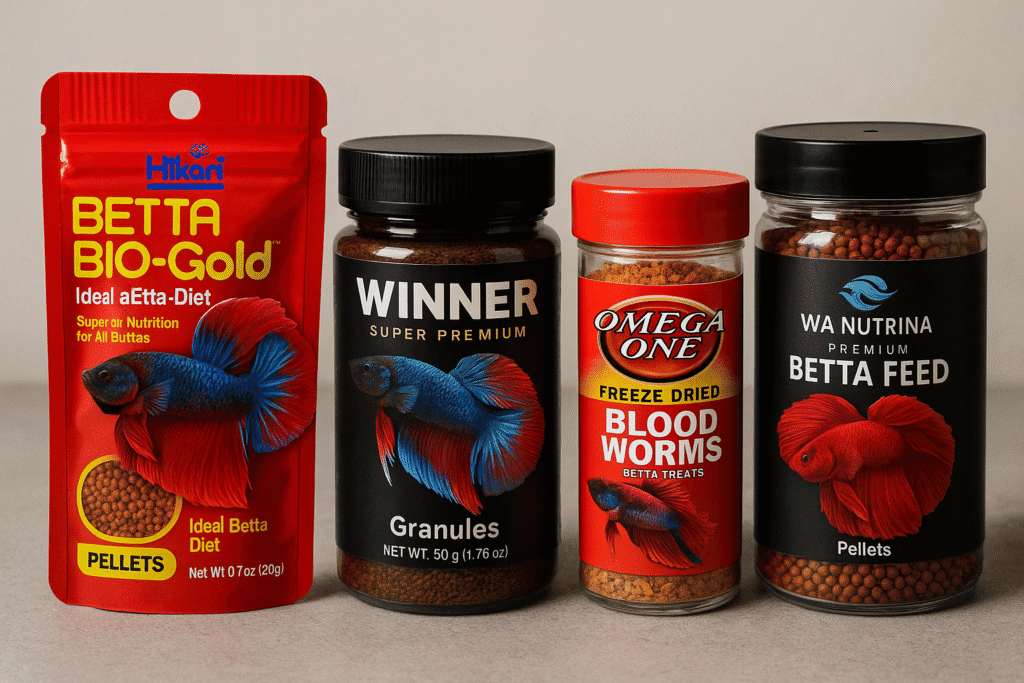
Although I appreciate the nutritional value of both frozen and live foods for my betta fish, convenience and sourcing considerations play a significant role in my decision-making process. Frozen foods offer easy storage in the freezer, allowing me to thaw them as needed without spoilage concerns. In contrast, live foods require careful sourcing from reputable suppliers to avoid introducing parasites and diseases, adding to their complexity.
While frozen options are quick to prepare, live foods often need additional time for cultivation or purchase, impacting my daily feeding routine. Additionally, frozen foods generally have a longer shelf life, providing more flexibility. Ultimately, I consider these factors alongside my betta’s nutritional needs to establish balanced regular feeding schedules.
Recommendations for a Balanced Diet
Creating a balanced diet for your betta fish is essential for their health and well-being. To guarantee your betta thrives, consider the following recommendations:
- Incorporate Variety: Feed your betta fish a mix of high-protein live foods, like brine shrimp and bloodworms, alongside Plant-based food flakes or quality betta pellets.
- Frozen Foods: Utilize frozen foods as convenient and nutritious alternatives, retaining moisture and essential nutrients.
- Feeding Schedule: Aim for daily feeding of pellets or flakes while offering live and frozen foods 1–2 times a week to replicate natural feeding habits and avoid excess food buildup.
- Address Picky Eaters: If your betta is a picky eater, rotate between different foods to stimulate interest and ensure nutritional adequacy.
Conclusion
To summarize, both live and frozen betta foods offer crucial nutrients for your fish, each with unique advantages. Live foods provide vibrant protein and stimulate natural hunting behavior, while frozen options guarantee convenience and consistent nutrition.
Balancing these food types and including freeze-dried food options sparingly can optimize your betta’s health and vigor. By understanding their nutritional profiles, incorporating a varied diet, and considering sourcing factors, you can create an enriching diet that supports your betta’s well-being. Happy feeding!