I love how Betta fish can learn various tricks. They can follow my finger, swim through hoops, and even jump for treats. Their intelligence means they recognize me and anticipate feeding times.
Training relies on patience, positive reinforcement, and brief sessions to keep them engaged. Each betta is unique, and some show more enthusiasm for tricks than others. If you’re curious, there’s still so much more I can explore.
Understanding Betta Fish Behavior
When I observe my betta fish, it’s clear how their behavior reflects intelligence and unique personalities. Understanding these behaviors is essential for anyone looking to train them effectively.
Bettas recognize their owners and often anticipate feeding times, showcasing their ability to learn. I’ve seen their curiosity drive them to explore the environment, which can lead to boredom if not properly stimulated. Training sessions reveal adaptability; they respond well to commands and can learn tricks with positive reinforcement.
I’ve also noticed that each betta is different—some engage enthusiastically, while others require more patience and consistent training. By understanding their behavior, we can create enriching experiences.
Preparing for Training Sessions
After spending time understanding my betta’s behavior, I’ve realized that preparing for training sessions is just as important as the training itself. Here are the key steps I follow to guarantee well-being:
- Allow at least a week for acclimation, so my betta recognizes me as its owner.
- Check for bright colors, smooth scales, and active swimming to confirm the fish is healthy.
- Use freeze-dried bloodworms as treats, being cautious not to overfeed.
- Wash my hands with hot water (no soap) before handling the tank to prevent contamination.
Basic Tricks to Teach Your Betta
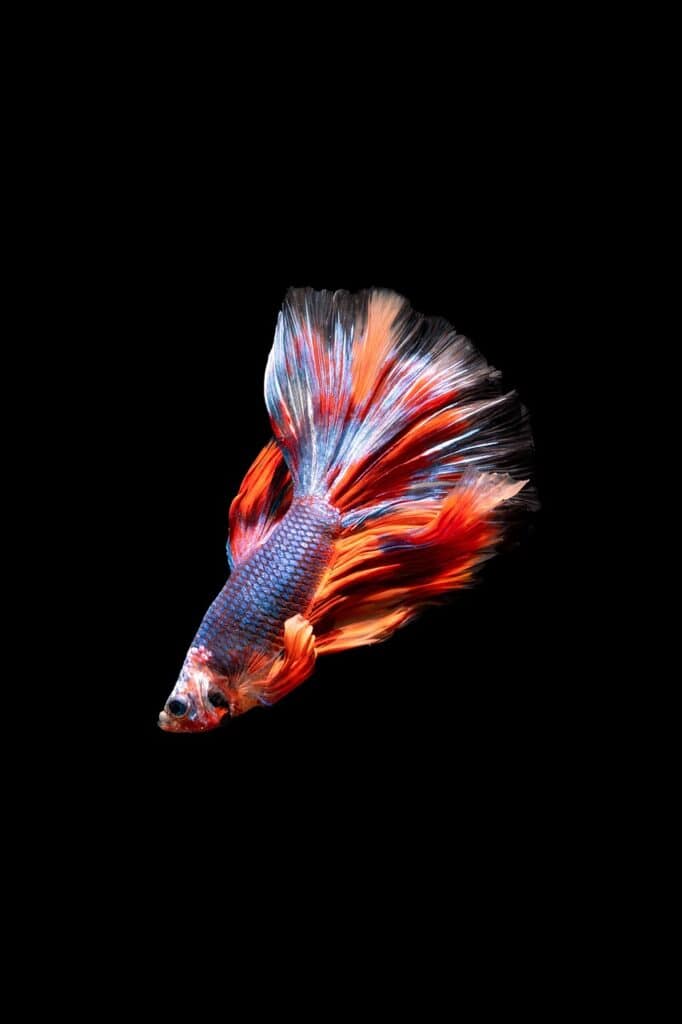
Teaching my betta fish tricks deepens our bond and stimulates its mind, enhancing overall well-being. First, I train the fish to follow my finger across the tank and reward the behavior with a treat. A hoop made from a pipe cleaner comes next, with a reward when it swims through. With a mirror, I teach the betta to flare, rewarding each display while keeping sessions brief, around 3–5 minutes.
Finally, the fish is taught to jump by presenting a food pellet on my finger, ensuring the tank lid is secure. Incorporating these tricks into regular feeding times fosters consistency and engagement through positive reinforcement, making training enjoyable.
Advanced Tricks for Skilled Bettas
While many betta fish can master basic tricks, advancing their skills opens up a world of new interactions and mental stimulation. Here are some advanced tricks you can teach your skilled betta:
- Jump for a Treat: Use a feeding stick to encourage your betta to leap out of the water, ensuring a secure tank lid to prevent accidents.
- Flare on Command: Utilize a mirror to prompt flaring, rewarding your betta each time. Keep sessions short to avoid exhaustion.
- Swim Through a Hoop: Gradually introduce a hoop using positive reinforcement, decreasing its size as your betta improves.
- Counting: Teach your betta to associate treats with specific movements, showcasing their intelligence.
- I’ve noticed that incorporating these into feeding times enhances engagement and consistency, making fish training even more rewarding.
Teaching Your Betta to Jump
When I began teaching my betta to jump, the importance of safety precautions, especially a secure tank lid, became clear. A step-by-step approach works well, starting with food incentives and gradually increasing jump height. With consistent practice, I noticed the betta becoming more enthusiastic and skilled.
Safety Precautions During Training
Guaranteeing your betta’s safety during jumping training is vital, as even a small oversight can lead to injury. I always keep these precautions in mind:
- Secure the Lid: Make certain the aquarium lid is firmly in place during training sessions to prevent escapes.
- Adjust Water Level: Maintain a lower water level to reduce the risk of injury if the betta jumps while still allowing space for the trick.
- Limit Session Time: Keep training sessions to 3–5 minutes to prevent exhaustion and stress-related issues.
- Use a Feeding Stick: Utilize a feeding stick so rewards remain accessible above the water, encouraging safe jumps.
Step-by-Step Jumping Guide
Teaching your betta fish to jump can be a rewarding experience that enhances both our bond and their physical activity. Start by dipping your finger in the tank water and attaching a small pellet of food to it, enticing the fish to leap for the treat.
Ensure the tank has a secure lid to prevent any accidents during training. Sessions should stay brief—around 2–5 minutes—to maintain interest and avoid overexertion. As the fish successfully jumps, gradually raise the food higher to encourage further effort.
I always monitor my well-being because excessive jumping can cause stress or injury, so positive reinforcement must be balanced carefully.
Encouraging Consistent Jumping Behavior
After introducing your betta to jumping, the next step is fostering consistent behavior. Here’s how I keep the fish leaping with enthusiasm:
- Use a feeding stick with a pellet attached to entice the betta to jump.
- Start by gently dipping a finger in the tank and placing a pellet on it to prompt a leap.
- Keep training sessions short—just 3–5 minutes—to prevent fatigue and maintain excitement.
- Gradually raise the height of the pellet as the betta improves, ensuring the water level remains low for safety.
- I also monitor water quality and overall health because balance is key for a happy, healthy jumping companion!
Flaring on Command
Many betta fish owners find that training their pets to flare on command can be a rewarding experience. To teach your betta to flare, I recommend using a small mirror to stimulate this aggressive display.
When your betta flares at its reflection, reward it immediately to reinforce the behavior. Keep flaring sessions brief—about 3–5 minutes—to prevent exhaustion and maintain your fish’s interest. Flaring is a natural behavior that helps bettas assert dominance, providing essential mental stimulation and exercise.
It’s vital to monitor your betta during these sessions, as some may become overly stressed. Consistent training, combined with rewards, not only enhances the learning experience but also strengthens your bond with your betta.
Swimming Through Hoops
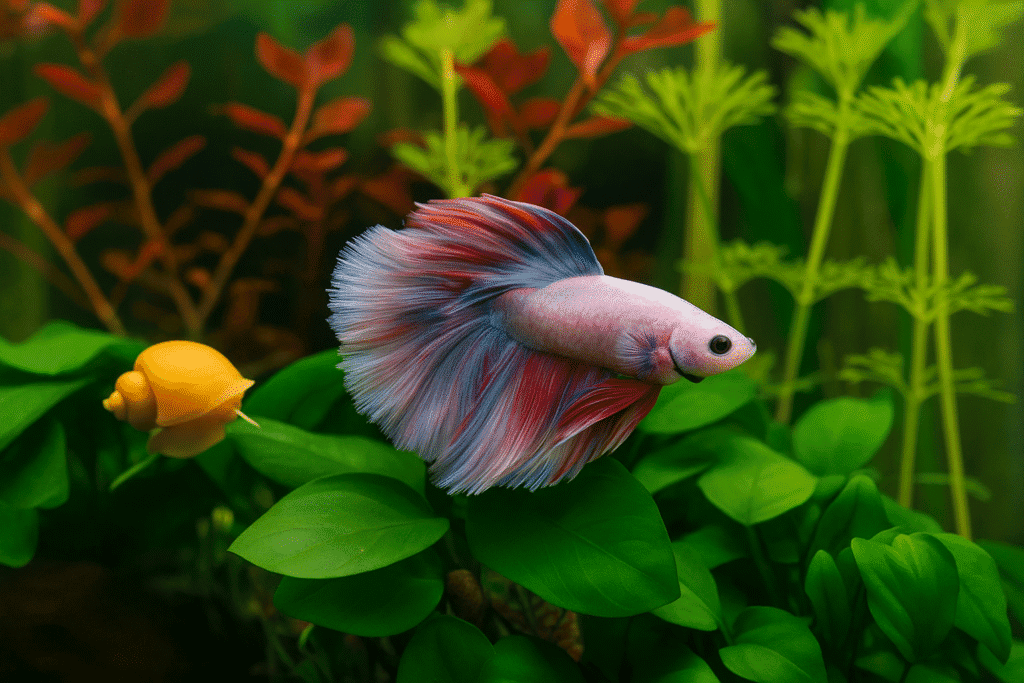
When I first introduced a hoop made from a pipe cleaner to my betta fish, its curiosity was obvious. By gradually adjusting the hoop’s position and rewarding successful attempts, the method maintained interest and motivation. It’s essential to keep sessions short and consistent to create a positive experience while monitoring the betta’s well-being throughout the process.
Preparing the Hoop Setup
To effectively prepare the hoop setup for training your betta to swim through hoops, I suggest creating a flexible hoop using a pipe cleaner that’s large enough for comfortable navigation. Here’s how to set it up:
- Position the hoop at a depth that allows easy access without causing stress.
- Reward the betta with a treat whenever it approaches the hoop to encourage exploration.
- Gradually decrease the hoop size as proficiency grows, keeping training engaging.
- Incorporate hoop training during regular feeding times to reinforce the behavior.
Gradual Training Progression
After setting up the hoop, it’s time to focus on gradual training progression for your betta fish. I recommend starting with a simple hoop made from a pipe cleaner, rewarding any interaction. As your betta becomes proficient, decrease the hoop’s size to increase difficulty. Here’s a simple progression plan:
| Stage | Action |
|---|---|
| Initial | Position hoop close to the side |
| Intermediate | Move hoop slightly further |
| Advanced | Increase distance and hoop size |
Incorporate training sessions during feeding times to maintain motivation and engagement. Keep an eye on your betta’s behavior and well-being, ensuring sessions are short (3–5 minutes) to prevent stress. This approach fosters a fun and rewarding training experience for both of us.
Rewarding Successful Attempts
While training my betta fish to swim through hoops, rewarding successful attempts is essential for reinforcing desired behaviors. Here’s the approach I use:
- Create a hoop using a pipe cleaner and place it within reach.
- Reward every interaction with the hoop, using food as immediate reinforcement.
- Gradually increase the difficulty by moving the hoop farther, encouraging the betta to follow my finger toward it.
- Limit training sessions to 3–5 minutes to maintain focus and avoid fatigue.
Using Objects for Training
Some betta fish eagerly engage with objects in their environment, making training an interactive experience. Using items like hoops made from pipe cleaners, I encourage the betta to swim through and reward successful attempts with treats.
Floating beads also pique curiosity; nudging or moving these earns food rewards, maintaining motivation. A feeding stick works well for jumping tricks—my betta leaps out of the water for a tasty treat! Mirrors stimulate flaring behavior, enhancing exercise during sessions.
DIY tools such as popsicle sticks guide the fish through new challenges, and with positive reinforcement, behaviors are shaped effectively. Each session becomes a rewarding exploration for both of us.
Common Challenges in Training
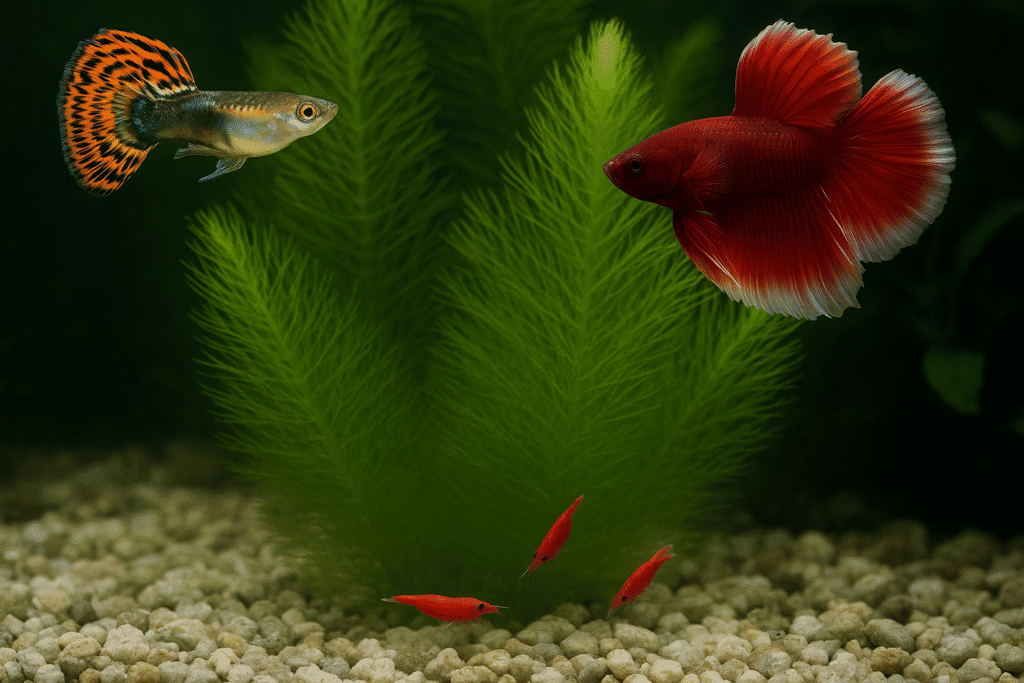
When training my betta fish, it’s clear that their interest can wane when food rewards aren’t consistent. Additionally, encouraging jumping tricks can be risky, as improper supervision might lead to injury. These challenges remind me to stay attentive and adapt methods to keep the fish engaged and safe.
Loss of Interest
As I’ve observed, betta fish can quickly lose interest if routines become predictable or treats aren’t consistent. To keep your betta responsive and engaged, consider these strategies:
- Vary Training Routines: Introduce new tricks to keep sessions fresh.
- Limit Session Length: Keep sessions under 2 minutes to prevent fatigue.
- Consistency in Treats: Ensure treats are offered regularly to maintain motivation.
- Stable Environment: Provide a comfortable habitat to reduce stress and support participation.
Jumping Risks
While training betta fish can be enjoyable, it’s important to recognize the potential risks associated with jumping. I’ve seen bettas leap out of tanks, particularly during sessions, so the tank lid must be secure. When encouraging jumping, a cautious approach is best; a miscalculation can lead to injuries.
Lowering the water level reduces the distance of a fall, allowing the fish to practice safely. Supervision remains essential, and staying vigilant allows immediate intervention if signs of distress appear. Creating a safe environment is crucial for successful, injury-free interactions with my betta.
Tips for Successful Betta Training
Training a betta fish can be a rewarding experience, especially when approached with patience and the right techniques. I’ve found these practical strategies especially helpful:
- Engage Their Attention: Gently tap on the tank glass to catch the betta’s focus.
- Use Treats: Freeze-dried bloodworms work wonders as positive reinforcement for desired behaviors.
- Keep It Short: Limit training sessions to 3–5 minutes to maintain engagement without overwhelming the fish.
- Create a Routine: Incorporate training during feeding times to help the betta associate learning with rewards.
Conclusion
To sum up, training your betta fish can be a rewarding experience that deepens your bond and showcases your intelligence. I believe that by understanding their behavior and using positive reinforcement, you can teach a variety of impressive tricks. While challenges may arise, patience and consistency remain key. Remember, each betta is unique, so adapt methods accordingly. With dedication, you’ll not only enhance the fish’s environment but also enjoy the fascinating interactions that come with this engaging hobby.