Many people mistakenly believe Betta splendens need companions, but their territorial behavior shows they actually prefer solitude. Male Betta splendens, in particular, can be aggressive and thrive in isolation. While some may coexist with gentle species, it’s essential to understand each betta’s personality.
Proper tank size and enrichment also play an important role in their well-being. If you want to understand more about how to care for these fascinating aquarium fish, there’s much more to explore.
Understanding Betta Fish Behavior
When considering betta fish behavior, it’s essential to recognize their inherent territorial nature. Bettas, particularly males, are not social creatures; they thrive in solitude rather than in community settings. Their aggressive behavior toward other males and even tankmates highlights this trait.
While some bettas may show varying tolerance levels, this adaptability doesn’t indicate a need for companionship. Instead, it reflects their ability to navigate their environment. The tank size and setup play significant roles in their behavior—larger tanks can help mitigate aggression by allowing space for avoidance.
Signs of stress, like excessive hiding or glass surfing, often stem from discomfort with their surroundings rather than loneliness. Understanding these aspects is critical for providing the best care for your Betta splendens.
The Territorial Nature of Male Bettas
Male bettas are inherently territorial, a trait that can lead to aggression when they’re housed with other males. I’ve observed that in their natural habitats, these fish establish territories that can span a square meter, highlighting their need for personal space. Understanding this behavior is essential, as improper tank conditions can elevate stress and conflict among tankmates.
Territorial Behavior Explained
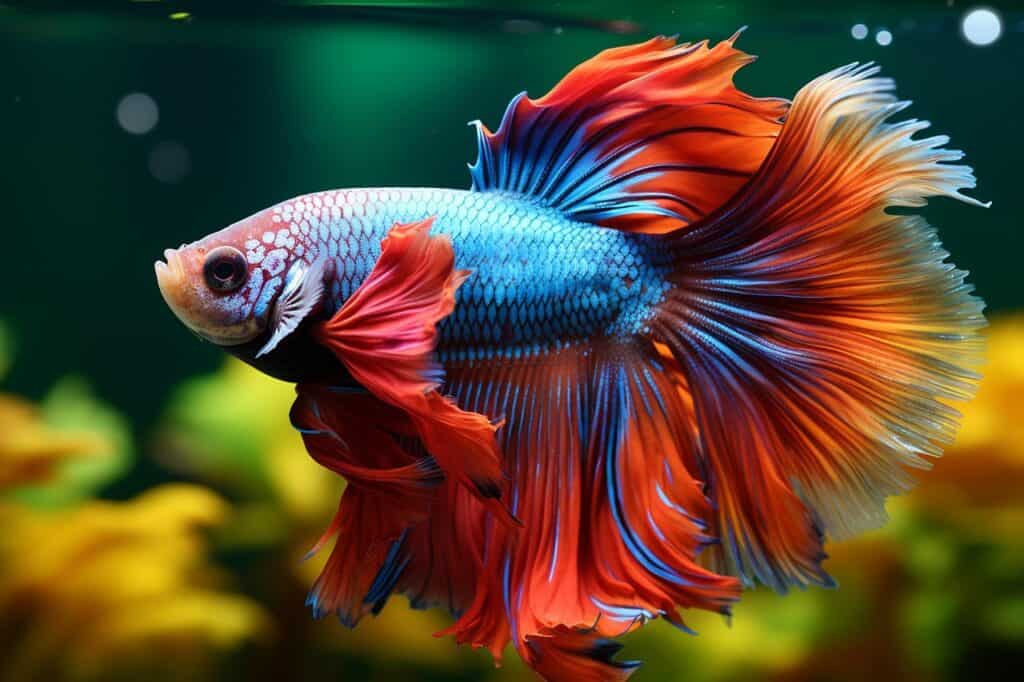
Understanding the territorial behavior of male bettas is vital for anyone looking to keep these vibrant fish. Male bettas are inherently territorial, often establishing dominance over a specific area. This instinct can lead to aggression toward perceived intruders, particularly other male bettas or similar-looking fish.
During breeding season, their territorial behavior intensifies, as they protect their breeding space vigorously. To maintain their well-being, it’s essential to provide solitary housing or carefully designed community tanks that guarantee ample space and hiding spots. Without these considerations, territorial disputes can escalate, resulting in stress, injury, or even death. By incorporating environmental enrichment, I can help mitigate aggression and create a healthier habitat for our beloved male bettas.
Aggression Towards Tankmates
Although it’s fascinating to observe the vibrant personalities of bettas, their aggression toward tankmates can pose significant challenges for aquarists. Male bettas are inherently territorial, often displaying aggressive behaviors like flaring, chasing, and biting, particularly in community tanks.
This aggression primarily stems from their breeding habits; they establish territories to attract females and deter rivals. Even in larger setups, a betta may perceive any fish as a threat, making careful selection of tank mates vital.
To minimize aggression, I recommend introducing a male betta to an established tank equipped with ample hiding spots. Monitoring interactions during the acclimation period is essential to guarantee social needs are met without compromising the peace of the aquarium fish community.
Solitary vs. Social Preferences in Bettas
When observing betta fish, it’s clear that their territorial nature plays a significant role in their social preferences. While some individuals may show a degree of tolerance toward tank mates, many thrive best in solitude due to their instinctual behavior. Understanding these variations in behavior helps us appreciate why bettas are generally not considered social creatures.
Territorial Nature Explained
The territorial nature of betta fish often leads to misconceptions about their social preferences. While bettas can adapt to community settings, their instinctual aggression makes them less social than one might assume. Understanding this can help us create a suitable environment for them.
| Behavior Type | Description | Tank Mate Compatibility |
|---|---|---|
| Territorial | Males exhibit aggression toward others of their species. | Should not be housed together. |
| Solitary | Prefer solitude over social interaction. | Limited tolerance for tank mates. |
| Community | Some may coexist with other species. | Requires careful selection. |
| Aggressive | Territorial disputes can lead to fighting. | Adequate space is essential. |
Individual Behavior Variations

Understanding individual behavior variations in bettas reveals a fascinating spectrum of solitary and social preferences. As I observe these fish, I notice some essential factors that influence their behavior:
- Territorial Nature: Males often display aggression, preferring solitude.
- Community Living: Some thrive alongside calm nano fish, indicating adaptability.
- Tank Size: Larger tanks tend to encourage exploration and reduce stress.
- Individual Personalities: Each betta’s character greatly impacts social interaction.
Common Misconceptions About Betta Loneliness
Although many believe that betta fish require companionship to thrive, this notion is fundamentally misguided. Bettas are primarily solitary creatures and don’t experience loneliness like social fish do. They thrive best when kept alone, especially males, who can be quite aggressive toward other fish.
The misconception that bettas need social interaction often leads to stress and aggression when housed in community tanks. While some bettas might coexist with others, individual temperaments vary widely, and many are better suited to solitary living to avoid territorial disputes.
Importantly, bettas don’t form emotional bonds like social species; their behavior is driven by survival instincts, prioritizing territory over companionship. A clean, stimulating environment is essential for their well-being, not tank mates.
Environmental Enrichment for Betta Fish
When caring for betta fish, I find that tank size plays a vital role in overall enrichment. Adding decor like plants and caves not only enhances their environment but also provides essential hiding spots that promote natural behaviors. By ensuring these elements are in place, I can create a more stimulating and fulfilling habitat for my fish.
Tank Size Importance
Choosing the right tank size for your betta fish is vital, as it directly impacts overall health and behavior. I recommend considering these factors for ideal tank conditions:
- Minimum Size: A tank of at least 10 gallons provides ample space for exploration and reduces stress related to territorial behavior, especially in small tanks where space is limited.
- Community Tanks: If you plan to keep your betta with other fish, opt for larger tanks to alleviate aggression.
- Clean Water: Maintaining a filtered environment is essential; regular water changes and good water quality prevent stress and health issues.
- Environmental Enrichment: Incorporate plants and hiding spots to allow your betta to establish territories and feel secure.
As aquarium hobbyists, ensuring the right tank size is fundamental to fostering a healthy, thriving betta fish.
Enrichment Through Decor

Creating a stimulating environment for your betta fish goes hand in hand with selecting the right tank size. To enhance enrichment, I recommend adding decorations like caves, plants, and floating structures. These not only provide essential hiding spots but also establish territorial boundaries, reducing stress.
A well-planted tank encourages your betta to exhibit natural behaviors, allowing them to claim and defend their space. Changing the tank setup periodically prevents monotony, keeping your betta engaged and promoting a healthier mental state.
Additionally, incorporating gentle water currents and varied substrate can enhance the physical environment, encouraging active swimming and exploration. By prioritizing these elements, you’ll create a thriving habitat that supports your betta’s well-being and natural instincts.
Hiding Spots Necessity
Although many betta fish owners may underestimate the importance of hiding spots, these features are essential for fostering a secure and enriching environment. Providing adequate hiding spots can:
- Reduce stress by offering a retreat when feeling threatened.
- Allow bettas to establish their own territory, promoting a sense of security.
- Encourage environmental enrichment, stimulating natural behaviors like exploration.
- Mitigate aggressive interactions with tank mates, giving bettas a chance to escape.
Incorporating hiding spots such as plants, caves, or decorations not only enhances well-being but also promotes a more active lifestyle. Regularly rearranging these features keeps the environment dynamic, stimulating curiosity and preventing boredom. A thoughtfully designed tank is key to a happy, healthy betta fish.
Signs of Stress and Well-Being in Bettas
Understanding the signs of stress and well-being in betta fish is imperative for ensuring they thrive in their environment. I’ve observed that bettas under stress often engage in excessive hiding, glass surfing, or display lethargy, signaling discomfort.
Healthy bettas flaunt vibrant colors and well-maintained fins, while dull coloration or ragged fins may indicate stress or poor health. Regularly monitoring feeding behavior is essential; a healthy betta actively feeds, but a lack of interest in food can suggest distress.
Although hiding is natural, frequent hiding without emerging for long periods typically points to stress. Factors like tank size, water quality, and sufficient hiding spots greatly influence emotional health, so it’s critical to maintain these conditions.
Can Bettas Live With Other Fish?
Can bettas thrive in a community tank with other fish? Yes, but individual tolerance levels vary greatly, so careful monitoring is vital. Here are some tips for creating a harmonious environment:
- Choose gentle tank mates: Species like tetras or rasboras often coexist well.
- Avoid male bettas together: Their territorial nature leads to aggression.
- Provide hiding spots: A well-structured tank with plenty of cover reduces stress.
- Monitor aggression closely: Regular observation is key, and have a backup plan, like a spare tank, ready.
While bettas can live with community fish, it’s important to select the right tank mates and remain vigilant about interactions to guarantee peaceful coexistence.
The Importance of Tank Size and Setup
When selecting the right environment for your betta fish, tank size and setup play essential roles in overall health and happiness. A minimum tank size of 10 gallons is critical, as it accommodates territorial behavior and reduces stress.
In my experience, providing plenty of hiding spots, plants, and decor creates a sense of security and stimulation, enhancing comfort. I’ve found that gentle water currents improve well-being, achievable through thoughtful filter placement and decoration arrangements.
Maintaining clean water conditions through regular Water change practices and consistent water changes is imperative, as poor quality can lead to stress and health issues, especially for Betta splendens living with other aquarium fish. Finally, incorporating environmental enrichment, like varied layouts and occasional rearrangements, keeps your betta engaged and active.
Feeding and Care for a Healthy Betta
Feeding your betta aquarium fish is essential for health and energy. To guarantee your betta thrives, consider these key points:
- Diet Variety: Provide high-quality pellets, along with freeze-dried or frozen foods and occasional live foods.
- Feeding Frequency: Feed once or twice a day, but include one or two fasting days each week to prevent overeating.
- Tank Conditions: Maintain a clean, well-filtered tank with stable temperatures between 76-82°F.
- Observation: Regularly check for signs of health, like vibrant colors and active swimming, to catch any issues early.
Individual Personalities and Bettas’ Behavior
Understanding the individual personalities of betta fish can greatly enhance their care and your overall experience as an owner. Each betta exhibits unique behaviors influenced by environmental factors such as tank size and setup. Some thrive in community tanks, while others prefer solitude due to territorial behavior.
| Betta Type | Social Tolerance | Activity / Activity Level |
|---|---|---|
| Community Lover | High | Medium |
| Solitary | Low | High |
| Adaptable | Medium | Variable |
| Aggressive | Low | Low |
| Calm | High | Medium |
Conclusion
To summarize, while betta fish are often perceived as solitary creatures due to their territorial nature, it’s crucial to recognize individual preferences and needs. Understanding their behavior helps dispel the myth of loneliness and emphasizes the significance of proper tank setup and environmental enrichment.
By fostering a suitable environment and respecting unique personalities, I can guarantee Betta splendens thrive—whether they prefer solitude or the company of compatible community fish.