Automated feeding systems for Betta fish have clear pros and cons. They guarantee a consistent schedule, prevent overfeeding, and simplify care during absences. However, malfunctions can disrupt feeding and harm fish health, especially if the device isn’t reliable.
While these systems offer convenience, they might reduce personal interaction and observations of a fish’s behavior. If you’re looking for a more thorough understanding of these systems, you might want to explore the potential alternatives and best practices.
The Benefits of Automated Feeders
When considering the benefits of automated fish feeders for Betta fish, it’s clear that these devices play an essential role in maintaining a healthy environment for our aquatic pets. An automatic fish feeder guarantees a consistent feeding schedule, allowing you to feed your Betta at regular intervals, even when you’re away.
These auto fish feeders provide customization options, so you can tailor the feeding portions to your Betta’s specific needs. By delivering pre-measured portions, they help prevent overfeeding and underfeeding, promoting a healthier feeding routine. They also offer peace of mind during unforeseen travel delays, acting as a reliable vacation feeder.
Ultimately, automatic fish feeders enhance the overall well-being of active fish, making it easier for fish owners to care for them while guaranteeing they receive the nutrition they need.
The Drawbacks of Automated Feeders

While automatic fish feeders offer convenience, they also come with significant drawbacks. Malfunctions can lead to either overfeeding or underfeeding, harming a Betta’s health. Additionally, relying on these devices can limit daily interactions with your fish, which are essential for fostering that important bond.
Malfunction Risks
Although auto fish feeders offer convenience, they come with significant malfunction risks that can jeopardize the health of Betta fish. Mechanical failures can lead to inconsistent feeding schedules, leaving fish without food or, worse, causing blockages that prevent proper dispensing.
Such malfunctions can also result in overfeeding, increasing the risk of deteriorating water quality due to uneaten fish food decomposing in the tank. Additionally, some low-quality automatic feeders may break down more frequently, raising concerns about their reliability, especially during extended absences. Consequently, regular monitoring and maintenance are essential.
Checking the feeder is crucial; forgetting to do so can lead to catastrophic consequences for your beloved fish, ultimately compromising their well-being.
Overfeeding Concerns
Malfunctioning automatic fish feeders can lead to serious concerns about overfeeding, which is a common drawback of these devices. When using these feeders, several issues can arise:
- Block-style feeders may dispense excess food when not monitored.
- Accurate adjustment of portion sizes is often challenging.
- Overfeeding results in uneaten food decomposing in the tank.
- Poor water quality can harm the health of Betta fish.
Regular monitoring of the feeding system is essential to prevent these problems. Many Betta fish might not recognize the automated fish food as viable, leading to additional waste. By keeping a close eye on your feeding methods, you can guarantee a healthier environment for your fish and maintain the best water quality.
Interaction Loss
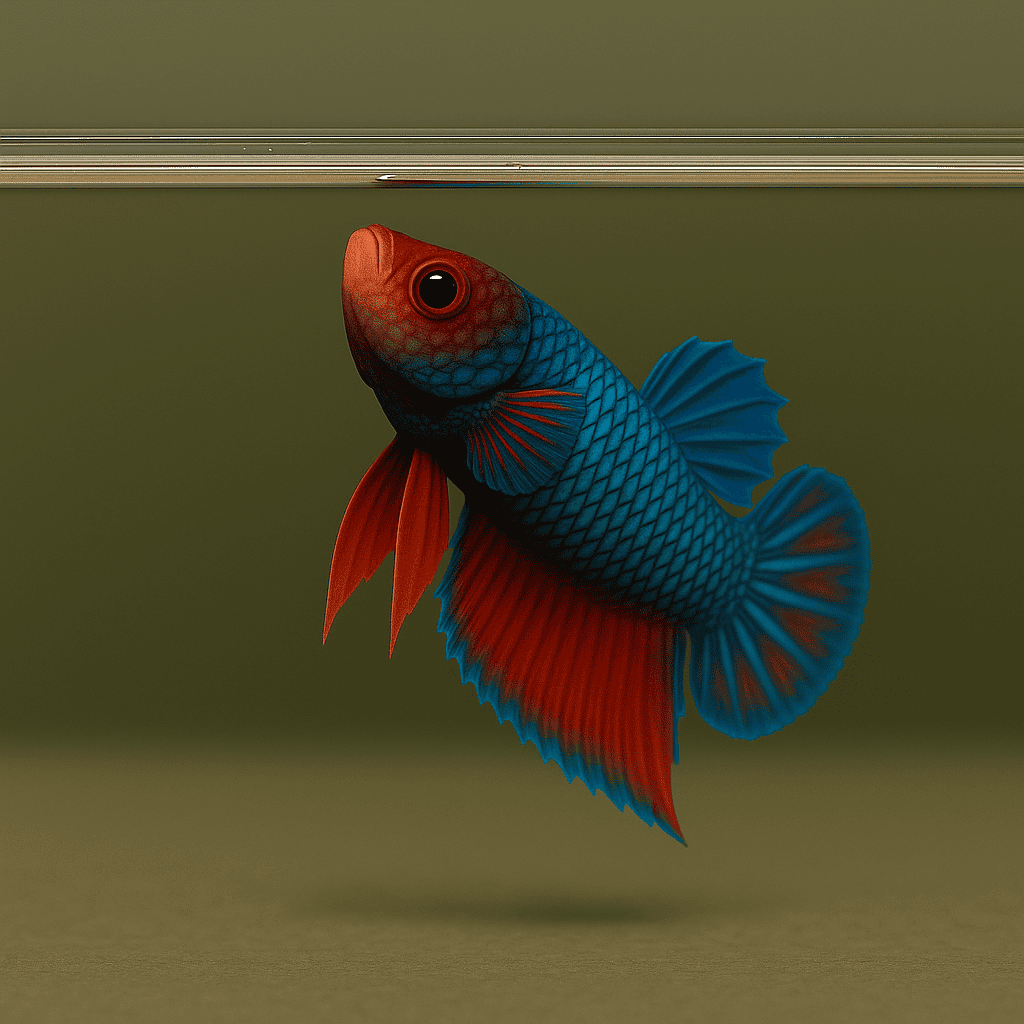
Automated fish feeders, despite their convenience, can considerably diminish the interaction between fish owners and their Betta fish. This reduction in personal engagement can weaken the bond you share, as daily manual feeding fosters connection and curiosity.
Without this routine, it’s easy to miss observing subtle changes in your fish’s behavior or health that might indicate issues. Moreover, relying solely on auto fish feeders can lead to neglect in other aquarium care aspects, creating a false sense of security.
Some Bettas may not recognize the food source as suitable, resulting in uneaten food that degrades water quality. Ultimately, maintaining your fish’s foraging instincts is crucial, and it requires active participation in the feeding process to guarantee a healthy environment.
Situations That Justify Using an Auto Feeder
When life gets busy or unexpected events arise, using an automatic fish feeder for your Betta fish can be a practical solution to guarantee their nutritional needs are met. Here are a few situations where automated fish feeders truly shine:
- During short vacations, they ensure consistent meals without needing a caretaker.
- They allow you to customize feeding schedules and portions to meet your fish’s dietary requirements.
- In emergencies, they provide a reliable backup to maintain fish health when you can’t feed them.
- For those with tight schedules, they help prevent overfeeding and underfeeding by adhering to set intervals.
Manual Feeding: The Personal Touch
While automatic fish feeders offer convenience, there’s something uniquely rewarding about manual feeding that can’t be overlooked. Engaging in daily interaction with your Betta enhances your bond and allows you to observe their feeding habits closely.
This personal touch helps you spot potential health issues early and adjust your diet according to your specific dietary needs. Manual feeding also provides the flexibility to tailor portion sizes, ensuring they receive just the right amount of fish food.
Additionally, maintaining consistent feeding routines promotes ideal water quality, which is essential for their well-being. Overall, the act of manual feeding not only enriches your Betta’s environment but also fosters a sense of security and stimulation that can greatly benefit their health.
Monitoring Your Fish’s Health and Behavior
When observing your Betta fish during manual feeding, you can quickly spot any changes in its eating habits that might signal health issues. These subtle shifts can indicate stress or illness, making close monitoring essential for timely intervention. Additionally, daily interactions not only enhance your bond but also offer valuable insights into personality and behavior.
Observing Feeding Habits

Observing your Betta fish during feeding times offers invaluable insights into their health and behavior. By closely monitoring their feeding habits, you can determine their preferences and enhance their overall diet. Here are a few key observations to keep in mind:
- Changes in how your fish eat can indicate stress or health issues.
- Noting the amount they consume helps you adjust feeding quantities, preventing overfeeding or underfeeding.
- Daily interactions during feeding strengthen your bond, making the experience enjoyable.
- Monitoring for competition with tank mates guarantees a peaceful environment for everyone.
Using automatic fish feeders can streamline this process, but it’s still important to observe your Betta’s behavior regularly. This way, you can better serve their needs and well-being.
Identifying Health Issues
Regularly monitoring your Betta fish’s health and behavior during feeding times provides a clear picture of their overall well-being. Through regular manual feeding, you can engage in close observation, making it easier to spot signs of illness or stress, like lethargy or hiding.
Maintaining a consistent feeding schedule and monitoring food intake allows you to notice any disruptions in their eating habits, which could indicate underlying health issues.
Additionally, varied feeding helps prevent dietary problems, as changes in feces color or consistency can signal digestive concerns. Routinely checking for physical symptoms such as fin deterioration or unusual swelling enables you to identify diseases early and take action before they escalate.
Potential Feeding Mechanism Issues
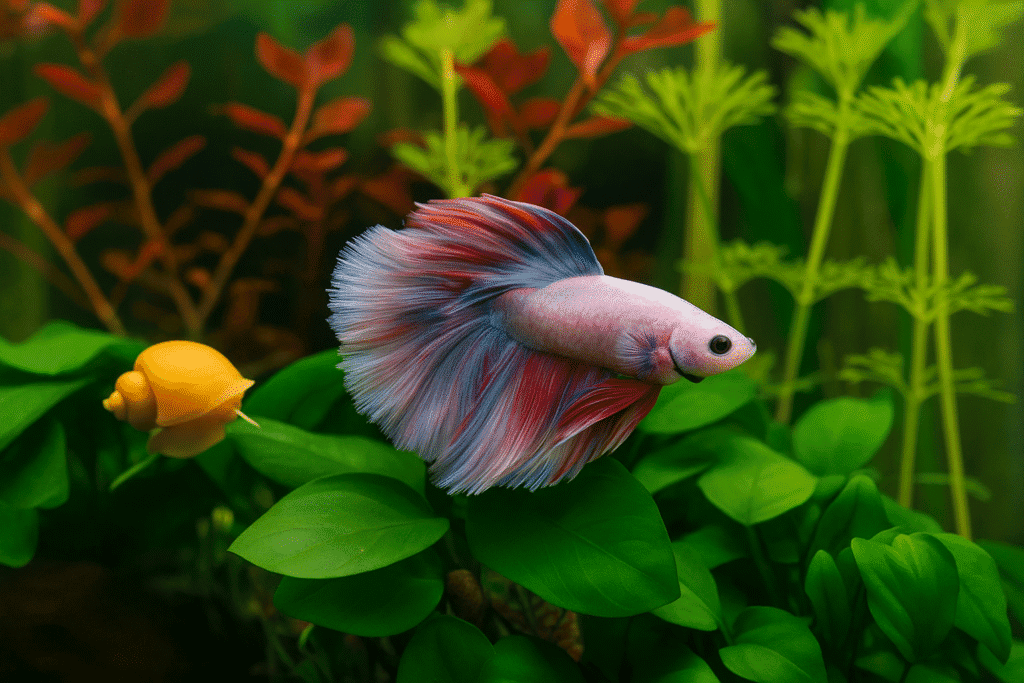
Automatic fish feeders, while convenient, can present several potential issues that may affect the well-being of your Betta fish. It’s vital to take these factors into account to guarantee their health and happiness:
- Calibration: Improperly calibrated automatic fish feeders can lead to overflow issues, causing excess food to pollute the tank.
- Feed efficiency: Floating foods often bypass the fish, reducing feeding efficiency as they may end up in the filter.
- Sinking pellets: Using sinking pellets is recommended to make sure food reaches your Betta instead of floating away.
- Malfunctions: Feeding mechanism malfunctions can result in clogged food, leading to spoiled feed and inconsistent feeding schedules.
Testing your automatic fish feeder beforehand helps you spot problems and verify it dispenses the correct amount of food.
Alternatives to Automated Feeders
While automatic fish feeders offer convenience, there are several effective alternatives to guarantee your Betta fish receives proper care during feeding times. Manual feeding by a trusted friend or family member guarantees personalized attention, enhancing fish health during your absence.
For temporary solutions, slow-release feeding blocks can be used, although Betta fish may not always recognize them as food. If you prefer a reliable auto fish feeder, frequent use during short vacations can help maintain a consistent feeding schedule but remember to test beforehand to avoid malfunctions.
Additionally, manual feeding a few days before your trip can prevent spoilage of uneaten food. Finally, creating a self-sustaining environment with a larger tank and live plants can reduce feeding needs during brief absences.
Choosing the Right Auto Feeder
Finding the right auto fish feeder for your Betta fish can greatly impact their health and well-being, especially if you’re away for extended periods. When selecting an automatic fish feeder, consider these essential factors:
- Adjustable feeding portions to prevent overfeeding or underfeeding.
- A high-quality feeder known for reliability, minimizing the risk of mechanical failures.
- The ability to dispense sinking pellets guarantees your Betta fish receive their food effectively.
- Adequate capacity, holding enough food for at least 2-3 weeks for short vacations.
Researching reviews and user feedback can guide you toward a model with proven performance. By prioritizing these features, you’ll provide a reliable feeding solution that supports your Betta’s well-being while you’re away.
Balancing Convenience With Care
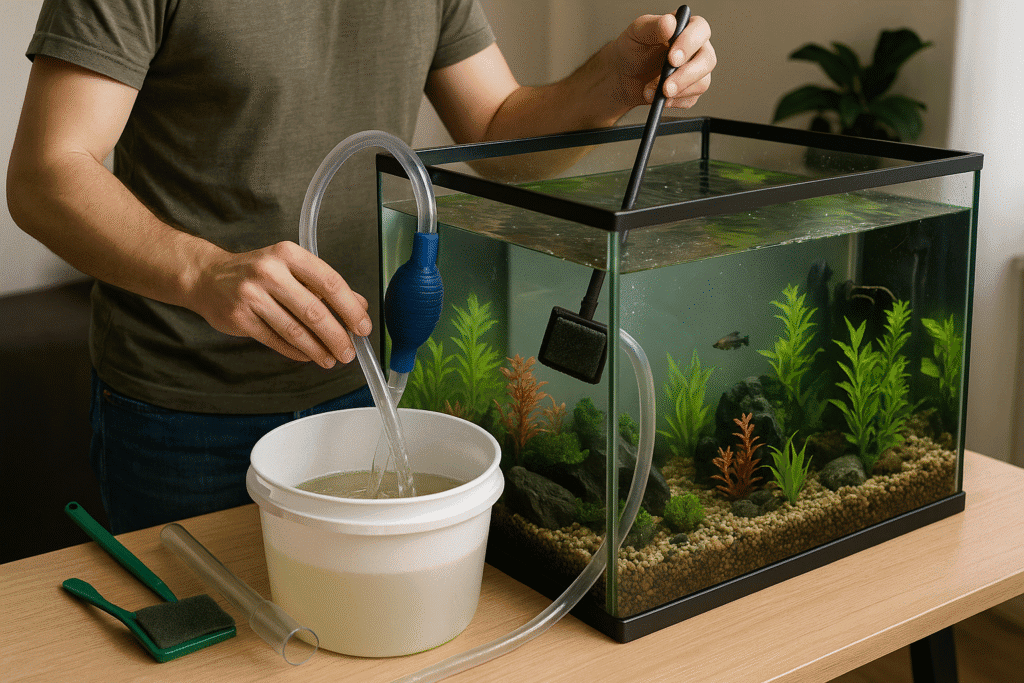
Although the convenience of automatic fish feeders is appealing, it’s important to balance this with the attentive care Betta fish require. While automatic fish feeders can help maintain a consistent feeding schedule, they can also lead to overfeeding if not monitored carefully.
Manual feeding is necessary—it allows you to engage with your Betta and monitor their eating habits closely. This interaction fosters a bond and guarantees their well-being. Auto fish feeders may provide peace of mind during short absences, but they shouldn’t replace the daily care that manual feeding offers.
Testing these devices before extended use is important to avoid malfunctions that could impact your fish’s health. Ultimately, consistency in care is key to keeping your Betta happy and healthy.
Conclusion
To summarize, while automatic fish feeders for Betta fish offer convenience and consistency, they come with potential drawbacks that can impact your fish’s health and well-being.
It’s crucial to weigh the benefits against the risks, ensuring that you monitor your fish’s behavior and health regularly. If you choose an auto fish feeder, selecting the right model and understanding its limitations can help you maintain a balanced approach to caring for your aquatic companion.