Genetic diversity is essential for the health and longevity of betta fish, such as the Siamese fighting fish Betta Splendens. By preventing inbreeding, we can reduce the risk of serious health issues like swim bladder problems and fin rot.
Strategies like outcrossing and maintaining distinct breeding lines can greatly enhance genetic variation. This approach not only promotes stronger resilience to diseases but also guarantees the overall well-being of the fish. There’s much more to uncover about effective breeding practices and their implications.
Understanding Genetic Diversity in Betta Fish
Understanding genetic diversity in betta fish is essential not only for their health but also for their long-term survival. Genetic diversity plays an important role in reducing the expression of recessive disorders commonly found in inbred lines, like swim bladder issues and fin rot.
I’ve observed that wild types generally showcase greater genetic diversity, leading to improved health compared to domestic varieties plagued by inherited issues. While line breeding, a form of artificial selection, can stabilize desirable traits, it often compromises genetic diversity, heightening the risk of health complications.
To guarantee healthy offspring, breeders must strategically plan their breeding practices, focusing on both dominant and recessive traits. Prioritizing genetic diversity helps maintain the robustness of betta fish while promoting their overall well-being.
The Importance of Avoiding Inbreeding
To maintain the health and vigor of betta fish, avoiding inbreeding is vital. Inbreeding can lead to serious genetic issues, compromising the well-being of our aquatic companions.
I also recognize that water quality works hand in hand with genetics to influence overall vitality, so here are three reasons why we should prioritize genetic diversity through outcrossing:
- Health Improvement: Breeding unrelated fish enhances genetic diversity, improving immune response and reducing the risk of inherited diseases.
- Reduced Disorders: Outcrossing helps mitigate the likelihood of recessive genetic disorders, which can cause swim bladder problems, fin rot, and dropsy.
- Long-term Viability: Maintaining genetic diversity through outcrossing is essential for ensuring the long-term health and sustainability of betta populations, avoiding the pitfalls of continuous inbreeding.
Impacts of Inbreeding on Betta Health
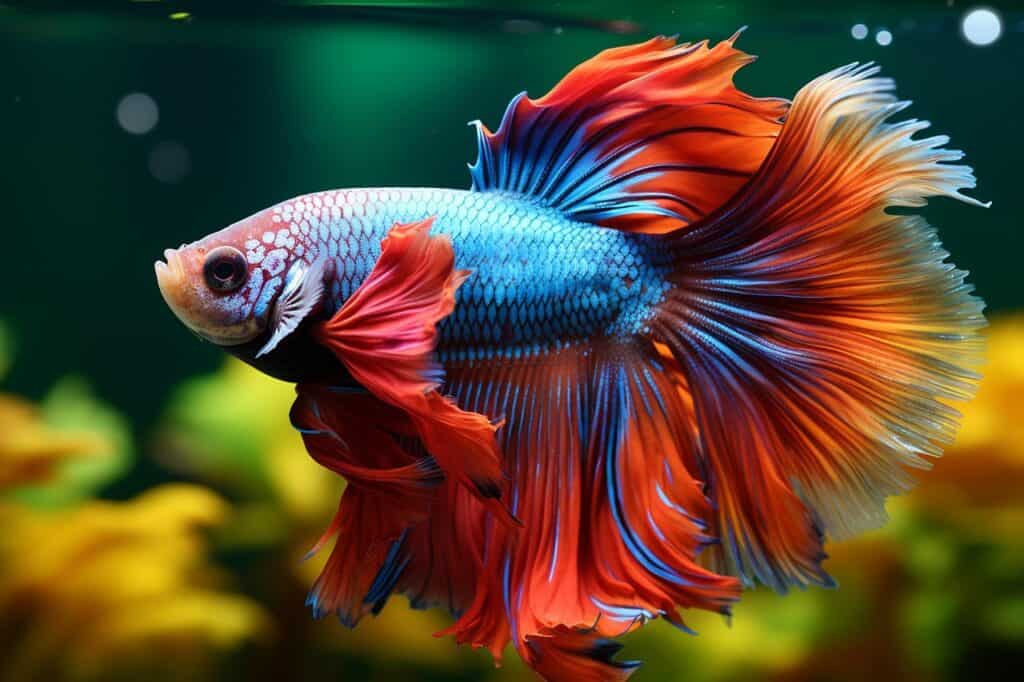
While I know many betta enthusiasts may underestimate the consequences of inbreeding, its impacts on fish health are profound and often detrimental. Inbreeding markedly heightens the risk of recessive genetic disorders, leading to serious health problems. Here’s a brief overview:
| Health Problem | Description |
|---|---|
| Swim Bladder Issues | Difficulty in maintaining buoyancy |
| Fin Rot | Fungal infections affecting fins |
I find that breeders often encounter unexpected traits, emphasizing the necessity for a deep understanding of genetic interactions. Responsible practices, including culling, become essential to manage the health of offspring in inbred populations.
Strategies for Maintaining Genetic Variation
Maintaining genetic variation in betta fish is essential for their overall health and vigor, especially given the risks associated with inbreeding. Here are three key strategies I’ve found effective:
- Outcrossing: Introduce unrelated betta fish from different color lines to enhance genetic diversity, reducing recessive health issues.
- Maintaining Two Lines: Breed from two distinct lines to strategically outcross while preserving desirable traits and minimizing genetic bottlenecks.
- Community Collaboration: Engage with other breeders for fish exchanges, introducing new genetic material that fosters a diverse gene pool.
Role of Outcrossing in Breeding Practices
Outcrossing plays an essential role in betta fish breeding practices by greatly enhancing genetic diversity within breeding lines. By introducing unrelated individuals or different color lines, breeders can maintain desirable traits while reducing the risks of recessive genetic issues often associated with inbreeding.
Careful planning is important, as crossing different colored fish may lead to unpredictable outcomes in coloration and health. However, successful outcrossing can also introduce new immunity genes, boosting the health and resilience of the offspring against diseases.
I often maintain two lines for outcrossing, ensuring a wider genetic pool. This approach not only fosters better long-term health but also promotes sustainability within the betta population, ultimately serving the interests of both breeders and enthusiasts alike.
Assessing Genetic Health in Breeding Lines
When evaluating genetic health in breeding lines, I focus on identifying potential recessive genetic issues that can emerge from inbreeding, as these can lead to deformities and health complications in the offspring. Here are the key strategies I employ:
- Regular Genetic Evaluations: I conduct assessments to spot undesirable traits and inform outcrossing strategies, enhancing genetic diversity.
- Record Keeping: Maintaining detailed lineage and genetic history helps me make informed breeding decisions and reduces inbreeding risks.
- Genetic Testing: By utilizing genetic tests, such as microsatellite markers, I gain insights into a breeding line’s diversity, enabling me to select individuals that positively contribute to future generations’ health.
I believe these practices are crucial for ensuring the genetic health of betta fish populations, fostering robustness, and preventing the pitfalls of inbreeding.
Benefits of CRISPR/Cas9 in Betta Research
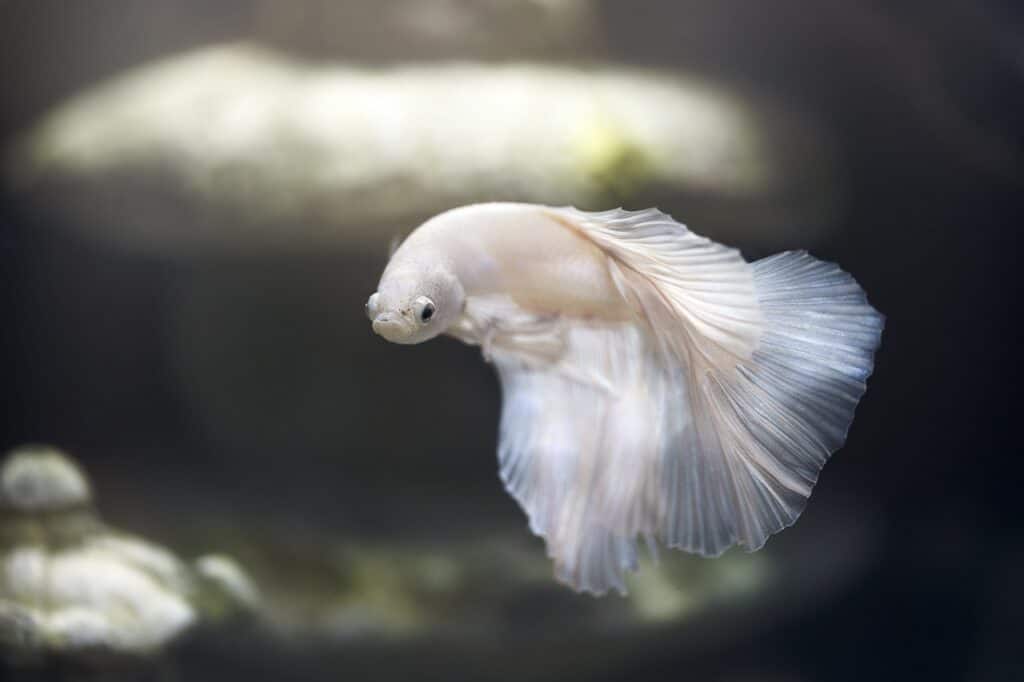
CRISPR/Cas9 genome editing technology offers remarkable advantages for betta research, particularly in targeted gene disruption. By precisely editing genes like alkal2l and mitfa, we can gain deeper insights into pigmentation and physical traits. This enhanced genetic understanding not only aids in breeding practices but also paves the way for innovative studies on betta fish genetics.
Targeted Gene Disruption
While exploring the genetic landscape of betta fish, I found that targeted gene disruption using CRISPR/Cas9 technology offers remarkable advantages for researchers. This method not only enhances our understanding of genetic diversity but also optimizes breeding practices. Here are three key benefits:
- Precise Gene Editing: Researchers can knock out or insert specific genes, allowing detailed investigation of traits like pigmentation and morphology.
- Insights into Phenotypic Diversity: Studies on genes such as alkal2l and mitfa reveal their roles in viability and physical traits, enriching our knowledge of betta genetics.
- Model Organism Advancement: Targeted gene disruption transforms bettas into essential models for neurobiological research, ultimately improving genetic health in breeding practices.
Enhanced Genetic Understanding
The application of CRISPR/Cas9 technology in betta fish research greatly enhances our understanding of genetic diversity. Leveraging the recently assembled reference genome, we can target specific genes, such as alkal2l, bco1l, and mitfa, to observe how these disruptions influence various genetic traits tied to sex determination and coloration.
By studying the effects of gene knockout on pigmentation and other characteristics, we’re gaining vital insights into the genetic basis of diversity. Additionally, creating transgenic betta fish with fluorescent markers like GFP helps track gene expression, enriching our knowledge of developmental processes.
Advanced techniques, such as Tol2-mediated transgenesis, also enable us to introduce new genetic variations, demonstrating the power of Genetic manipulation to address inbreeding challenges and promote a healthier, more diverse betta population.
Ethical Considerations in Betta Breeding
Ethical considerations in betta breeding are crucial, especially when we think about the long-term health of these fish. To guarantee responsible breeding, we should prioritize genetic diversity and make informed decisions. Here are three key points to contemplate:
- Health over Aesthetics: Focusing on the well-being of bettas can help reduce the health risks associated with inbreeding.
- Outcrossing Practices: Introducing unrelated genetic material enhances resilience and prevents the detrimental effects of inbreeding.
- Moral Dilemmas: Breeders face tough choices regarding the culling of unfit offspring, necessitating a balance between ethical responsibilities and breeding goals.
Community Insights on Genetic Management
As I engage with the betta breeding community, it’s clear that genetic management is a hot topic, driven by a shared commitment to the health of these fish.
Many breeders emphasize prioritizing genetic health over mere appearance, advocating for responsible line management to prevent health issues. Collaboration among breeders enhances diversity and introduces new traits, minimizing inbreeding risks.
Careful planning in breeding strategies is essential; mixing colors can complicate genetic outcomes. The community stresses ongoing education about genetics, ensuring the long-term viability and health of our betta populations. Together, we can foster a healthier future for these beautiful fish.
Future Directions for Betta Breeding Research
As we look to the future of betta breeding, enhancing genetic diversity through strategic outcrossing should be a priority. I believe that by introducing new genetic material, we can improve the overall health and resilience of our betta populations. Understanding the implications of trait selection will be essential in balancing aesthetic goals with the long-term viability of these fish.
Genetic Diversity Importance

While many breeders focus on aesthetic traits, the importance of genetic diversity in betta fish cannot be overstated. Emphasizing genetic health is crucial for the well-being of our bettas. Here are three key reasons why we should prioritize genetic diversity:
- Disease Resistance: Outcrossing introduces new immunity genes, enhancing resilience against diseases.
- Reduced Genetic Disorders: Maintaining diverse breeding lines helps prevent recessive genetic disorders that can arise from inbreeding.
- Comparison with Wild Types: Wild-type bettas generally show better health, underscoring the need to incorporate genetic material from these populations.
Outcrossing Strategies Overview
To improve the genetic health of betta fish, it is essential to explore effective outcrossing strategies that enhance diversity. Outcrossing involves introducing unrelated or different color lines, which can mitigate health risks associated with inbreeding, like sterility and genetic deformities. As breeders, we face the challenge of sourcing unrelated fish while retaining desirable traits such as color and finnage.
Maintaining two separate breeding lines can facilitate this process, promoting genetic diversity and avoiding recessive genetic issues over generations. Careful planning is imperative, as crossing different colored fish can lead to unpredictable traits in offspring. By collaborating through networking and trading, we can access a broader genetic pool, ultimately improving the health and robustness of our betta populations.
Conclusion
In summary, maintaining genetic diversity in betta fish is essential for their health and longevity. By actively avoiding inbreeding and employing strategies like outcrossing, we can enhance their resilience and liveliness.
Embracing innovative tools like CRISPR/Cas9 offers exciting possibilities for research and breeding practices. However, we must also navigate the ethical landscape carefully to guarantee responsible breeding. As we move forward, prioritizing genetic management will be imperative for the future of betta fish populations.