I’ve seen that fungal infections in Betta eggs, mainly from Saprolegnia, can be devastating. Keeping your water clean and well-aerated prevents these infections. Remove any unfertilized or damaged eggs promptly, and regular water changes can make a big difference. Using methylene blue at about three ppm can help protect your eggs.
If you’re facing an outbreak, consider isolating the affected eggs and employing targeted treatments like hydrogen peroxide for effective results. Adding aquarium salt is also recommended. There’s much more to explore on maintaining healthy Betta eggs.
Understanding Fungal Infections in Betta Eggs
Understanding fungal infections in Betta eggs is vital for any aquarist aiming to successfully breed these beautiful fish. The primary culprit, Saprolegnia, thrives in conditions where water quality deteriorates, often preying on unfertilized or damaged fish eggs. I’ve learned that maintaining ideal tank conditions—ensuring clean water, adequate oxygen levels, and minimizing nutrient accumulation—can greatly reduce the risk of these infections.
Regular monitoring for any compromised eggs is important; removing them promptly can help prevent a wider outbreak. Additionally, using prophylactic treatments like methylene blue during incubation serves as an effective safeguard, helping to ward off fish fungus. By understanding these factors, we can nurture a healthier environment for our bettas and enhance their chances of thriving.
Symptoms of Fungal Infections in Betta Eggs
When I observe fungal infections in Betta eggs, the symptoms become quite evident. Initially, affected eggs may take on a grayish hue, signaling potential distress. As the infection progresses, I notice the development of fuzzy, cotton-like growths, which indicate the presence of the water mold Saprolegnia.
These growths often multiply, creating an alarming increase in fuzzy patches on the eggs. It’s heartbreaking to see that unfertilized or damaged eggs are especially vulnerable, underscoring the need for prompt action. Once I spot established fuzz, I know these infected eggs won’t recover, highlighting the critical importance of early detection in aquatic environments. Taking immediate steps can help protect healthy embryos and guarantee the best chance for their survival.
Factors Contributing to Fungal Growth
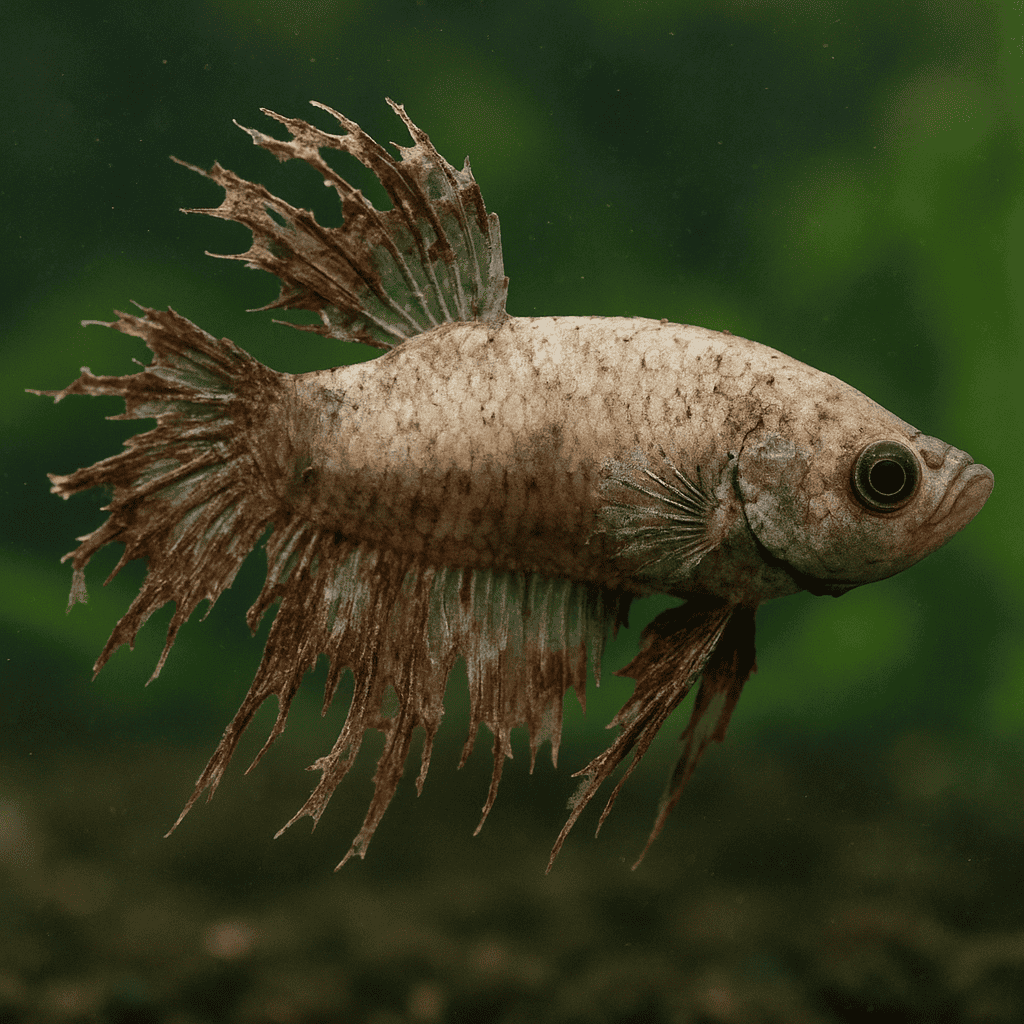
I observe that bacterial infections and the water mold Saprolegnia thrive in low-oxygen environments, particularly affecting dead or unfertilized eggs. Poor water quality, resulting from inadequate tank maintenance and high nutrient levels, creates a breeding ground for pathogens.
Additionally, eggs in areas with poor circulation face increased risk due to waste accumulation and insufficient oxygenation. Unfertilized or damaged eggs are especially vulnerable, as their defenses can easily be overwhelmed. By regularly monitoring for infected fish and promptly removing any affected eggs, we can protect healthy ones and minimize the risk of fungal outbreaks in our beloved bettas.
Prevention Strategies for Fungal Infections
I’ve found that regularly removing any unfertilized or damaged eggs is essential; these are prime targets for Saprolegnia fungus. Maintaining ideal water quality is also vital, so I perform frequent water changes to eliminate excess nutrients and organic matter. Adding salt can help create an inhospitable environment for fungus while being safe for the eggs, which also deters sick fish from further contamination.
During breeding, I use methylene blue as a preventative treatment, as it effectively protects fertilized eggs. I monitor oxygen levels closely; low-oxygen conditions can lead to egg death and fungal outbreaks. Regular inspections of the eggs and breeding tank help identify any potential issues early, allowing for timely intervention.
Treatment Options for Infected Eggs
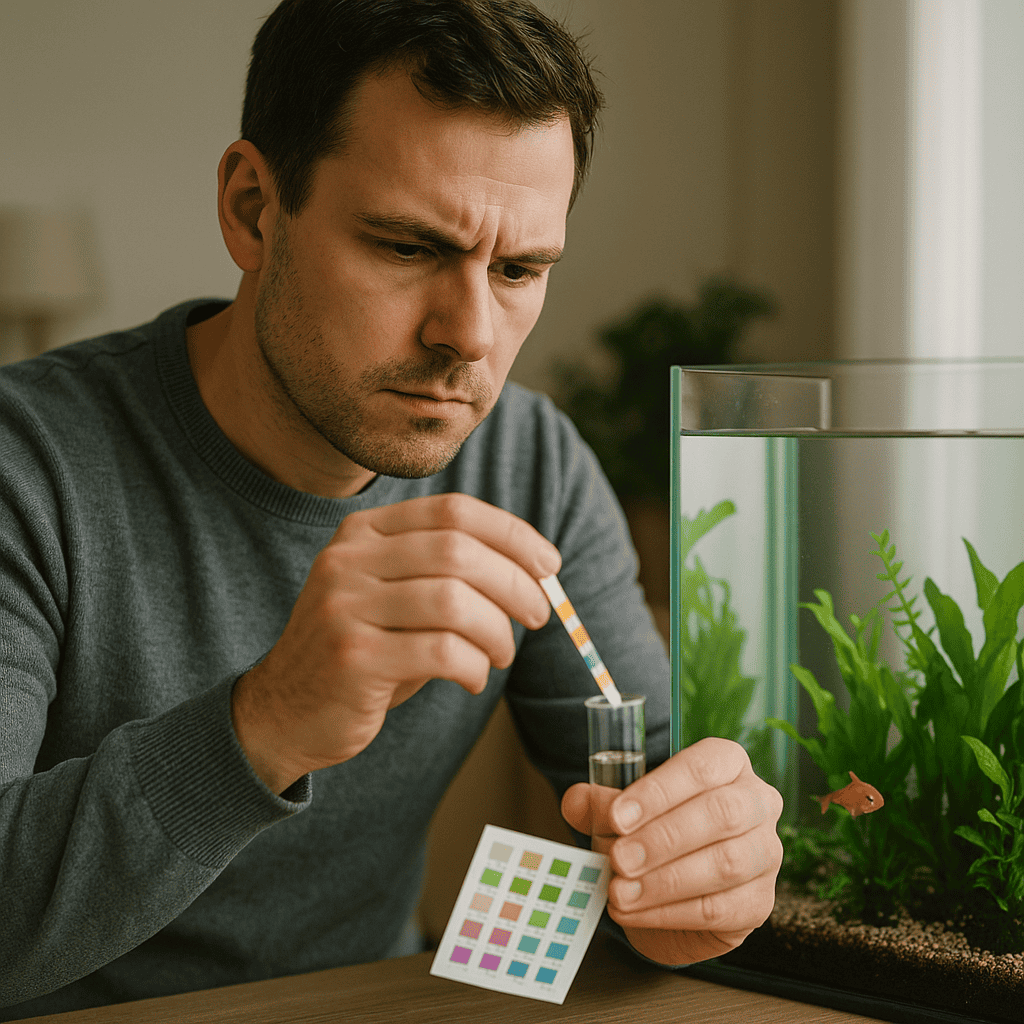
When I notice fungal infections on my Betta eggs, my first step is to promptly remove the affected ones to halt further spread. Next, I consider chemical treatments like methylene blue or hydrogen peroxide, ensuring I follow the recommended dosages for effective results. Maintaining excellent water quality during this process supports the health of the remaining eggs and prevents future infections of fish of a fungal nature.
Immediate Egg Removal
Fungal infections can quickly jeopardize the health of Betta eggs, so it’s important to act swiftly by removing any affected eggs. If I notice fuzzy growth on the eggs, I know it’s imperative to perform immediate egg removal to prevent the further spread of the fungus. Saprolegnia, the main culprit, thrives on dead matter, so maintaining good tank hygiene is essential. I always make sure to check for unfertilized or damaged eggs regularly.
While bath treatments can help, I prefer using separate enclosures to protect beneficial bacteria in the main tank. By monitoring closely and removing compromised eggs, I greatly reduce the risk posed to sick fish, guaranteeing a healthier environment for the remaining eggs and future fry.
Chemical Treatment Options
After addressing immediate egg removal, I turn my attention to chemical treatment options for any remaining infected Betta eggs. One effective method is using methylene blue at a dosage of approximately three ppm during incubation to combat fungal infections. Additionally, I apply hydrogen peroxide at around 1 ml per 3.5 liters on the first day, with a follow-up dose on day two to enhance its effectiveness against stubborn fungi.
It is vital to conduct these treatments in separate enclosures to protect beneficial bacteria in your filtration system. Remember, maintaining tank hygiene and monitoring water quality are key for supporting healthy fish and preventing future outbreaks. With care and diligence, we can support our bettas’ health and well-being.
Maintaining Optimal Conditions for Healthy Development
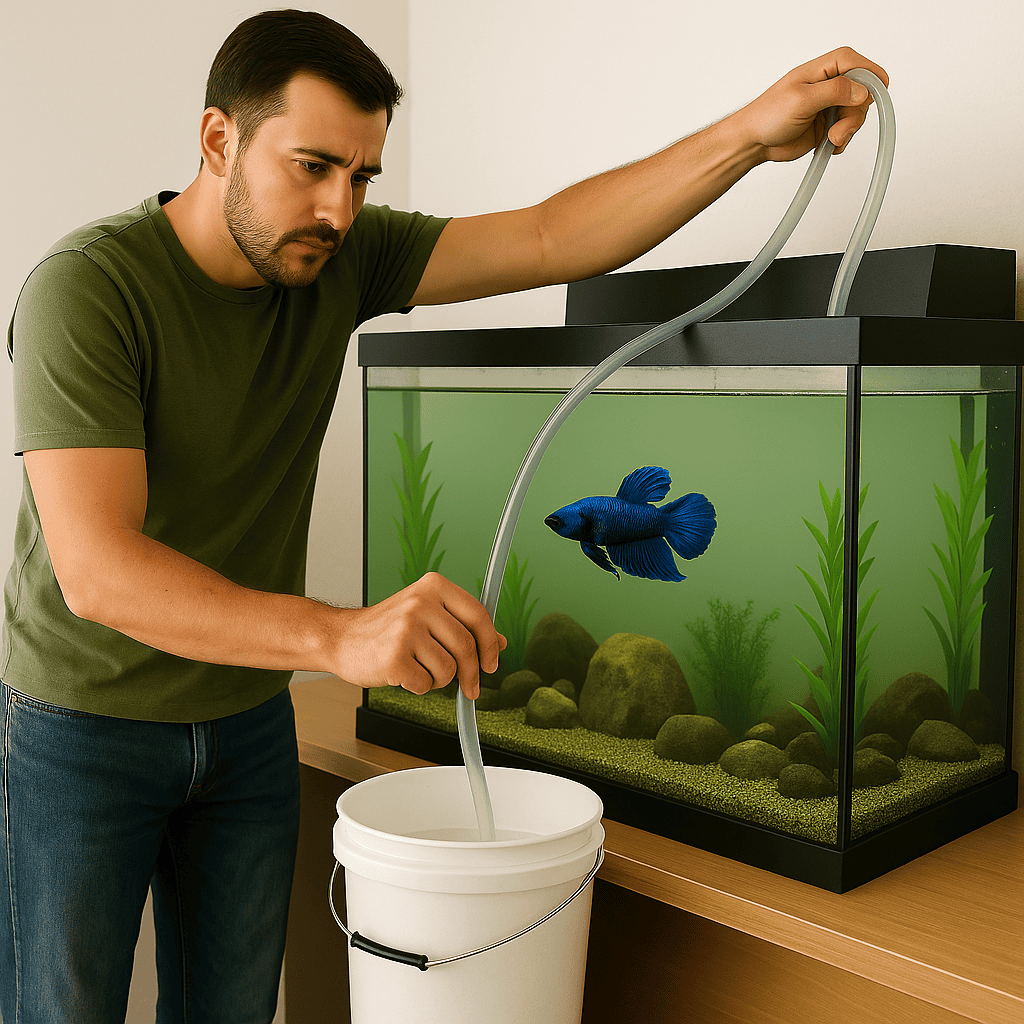
To guarantee the successful development of Betta eggs, I focus on maintaining specific conditions that greatly reduce the risk of fungal infections. I keep the water temperature between 76 °F and 82 °F, which promotes ideal egg development. Good water circulation and aeration are vital, so I make certain the breeding tank is well-oxygenated to prevent decay and fungal growth, thereby reducing infection in fish eggs.
I also monitor the eggs immediately, removing any unfertilized or damaged ones, as they attract harmful fungi like Saprolegnia. Regular water changes and effective filtration help maintain a clean environment, minimizing organic waste. Additionally, I consider using methylene blue at a safe concentration of around three ppm during incubation, as it protects healthy eggs and further reduces fungal risks.
Conclusion
In summary, preventing and treating fungal infections in Betta eggs requires vigilance and care. By understanding the symptoms and the factors that contribute to fungal growth, I can take proactive steps to guarantee my eggs develop healthily. Implementing effective prevention strategies and knowing the right treatment options empowers me to protect my precious
Betta fry from infections in fish breeding systems. Ultimately, maintaining ideal conditions will foster a thriving environment, allowing my bettas to flourish and grow into vibrant, healthy fish.