Transporting Betta Splendens can be stressful, so I always focus on minimizing trauma throughout the transport process. I ensure they’re in a secure, food-safe container filled with water conditioner–treated water at a stable temperature.
Insulating the container helps maintain warmth, and monitoring water quality is essential, keeping ammonia, nitrogen, and nitrite at zero. I observe their behavior for any stress signs, and adding a nutritious diet pre-transport can also mitigate stress. Explore more ways to support your betta fish during this journey.
Understanding Betta Fish Stressors
When transporting betta fish, it is vital to understand the various stressors that can affect their health and well-being. These beautiful ornamental fish often experience anxiety due to physical jolting, confinement in smaller containers, and sudden temperature changes, and thanks to their labyrinth organ, they can gulp surface air to cope with low oxygen.
Stress related to decreased levels of dissolved oxygen and dirty water from waste accumulation can further compromise their well-being. Maintaining ideal water quality is critical; even minor fluctuations can lead to health issues and behavioral changes. Proper preparation can help mitigate these stressors. For instance, using food-safe materials for the travel container and ensuring adequate ventilation can greatly reduce anxiety.
Remember, the right water volume—around 80 mL for a single male Siamese fighting fish—also plays a vital role in their survival during transit.
Preparing for Transport: Essential Steps
To guarantee a smooth transport for your betta fish, it’s essential to follow a series of crucial steps that prioritize their well-being. First, use a small, food-safe plastic container that’s half-full with water—aim for at least 80 mL—to guarantee adequate oxygen levels and maintain ideal water parameters. Make sure to securely lid the container with ventilation holes and monitor the water temperature with a thermometer probe to prevent fluctuations.
For insulation, wrap the container in a towel and consider a hand warmer during colder months. Finally, buckle the container in a seat or wedge it on the floor of your vehicle, minimizing jolts and movement that can stress your fish during transport.
Container Setup for Safe Travel
When setting up a container for transporting your betta fish, I can’t stress enough the importance of selecting the right size and ensuring it’s secure.
Proper ventilation and stability are essential to maintain a calm environment, while temperature management techniques can make all the difference in your fish’s comfort during the journey. Let’s explore how to create the best setup for safe travel.
Container Selection Importance
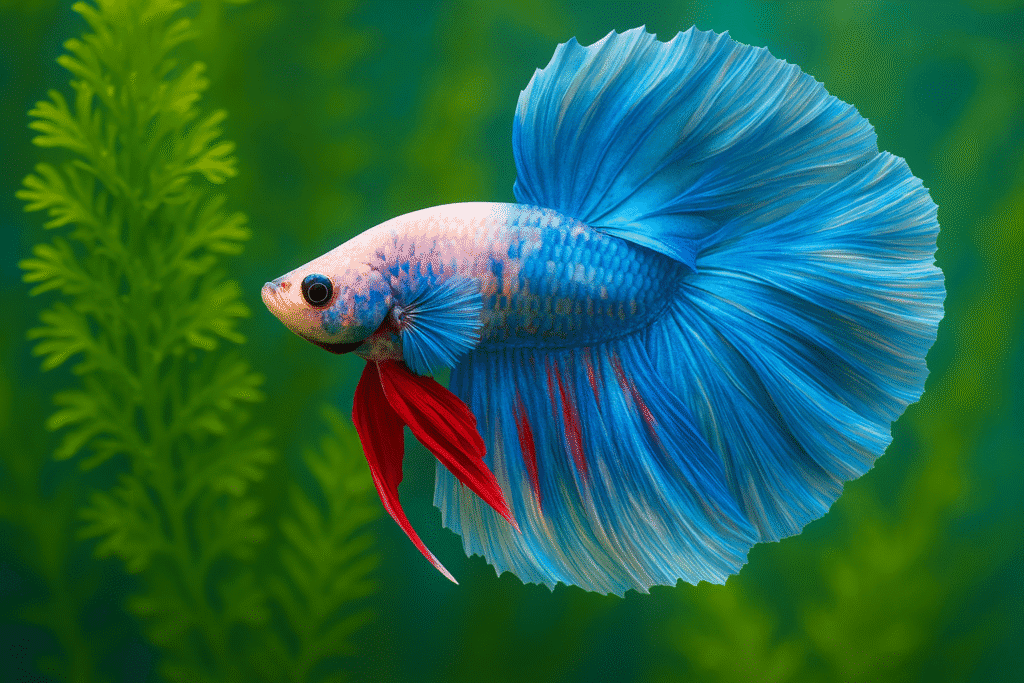
Selecting the right container for transporting your betta fish is essential for minimizing stress and ensuring their safety during transit. I recommend using a small, food-safe plastic container that holds 2.5 gallons or less. This size helps maintain stability, which is vital for your fish’s comfort.
Adding a bit of gravel at the bottom offers them a sense of security during the journey. Remember to punch holes in the lid for ventilation, allowing air exchange while preventing spills. For temperature regulation, wrapping the container in a towel can provide insulation, and a hand warmer can help in colder conditions. Finally, securely buckle the container in your vehicle to prevent jolting, which could greatly impact your fish’s well-being during transport.
Ventilation and Stability
While transporting your betta fish, ensuring proper ventilation and stability in the container is essential for their well-being. I recommend using a small, food-safe container filled to half capacity, ideally 2.5 gallons or less, to minimize water movement and stress. Punch holes in the lid for adequate ventilation while keeping the closure secure to prevent spills.
To enhance stability, place the container inside a box with high sides, using towels or blankets to prevent sliding or tipping during transport. Positioning the container close to the vehicle’s center of gravity helps reduce motion and vibrations. By prioritizing ventilation and stability, you can create a safer journey for your betta fish, ensuring they arrive healthy and stress-free.
Temperature Management Techniques
After ensuring proper ventilation and stability for your betta fish, the next step is managing the temperature during transport. I suggest using a half-full secure container, ideally 2.5 gallons or less, to minimize water movement, which can reduce stress. Make sure the container has a lid or splash-proof cover to maintain stable water conditions.
To help regulate temperature, wrap the container in a towel for insulation and monitor the water temperature with a digital thermometer featuring a remote sensor, adjusting your vehicle’s heat or AC as needed. During winter travel, placing a hand warmer between the towel and the container can prevent the water from getting too cold. Keeping your betta comfortable is essential for a safe journey.
Maintaining Water Quality During Transit
To guarantee your betta fish experiences minimal stress during transport, it’s crucial to maintain ideal water quality throughout the journey. Start by using 80 mL of clean, treated water, verifying ammonia nitrogen and nitrite levels are at 0, with nitrates below five ppm.
This optimal volume supports their welfare and minimizes trauma. Avoid frequent water changes during transit, as they can induce sudden stress; instead, confirm the water quality is perfect before departure. Monitor dissolved oxygen levels, too, since low oxygen can lead to significant health issues.
By prioritizing these factors, you’re not just transporting a fish; you’re caring for a living creature, making their journey as smooth and stress-free as possible.
Temperature Control Strategies
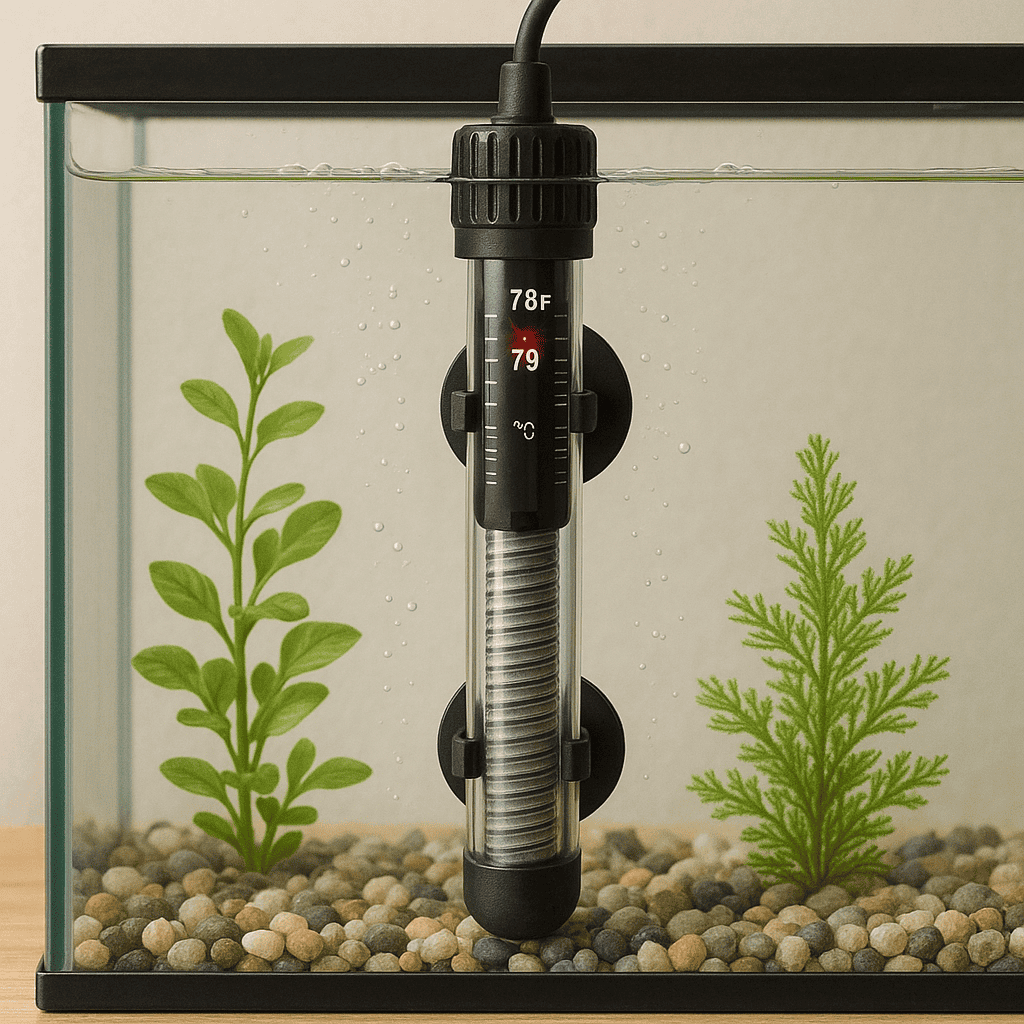
When transporting betta fish, I prioritize temperature control to minimize stress and guarantee their well-being. I find that using insulation techniques, like wrapping the container in a towel, helps maintain a stable temperature while monitoring it with a digital thermometer keeps me informed.
Additionally, I plan my travel to avoid rapid temperature changes, guaranteeing a smoother journey for my fish.
Insulation Techniques During Transport
While transporting betta fish, maintaining a stable water temperature is essential for their well-being. Here are some effective insulation techniques to evaluate:
- Wrap the container in a towel: This provides insulation, helping to keep the water temperature stable, especially in extreme weather.
- Use a hand warmer: Placing it between the towel and the container during colder months can prevent hypothermia, ensuring the fish stays warm.
- Secure the container: Buckling it into a seat or wedging it on the floor minimizes movement, protecting against jostling that can lead to stress and temperature fluctuations.
Monitoring Temperature Effectively
Monitoring the water temperature during transport is essential for ensuring your betta fish remains healthy and stress-free. I recommend using a digital thermometer with a remote sensor to keep an eye on the temperature inside the transport container, aiming for a stable range of 79-80 °F. To help keep the temperature consistent, wrap the container in a towel for insulation.
If you’re traveling in colder conditions, placing hand warmers between the towel and container can prevent drops that stress your fish. Additionally, securing the transport container by buckling it into a seat or wedging it on the floor minimizes movement and temperature fluctuations.
Strategically plan travel stops to check and adjust the temperature as needed, enhancing your fish’s comfort during the journey.
Avoiding Rapid Temperature Changes
To guarantee your betta fish experiences minimal stress during transport, it’s essential to avoid rapid temperature changes. Here are some strategies I’ve found effective:
- Monitor Temperature Fluctuations: Use a digital thermometer with a remote sensor to keep a constant check on the water temperature, ideally maintaining it within 1-2 °F.
- Insulate the Container: Wrap the travel container in a towel for insulation, protecting your betta from extreme cold or heat during the journey.
- Acclimate Slowly: Upon arrival, allow your betta to acclimate slowly to the new water conditions rather than making immediate changes, which can exacerbate stress.
Post-Transport Care for Betta Fish
When you transport betta fish, it’s important to prioritize their care immediately upon arrival to guarantee their well-being. Start by transferring them to a well-maintained tank, using treated water similar to that from their transport container. This gradual introduction helps them acclimate and minimizes shock.
Monitor for any signs of fin damage or disease, as stress during transit can weaken the immune system and exacerbate existing conditions. For minor fin injuries, treating them with aquarium salt can promote healing. Additionally, consider using preventative medications to enhance recovery.
Regularly observe your betta for behavioral changes, adjusting the tank conditions as necessary to support their health. Prioritizing post-transport care is essential for your betta’s long-term happiness and health.
Signs of Stress in Betta Fish
Recognizing signs of stress in betta fish is vital for their well-being, especially after transport. As a compassionate caretaker, I pay close attention to the following indicators:
Stress Lines: Teal stress lines may appear from the eye to the back fin, signaling significant anxiety, particularly during transport.
Color Changes: A dulling or darkening of the betta’s coloration can indicate stress, often stemming from environmental changes or handling.
Health Issues: White patches under the gills can signify health problems or stress related to poor water quality, while monitoring for fin rot is important, as it may develop about two weeks after relocation.
Nutrition and Feeding Considerations
While transporting betta fish, it’s important to focus on their nutrition to help mitigate stress and support their health. A protein-rich diet, including Bug Bites, frozen brine shrimp, and frozen bloodworms, is necessary for maintaining their resilience during travel. I incorporate vitamins like Vitachem to enhance their overall well-being, helping them cope with the stress of transportation.
Regularly observing their feeding habits is significant, as stress can impact appetite. Offering a varied diet—combining pellets with freeze-dried or frozen options—ensures they receive ideal nutrition. Finally, pay attention to their responses to food and make adjustments as needed, ensuring a peaceful tank environment and supporting their health throughout the journey.
Traveling With Betta Fish on Airplanes
Transporting betta fish on airplanes can be a challenging task, but with proper preparation, it can be a smooth experience. I’ve found that following these steps helps minimize stress for your fish:
- Confirm Airline Policies: Always check with the airline to verify that betta fish are allowed as carry-on items and inquire about specific container requirements.
- Use Proper Containers: Utilize secure, small food-safe bags containing adequate ventilation. Make sure they’re tightly sealed to maintain water quality.
- Stabilize Temperature: Wrap the container in a towel for insulation and monitor the water temperature with a thermometer probe.
- Once you arrive, transfer your betta fish to a proper tank and keep a close eye on their health.
Long-Term Welfare: Monitoring and Adjustments

As I monitor the long-term welfare of my betta fish after transport, I focus on ongoing behavior assessments and environmental stability checks. Observing any changes in their behavior or physical condition helps me catch stress indicators early. Ensuring consistent water quality and a secure habitat is essential for their overall well-being and comfort.
Ongoing Behavior Assessment
Regularly evaluating betta fish behavior after transport is essential for their long-term welfare. By observing key behavioral indicators, I can identify stress responses that may arise post-transport. Here are some effective acclimation strategies I’ve found helpful:
- Monitor Color Changes: Notice any fading or darkening, which can indicate stress levels.
- Assess Stress Lines: Look for horizontal lines on the body, signaling anxiety or discomfort.
- Check Environmental Adjustments: Guarantee minimal water flow and provide hiding spots to enhance comfort.
Environmental Stability Checks
Maintaining environmental stability is essential for the long-term welfare of betta fish after transport. I focus on maintaining consistent water parameters, like keeping ammonia and nitrite at zero and nitrates below 5.
Using a digital thermometer, I monitor water temperature to prevent rapid fluctuations that could induce stress. Gentle water changes upon arrival help minimize shock, avoiding immediate changes that could exacerbate stress-related health issues. Adequate aeration and minimal water flow during transport guarantee dissolved oxygen levels remain high, supporting fish health.
After transport, I regularly observe and adjust the tank environment by adding hiding spots and reducing vibrations. These practices greatly contribute to effective stress management, promoting the overall well-being of my betta fish.
Conclusion
In summary, minimizing stress during transport is vital for the well-being of your betta fish. By understanding their stressors and taking careful steps in preparation, container setup, and maintaining water quality, you can help guarantee a smoother journey.
Keep an eye out for signs of stress, and make necessary adjustments throughout the trip. Remember, your betta’s comfort and health should always come first, so take the time to plan ahead for a successful transport experience.