Understanding the Need for Culling Betta Fry
While it may be difficult to accept, understanding the need for culling betta fry is essential for anyone serious about breeding these beautiful fish. Culling helps maintain a strong breeding stock by eliminating weak or deformed individuals that may struggle in a competitive environment.
Observations of deformities often start as early as 1–2 weeks, prompting me to assess which fry should be culled. By around 10 weeks, breeders typically perform a second cull to guarantee the healthiest fry reaches adulthood. Alternatives exist, like offering deformed fry as feeder fish, easing ethical concerns.
Identifying Deformities and Health Issues
When observing Betta fry, it is important to look for common deformities like bent spines and fin issues that can appear as early as one to two weeks old. Monitoring their behavior, such as swimming straight or maintaining buoyancy, helps identify potential health problems that may require culling. I perform regular checks on growth and eye deformities to focus on the healthiest fry.
Common Deformities in Fry
Culling betta fry often hinges on identifying common deformities that can greatly impact health and quality of life. I closely observe fry for specific signs that may necessitate culling:
- Bent spines: Indicate underlying structural issues hindering development.
- Swim bladder disorders: Cause buoyancy problems, leading to floating or swimming struggles.
- Eye deformities: Cloudiness or improper shapes can signal genetic issues affecting survival.
- Finnage abnormalities: Malformed fins or fin rot are critical indicators of health.
- Early identification: Noticing these deformities in the first few weeks is essential for maintaining quality.
Health Monitoring Techniques
Effective health monitoring techniques are essential for ensuring the well-being of betta fry and identifying potential deformities early on. Regular monitoring for visible deformities, like bent spines or unusual body shapes, helps signal health issues that may necessitate culling.
I assess swimming behavior, noting any fry that struggles to swim upright or displays erratic movements, which could indicate underlying health problems. Proper lighting allows for better visibility, aiding in the detection of subtle issues. Keeping detailed records of fry development enhances future breeding practices, ultimately improving stock quality.
Observational Culling Criteria
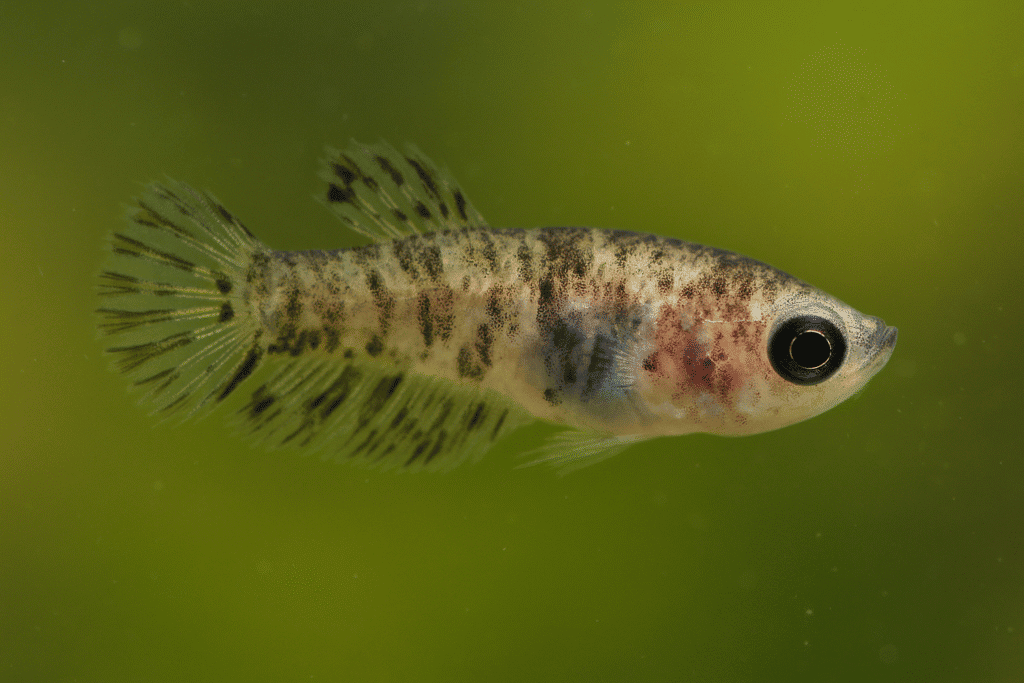
As I observe betta fry, the focus is on identifying any deformities or health issues that might hinder growth and development. Implementing observational culling criteria is vital for maintaining a healthy stock. Key aspects to look for include:
- Bent spines indicating structural deformities
- Swimming difficulties reflecting potential health concerns
- Body shape assessments for overall growth potential
- Eye conditions that may signal underlying issues
- Finnage quality to guarantee breeding excellence
Culling Methods: An Overview
Breeders often employ various culling methods to ensure the health and importance of their stock. One common approach involves assessing physical deformities like bent spines or swimming issues as early as 1–2 weeks old. For fry that doesn’t meet these standards, humane euthanasia is sometimes necessary.
Clove oil serves as an effective method for this process, requiring just 1–2 drops for sedation and 5–7 drops for euthanasia, typically completed within 5 minutes. Alternatively, I offer deformed fry as feeder fish or find them new homes, balancing emotional challenges with responsibility.
Step-by-Step Guide to Using Clove Oil
Preparing for Clove Oil
I recommend gathering the following materials first:
- 1–2 liters of water from the fry’s tank
- A small covered container
- Clove oil (enough for both sedation and euthanasia)
- A separate cup for mixing solutions
- A timer
Sedation and Euthanasia Steps
Culling betta fry with clove oil involves a clear, methodical approach to ensure a humane process. First, mix 1–2 drops of clove oil with water in a separate cup, then pour it into the container with fry, covering it immediately to minimize air exposure. Within 1–2 minutes, the fry typically shows signs of sedation, indicating readiness for the next step.
A stronger mixture of 5–7 drops of clove oil is then added for euthanasia. I observe for any gill movement to confirm effectiveness, ensuring the process completes within 5 minutes and handling fry gently to reduce stress.
Post-Euthanasia Handling Tips
After euthanasia, I follow these steps to guarantee respect and hygiene:
- Wait for no gill movement to confirm humane euthanasia.
- Wash hands and any equipment thoroughly to prevent contamination.
- Dispose of the fry respectfully by burying or using a designated area.
- Perform the process in a quiet, distraction-free environment.
- Document the culling process and reasons for decisions to enhance breeding practices.
Emotional Impact of Culling Decisions
While I understand the necessity of culling deformed or weak fry, the process can be overwhelming. The reality of euthanizing fish that might suffer due to deformities often involves guilt and sadness. However, solace can be found in community support, sharing struggles with fellow breeders who validate feelings and approaches to humane methods like using clove oil, and helping breeders approach the process with compassion.
Alternatives to Culling: Finding New Homes
Finding new homes for betta fry that don’t meet breeding standards can be a compassionate alternative to culling. As breeders, many opt to offer deformed fry as feeder fish, contact local fish stores, engage with online communities, connect with aquarist groups, or share experiences on social media to find interested adopters. I explore these options to ensure every fry has a chance at life while easing emotional burdens.
Ethical Considerations in Breeding Practices

Rehoming betta fry that doesn’t meet breeding standards raises important ethical considerations. Breeders grapple with the moral dilemma of culling deformed or weak fry to ensure the overall health of their stock.
I recognize the need for humane practices, such as using clove oil, and explore alternatives like rehoming or using deformed fish as feeders to navigate these decisions compassionately. It’s essential to balance the welfare of individual fish with the responsibility to produce strong, healthy offspring.
Community Support and Shared Experiences
Connecting with fellow breeders highlights the essential role of community support in navigating the emotional landscape of culling betta fry. Shared experiences provide insights and reassurance. The community fosters empathy, advice on culling criteria, and success stories that inspire hope, collectively shaping better practices and advocating for compassion and understanding. I value these connections for support.
Conclusion
Culling betta fry is a challenging but sometimes necessary aspect of breeding. Understanding the reasons behind culling, identifying health issues, and employing humane methods enables informed decisions. While it’s an emotionally taxing process, exploring alternatives like finding new homes can alleviate some burdens.
Ultimately, I believe ethical practices and community support are vital for navigating these tough choices and ensuring the well-being of both individual fish and breeding programs.