In my exploration of Betta fish’s original environment, I discovered they thrive in the shallow waters of rice paddies. These habitats are rich in organic matter and host dense plant life, essential for their comfort and survival. For proper tank setups, mimicking this biotope with similar conditions can greatly enhance their well-being. If you’re enthusiastic to learn how to replicate this unique habitat effectively, there’s much more to uncover.
Natural Habitat of Betta Fish
When we consider the natural habitat of betta fish, it becomes clear that these creatures are not just suited for small tanks, as many might assume. Betta splendens thrive in shallow waters of rice paddies, peat swamps, and slow streams across Southeast Asia, particularly Thailand. Their natural habitat features stagnant water enriched with organic matter, providing a nutrient-rich substrate that supports diverse vegetation.
This dense plant life, including various rhizome plants, offers fundamental shelter and food sources, allowing bettas to exhibit their natural behaviors. Contrary to popular belief, these fish are adapted to larger environments, swimming long distances in their native waters, which ultimately contributes to their health and vigor. Understanding their habitat is essential for anyone looking to serve their needs effectively.
Essential Tank Setup for Betta Fish

Creating an ideal tank setup for Betta fish is essential for their health and happiness, as these fish thrive in environments that closely resemble their natural habitats. I recommend a minimum tank size of 2.5 gallons, ideally longer, to provide ample swimming space. Maintain a water level between 78-82 degrees Fahrenheit, as Betta fish are tropical and need warmth. Incorporate a filter to keep the water clean, ensuring high water quality to prevent stress.
Using a substrate that mimics their natural environment enhances the aesthetic. I also suggest adding live aquarium plants like Java moss or Cryptocorynes, which not only improve water quality but also create a comforting environment reminiscent of rice paddies, enriching the Betta fish’s living experience.
Importance of Water Quality and Temperature
Water quality and temperature are fundamental elements in guaranteeing the health of Betta fish. These vibrant creatures thrive in well-oxygenated environments, so maintaining clean water is essential. I recommend regular water changes, ideally a couple of gallons weekly, to prevent harmful toxins from accumulating. The ideal temperature for Betta fish ranges from 78-82 degrees Fahrenheit, with an acceptable span between 75-85 degrees Fahrenheit.
Lower temperatures can induce lethargy and stress. A reliable heater is necessary to maintain stable conditions, as fluctuating temperatures can jeopardize their health. Additionally, Betta fish possess a labyrinth organ, allowing them to breathe air from the surface, making it critical to avoid stagnant water that compromises overall water quality. Rice plants can be incorporated to help maintain these optimal conditions.
Plant Selection and Maintenance for Biotope
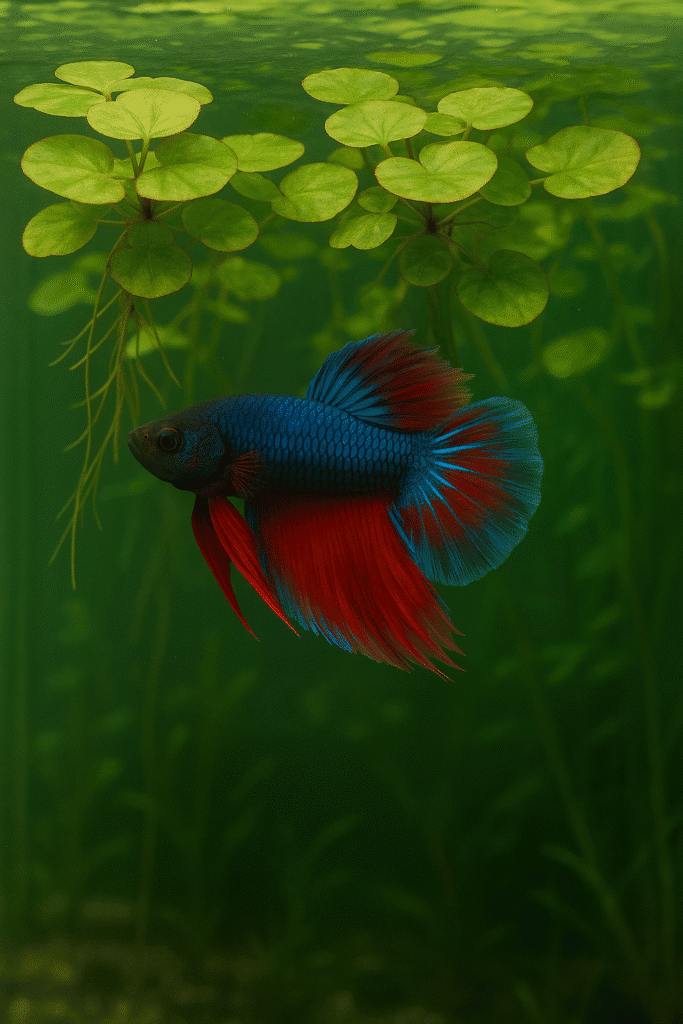
Maintaining ideal water quality and temperature lays the groundwork for a suitable habitat, but selecting the right plants considerably enhances a Betta fish biotope. I recommend incorporating stem plants like Blyxa spp., Hygrophila corymbosa, and Java fern, which mimic the natural vegetation found in rice paddies. For effective plant selection, use an appropriate substrate, such as organic potting soil or clean sand, with a depth of at least 6 inches to support root growth.
Regular maintenance is crucial; ascertain your lighting provides around 62 watts T5 to promote health. The Banana plant serves as an excellent choice for creating natural hiding spots. Including floating plants like Nymphaea stellata adds aesthetic appeal while offering shade. Finally, commit to weekly water changes, maintaining minimal water movement to replicate the stagnant conditions of their native habitat.
Community Engagement and Future Projects
While engaging with community forums, I’ve found that sharing experiences and insights can greatly enhance our understanding of Betta fish biotope setups. The forum community dedicated to replicating the native environment fosters collaboration. Anubias plants are particularly popular among enthusiasts for their hardy nature and can be placed on driftwood. Documenting progress through blogs not only raises awareness but inspires others to undertake similar projects.
Baby sword plants provide excellent foreground coverage in these setups. Participation in local aquarist groups offers invaluable advice on plant selection and water management tailored for Betta care. Looking ahead, experimenting with hybrid aquaponics systems that integrate Betta fish care with background plant growth promotes sustainability and reinforces ecological balance in our setups.
Conclusion
In crafting a rice paddy betta biotope, I’ve realized the importance of replicating their natural environment. By focusing on water quality, temperature, and carefully selected plants, one can create a thriving habitat that mirrors their original ecosystem. The cryptocoryne plant offers excellent coverage, while easy-to-grow stem plant varieties provide beginner-friendly options. For larger setups, a massive sword plant can serve as a stunning centerpiece.
Whether starting from bulb plants or using a plant cutting, each addition should be considered an ideal plant for the biotope. This project not only enriches the lives of bettas but also deepens understanding of their needs. I’m excited to engage with the community and explore future projects that celebrate and preserve these fascinating fish.