Betta fry growth stages begin with hatching, where they rely on yolk sacs for nutrition. By Day 3, I’ll introduce external foods like microworms and baby brine shrimp. As they develop their gills and improve sensory capabilities, monitoring their behavior is essential to prevent aggression.
During Weeks 2-3, shift them to a larger tank and maintain water parameters through regular changes. Each phase is vital for their growth, so there’s more to explore in their development.
Hatching and Initial Care
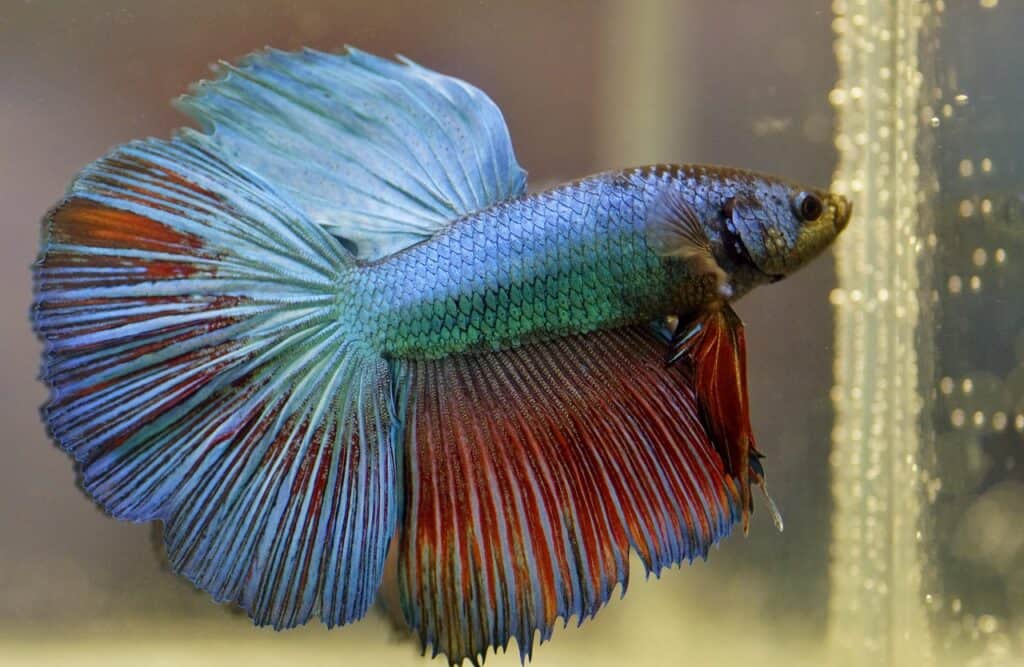
As the fertilized Betta eggs hatch within 25-30 hours at a temperature of 28-30°C, I observe the tiny fry, known as wigglers, emerging. During the initial 2-3 days, these fry don’t require feeding, as they rely on their egg yolk for nourishment.
It’s important for them to stay close to the bubble nest for warmth and safety. Male Betta fish play an essential role here, retrieving any fallen fry and returning them to the nest, ensuring their protection. Shortly after hatching, the fry develops adhesive glands above their eyes, allowing them to anchor themselves to the nest.
As they reach the free-swimming stage around day three, removing the male parent is critical to prevent aggression and promote Betta fry growth.
Week 1 Feeding and Maintenance
During the first week of Betta fry care, it’s vital to establish a consistent feeding and maintenance routine to guarantee ideal growth, including a gentle sponge filter to ensure safe water movement.
Initially, the fry rely on their yolk sacs for nourishment, so external feeding isn’t necessary until around Day 3. Once they’ve absorbed their yolk sacs, I feed them 3-4 times daily with suitable foods like microworms, vinegar eels, or infusoria to promote healthy growth.
Additionally, perform daily water changes of 10-20% to maintain water quality and prevent bacterial infections. Keeping the water shallow is significant, as it supports the fry’s swimming ability and reduces stress. Finally, cover the tank to trap humidity, which aids in the development of their labyrinth organs.
Growth and Development (Weeks 2-3)
In Weeks 2 and 3, I focus on the dietary and environmental needs of Betta fry to support their growth and development effectively. Here’s how to guarantee their ideal condition:
- Introduce live baby brine shrimp (BBS) alongside microworms for a balanced diet.
- Maintain clean water by performing gentle gravel vacuuming to keep the tank environment healthy.
- Shift fry to a grow-out tank of 10-20 gallons by the end of Week 3 for adequate space and reduced stress.
- Monitor fry behavior closely, as increased swimming activity may lead to signs of aggression; separate dominant individuals to prevent fighting and avoid stress when adding a female betta.
Early Sensory Development and Dependence on the Bubble Nest
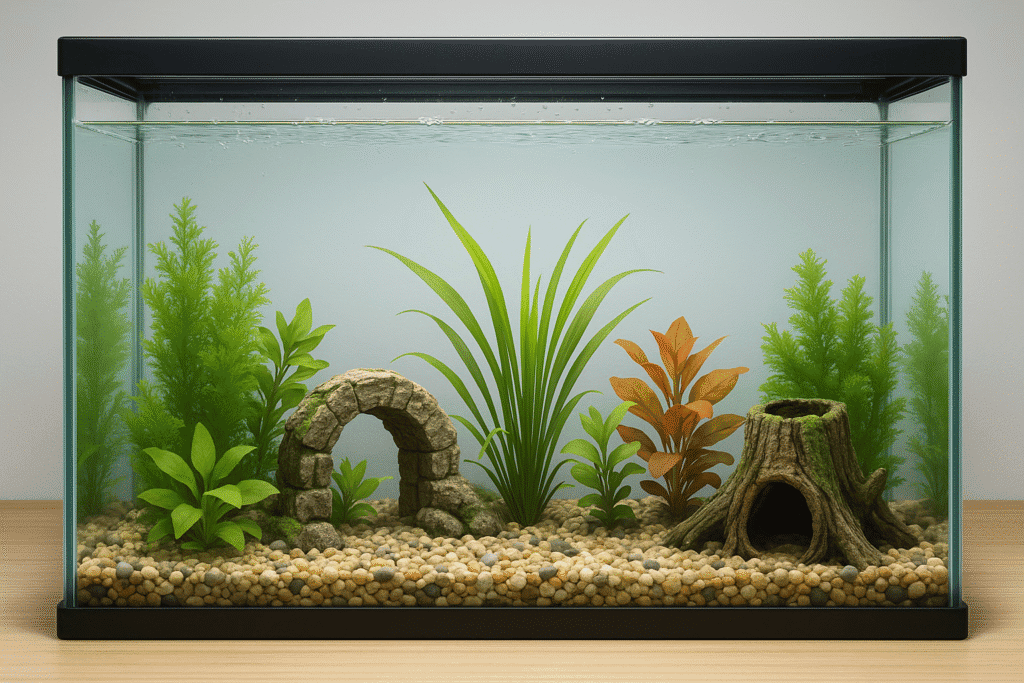
Betta fry begin their journey in a delicate state, measuring just over 2.4 mm at hatching. At this stage, their nearly closed mouths and translucent bodies make them heavily reliant on their environment for survival.
Within the first 24 hours, I observe that fry development progresses as they develop a limited sense of smell and slight eye pigmentation, marking the onset of sensory development. The adhesive glands above their eyes anchor them to the bubble nest, essential for preventing drift and bacterial exposure.
During these early days, they depend on the bubble nest for safety and security, relying on the male Betta for protection. As their sensory capabilities improve, they gradually begin to explore their surroundings, shifting from total dependence.
Developing a Mouth: The First Step Towards Independence
As the fry approach 17 hours post-hatching, I note they begin to open their mouths, marking an essential milestone in their journey toward independence. This development is pivotal for raising Betta fry effectively. Here are key points to reflect on:
- Feeding: By Day 3, the yolk sac is fully absorbed, and it’s time to introduce external food sources like microworms or live Artemia nauplii.
- Movement: Early swimming consists of reflexive jerks, evolving into controlled movements by Day 2 or 3.
- Gill Development: Shortly after hatching, fry starts developing gills, which supports their increasing activity.
- Feeding Frequency: Small, frequent feedings are essential, as stationary foods may not be effectively detected by developing mouths.
This stage sets the foundation for their successful growth.
Goodbye, Adhesive Glands: Transition to Free-Swimming Fry
I observe that as the betta fry reach 2-3 days post-hatching, they begin to shift away from their adhesive glands, marking a vital step towards independence. This change allows them to swim freely and explore their surroundings, reducing their dependency on the bubble nest. It’s essential to introduce live foods at this stage to support their growth and development.
Fry Dependency Reduction
Once they hatch, Betta fry rely on adhesive glands above their eyes to cling to the bubble nest, guaranteeing their safety under the male’s care. Around Day 3, I noticed significant fry dependency reduction as they made remarkable strides toward independence. Key developments include:
By 24-30 hours post-hatching, the fry starts evolving to a free-swimming state.
- Around Day 2-3, they achieve neutral buoyancy and swim horizontally.
- As they consume their yolk sacs, they begin seeking external food sources.
- This change allows for the safe removal of the male Betta, letting the fry explore independently.
Free-Swimming Transition Importance
I find this free-swimming shift typically occurs around Day 2 or 3 post-hatching, marking a significant phase in Betta development. During this time, the adhesive glands above the fry’s eyes dissolve, allowing the fry to swim freely.
As they approach this stage, they develop neutral buoyancy, enhancing their swimming coordination. By Day 3, the fry should fully shift to free-swimming and can be introduced to live foods like microworms or Artemia nauplii.
It’s essential to remove the male Betta at this stage to prevent aggression, ensuring the fry’s survival and ideal growth. This period is significant for fostering healthy, thriving Betta fry.
Days 3 to 6: Finding First Foods, Feeding Frequently
By Day 3, with their yolk sacs fully absorbed, Betta fry enters a fundamental phase where independent feeding becomes essential for their growth. I recommend introducing them to small foods like microworms or live Artemia nauplii immediately. This stage is critical, so follow these steps:
- Feed the fry 3-4 times daily to meet their nutritional needs.
- Observe their swimming abilities; they actively search for food by now.
- Maintain pristine water conditions; daily changes of 10-20% are essential.
- Monitor their growth closely; adjust feeding amounts as necessary.
These steps will support healthy development, ensuring your fry thrives during this delicate feeding phase. Your attention to their needs will make a significant difference in their growth journey.
Gill Development in Betta Fry
I observe that as Betta fry progresses through their early days, gill development becomes a crucial aspect of their growth. This process begins around Day 3, marking a critical shift from skin absorption of oxygen to the formation of functional gills.
By Day 10, the gills are fully developed, enabling the fry to support increased activity levels and swim more efficiently. It’s fascinating to note that the maturation of the circulatory system, occurring roughly 6.5 days post-hatching, enhances their ability to process oxygen through these developing gills.
Maintaining ideal water quality and conditions during this phase is essential for ensuring healthy growth and respiratory function in Betta fry. Proper care during gill development lays the foundation for their future health and well-being.
Maturity of the Circulatory System: Betta Fry Growth Days 6 to 10
How does the maturation of the circulatory system impact Betta fry during their growth? I observe that during days 6 to 10, the maturity of the circulatory system marks a significant phase in early development. This advancement enables efficient blood flow and nutrient distribution, which is essential for their survival. Here are some key developments during this period:
- By 6.5 days, the circulatory system matures, enhancing nutrient delivery.
- Neuromasts develop, improving their ability to sense water movement.
- By Day 10, gills become fully functional, allowing for more active swimming.
- Dorsal and anal fins start to form, promoting stability and movement.
- Monitoring their health during this stage is critical, as increased activity indicates their growing independence and adaptation to the environment.
Becoming Miniature Bettas: Days 10 to 14
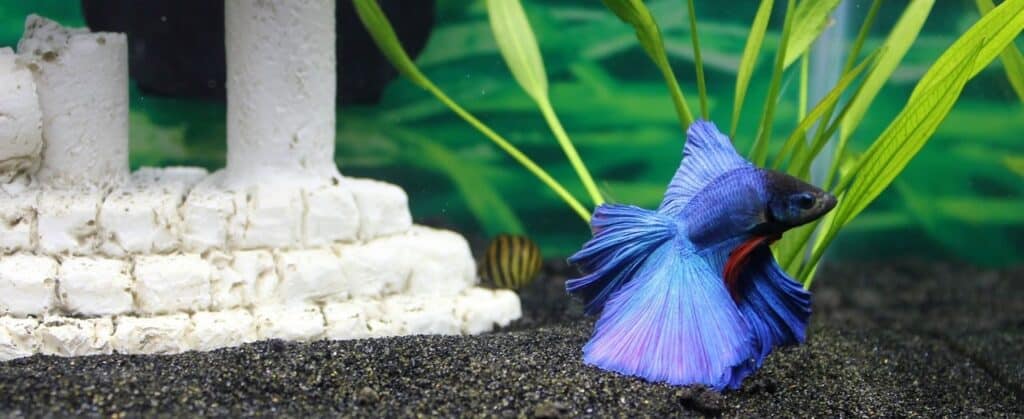
By Days 10 to 14, I notice that Betta fry are becoming increasingly independent and active, showcasing their newly developed gills and fins. This growth phase requires close attention to their nutritional needs as they shift from relying on yolk sacs to actively seeking external food sources. Monitoring their health during this period is essential, as increased activity indicates their readiness for juvenile development.
Increased Independence and Activity
I note that once Betta fry reaches Day 10, they begin to exhibit remarkable changes that signal their growing independence and activity. During this phase, you’ll notice several key developments:
- Functional Gills: Their gills fully develop, allowing for effective swimming in the water column.
- Increased Exploration: Fry becomes more confident, showcasing enhanced swimming and exploration behaviors.
- Fin Development: Dorsal and anal fins begin to take shape, contributing to their stability and movement.
- Resembling Miniature Bettas: By Day 14, they start resembling miniature adult Bettas, displaying initial coloration and a more defined body structure.
This stage is essential as they shift from relying on yolk sacs to seeking external food sources, marking their journey toward greater independence.
Nutritional Needs and Feeding
As Betta fry becomes more independent and displays increased activity, their nutritional needs shift markedly. By Day 10, they’ve fully functional gills and change from yolk sac dependence to external feeding sources. At this stage, it’s vital to introduce live foods, such as live artemia and microworms, to support their rapid growth and development. I recommend feeding small amounts 3–4 times daily to guarantee they receive sufficient nutrients.
As their swimming and exploratory behaviors increase, they’re ready for a varied diet. However, keep a close eye on water quality; more frequent feeding can lead to waste buildup, so regular water changes are essential to maintain a healthy environment for your fry.
Conclusion
In conclusion, I find that understanding the week-by-week growth stages of betta fry is essential for providing the best care. From the initial hatching phase to developing essential traits like gills and a functioning mouth, each stage requires specific attention and feeding strategies. By monitoring their progress through these early weeks, you can guarantee that your Betta fry develops into healthy, vibrant adult fish ready for their new environment. With the right care, your bettas will thrive and flourish.