In my experience, ethical betta breeding hinges on prioritizing quality over quantity. Focusing on strong genetic traits enhances fish health and prevents issues like swim bladder disorders common in double-tailed varieties. Selecting healthy fish and ensuring genetic diversity can foster robust offspring.
I find that maintaining aesthetic appeal shouldn’t compromise the welfare of the fish. By committing to responsible practices, we can improve the breeding community and promote long-term health benefits for these beautiful creatures. There’s so much more to explore.
Understanding the Importance of Ethical Breeding Practices

When I think about the importance of ethical breeding practices for bettas, I realize that these practices are essential for ensuring the health and welfare of the fish. Prioritizing quality over quantity is fundamental; each breeding pair should be selected for their strong genetic traits and overall vitality.
This focus not only improves the breed’s long-term health but also enhances the quality of life for the individual fish. However, the allure of extreme physical traits can lead to significant health issues, like swim bladder problems in double-tailed bettas.
Responsible breeders must implement culling practices to maintain a robust genetic line and continuously educate themselves on the genetic implications of their breeding choices to foster healthier bettas for the community.
Selecting Healthy Bettas for Breeding
When selecting healthy bettas for breeding, I focus on evaluating their physical traits and overall health indicators. It’s essential to avoid fish with deformities or poor body shapes, as these traits can affect the viability of the fry. Additionally, considering genetic compatibility helps guarantee that I’m pairing traits that will produce strong and vibrant offspring.
Assessing Physical Traits
Selecting healthy bettas for breeding requires careful assessment of their physical traits, as these characteristics greatly influence the well-being and quality of the offspring. When I choose my breeding stock, I prioritize male bettas with strong, symmetrical fins and vibrant colors, traits that are likely to be inherited by the fry.
For females, I look for a balanced body structure and signs of robustness, essential for producing healthy offspring. It’s important to avoid fish with weak or drooping fins, as these traits can negatively affect offspring health. Additionally, pairing complementary physical traits, like expansive fins in males with shorter fins in females, can enhance the development of well-formed fry while improving aesthetic quality.
Health Indicators to Observe
Healthy bettas display specific indicators that are imperative for successful breeding. When selecting your breeding stock, I focus on physical traits that signal quality health. Here’s a quick reference table:
| Indicator | Details |
|---|---|
| Fins | Strong, symmetrical, well-developed, no damage |
| Color | Vibrant, consistent hues |
| Body Structure | Balanced, no signs of illness or lethargy |
I always guarantee that males have robust fins while females exhibit energy and balance. Observing their behavior is essential; active bettas indicate good health, while lethargy can signal problems. Avoid those with genetic weaknesses, as these traits can affect fry health. Prioritizing these health indicators leads to better breeding outcomes.
Genetic Compatibility Considerations
Understanding genetic compatibility is essential for successful betta breeding, as it directly influences the health and quality of the fry. When selecting breeding pairs, I focus on strong traits: male bettas should display vibrant colors and strong fin structures, while females need a balanced body and good health.
This combination not only enhances aesthetic appeal but also improves the offspring’s quality. I also avoid pairing extreme traits, as this can lead to health issues in the fry. For instance, pairing a male with expansive fins and a female with shorter fins helps balance fin development.
By prioritizing genetic compatibility in my breeding practices, I aim to produce healthier, more vibrant bettas, ultimately serving the community better.
The Role of Genetic Integrity in Breeding

In my experience, maintaining genetic diversity is essential for the health of bettas, as it helps avoid inbreeding issues that can lead to serious health problems. When selecting breeding pairs,
I focus on fish that not only exhibit desirable traits but also come from different genetic lines to promote stronger offspring. This approach not only enhances vitality but also supports ethical breeding practices that prioritize the well-being of the fish.
Maintaining Genetic Diversity
Maintaining genetic diversity is crucial for the health and longevity of betta populations, as it helps prevent the detrimental effects of inbreeding. By prioritizing genetic integrity, we can avoid serious health issues that compromise their well-being. Here are three key reasons to focus on genetic diversity:
- Reduced Health Issues: Inbreeding can lead to deformities like swim bladder problems, affecting fry’s survival.
- Enhanced Vigor: Outcrossing introduces new bloodlines, improving resilience and robustness.
- Sustainable Breeding: A diverse gene pool fosters future generations of healthier fish.
As responsible breeders, we must track pedigrees and make informed pairing decisions. This commitment not only benefits individual fish but also promotes a thriving betta community for all.
Selecting Breeding Pairs
Selecting the right breeding pairs is a foundational step in fostering genetic integrity within betta populations. When I’m selecting breeding pairs, I prioritize males with strong fin traits and vibrant colors.
This not only enhances the aesthetic appeal but also promotes genetic diversity. For females, I look for balanced body structures and robust health, as these traits contribute to the liveliness of the fry. Pairing a male with expansive fins with a female having shorter fins can improve fin development while maintaining quality traits.
It’s essential to avoid weak or deformed fish, as they can pass on undesirable traits. By choosing complementary traits, I guarantee that future generations are resilient and of high quality, supporting the overall health of the population.
Avoiding Inbreeding Issues
To guarantee a thriving betta population, I focus on avoiding inbreeding issues that can arise from limited genetic diversity. As breeders, we have a responsibility to maintain genetic integrity. Here are three key practices I follow:
- Introduce Unrelated Stock: I consistently bring in unrelated fish to enhance genetic diversity and combat inbreeding.
- Culling Weak Specimens: I prioritize health by culling weak or malformed fish, ensuring only the best contribute to future generations.
- Regular Genetic Assessments: I keep detailed lineage records and conduct assessments to monitor potential inbreeding issues.
Common Health Issues in Bettas and Their Impact
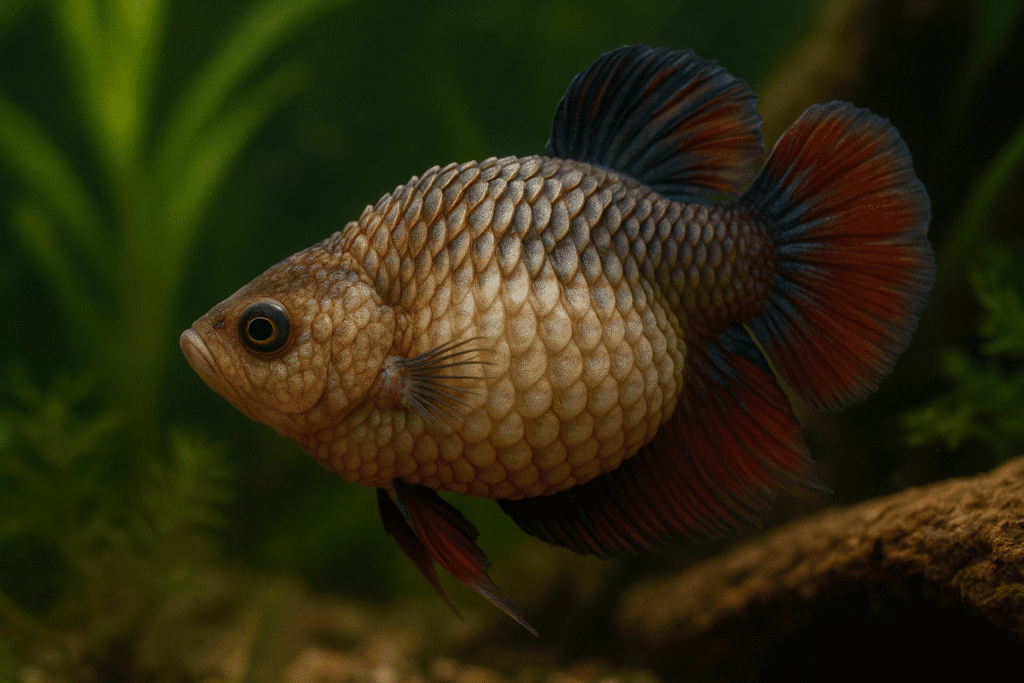
While it’s tempting to focus solely on the aesthetic appeal of bettas, understanding their common health issues reveals the significant impact of breeding practices on their well-being.
Many bettas suffer from swim bladder disorders, particularly double-tail varieties, which are often genetically predisposed to buoyancy issues.
Fin rot is another prevalent condition, exacerbated by selective breeding for long fins, leading to increased injuries. Overbreeding can heighten susceptibility to diseases, affecting their quality of life compared to wild bettas.
Furthermore, neurotic behaviors linked to stress from poor conditions and genetic deformities compromise their welfare.
These health issues highlight the ethical implications of prioritizing aesthetic traits, urging us to reflect on animal welfare as a fundamental aspect of responsible breeding practices.
Aesthetic Appeal vs. Fish Welfare
When breeding bettas, I often grapple with the tension between aesthetic standards and the welfare of the fish. While it’s tempting to prioritize striking colors and fin shapes, I can’t ignore the health issues that can arise from selective breeding practices. It’s essential to adopt ethical breeding practices that balance visual appeal with the long-term well-being of these creatures.
Ethical Breeding Practices
As we explore the domain of betta breeding, it becomes clear that ethical practices must take precedence over the pursuit of mere aesthetic appeal. Prioritizing health and welfare is vital for fostering strong and vibrant fish. Here are three key considerations:
- Extreme tail shapes can lead to chronic health issues, such as swim bladder disorders.
- Maintaining genetic diversity prevents inbreeding depression, safeguarding future generations.
- Responsible culling practices guarantee only the healthiest bettas contribute to breeding.
Aesthetic Standards Dilemma
The dilemma between aesthetic standards and fish welfare in betta breeding is a pressing issue that challenges the integrity of the practice. As breeders, we often find ourselves torn between creating visually striking betta species and ensuring their health.
While double-tail bettas may dazzle with their beauty, they frequently suffer from swim bladder issues, adversely affecting their quality of life. Additionally, selective breeding can lead to fin deformities, increasing susceptibility to injuries and fin rot.
Ethical concerns arise when aesthetic appeal takes precedence over the well-being of these fish. We must navigate this complex landscape, aiming for a balance that prioritizes the long-term health and happiness of our bettas while still honoring their inherent beauty.
Responsible Practices for Breeders
While breeding bettas can be a rewarding endeavor, it is essential to approach it with a strong commitment to responsible practices that prioritize the health and well-being of the fish. As ethical breeders, we must focus on:
- Selecting breeding pairs based on strong physical traits and genetic diversity to enhance offspring quality.
- Keeping meticulous records to track genetic traits and health outcomes, ensuring only healthy fish are bred.
- Implementing culling practices thoughtfully, removing only those that don’t meet specific quality standards.
The Importance of Balanced Trait Pairing

When I consider the significance of balanced trait pairing in betta breeding, it becomes clear that this practice not only enhances the aesthetic qualities of the fry but also promotes their overall health.
By thoughtfully combining the strengths of both male and female fish, I can produce offspring that reflect balanced traits, such as a male with expansive fins paired with a female boasting strong body structure.
This strategic breeding approach mitigates the risk of health issues that may arise from extreme traits. Additionally, selecting a vibrant male and a more subdued female can enhance visual appeal while preserving genetic diversity.
Ultimately, prioritizing balanced traits guarantees that our bettas are not only beautiful but also resilient and thriving.
Long-term Effects of Selective Breeding
Although selective breeding has enabled the creation of visually stunning bettas, it often comes at a significant cost to their health and well-being. The long-term effects of these practices raise pressing ethical concerns. Consider these points:
- Increased health issues: Selective breeding can lead to swim bladder disorders and chronic conditions like fin rot.
- Genetic fragility: Overbreeding for appearance results in a susceptibility to diseases and defects, making them more delicate than their wild counterparts.
- Psychological impacts: Domesticated bettas may exhibit neurotic behaviors, suggesting that our breeding choices can affect their mental health.
As I reflect on these consequences, it’s essential to balance beauty with the integrity of these remarkable creatures, prioritizing their overall quality of life.
Community Engagement in Betta Breeding Ethics
As I engage with the betta breeding community, I find that a growing emphasis on ethical practices is reshaping how breeders approach their craft. Discussions increasingly prioritize fish welfare over mere aesthetic traits, urging us to adopt balanced breeding practices.
By focusing on improving genetic lines, we can reduce deformities and enhance overall health and wellness. Online platforms and local fish clubs foster transparency, encouraging breeders to share their practices and results. This knowledge-sharing stimulates crucial conversations about the implications of breeding for specific traits, highlighting potential health risks.
Ultimately, our community advocates for responsible breeding techniques that guarantee quality of life for future generations of bettas, underscoring the long-term impact of our choices.
Resources for Ethical Betta Breeding

How can we guarantee that our betta breeding practices remain ethical and beneficial for the fish? By prioritizing resources that emphasize ethical breeding practices, we can enhance the health and well-being of our bettas while promoting genetic diversity. Here are three valuable resources to take into account:
- Community Forums: Engage with fellow breeders who share a commitment to ethical standards and can provide insights on best practices.
- Educational Websites: Access articles and studies that inform us about the genetic implications of breeding and how to avoid health issues.
- Local Breeders and Experts: Connect with those experienced in fish husbandry, who can offer guidance on maintaining high standards and improving offspring quality.
Utilizing these resources guarantees we breed responsibly, benefiting both our fish and the broader community.
Conclusion
In summary, ethical betta breeding is essential for ensuring the health and welfare of these beautiful fish. By prioritizing quality over quantity, selecting healthy specimens, and considering genetic integrity, we can contribute to a thriving betta community.
It’s vital to balance aesthetic appeal with the well-being of our fish, recognizing the long-term effects of our breeding choices. Together, we can foster a responsible approach to betta breeding that respects both the fish and their future.
.