Teaching your Siamese fighting fish to push objects, like a lightweight ball, is a fun way to engage with your pet. I’ve found that this fish species is surprisingly intelligent and can learn tricks through positive reinforcement.
Setting up a spacious tank with bright colors and using nutritious treats makes training effective. Keep sessions short and consistent, and your betta will adapt quickly. If you’re curious about how to maintain their health while training, there’s more to explore!
Understanding Your Betta’s Intelligence
Understanding a betta fish’s intelligence reveals fascinating insights into their behavior and capabilities. These fish can recognize their owners and respond to specific cues, showcasing their impressive memory. It’s intriguing to see how they can learn tricks, like pushing objects, through positive reinforcement.
Their natural curiosity drives them to engage in interactive activities, making training not only possible but enjoyable. I’ve even observed that bettas can learn by watching other fish, highlighting their ability to adapt and grow. Their cognitive skills are comparable to some mammals, which opens up a world of possibilities for teaching complex tasks.
Embracing your betta’s intelligence can truly deepen your bond and enhance their quality of life.
Setting Up the Training Environment
To set up an effective training environment for your betta, I’ve found that a spacious fish tank of at least 5 gallons is crucial for their movement and engagement. Choosing lightweight and safe objects, like ping pong balls, guarantees your betta can interact without risking injury. Bright colors in the tank not only attract their attention but also enhance their overall experience during training.
Tank Size Requirements
A 5-gallon tank is essential for betta fish training, providing the necessary space for movement and play. When considering tank size, I found that ideal tank dimensions should be at least 12 inches long. This length allows my betta to push objects without feeling cramped.
It’s also important to have a secure lid, as bettas can jump, and an open space for the soccer ball to roll around. Including decorations and plants not only enhances the aesthetic but also meets the betta habitat requirements by creating a stimulating environment.
Regular filtration and water changes are crucial to maintaining ideal water quality, ensuring your betta remains healthy and engaged during training sessions. A well-sized tank truly makes a difference!
Object Selection Criteria
Setting up the training environment for my betta fish involves careful consideration of the objects used for play. Conducting an object types analysis helps select lightweight items like small plastic balls or ping pong balls, ensuring they’re easy to push.
Safety considerations are essential, so only choose non-toxic materials that won’t cause tail biting or harm if ingested or scraped against. To capture my fish’s attention, opt for brightly colored objects, as color preferences play a significant role in stimulating interest. Also position these objects in a spacious area of the tank, allowing my betta to swim freely.
Regularly changing their placement helps keep the training engaging, preventing boredom and ensuring my fish remains active and excited.
Basic Training Techniques for Object Pushing
Training your betta fish to push objects can be a rewarding experience that strengthens your bond while providing mental stimulation for your aquatic friend. Start with a small, lightweight ball that’s easy for them to manipulate.
Use a consistent cue, like a word or sound, to help them associate the action with the cue. Keep training sessions short, around 5-10 minutes, to maintain focus. Gradually increase the challenge by varying object size and weight or introducing obstacles. Here’s a quick reference table to guide your training:
| Training Frequency | Session Duration | Object Variety |
|---|---|---|
| 3-5 times a week | 5-10 minutes | Balls, toys, etc. |
This structured approach keeps your betta engaged and enthusiastic to learn!
Using Positive Reinforcement Effectively
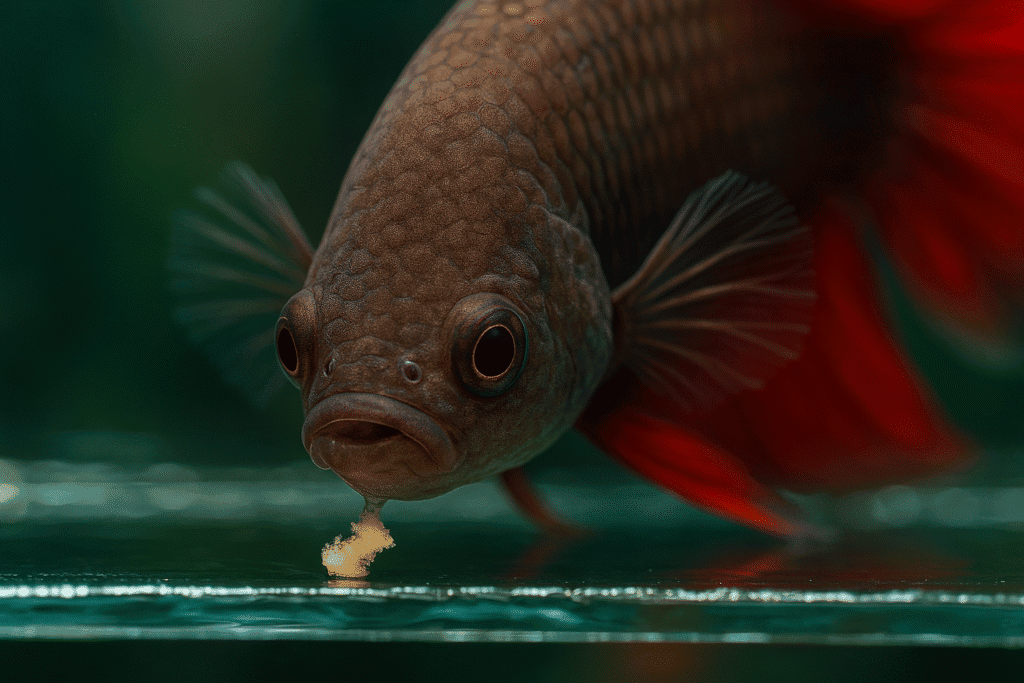
When I’m training my betta fish, I notice that rewarding desired behaviors right away really makes a difference. Consistent cues help my fish understand exactly what I expect, and I’ve learned that timing is essential for reinforcing the right actions. By keeping sessions short and engaging, I can maintain his interest while effectively guiding his progress.
Rewarding Desired Behaviors
Positive reinforcement is a powerful tool for shaping your betta fish’s behavior, especially when you want it to engage in fun activities like soccer. I’ve found that using small, nutritious treats, such as freeze-dried bloodworms, aligns well with my betta’s preferences and keeps motivation high.
It’s essential to reward immediately after the desired behavior, like pushing an object, to reinforce the connection between the action and the reward. Also focus on the training frequency; frequent short sessions yield the best results. Once my betta becomes adept at the behavior, gradually decrease treat frequency and shift to verbal praise or visual cues, ensuring continued engagement and excitement in our training sessions.
Consistent Training Cues
Consistent cues are essential for effectively teaching your betta fish to engage in activities like soccer. By using a steady verbal cue, such as “push,” I’ve found it helps my betta learn to associate the command with the desired action. Here are key aspects to evaluate:
- Training command consistency: Use the same cue every time.
- Verbal cue importance: Reinforce the connection with a treat right after the action.
- Behavioral association techniques: Observe your betta’s reactions to adjust cues and improve understanding.
Keeping training sessions short, around 5-10 minutes, prevents boredom and enhances focus. Gradually increase the complexity of the objects your betta pushes to maintain engagement and reinforce learning. This method has genuinely made a difference in our training experience!
Timing Is Crucial
Although I’ve always known that timing matters, I’ve come to realize just how vital it is in using positive reinforcement with my betta fish. I’ve found that using timing techniques can markedly impact my fish’s learning.
Providing immediate rewards right after my betta successfully pushes an object creates a clear connection between the action and the reward. I’ve also established consistent training schedules, keeping sessions short—around 5-10 minutes—to maintain my betta’s focus. Using high-value treats, like freeze-dried food, motivates my fish while reinforcing desired behaviors.
Closely monitor your betta’s reactions to guarantee you only reward when the desired action occurs, as any delay can confuse the learning process and diminish our training effectiveness.
Tracking Progress and Adjusting Challenges
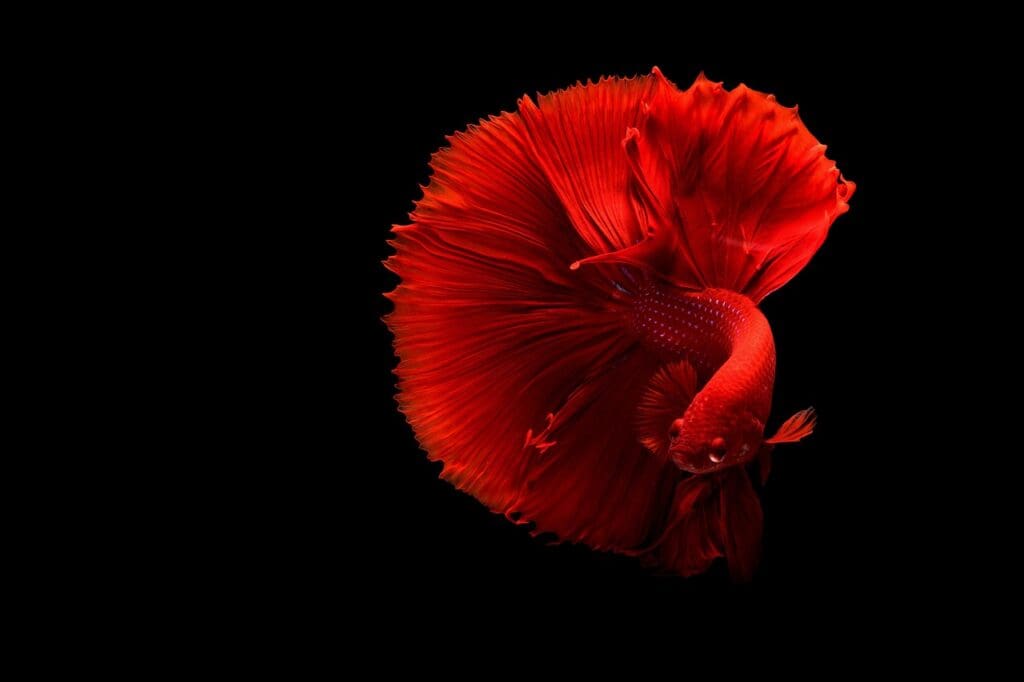
As I observe my betta’s interactions with the soccer object, I realize how vital it is to track their progress and adjust challenges accordingly. Key findings include:
- Monitoring behavioral responses helps gauge their interest and willingness to engage.
- Keeping a Betta Log allows me to note frequency and success, revealing patterns for improvement.
- Gradually creating engaging challenges, like changing object locations or adding obstacles, stimulates their problem-solving skills.
If your betta shows signs of frustration or boredom, revisit simpler tasks to rebuild their confidence. It’s imperative to be patient and responsive, making training frequency adjustments to guarantee your betta remains excited and motivated. This thoughtful approach nurtures a rewarding training experience for both of us.
Maintaining Your Betta’s Health During Training
Maintaining your betta’s health during training is essential to guarantee they thrive and enjoy the process. Focus on three key areas: dietary adjustments, stress management, and water quality.
A balanced diet with high-quality pellets and occasional protein treats keeps their energy up. Also, monitor water parameters closely, ensuring the temperature stays between 76-82°F and pH between 6.5-7.5. Regular water changes of 25-50% weekly help maintain a clean environment.
| Aspect | Recommendation | Purpose |
|---|---|---|
| Diet | High-quality pellets + protein treats | Energy for training |
| Water Quality | Monitor temperature & pH | Healthy environment |
| Stress Management | Regular water changes + enrichment | Reduce stress and enhance learning |
Conclusion
To sum up, teaching your betta fish to push objects can be a rewarding experience for both of you. By understanding their intelligence and using positive reinforcement, you can foster a strong bond while keeping the training fun and engaging.
Remember to track their progress and adjust challenges accordingly to maintain their interest. Most importantly, always prioritize their health and well-being throughout the training process. With patience and dedication, you’ll witness your betta’s unique abilities shine.