Conservation breeding is essential for preserving the genetics of wild bettas, which face serious threats like habitat loss and over-collection. By maintaining genetic diversity, these programs enhance the resilience of betta populations against disease and changing environments.
Unlike their domestic counterparts, wild bettas possess unique traits that are important for survival. Engaging local communities in habitat protection and restoration fosters a collective effort for species sustainability. There’s so much more to discover about the impact of these initiatives on wild betta populations.
The Importance of Wild Betta Genetics
When we consider the plight of wild betta species like Betta burdigala, it becomes clear just how indispensable their genetics are for preserving biodiversity. These fish are critically endangered, and their genetic diversity is essential for their adaptability to changing environments. Through captive breeding programs, we can collect broodstock from the wild, ensuring we maintain this important diversity and prevent inbreeding.
Conservation efforts are focused on returning grown-out fry to their natural habitats, which not only supports wild populations but also preserves their genetic integrity. The loss of wild betta genetics due to habitat destruction and over-collection is alarming. By emphasizing targeted conservation breeding initiatives, we can help protect these beautiful species and our planet’s biodiversity for future generations.
Differences Between Wild-Type and Domestic Bettas
When I compare wild bettas to their domestic counterparts, the differences in genetic variability and adaptation are striking. Wild bettas showcase a range of duller colors suited for survival, while domestic bettas shine with vibrant hues due to selective breeding. Understanding these contrasts helps us appreciate the unique traits of wild bettas and the challenges they face in captivity.
Genetic Variability Comparison
While it might seem tempting to admire the vibrant colors and elaborate fins of domestic bettas, these traits come at a significant cost to their genetic diversity. Unlike their wild counterparts, which include species like Betta burdigala, domestic bettas have experienced selective breeding that often reduces genetic variability. This lack of diversity can lead to health issues, as exaggerated features may create genetic bottlenecks.
Wild-caught bettas, on the other hand, display duller colors, a natural adaptation for survival. Their behaviors reflect this as well; they typically exhibit less aggression. Breeding projects focused on wild bettas highlight the importance of sourcing broodstock from diverse populations to maintain genetic diversity and guarantee effective parental care, ultimately supporting long-term species survival.
Coloration and Adaptation Differences
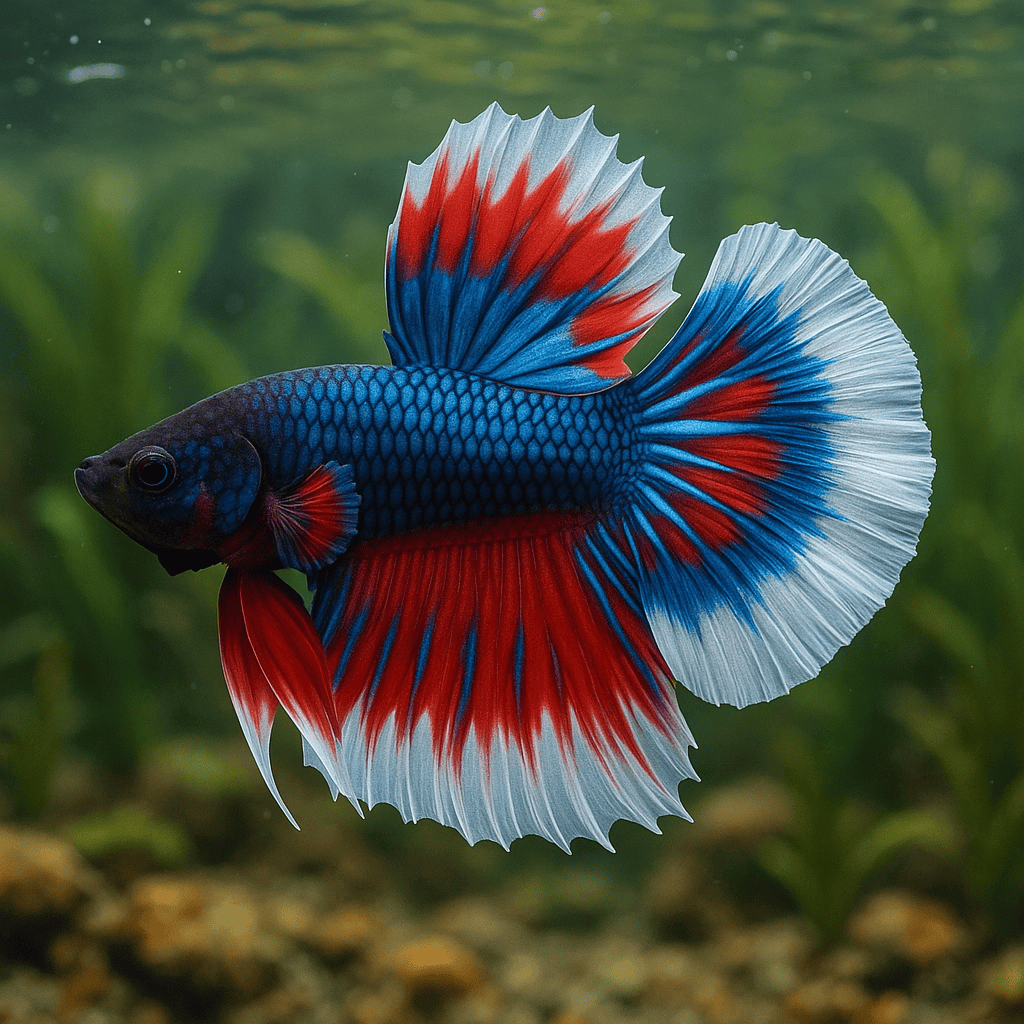
Though the allure of domestic bettas’bettas’ vibrant colors and extravagant fins can be enchanting, it’s essential to recognize how these traits contrast sharply with the adaptations of their wild counterparts. Wild bettas, like Betta burdigala, exhibit duller coloration for predator evasion, while domesticated breeds flaunt their selective genetic enhancements.
| Trait | Wild Bettas | Domestic Bettas |
|---|---|---|
| Coloration | Dull, camouflaged | Bright, varied |
| Fin Size | Short, functional | Large, extravagant |
| Habitat Adaptation | Low-oxygen tolerance | High-oxygen preference |
| Genetic Resilience | High | Often compromised |
| Survival Strategy | Camouflage | Display |
These differences highlight the importance of conserving wild betta genetics to maintain their unique adaptations while ensuring the health of future generations.
Threats to Wild Betta Populations
As I explore the plight of wild betta populations, it’s clear that they face a multitude of threats that jeopardize their survival. Habitat loss from palm oil plantations, tin mining, and urban pollution is decimating their environments. Many betta species, including the critically endangered B. burdigala, rely on increasingly threatened ecosystems.
The water quality in peat swamp forests suffers from agricultural runoff and plastic waste, further diminishing their chances of survival. Alarmingly, over half of the 73 distinct Betta species are now threatened or extinct, with over-collection for the aquarium trade exacerbating their vulnerability. Recognizing these challenges is crucial, as conservation efforts must prioritize habitat restoration and protecting these remarkable species to guarantee their future.
The Role of Captive Breeding Programs
Given the alarming threats facing wild betta populations, captive breeding programs have emerged as an imperative strategy for conservation. These initiatives, particularly for species like Betta burdigala and Betta splendens, focus on breeding pairs in hatcheries to boost wild numbers through reintroduction into their native habitats.
Each breeding cycle can yield up to 15 juveniles, and by sourcing broodstock from the wild, we maintain essential genetic diversity. So far, successful programs have reintroduced 147 juveniles back into their ecosystems. However, it’s not just about numbers; preserving the unique genetic traits of these endangered species is crucial. Collaborating with local communities guarantees that our breeding efforts align with sustainable practices, making a meaningful impact on habitat conservation.
Community Engagement in Conservation Efforts

Community engagement is essential for successful conservation efforts aimed at protecting wild betta populations. By fostering awareness about habitat preservation, we can highlight the importance of biodiversity within aquatic ecosystems. Collaborative projects with local communities, government agencies, and educational institutions create a shared responsibility for safeguarding wild bettas.
For instance, initiatives like the Betta Rescue program show how community support can directly benefit these species and their habitats. Additionally, raising awareness about peat swamp ecosystems encourages local participation in sustainable practices. When communities join conservation programs, not only do they help wild bettas recover, but they also cultivate a culture of responsible fishkeeping and environmental stewardship, creating lasting change for both nature and future generations.
Success Stories in Wild Betta Reintroduction
While many conservation efforts face considerable challenges, the success stories in wild betta reintroduction highlight the potential for positive change. I’m inspired by the captive breeding program for Betta burdigala, which has successfully returned 147 juveniles to their native habitats, greatly aiding this critically endangered species.
Additionally, Castle Dawn Aquatics has demonstrated its commitment by returning about 85% of grown-out fry to the wild. The Betta Rescue program has further enhanced wild populations throughout Southeast Asia, showing the power of dedicated breeding initiatives. Establishing fish sanctuaries within peat swamp forests emphasizes the critical need for habitat preservation, ensuring the survival of betta species.
Future Prospects for Wild Betta Conservation
As we look to the future of wild betta conservation, I believe it’s essential to focus on preserving genetic diversity while restoring their natural habitats. Engaging local communities in these efforts can create sustainable strategies that benefit both the fish and their ecosystems. By collaborating on these initiatives, we can forge a path toward a healthier future for betta populations.
Genetic Diversity Preservation
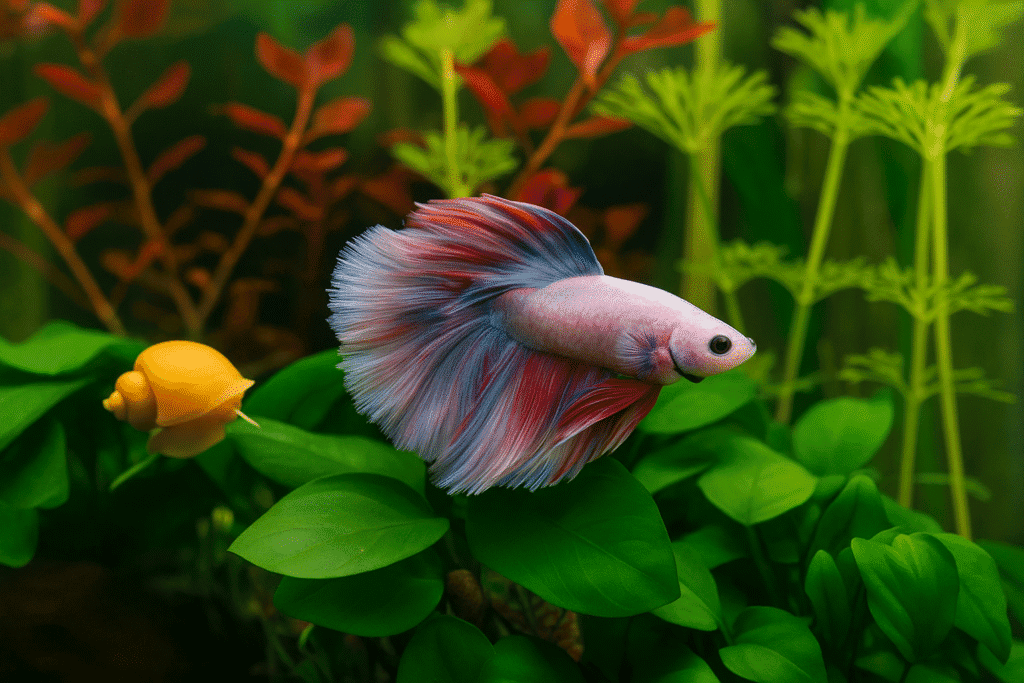
Genetic diversity plays an essential role in ensuring the survival of wild bettas, especially as their habitats face increasing environmental pressures. It’s not just about preserving species; it’s about maintaining the unique traits that allow them to adapt. Through conservation initiatives, we can create fish sanctuaries focusing on this genetic integrity.
Captive-bred programs, like those for Betta burdigala, source broodstock from various wild populations to enhance genetic variability. Reintroduction efforts highlight the necessity of preventing inbreeding, ensuring these fish thrive in their natural environments. Collaborations between local communities and conservation organizations are crucial for these efforts.
Habitat Restoration Initiatives
Habitat restoration initiatives stand as a beacon of hope for the future of wild Betta conservation, particularly for species like the critically endangered Betta burdigala. By rehabilitating degraded peat swamp forests, we can revive essential ecosystems that support various wild Betta species. Collaborative efforts between conservation organizations and local communities are vital; they focus on establishing fish sanctuaries to protect these habitats from agricultural and pollution threats.
Restoration activities, such as replanting native vegetation and removing plastic waste, improving water quality, and creating a thriving environment for Betta populations. With over 147 Betta burdigala juveniles successfully reintroduced, we aim for long-term sustainability through continuous monitoring and local stakeholder engagement, ensuring the preservation of these remarkable fish and their ecosystems.
Community Engagement Strategies
While we often look to scientific methods and technological innovations for wild Betta conservation, community engagement strategies play a critical role in fostering a sustainable future for these remarkable fish. By involving local stakeholders, we can enhance conservation strategies that draw on traditional knowledge. Educational campaigns can bridge the gap between wild and domestic bettas, sparking public interest and support for conservation efforts.
| Strategy | Description | Impact |
|---|---|---|
| Workshops | Engage schools and organizations | Promote responsible practices |
| Habitat Restoration | Involve community in restoration efforts | Empower shared responsibility |
| Educational Campaigns | Highlight differences between bettas | Increase public awareness |
Active participation in these initiatives can empower community members, ensuring the survival of wild betta populations.
Conclusion
In summary, conserving wild betta genetics is essential for maintaining biodiversity and guaranteeing these beautiful fish thrive in their natural habitats. By understanding the differences between wild and domestic types, recognizing the threats they face, and supporting captive breeding programs, we can make a tangible difference.
Together, through community engagement and awareness, we can protect these species for future generations. It’s our responsibility to make certain that wild bettas continue to grace our waters with their vibrant presence.