Maintaining a pH range of 6.5 to 7.5 is essential for your Betta fish’s health. When adjusting pH, I focus on natural methods—like adding driftwood to lower pH or crushed coral to raise it gradually. Stability is key to preventing stress in your Betta, especially in Siamese fighting fish. If you’re curious about techniques and tools for pH management, there’s more to discover.
Understanding Ph Levels in Betta Fish Aquariums
When maintaining a healthy environment for Betta fish, including species like Betta macrostoma, understanding pH levels becomes vital. Ideally, levels between 6.5 and 7.5 guarantee health and reduce stress. A neutral pH of 7.0 is beneficial, while levels outside this range can impact well-being. Regularly testing pH is essential;
I prefer reliable methods like liquid tests or digital meters to detect fluctuations in water quality. Maintaining a stable pH is more important than achieving a perfect number. Sudden changes can stress Betta fish, so I make gradual adjustments to avoid shocking them.
Measuring Ph: Techniques and Tools
Measuring pH levels in your Betta fish aquarium is essential for maintaining a stable environment. Three methods are commonly used: test strips, liquid test kits such as the API master test kit, and digital pH meters. Test strips are quick and convenient, while liquid test kits offer slightly more accuracy when compared to a color chart.
However, for those who require strict pH control, digital pH meters are invaluable; they provide precise readings but need regular calibration and maintenance for accurate results. I recommend regular testing—ideally weekly and before water changes—to guarantee stability and ideal conditions for your Betta fish.
Keeping a log of pH readings helps track trends, allowing for timely adjustments and ensuring your Betta thrives in a healthy environment.
Adjusting Ph Levels: Safe Practices
When adjusting pH levels, I focus on safe methods that many fishkeeping hobbyists recommend to guarantee my Betta fish remain healthy. To lower pH, add driftwood or peat moss while raising it gradually by enhancing aeration and using crushed coral. Consistently monitoring pH levels helps maintain stability and avoid harmful fluctuations.
Lowering Ph Safely
Lowering the pH in your Betta tank requires careful consideration to guarantee your fish remain healthy and stress-free. I recommend using natural methods like adding driftwood, which leaches tannins that gradually decrease pH over time, which is particularly helpful for Betta splendens. Incorporating peat moss in your filter or substrate is another effective way to lower pH safely, avoiding sudden changes. Chemical pH adjusters can lead to harmful fluctuations, so steer clear of those. Instead, consider diluting tap water with reverse osmosis or distilled water while monitoring overall water parameters regularly. Regularly replacing Indian almond leaves in the tank not only helps maintain lower pH levels but also mimics your Betta’s natural habitat, promoting overall Betta fish health in a stable environment.
Raising Ph Gradually
Maintaining a stable pH in your Betta tank, especially for species like Betta mahachaiensis, is just as important as lowering it when necessary. To raise pH gradually, I recommend enhancing aeration to boost oxygen levels, which helps stabilize pH over time.
You can cautiously use baking soda, starting with one teaspoon per 5 gallons, and always test the pH after 24 hours. Additionally, adding crushed coral to the substrate or filter acts as a buffer for a stable increase without shocking your Betta fish.
Regular water changes with treated tap water will help guarantee the pH rises steadily. Consistently monitor pH levels after adjustments to maintain that ideal range of 6.5 to 7.5.
| Method | Action | Frequency |
|---|---|---|
| Baking Soda | 1 tsp/5 gallons | After 24 hours |
| Crushed Coral | Add to substrate/filter | As needed |
| Water Changes | Use treated tap water | Weekly |
| Monitor pH | Test levels | Daily after adjustments |
| Aeration | Increase oxygen levels | Ongoing |
Best Practices for Ph Management
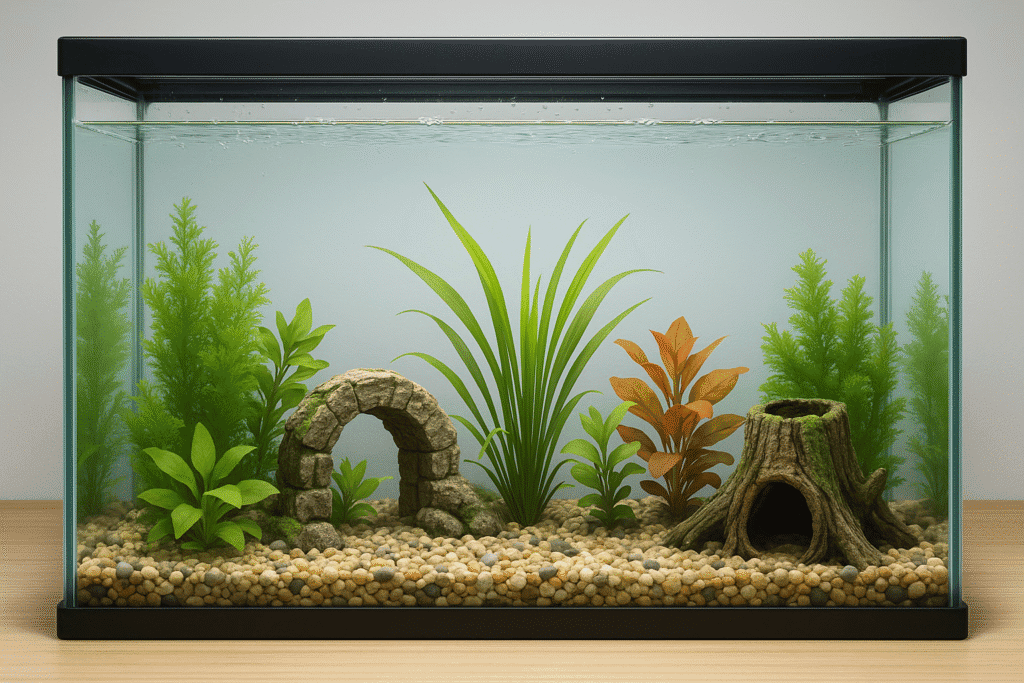
When managing pH levels for Betta imbellis, I prioritize stability over perfection. Testing the water regularly and adjusting gradually helps avoid stressing fish. Keeping track of readings helps maintain a consistent environment that supports health.
Stability Over Perfection
I have found that while achieving a perfect pH level for your betta fish might seem ideal, the stability of those levels truly matters for their health. Consistent pH levels help prevent stress and illness, ensuring your Betta thrives within the safe range of 6.5 to 7.5. Here are some best practices for maintaining stability:
- Regularly monitor pH levels with reliable test kits to catch any changes early.
- Make gradual changes to the water chemistry, avoiding drastic adjustments that can shock your fish.
- Embrace slight variations as part of a natural aquarium ecosystem as long as they stay within the safe range.
Regular Testing Routine
To guarantee your betta fish thrive, establishing a regular testing routine for pH management is essential. I recommend testing your aquarium’s pH levels weekly using reliable test kits. This consistent monitoring helps detect any sudden fluctuations that could stress your Betta fish. Make sure to conduct tests before and after water changes to maintain stable readings and understand how your water source affects the aquarium’s pH.
Keeping a log of these readings will reveal patterns, aiding in proactive management. Remember, stable conditions in the 6.5 to 7.5 range are more important than perfection, allowing for minor variations without harm. This routine will help maintain ideal conditions, guaranteeing your Betta fish stay healthy and happy.
The Importance of Stable Water Conditions
I’ve observed that stable water conditions, especially regarding pH levels, play an essential role in the health of Betta fish. Maintaining a stable pH between 6.5 and 7.5 helps minimize stress and promotes overall well-being. Here are a few reasons why it’s vital:
- Prevents stress-related behaviors, such as hiding or lethargy, that signal health issues.
- Regular monitoring of pH, ammonia, nitrite, and nitrate levels guarantees a safe environment.
- Natural methods, like Indian almond leaves or driftwood, effectively stabilize pH without harmful fluctuations.
Monitoring Betta Health in Relation to Ph
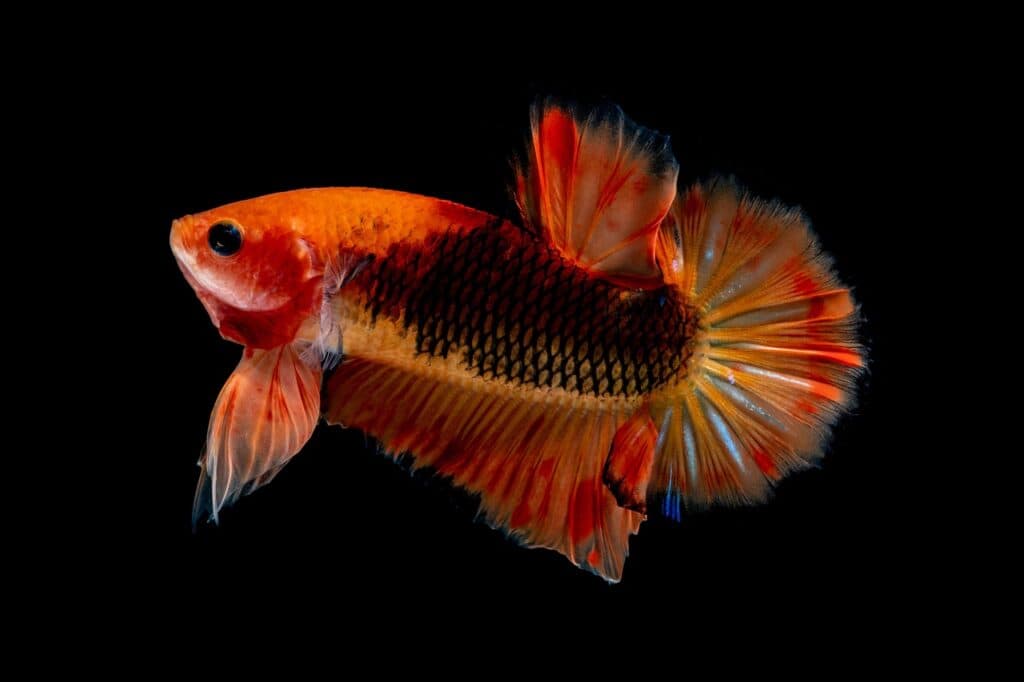
Monitoring pH levels is essential for ensuring the health of your Betta fish, as even slight fluctuations can trigger stress and lead to serious health issues. Bettas thrive within a pH range of 6.5 to 7.5, making regular monitoring vital for identifying any sudden changes.
A stable environment is more important than hitting an exact number; consistent pH levels prevent many health complications. I’ve noticed that when pH levels stray from the ideal range, my Betta exhibits symptoms of stress, such as lethargy and decreased appetite. Reliable test kits allow regular monitoring of water quality.
As aquarists, we must prioritize our Betta’s health by ensuring their environment remains stable and conducive to thriving.
Conclusion
In summary, I emphasize that maintaining a pH level between 6.5 and 7.5 is essential for the health of your betta fish. By regularly measuring pH with reliable tools and making adjustments carefully, you can create a stable environment that promotes their well-being.
Remember, fluctuations can stress your fish, so consistency is key. With attentive monitoring and effective management, you’ll guarantee your Betta thrives, showcasing its vibrant colors and lively personality in a balanced aquarium.