During a power outage, it’s essential to monitor your betta’s water temperature closely, keeping it above 72°F to prevent stress and ensure beneficial bacteria continue to thrive in the tank with towels wrapped around it. “I wrap the tank in towels for insulation and use heating packs or warm water bags to maintain warmth.
Regularly check water quality, particularly ammonia levels, and perform partial water changes with dechlorinated tap water to keep beneficial bacteria healthy “. Watching for signs of stress is critical for your betta’s health, so I float an air stone to boost oxygenation in bad weather. There are more effective strategies and community support to guarantee your fish thrives during outages.
Understanding the Impact of Power Outages on Bettas
When a power outage occurs, it can alarm betta fish owners, as these creatures are vulnerable to environmental changes. Without filtration, water quality declines rapidly, leading to low oxygen levels and potential ammonia spikes. Bettas are sensitive to temperature changes; maintaining water warm within a stable range of 74–72 °F is vital to prevent stress, so I sometimes boil water before cooling it down in a bucket of water for partial changes.
Their labyrinth organ allows them to survive in low-oxygen conditions, but extended outages can still distress them, making breathing harder. Signs of stress—like lethargy or unusual breathing patterns—signal immediate attention is needed.
Immediate Actions to Take During a Power Outage
Monitor Water Temperature Closely
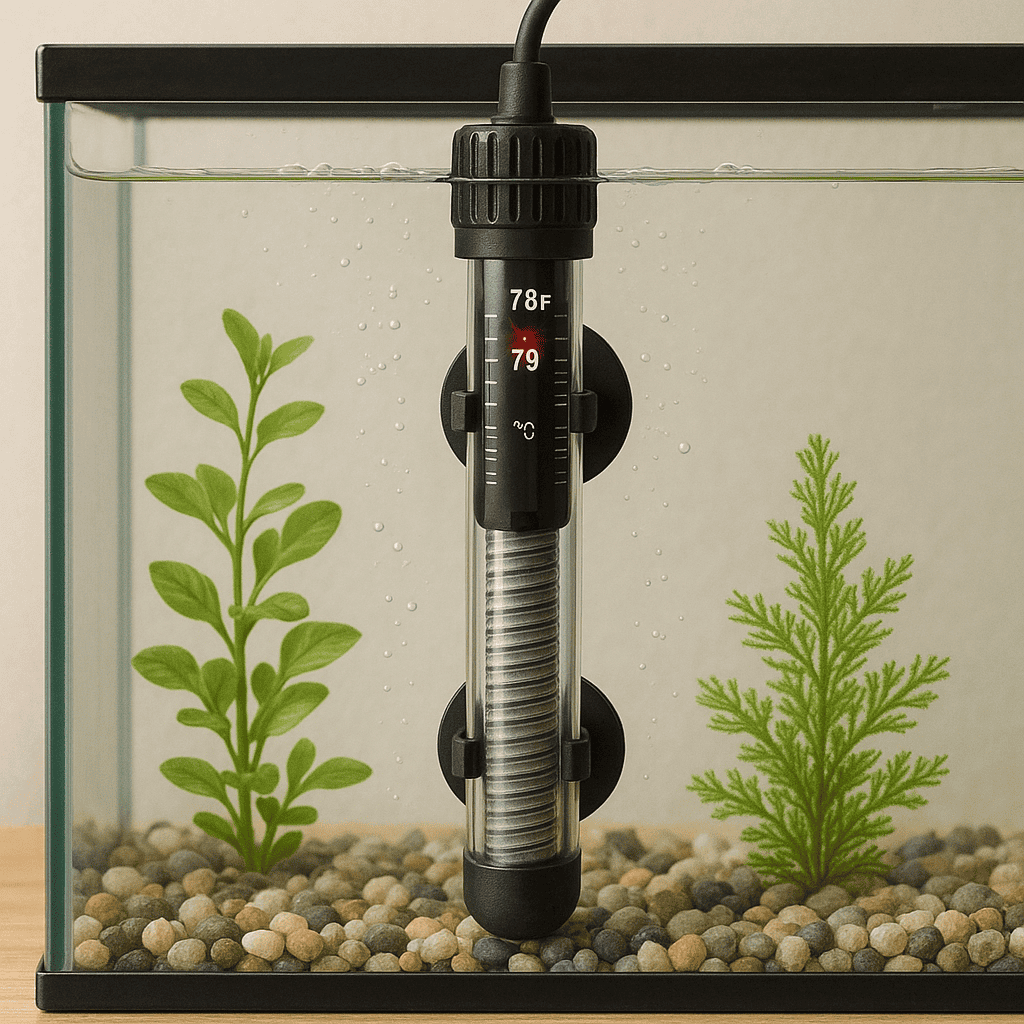
As the power goes out, closely monitor the water temperature every 30 minutes with a digital thermometer, keeping it above 72°F to prevent shock. If the temperature drops, wrap the tank with towels and float boiling water bags sealed in ziplock bags to gradually warm the water without spikes. Additionally, when filtration is affected, partial water changes can be performed using a bucket of tap water treated with conditioner.
Insulate Tank for Warmth
To guarantee your betta stays warm during an outage, insulate the tank by wrapping it in towels or fleece blankets, ensuring the water-warm environment remains stable. You can also place the tank inside an insulated cooler or ice chest padded with towels for added insulation.
Temporary Housing Considerations
When necessary, transfer your betta to a smaller container—ideally a 1-gallon bowl wrapped in towels—placed inside an insulated cooler. Then, I float an air stone to maintain oxygen levels.
| Step | Action | Purpose |
|---|---|---|
| Transfer Fish | Use familiar tank water for the bowl | Minimize stress |
| Insulate Bowl | Wrap in a towel or use a cooler | Maintain temperature stability |
| Monitor Temp | Check water temperature regularly | Prevent shock and health issues |
Temperature Management Strategies
Insulate the tank to trap heat and reduce fluctuations by wrapping it in blankets. Use heating packs designed for shipping fish, taping them to the sides of the tank to keep the water warm. I float sealed bags of boiling water to gently raise the tank temperature, avoiding sudden spikes.
Alternative Heating Solutions for Your Betta Tank
Heating Packs and Wraps
Attach shipping fish heating packs or hand warmers to tank sides for consistent warmth.
Insulation Techniques for Tanks
Wrap the tank in fleece blankets or towels to minimize heat loss, and position it near a warm drawer for extra stability during bad weather.
Alternative Water Heating Methods
Float warm water in sealed Ziplock bags or pre-boil water before adding it gradually to the tank.
Emergency Water Quality Management
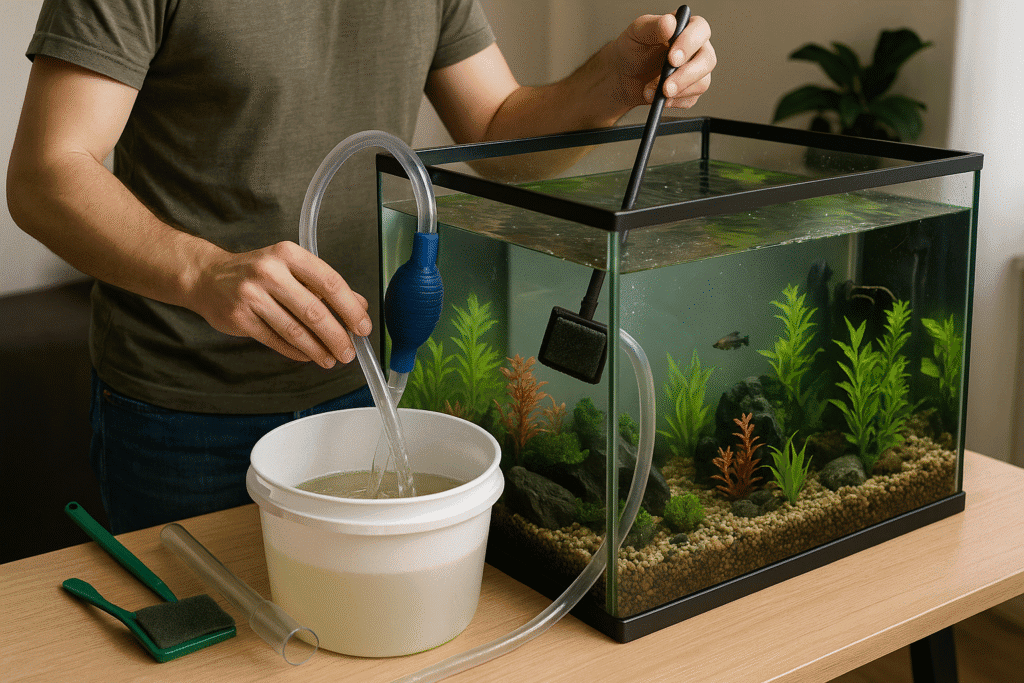
Assessing Water Parameters
Monitor ammonia, nitrite, and nitrate levels using a reliable test kit, aiming for zero ppm ammonia and nitrite, pH 6.5–7.5, and nitrates below 20 ppm.
Performing Partial Water Changes
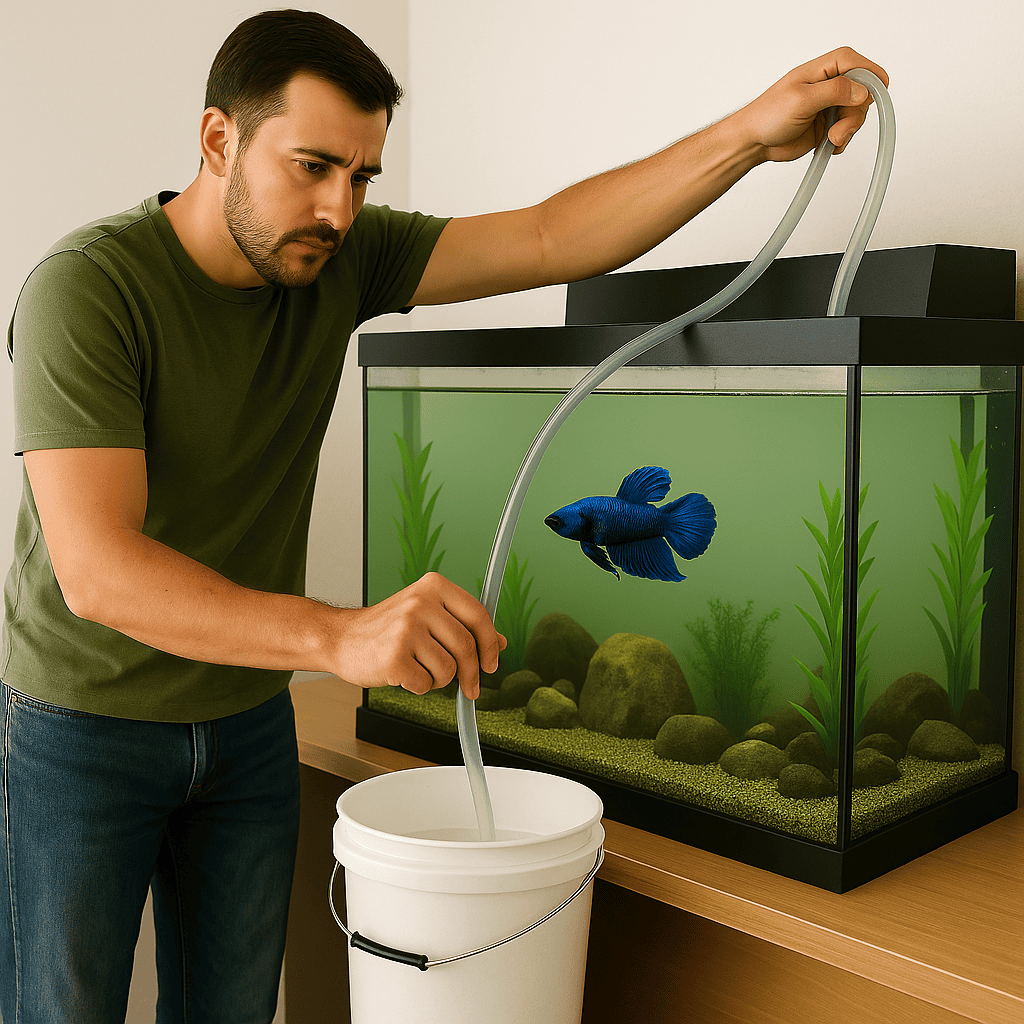
During an outage, change 10–20% of water every few hours with dechlorinated tap water at a similar temperature to avoid shocking your betta.
Signs of Stress in Betta Fish
Watch for:
- Laying on the bottom, indicating low oxygen or temperature fluctuations.
- Rapid or labored breathing, often due to poor water quality or low oxygenation.
- Lethargy, which can signal stress or illness.
Long-Term Preparation for Power Outages
Invest in an insulated container or thermos to store warm water and heat packs. Keep portable heating devices like camping gas stoves on hand for emergencies. Engage with a community forum to share tips and find resources like battery-powered pumps, air stones, and bucket of water supplies.
Community Support and Resources for Fish Owners
Join online platforms to:
- Get expert insights on maintaining water quality and temperature.
- Find where to buy emergency supplies such as air stones, heating packs, and pump batteries.
- Share experiences for emotional support and practical advice during bad weather and outages.
Conclusion
Keeping your betta safe during a power outage requires immediate action and thoughtful preparation. By managing temperature, utilizing alternative heating solutions, and insulating the environment, you can reduce stress on your fish. Remember to perform partial water changes with treated tap water and maintain beneficial bacteria levels. Stay informed and share tips within your community to ensure your betta thrives, no matter the challenges.