Fasting is essential for betta fish’s health because it allows their digestive systems to rest. Regular fasting every 7-10 days helps prevent issues like constipation and bloating. Observing their behavior and looking for signs like a rounded abdomen that indicate they might need a fast is crucial for proper betta care guidelines.
After fasting, they often eat enthusiastically, which tells us their digestion is improved. There’s so much more to discover about optimizing their fasting routine for better health.
Understanding the Importance of Fasting for Betta Fish
When it comes to the health of your betta fish, understanding the importance of fasting is essential. Fasting allows their digestive system to rest, helping alleviate issues like constipation and bloating, which often arise from a protein-rich diet. I recommend fasting your betta every 7-10 days to promote better digestion and overall health.
This practice gives their bowels time to process and clear out any undigested food. If you notice swim bladder prominence, it may indicate overfeeding, signaling a need to adjust feeding routines. Remember, bettas can survive brief fasting periods, typically up to a week, without adverse effects. By mimicking natural feeding patterns, fasting helps prevent the risks associated with overfeeding in our captive environments.
Benefits of Regular Fasting
When considering the benefits of regular fasting for betta fish, it allows their digestive systems to take a much-needed break, which can help prevent issues like bloat and constipation. Fasting also seems to enhance their feeding response, making them more enthusiastic when it’s time to eat again. By mimicking their natural feeding patterns, we can promote better overall health for healthy betta fish.
Digestive System Break
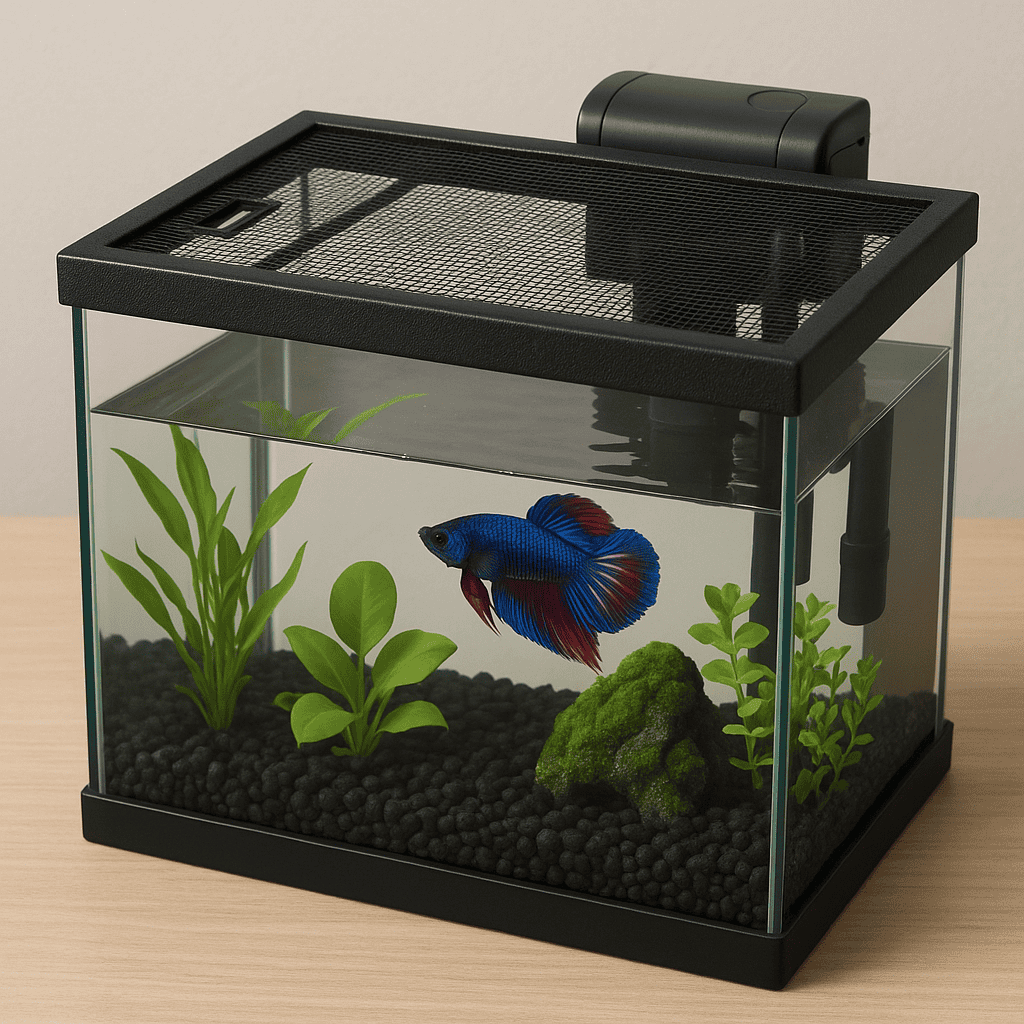
Although many betta fish keepers might worry about their pets not eating regularly, incorporating a fasting routine can greatly benefit their digestive health. Fasting provides a necessary break for a betta’s digestive system, allowing it to process and eliminate waste effectively. This day of rest can alleviate gas and reduce the risk of constipation, especially for those on high-protein diets.
By giving the digestive system time to recover, fasting improves overall health, enhances nutrient absorption, and promotes better metabolic function. Additionally, it mimics the natural feeding patterns of wild bettas, fostering a healthier digestive rhythm in captivity. Observing a fasting routine also helps prevent digestive issues like swim bladder disease, ensuring your betta thrives in its environment.
Bloat Prevention Strategy
Incorporating regular fasting into your betta fish’s routine can greatly enhance their health by acting as a bloat-prevention strategy. By allowing their digestive systems to rest, fasting helps mitigate issues that arise from overfeeding. Here are four key benefits:
- Reduces Bloat: Fasting decreases the risk of bloat, a common concern for bettas.
- Prevents Constipation: A fasting day encourages better bowel movements, reducing constipation.
- Promotes Digestive Health: Clearing out undigested food supports overall digestive well-being.
- Mimics Natural Feeding Patterns: Regular fasting aligns with a betta’s natural feeding habits, improving their overall health.
Enhanced Feeding Response
Fasting can greatly enhance your betta fish’s feeding response, making mealtime more engaging and beneficial. By allowing your betta to fast for a day, you give its digestive system a much-needed rest, which can markedly improve nutrient absorption during feeding sessions. I’ve noticed that bettas become more active and responsive to food stimuli after fasting, leading to pronounced feeding behaviors.
Additionally, fasting helps clear the digestive tract, reducing the risk of constipation and promoting better gut health. This not only alleviates digestive issues but also results in a more robust appetite and healthier feeding habits. Overall, regular fasting can be a simple yet effective strategy to enhance your betta’s feeding experience and well-being.
Signs Your Betta Fish May Need to Fast
Understanding when your betta fish may need to fast can greatly impact its health and well-being. Here are some signs to watch for:
- Swim Bladder Issues: A pronounced swim bladder may indicate your betta is underweight, suggesting it could benefit from fasting days to promote digestive health.
- Rounded Abdomen: If your betta appears consistently rounded, it may be overfed, highlighting the need for regular fasting to prevent developing a bloated betta fish.
- Begging Behavior: Increased begging, especially after a fasting period, can signal that your betta is ready for a meal.
- Lethargy: Signs of lethargy or reduced activity can indicate digestive distress, warranting a fasting day to recover.
Regular weight monitoring can help you identify when these fasting days are necessary for maximum health.
Optimal Fasting Schedule for Betta Fish

Fasting your betta fish once a week helps maintain their digestive health. This regular fasting not only mimics natural feeding patterns but also reduces the risk of issues like constipation and swim bladder disease. By observing your fish’s behavior and adjusting the schedule as needed, you can guarantee they’re thriving and healthy, even when you have a betta sitter caring for them.
Fasting Frequency Recommendations
While many betta owners are enthusiastic about providing their pets with a steady supply of food, it’s important to incorporate fasting into their care routine. Here are some recommendations for ideal fasting frequency:
- Weekly Fasting: Fast your betta fish once a week for 24 hours to give their digestive systems a rest.
- Every 7-10 Days: Consider fasting every 7- 10 days to mimic natural feeding patterns, allowing for food availability fluctuations.
- Monitor Behavior: Observe your betta’s behavior and health; some may require more frequent fasting if prone to digestive issues.
- Prevent Overfeeding: Regular fasting helps minimize bloating and potential constipation, promoting overall health.
Benefits of Regular Fasting
Regular fasting offers several benefits for betta fish, enhancing their overall health and well-being. By incorporating fasting into their feeding routine, we can support their digestive system, reduce the risk of constipation, and promote better weight management.
Fasting once a week allows their bodies to reset, preventing gas and digestive issues common with high-protein diets. Amazingly, a king betta fish can comfortably go without food for up to a week. Here’s a quick overview of the benefits of regular fasting:
| Benefit | Description | Impact |
|---|---|---|
| Improved digestion | Resting digestive system aids processing | Reduces constipation. |
| Weight Management | Encourages monitoring of feeding amounts | Supports health |
| Better behavior | No adverse effects on activity levels | Promotes liveliness |
Signs of Digestive Health

Maintaining ideal digestive health in betta fish is essential for their overall well-being, and recognizing the signs can help guarantee they’re thriving. Here are the key indicators I monitor:
- Abdominal Shape: A slightly rounded abdomen indicates a healthy fullness, while a bloated appearance can signal constipation or swim bladder issues.
- Feeding Response: After fasting, a noticeable increase in appetite suggests improved digestive function.
- Weight Monitoring: Regularly check your betta’s weight to adjust feeding amounts, ensuring a smooth body shape without bloating.
- Swim Behavior: Observe for any unusual swimming patterns, which can indicate digestive distress.
Fasting every 7-10 days promotes digestive health, preventing constipation and swim bladder disease, and ultimately supports your betta’s well-being.
Potential Risks of Fasting
Fasting can be beneficial for betta fish, but it also comes with potential risks that every owner should consider. While it can promote digestion and prevent constipation, fasting may induce stress and increase begging behavior, as bettas might not understand why food is absent. Frequent fasting can lead to nutritional deficiencies if non-fasting days aren’t balanced with high-quality food, particularly for bettas with existing health issues or those underweight. These fish may suffer further weight loss during fasting. Additionally, excessive fasting can disrupt their feeding rhythm, potentially causing anxiety or aggression during feeding times. It’s important to monitor your betta closely for signs of distress or unusual behavior, ensuring they cope well with the fasting regimen in their betta house environment.
Tips for a Successful Fasting Routine

While it might be challenging to skip a feeding day, establishing a successful fasting routine for your betta fish is essential for their health. Here are some tips I’ve found helpful:
- Schedule a Weekly Fast: Implement a fasting day, ideally on Sundays, to give your betta’s digestive system a necessary break.
- Monitor Behavior: Keep an eye on your betta during fasting; increased begging is normal and doesn’t mean they’re hungry.
- Observe Feeding Responses: After fasting, note how enthusiastically your betta eats; they often show more excitement for food.
- Prevent Constipation: Offer deshelled cooked peas post-fast to aid digestion and prevent constipation, especially for prone bettas.
- Consider using betta block feeders during extended absences to maintain proper nutrition without overfeeding, monitoring their daily pellets per day intake.
-In summary, incorporating a weekly fasting routine for your betta fish can greatly enhance their overall health and well-being. By allowing them rest days, you promote proper digestion and reduce the risk of obesity. Remember to observe your fish closely for any signs of distress and adjust their fasting schedule as needed. With a compassionate approach, you can guarantee a thriving environment for your betta fish’s healthy companion, ultimately leading to a happier, healthier pet.