If your betta fish don’t move, it might be experiencing a shock. Check the water temperature and verify it’s between 78-82°F, as sudden changes can distress your fish.
Look for signs like rapid breathing or clamped fins, which indicate stress. Improve water quality by testing for ammonia and performing regular partial water changes. Provide hiding spots to help them feel secure.
Understanding the underlying causes can aid in their recovery, so there’s more to reflect on for your Betta’s health.
Understanding Betta Shock
When you notice your betta fish behaving unusually, it could be a sign of betta shock, which occurs when sudden changes in water conditions stress them out. This is often triggered by temperature shock, where rapid fluctuations in water temperature disrupt their environment.
Bettas thrive in stable conditions with a water temperature ideally between 78-82°F. If the temperature deviates considerably, it can lead to lethargy or difficulty swimming and even mimic symptoms of swim bladder disease. I’ve learned that maintaining consistent water conditions and avoiding direct sunlight can prevent this stress. When introducing new fish, proper acclimation is vital to guarantee a smooth changeover.
By understanding betta shock, you can create a healthier, happier environment for your fish.
Symptoms of Betta Shock
Recognizing the symptoms of betta shock is essential for the well-being of your fish, as these signs often indicate stress from sudden environmental changes.
You might notice lethargy, where your Betta stays motionless at the tank’s bottom, indicating a lack of energy. Rapid breathing at the surface could signal low oxygen levels, often a result of temperature shock. Erratic swimming patterns, like darting around the tank, are clear signs of distress.
Additionally, clamped fins suggest your Betta feels threatened or uncomfortable. In severe cases, your fish may become unresponsive, resembling a coma-like state. It’s vital to act quickly and seek immediate intervention if you observe these symptoms, as your Betta’s health depends on your timely response.
Causes of Betta Shock

I’ve seen how easily bettas can experience shock due to sudden temperature changes, poor water quality, or environmental stressors. When these factors fluctuate, it can lead to lethargy and distress in our vibrant friends. Understanding these causes is essential for ensuring a stable and healthy environment for your Betta.
Environmental Stress Factors
Environmental stress factors can considerably impact Betta fish, leading to what is commonly referred to as Betta shock. I’ve noticed that several elements in their aquatic environment can cause distress and inactivity. Here are three key stressors to evaluate:
- Sudden Changes: Rapid alterations in water temperature or pH can leave your Betta struggling to acclimate.
- Poor Water Quality: High ammonia levels or low oxygen can induce discomfort, resulting in lethargy as your fish may feel suffocated.
- Tank Mates and Space: Insufficient tank size or overcrowding can restrict movement, leading to increased stress.
Temperature Fluctuations
Temperature fluctuations are a significant factor that can exacerbate Betta shock, further stressing these sensitive fish. Bettas thrive in stable water temperatures between 78°F and 82°F, and any sudden temperature changes can seriously impact their health. Cold water may result in lethargy, while high temperatures can cause rapid breathing and erratic movements.
These fluctuations can weaken their immune system, making them more vulnerable to illness. To prevent this, it’s vital to maintain stable tank conditions using reliable heaters and avoid direct sunlight exposure. Proper acclimation of any new fish is also essential to help them adjust comfortably.
By ensuring these factors, we can help minimize stress and promote a healthy environment for our beloved Bettas.
Poor Water Quality
How can poor water quality lead to Betta shock? It’s alarming how inadequate water conditions can greatly impact your Betta’s health. High ammonia levels, often resulting from infrequent water changes, can lead to stress and inactivity. To make certain your Betta thrives, here are three critical steps:
- Regular Water Changes: Aim to keep ammonia levels below 0.5 ppm by changing 25% of the water weekly.
- Monitor pH Levels: Bettas prefer a pH between 6.5 and 7.5. Fluctuations can cause stress and potential shock.
- Guarantee Adequate Filtration: Good filtration helps maintain water quality and reduces the risk of infections.
Immediate Steps to Take
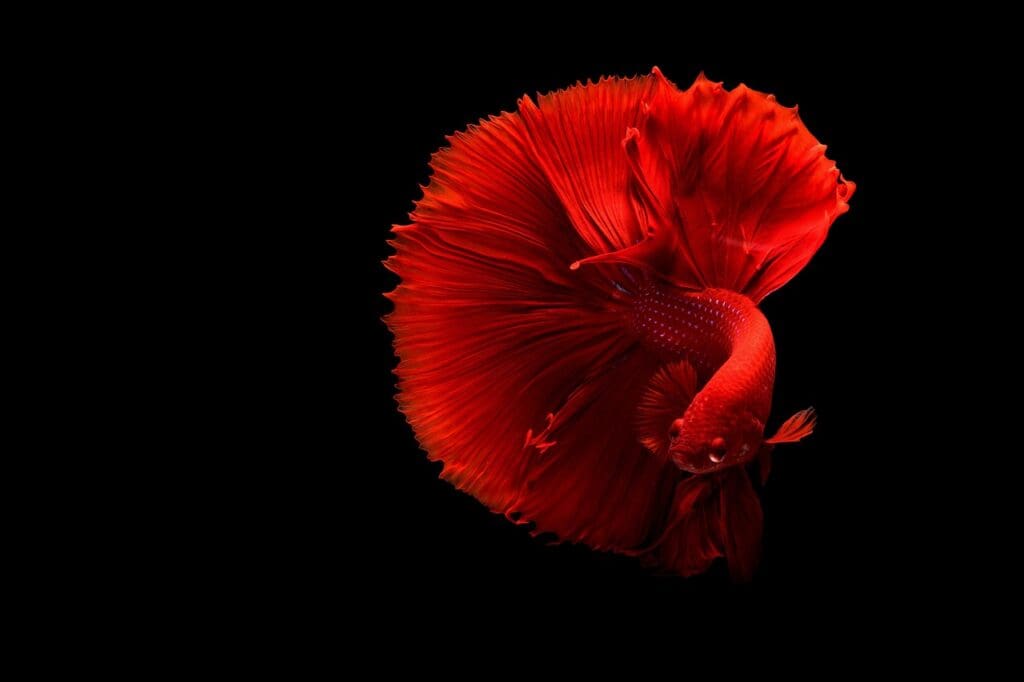
When your Betta shows signs of shock, taking immediate action is vital to restore its health and comfort. First, I check the water temperature, confirming it’s between 75-80°F (24-27°C) to prevent further lethargy.
Next, I perform a water quality test to assess ammonia, nitrite, and nitrate levels, as poor water quality can increase stress. Observing my betta fish for signs of stress or illness, like heavy breathing or unusual swimming patterns, is essential. If needed, I’ll consider treatments for swim bladder disease.
Finally, I confirm the tank environment is suitable by providing space and hiding spots while gradually acclimating my Betta to any changes to promote a healthy, stress-free habitat.
Adjusting Water Temperature
To guarantee my Betta thrives, I prioritize maintaining a stable water temperature within the ideal range of 78-82°F (25.6-27.8°C). Rapid temperature changes can lead to temperature shock, which I want to avoid at all costs. Here’s how I adjust the water temperature safely:
- Use a reliable heater to maintain a stable water temperature.
- Make small adjustments of no more than 2°F per hour to prevent shocking my betta fish.
- Regularly check the water temperature with an aquarium thermometer to ascertain it remains within the ideal range.
If the tank gets too warm, I cool it down slowly using fans or partial water changes with cooler water, assuring my Betta stays healthy and stress-free.
Improving Water Quality
Maintaining a stable water temperature is just one piece of the puzzle for keeping my Betta healthy; improving water quality is equally important. I make sure to perform regular water changes, ideally 25-50% weekly, to reduce harmful substances like ammonia and nitrates.
I always use a water conditioner to remove chlorine and heavy metals from tap water, guaranteeing a safer environment. It’s essential to test the water parameters, aiming for a pH between 6.5 and 7.5, ammonia at zero ppm, nitrites at zero ppm, and nitrates below 20 ppm.
I also guarantee proper filtration and consider adding live plants, as they help absorb excess nutrients. This holistic approach creates a healthier habitat for my Betta, reducing stress and promoting well-being.
Creating a Stress-Free Environment
Creating a stress-free environment for my Betta is essential for its overall health and well-being. To achieve this, I focus on three key elements:
- Tank Size: I guarantee my Betta has a minimum tank size of 3 gallons. This gives it enough swimming space and reduces confinement stress.
- Water Temperature: I maintain a stable water temperature between 75-80°F (24-27°C) to prevent temperature shock, which can inhibit movement.
- Water Quality: I regularly test and change the water to keep ammonia levels low and the environment clean, as poor conditions can lead to lethargy and stress.
Monitoring Recovery and Long-Term Care
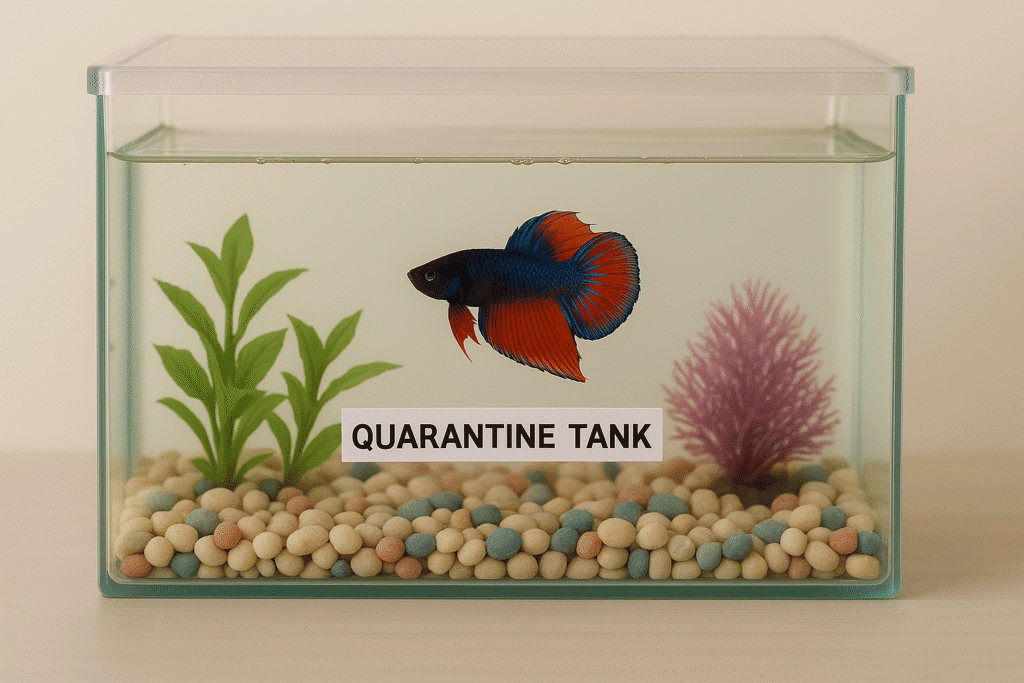
As I monitor my Betta’s recovery, I make it a point to regularly observe any changes in behavior, appetite, and swimming patterns. I also adjust water conditions, ensuring stability in temperature and pH, which are essential for my fish’s health. Long-term care strategies, including consistent routines and careful logging of progress, help me provide the best environment for my Betta to thrive.
Regular Observation Practices
While observing your betta fish, you’ll notice that even subtle changes in behavior can signal potential health issues or stress. Regular observation is essential for their recovery and long-term care. Here are three key practices to implement:
- Monitor water parameters: Keep an eye on temperature, pH, and ammonia levels to guarantee ideal water quality.
- Document observations: Use a journal to track behavioral changes and feeding habits, noting any decreased appetite that may indicate stress or illness.
- Perform regular water changes: Establish a routine to maintain a clean environment, promoting the overall health of your Betta.
Adjusting Water Conditions
Adjusting water conditions is essential for your betta fish’s recovery and long-term health. I regularly test water parameters to guarantee pH levels stay between 6.5 and 7.5, while ammonia and nitrites remain at zero ppm and nitrates below 20 ppm. This promotes ideal water quality, which is critical for recovery.
I also conduct partial water changes of 25-50% weekly, as clean water is fundamental. Monitoring water temperature is another key aspect; I keep it consistently between 78-82°F to prevent additional stress. Additionally, I use a high-quality water conditioner to eliminate harmful ammonia from tap water.
By observing my Betta daily for signs of improvement or distress, I can promptly adjust water conditions to support their health.
Long-Term Care Strategies
After ensuring ideal water conditions for my Betta’s recovery, I focus on long-term care strategies that support their health and well-being. To promote a thriving environment, I prioritize the following:
- Monitor water parameters regularly, checking temperature, pH, and ammonia levels to maintain water quality.
- Maintain a consistent feeding schedule with high-quality, easily digestible foods to support recovery and prevent digestive issues.
- Observe your betta fish for signs of stress or illness, such as changes in swimming behavior or appetite, so I can address any issues promptly.
Additionally, I implement a weekly water change routine of 10-20% to reduce stress and keep the tank clean. Adding enrichment items like plants can also create a more stimulating environment for my Betta.
Conclusion
To summarize, addressing betta shock requires a careful approach to guarantee your fish’s recovery. By understanding the symptoms and causes and taking immediate steps to improve their environment, you can help your Betta regain its energy. Remember, a stable habitat and consistent monitoring are key to long-term health. With patience and attention, you can support your Betta through this challenging time and foster a thriving aquatic companion. Your efforts can truly make a difference in their well-being.