Managing betta fish aggression starts with an understanding of their territorial nature and the importance of environmental enrichment to reduce stress and improve overall welfare. Betta splendens often build a bubble nest, which serves as both a breeding platform and an indicator of comfort in their surroundings.
To minimize conspecific aggression, it is recommended to keep only one male per tank and to introduce visual barriers, such as plants or decorations, that break lines of sight. Gradual acclimation and careful monitoring of fighting behavior can prevent harmful confrontations.
Understanding Betta Fish Characteristics
When considering betta fish, their vibrant colors and long fins immediately stand out, a result of selective breeding for ornamental traits. Historically bred as fighting fish in Thailand, male bettas display territorial behaviors—puffing gills and engaging in biting—that reflect their genetic predisposition for aggression. These behaviors can also include the construction of a bubble nest, an instinctive activity linked to reproductive readiness.
The Role of Visual Stimuli in Aggression
Visual stimuli strongly influence betta aggression; reflections or sight of another fish can trigger threat displays and conspecific aggression. Studies indicate that isolating fish from visual cues before social introduction reduces aggressive encounters, suggesting that managing sight lines is crucial for minimizing fighting behavior.
Causes of Aggression in Betta Fish
Aggression in bettas arises from territorial instincts to defend resources like food and breeding sites. Environmental factors—such as small, barren tanks—exacerbate aggressive tendencies, while tanks featuring varied decor and hiding spots mitigate stress and conspecific aggression. Female bettas may also exhibit territoriality under certain conditions, highlighting the multifaceted causes of aggression.
Signs of Fighting and Aggressive Behavior
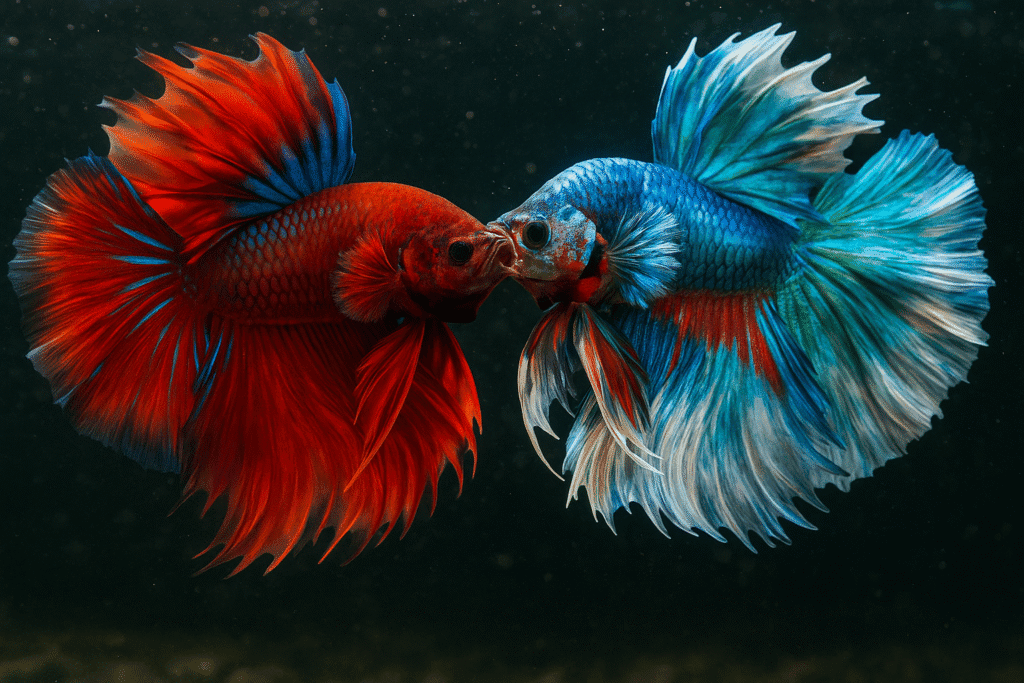
Key indicators of aggression include gill flaring, ramming, and fin nipping, all signs that conflicts may escalate into serious harm or death. Missing scales, torn fins, and increased hiding further point to ongoing fights. Lethargy and decreased appetite may follow severe aggression, underscoring the need to monitor aquarium water quality and social interactions closely.
Strategies for Managing Aggression in Community Tanks
- Keep only one male Siamese fighting fish per tank to prevent direct combat.
- Introduce visual barriers and rearrange decor to break established territories and promote calmer interactions.
- Acclimate new tank mates by floating their bags and gradually mixing water, which reduces stress and supports oxygen balance in the aquarium water.
Benefits of Providing Hiding Spots
Incorporating plants, caves, or ornaments offers safe retreats that reduce direct confrontations and conspecific aggression. Research shows that bettas in tanks rich in hiding spots exhibit fewer aggressive incidents and more pronounced bubble nest building.
The Importance of Gradual Acclimation
Proper acclimation—floating the transport bag for 15–30 minutes and slowly adding tank water—stabilizes temperature and water parameters, reducing stress-induced fighting behavior. A breeder box can facilitate visual contact without physical interaction, further mitigating aggression.
Quarantine Period Significance
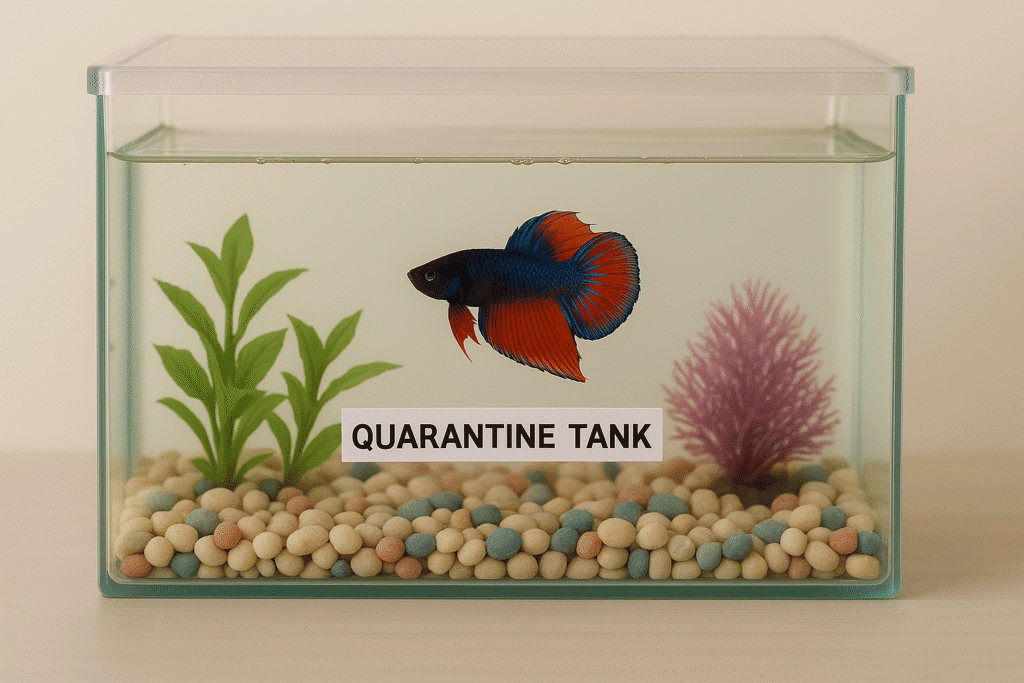
A quarantine period of at least one day allows for the observation of health issues before introducing a betta to a community setup. This practice helps prevent the spread of disease and reduces stress-related aggression once fish join the main display tank.
Monitoring Interactions for Compatibility
Over several days, observe hiding tendencies, gill flaring, and fin nipping to detect bullying or excessive fighting behavior. If aggression persists, rearranging decor can disrupt territories, fostering new social hierarchies and reducing conspecific aggression.
In summary, effective management of betta aggression hinges on balancing their territorial instincts with thoughtful tank design and careful social introduction. By providing environmental enrichment, maintaining optimal aquarium water conditions, and respecting their natural behaviors—such as bubble nest creation—hobbyists can ensure a harmonious and vibrant community.