When it comes to Betta splendens, bubble nests aren’t a sign of happiness; they signify breeding readiness. I’ve observed that male bettas create these nests using saliva and air, primarily to protect fertilized eggs. Not every male will build a nest even when conditions are ideal, highlighting individual variability in behavior.
Understanding Bubble Nests
When I observe male Siamese fighting fish, I notice their behavior of creating bubble nests, which serve as part of their reproductive process. These nests are made using saliva and air, providing a protective environment for fertilized eggs. Male bettas typically build their nests in still-water areas near tank walls or under floating objects to prevent bubbles from popping. The presence of betta bubble nests indicates the male’s readiness to mate, though it doesn’t guarantee overall well-being.
How Bubble Nests Are Created
To understand how bubble nests are created, I look at the process of bubble formation and the role of saliva in this unique behavior. Male betta fish gulp air from the surface and exhale bubbles that stick together thanks to their saliva, forming a nest. Calm water enhances nest stability, and tannins from leaves or driftwood increase bubble stickiness. If their nests are disturbed, I’ve seen bettas instinctively rebuild them, demonstrating a commitment to creating a safe environment that signals breeding readiness.
Bubble Formation Process
The bubble formation process begins when the male gulps air from the surface, using it to craft clusters of bubbles one at a time. I’ve noted that he chooses calm water areas to ensure stability for the nest. Natural tannins enhance bubble stickiness, further strengthening the structure.
Role of Saliva
Male bettas take gulps of air and coat these bubbles with saliva, enhancing their stickiness and stability as they build the nest. I find that this process ensures the nests remain intact and protected from disturbances. The size and structure of nests can vary, reflecting the health and vigor of individual fish.
Environmental Influences
While male bettas instinctively build nests as a sign of reproductive readiness, I understand that environmental conditions play a crucial role in this process. Warm water encourages bubble nest formation, signaling breeding readiness. Still, shallow water helps limit bubble burst risk. Materials like driftwood or Indian almond leaves increase bubble stickiness. Low oxygen levels prompt bettas to gulp air and create nests.
The Purpose Behind Bubble Nests

When I observe a male betta constructing a bubble nest, it’s clear this behavior is rooted in reproductive instincts. These nests serve as a safe haven for fertilized eggs and demonstrate the male’s readiness to care for offspring. Understanding this behavior clarifies the significance of bubble nests beyond aesthetics.
Nesting Behavior Explained
Bubble nests indicate breeding readiness rather than emotional state. Male bettas use saliva and air to construct nests in sheltered areas. The nest protects fertilized eggs and fry, showcasing the male’s protective instincts. Not all males build nests, highlighting individual variation.
Reproductive Significance Explained
Bubble nests play a significant role in reproduction, acting as a clear indicator of readiness to mate. After mating, males transfer eggs into the nest and guard them to prevent fungal growth. The presence of a nest signals that the male is hormonally primed for spawning.
The Misconception of Happiness in Bettas
Many aquarists believe that bubble nests indicate happiness, but this notion is misleading. Bettas can build nests in suboptimal environments; showing a nest isn’t proof of well-being. Some may never create nests even under ideal conditions, highlighting behavioral variation. Water quality and security impact happiness more than nest presence.
Water Changes and Bubble Nest Preservation
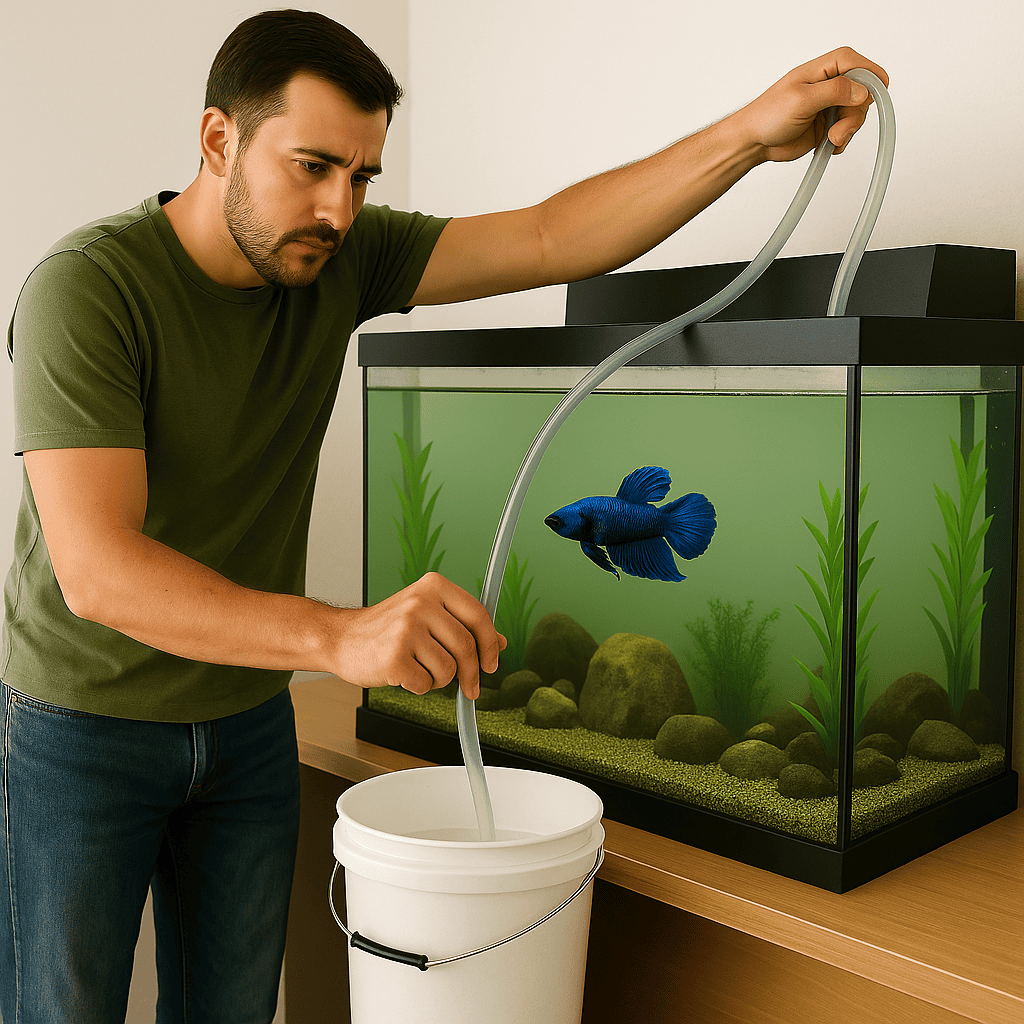
During water changes, I use gentle siphoning techniques and cover the nest with a cup to minimize disruption. Clean water is fundamental for well-being, and bettas can rebuild nests quickly after disturbances, so I don’t feel guilty about necessary maintenance.
Ideal Conditions for Betta Nesting
- Tank size: a minimum of 5 gallons, with 10 gallons preferred for breeding activities
- Water temperature: maintain between 76 and 82°F to promote nesting
- Filtration: use gentle filters to avoid currents that disrupt nests
- Natural elements: include Indian almond leaves and floating plants to enhance nest-building conditions
Breeding Instincts and Nest Building
Bubble nests are constructed as a signal of breeding readiness, indicating the male’s reproductive age. Male bettas build nests to protect fertilized eggs post-mating and guard them until fry hatch. This instinctual behavior is linked to hormonal cycles, although nests can form in less-than-optimal conditions.
Maintaining a Healthy Betta Habitat
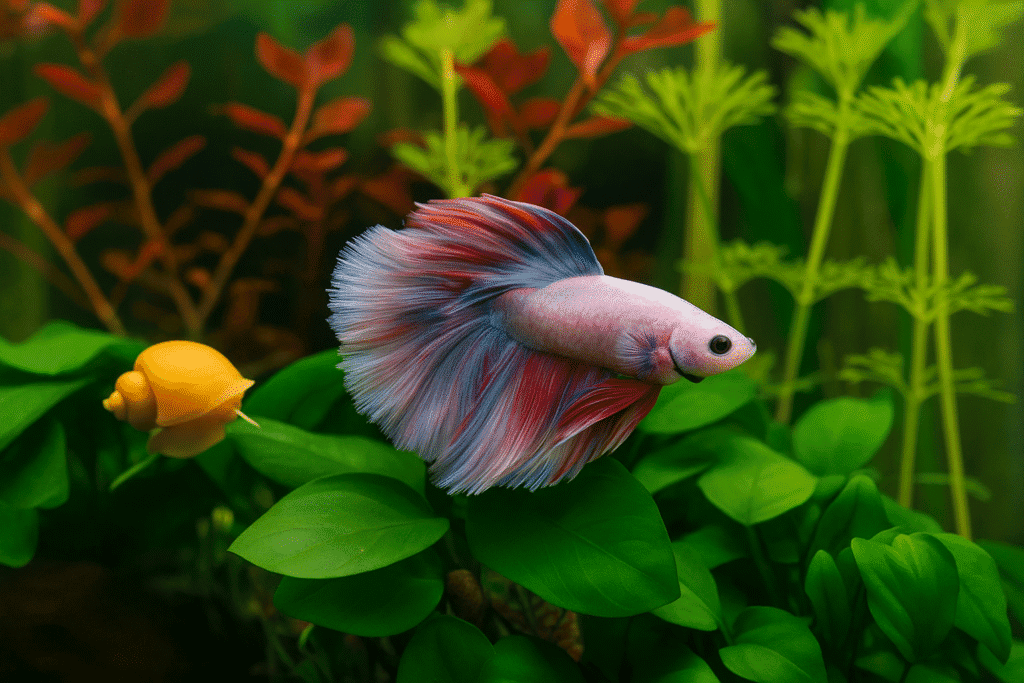
I maintain a minimum tank size of 5 gallons, ideally 10 gallons, to guarantee ample space for my Betta. I keep the water temperature between 76 and 82°F, avoiding fluctuations that stress bettas. Gentle filtration and stable water parameters support bubble nest building in a thriving environment.
Betta Fish Compatibility in Community Tanks
Male bettas should not share tanks with similar-bodied fish to prevent aggression. Peaceful shoaling fish like neon tetras and bottom dwellers like corydoras coexist well. Invertebrates such as snails and shrimp are great companions since they don’t compete for space or food.
Conclusion
In summary, understanding bubble nests in betta fish reveals that these structures are more about breeding readiness than indicators of happiness. Maintaining ideal conditions can encourage nesting, but a bubble nest doesn’t guarantee contentment. By focusing on habitat health and recognizing breeding instincts, caregivers can better support Betta splendens well-being.