Transporting betta fish long distances requires careful planning to transport fish with minimal stress and guarantee their survival. I suggest using insulated coolers and bags filled with water and air.
Monitor water temperature (25-28°C) and oxygen levels with a battery-operated air pump during the journey. It’s crucial to acclimate your fish to new environments gradually upon arrival.
Understanding the Importance of Proper Fish Transport
When it comes to shipping betta fish, understanding the importance of proper transport can’t be overstated. These sensitive creatures require meticulous attention when transporting fish to minimize stress and prevent harm. Using fish bags instead of rigid containers is essential, as they reduce sloshing and provide adequate space for movement while ensuring proper oxygen levels.
I recommend filling the bags with one-third of the air and tying them tightly to avoid leaks. Betta fish can survive in well-prepared bags for up to 24–48 hours, so maintaining ideal water conditions is vital.
Additionally, monitoring the temperature and having contingency plans—like heat packs for cold weather or ice packs for warm conditions—can greatly enhance the safety and well-being of your transported bettas.
Situations That May Require Transporting Your Betta
Transporting your betta fish can become necessary for various reasons beyond just shipping. For instance, a veterinary visit may arise if your Betta needs health checks or treatments. If you’re relocating to a new home, you’ll need to transport your fish carefully to maintain stable water conditions.
Significant tank cleaning or repairs might also require temporary relocation. Additionally, if you’re participating in fish shows or competitions, you’ll need to transport your Betta to guarantee it’s showcased in a controlled environment.
Emergencies, such as tank malfunctions or natural disasters, may necessitate quick action to transport your fish for their safety and well-being. I’ve personally prepared for these scenarios to ensure my Betta’s safety.
Essential Equipment and Supplies for Transport
When preparing to transport your betta fish, it’s essential to select the right containers and temperature control tools. I recommend using a water conditioner alongside a small insulated cooler and a reliable battery-operated air pump for longer trips.
By ensuring stable water conditions and proper aeration, you’ll greatly reduce the stress on your fish during transport.
Transport Containers Overview

Choosing the right transport containers for betta fish is essential to guarantee their safety and well-being during long-distance journeys. I recommend considering the following:
Transport Bags: Use bags filled with water from the aquarium, ensuring they’re one-third air for ventilation. Tie them tightly to prevent spills.
Styrofoam-lined boxes: These provide excellent insulation, maintaining stable temperatures. Placing towels or bubble wrap between the bags can help secure them.
Battery-Operated Air Pumps: For extended trips, these pumps maintain oxygen levels in your transport container, keeping the fish comfortable.
Temperature Control Tools
To guarantee betta fish stay within their ideal temperature range during transport, I recommend using insulated containers like styrofoam boxes or coolers, as they effectively minimize temperature fluctuations. Incorporating battery-operated air pumps is vital for maintaining adequate oxygen levels during long journeys.
If you’re traveling in cooler climates, consider adding heat packs or hand warmers to keep the water temperature between 25–28 °C (77–82.4 °F). Conversely, if temperatures rise, use ice packs wrapped in towels to cool the water safely. Running your vehicle’s air conditioner on low can also help prevent the cooler from overheating.
Finally, monitor the water temperature frequently with a thermometer to confirm it remains stable and within safe limits. These temperature control tools are essential for safeguarding the health and well-being of your betta fish during transport.
Preparing Your Betta for Travel
As you prepare your Betta for travel, it’s crucial to start monitoring its health and documenting current water conditions at least two weeks in advance. This proactive approach helps guarantee your fish remains healthy during the journey.
Here are the key steps I follow:
Monitor Water Conditions: Track temperature, pH, and ammonia levels to ensure stability.
Pack Properly: Use a well-sealed bag filled with tank water, leaving adequate air space for oxygen, and tie it tightly to prevent leaks.
Stop Feeding: Refrain from feeding your Betta 24–48 hours before transport to minimize waste.
Steps for a Successful Driving Relocation
When I prepare for a long-distance driving relocation with my betta fish, I focus on three key areas: pre-transport preparations, packing techniques, and temperature management.
Pre-Transport Preparations
Preparing for the transport of your betta fish requires careful planning and attention to detail, ensuring a smooth relocation. Here are some essential pre-transport preparations I recommend:
Health Assessment: Begin at least two weeks prior by documenting your Betta’s health and current water parameters, including temperature and pH levels.
Water Change: Change 20–25% of the aquarium water three days before the move, and stop feeding your Betta two days prior to minimize waste during transport.
Transport Setup: Use a small cooler or insulated box, placing your Betta in a bag with water matching the tank’s parameters, filled with one-third of air for ventilation.
Maintaining stable conditions is vital for your Betta’s well-being during the journey.
Packing Techniques

Proper packing techniques are essential for a successful driving relocation of your betta fish. I recommend filling bags one-third with water and two-thirds with air to guarantee adequate ventilation and reduce stress. For insulation against temperature fluctuations, use a styrofoam-lined box.
If you’re traveling for an extended period, a battery-operated air pump can help maintain oxygen levels. When transporting multiple fish, place them in separate bags, snugly fitting them in the box with towels in between to prevent sloshing. Finally, upon arrival, allow your Betta to acclimate to the new aquarium environment for 60–120 minutes to minimize shock.
These packing techniques will help assure your fish arrive safely and comfortably at their new home.
Temperature Management
To guarantee your betta fish remain healthy during transport, managing temperature is critical. Here are some key steps I follow for effective temperature management:
Use insulated containers: Styrofoam coolers help maintain stable water temperatures (25–28 °C or 77–82.4 °F) and prevent extreme fluctuations.
Monitor the temperature: Check the water temperature frequently, especially in summer. If it gets too warm, add ice packs; if it’s too cold, use hand warmers.
Avoid leaving the fish unattended: Never leave the fish in a locked car, as temperatures can rise rapidly, causing heat stress.
For extended trips, consider a battery-operated air pump to maintain oxygen levels while keeping an eye on the temperature. Prioritizing these steps guarantees your betta fish’s health during transport.
Managing Temperature and Oxygen Levels During Transport
While transporting betta fish, managing temperature and oxygen levels is essential for their well-being. I maintain a stable water temperature between 25–28 °C (77–82.4 °F) to minimize stress and prevent health issues. Using battery-operated air pumps guarantees adequate oxygen levels, as low oxygen can lead to suffocation.
If the water warms up, I carefully use ice packs, being cautious not to cool the water below 20 °C (68 °F). A styrofoam cooler is my go-to for insulation, as it stabilizes temperature and shields the fish from rapid environmental changes.
Throughout the journey, I regularly check water parameters, including temperature and oxygen levels, to guarantee the best conditions for my betta fish.
Acclimating Your Betta After Arrival
Once your Betta arrives, I recommend starting the acclimation process by floating the transport bag in the tank for 15–20 minutes to gradually adjust the temperature. After that, mix small amounts of tank water into the bag every 10–15 minutes for at least an hour to help your Betta adapt to the new water conditions.
It’s essential to closely monitor your Betta’s behavior during this time to catch any signs of stress or illness early.
Gradual Temperature Adjustment
Acclimating your betta fish after arrival is essential to guarantee a smooth change into its new environment. I recommend a gradual temperature adjustment over 60–120 minutes to prevent shock. Here’s how to do it:
- Float the bag: Place the transport bag in the new aquarium for 15–20 minutes to equalize temperatures.
- Add new water: Open the bag and slowly introduce small amounts of your aquarium water every 10–15 minutes. Increase the volume gradually throughout the acclimation period.
- Release your Betta: Once acclimated, gently release your Betta into the tank, avoiding adding the transport water to minimize the risk of contaminants.
Monitor Behavior Closely
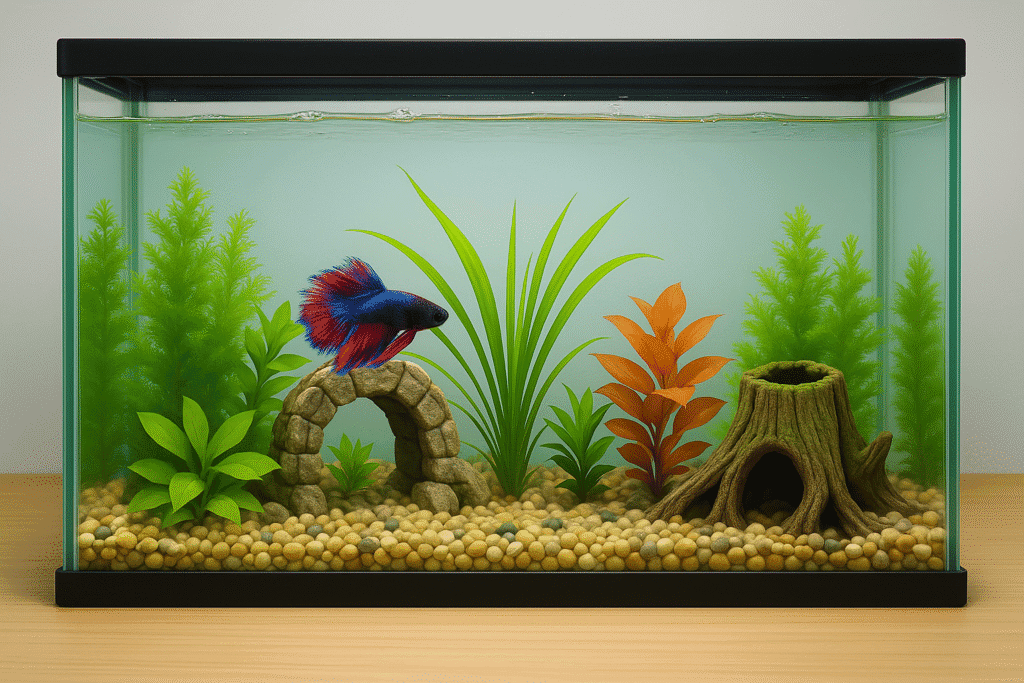
Monitoring your betta fish’s behavior closely during the acclimatization process is essential for its well-being. After arriving, I recommend acclimating your Betta for 60–120 minutes to prevent shock. Start by floating the transport bag in the tank for 15–20 minutes, allowing temperature and pressure to equalize.
Watch for signs of stress, such as erratic swimming, hiding, or rapid gill movement. It’s critical to guarantee that water parameters, including temperature, pH, and ammonia levels, match those of the original environment. Avoid feeding your Betta for about a day, as stress can inhibit eating.
During the first week, keep a close eye on any unusual behavior or signs of illness to guarantee a smooth adjustment into its new home.
Monitoring Your Fish’s Health Post-Transport
After your betta fish arrives, it’s vital to keep a close eye on its health for at least a week. Effective monitoring is important to identify any signs of stress or illness. Here’s what to focus on:
- Water Parameters: Check temperature, pH, ammonia, nitrite, and nitrate levels to match the fish’s original environment.
- Acclimation: Gradually acclimate your fish by floating the transport bag in the tank for 15–20 minutes.
- Behavioral Changes: Observe for lethargy, loss of appetite, or abnormal swimming.
Avoid feeding your Betta for the first-day post-transport, and only resume once it appears stable. If you notice unusual symptoms, consult a veterinarian promptly to guarantee your fish’s well-being.
Handling Transportation Emergencies
When unexpected transportation issues arise, it’s crucial to act swiftly to guarantee your betta fish remains safe and healthy. If you experience temperature fluctuations during transport, use emergency blankets for cold conditions or ice packs for overheating.
Always monitor the water temperature, keeping it stable between 25–28 °C (77–82.4 °F). A portable battery-operated air pump is essential to provide adequate oxygen if the fish shows stress or if transport extends beyond the planned duration. In case of delays, re-bag the fish with fresh water after two days to prevent ammonia buildup.
Secure your transport container to minimize movement, and have emergency contacts, like a veterinarian, readily available for guidance if signs of distress occur.
Seeking Professional Advice for Fish Care
Although I often feel confident about my ability to care for my betta fish, seeking professional advice from my local pet store is essential, especially during transport. Consulting with experts guarantees the health and safety of my fish. Here are three key areas where professional guidance can make a difference:
- Preparation: A veterinarian experienced in fish care can advise on pre-transport health checks and necessary documentation.
- Acclimation: Fisheries experts offer tailored advice on acclimation processes and specific water parameters for my bettas to thrive in new environments.
- Emergency Handling: Regular communication with aquatic care specialists equips me with emergency handling techniques, guaranteeing I’m prepared for any signs of distress during the journey.
Conclusion
In summary, successfully transporting your betta fish requires careful planning and attention to detail. By understanding the importance of proper transport, preparing adequately, and monitoring your fish’s health post-journey, you can guarantee a smooth shift.
Always be ready for any emergencies and don’t hesitate to seek professional advice if needed. With the right approach, your Betta can thrive even after a long-distance move, making the journey worthwhile for both you and your aquatic companion.