If you’re looking to train your Betta fish in flare displays, it’s important to understand that flaring is a controlled aggression used for asserting dominance and attracting mates. I recommend using a flare stick for 5–10-minute sessions to stimulate their natural instincts.
This practice not only enhances their physical appearance but also encourages mental stimulation. However, be mindful of stress levels and ethical considerations. There’s much to explore about the benefits and techniques involved in flare training.
Understanding Betta Fish Behavior
While observing Betta fish, it’s fascinating to see how their behavior reveals their complex social dynamics and instincts. Male Betta fish, in particular, display aggressive tendencies, especially when confronted with rivals or reflections.
This flaring behavior serves an essential evolutionary purpose, allowing them to appear larger and more intimidating while minimizing physical confrontations. It also indicates their fitness as potential mates and underscores their territorial nature.
I’ve found that interactive tools like the Betta Fish Flare Stick Toy can encourage this innate behavior, promoting healthy engagement. Research shows that visual stimuli considerably impact these aggressive displays, highlighting the importance of social interactions.
Understanding these dynamics can help us create environments that nurture the well-being of our Betta fish in optimal water conditions.
The Importance of Flaring
Flaring is a vital natural behavior for male Betta fish, serving both as a visual display and a method of communication. When I encourage this behavior, I not only enhance their environment but also promote their health and activity levels. Understanding the significance of flaring helps us appreciate its role in their daily lives and overall well-being.
Natural Behavior Encouragement
Understanding the significance of flaring in Betta fish behavior is essential for any aquarist looking to maintain a healthy environment for their pets. Flaring is a natural instinct, primarily seen in male Bettas, that allows them to assert dominance and attract mates.
This behavior minimizes physical confrontation, helping establish social hierarchies through visual displays. Encouraging flaring not only supports their natural instincts but also promotes their overall health. Engaging Bettas with tools like the Interactive Betta Fish Flare Stick Toy can stimulate this behavior, leading to increased physical activity and ideal fin development.
Research shows that flaring is also linked to hormonal responses, with higher serotonin levels correlating to reduced aggression, showcasing a balance between their instincts and health. I’ve noticed that maintaining stable parameters—temperature, pH, and cleanliness—can make a big difference in consistent displays.
Visual Display Significance
When observing Betta fish, it’s clear that their flaring behavior serves an essential role in their social interactions and overall well-being. This display not only makes them appear larger and more intimidating to rivals, but it also plays a crucial part in attracting potential mates, akin to peacocks showcasing their feathers. Notably, flaring can even be triggered by reflections, highlighting its importance in territorial defense. Here’s a concise breakdown of its significance:
| Aspect | Importance |
|---|---|
| Perceived Size | Deters rivals |
| Courtship Display | Attracts mates |
| Dominance Assertion | Reduces physical confrontations |
| Hormonal Influence | Males flare more intensely |
| Territorial Behavior | Protects their space |
Health and Activity Benefits
Though often seen as a mere display of aggression, the act of flaring in Betta fish offers numerous health and activity benefits that are important for their well-being. Engaging in flaring behavior encourages their natural instincts, promoting a healthy, active lifestyle through ritualistic displays.
Regular flaring sessions enhance fin development and overall appearance, which is essential for show purposes. Additionally, flaring stimulates Betta fish mentally, introducing variety to their routines and reducing boredom. This increased activity level combats obesity and related health issues.
Furthermore, flaring serves as social interaction among Bettas, significant for mental health and stress reduction when conducted in a controlled environment. I’ve observed that proper filtration and regular partial water changes support longevity and vigor.
Techniques for Flare Training
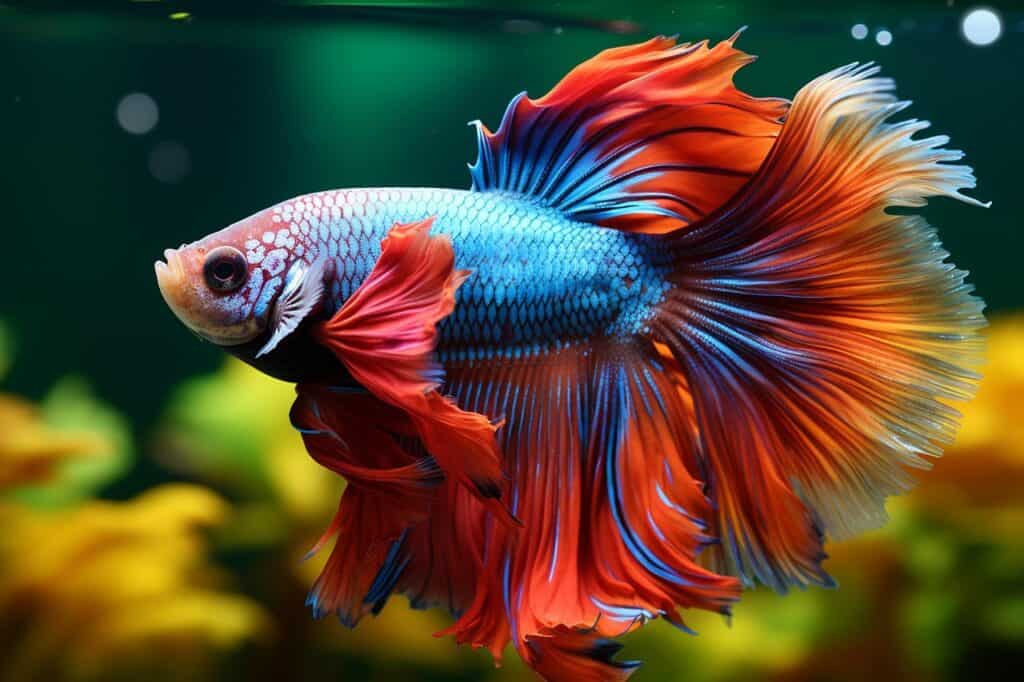
Flare training Bettas requires a systematic approach to effectively encourage their natural display behaviors. One effective technique involves using a training flare stick, which I hold near the tank or submerge in the water to stimulate interactions.
I typically engage my Betta for about 5–10 minutes, avoiding prolonged sessions to prevent stress. Allowing each Betta to take turns flaring mimics social interactions, reducing aggression while promoting well-being. This method not only enhances their physical appearance by developing their finnage and colors but also prepares them for competition evaluations.
Consistent flare training fosters mental stimulation and physical fitness, ensuring my Betta remains healthy and vibrant. By employing these techniques, I can truly serve my Betta’s needs while observing fascinating parental care behaviors in Bubble Nest builders.
Health Benefits of Controlled Aggression
When I observe my Betta fish engaging in flare training, I see clear benefits tied to their natural behaviors. This controlled aggression not only promotes physical fitness but also serves as a stress relief outlet, allowing them to express instincts without violence.
Encouraging flaring enhances their overall well-being and vibrant coloration, which is essential for a healthy, active fish. I’ve learned that spotting early signs of stress—lethargy or clamped fins—lets me adjust sessions accordingly.
Natural Behavior Promotion
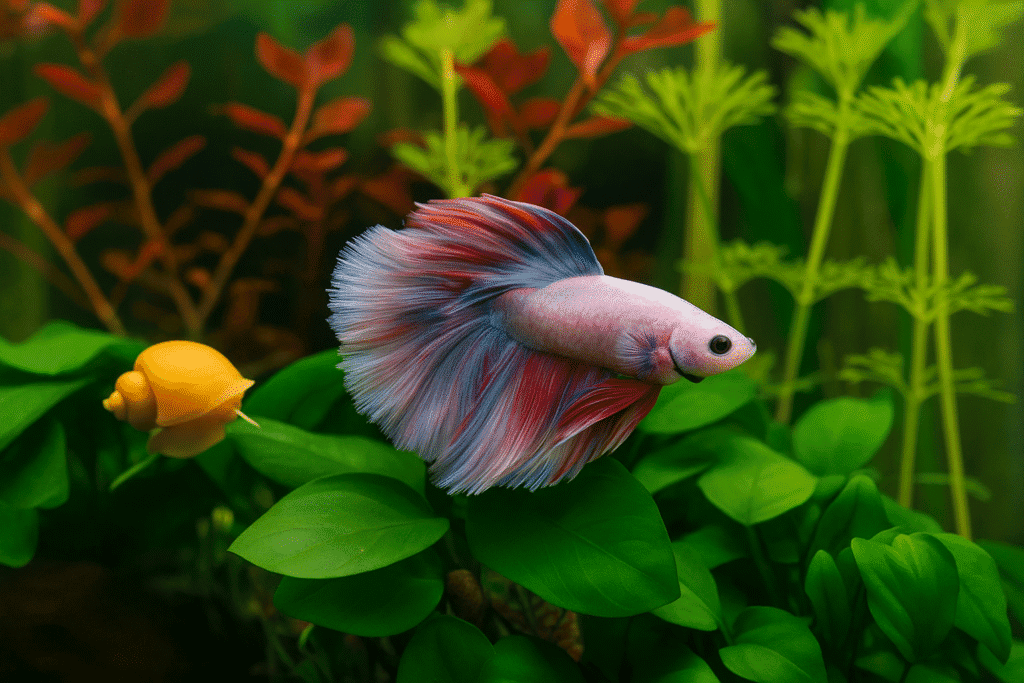
How can we guarantee our Betta fish thrive in both body and mind? Engaging in controlled aggression display through flare training is essential for promoting natural behaviors in our Siamese fighting fish community. This method encourages flaring and swimming, enhancing their physical fitness while stimulating their minds.
By utilizing interactive toys like the Flare Stick, activity levels increase, supporting a healthy lifestyle and reducing the risk of stress-related issues. Flaring acts as exercise, helping Betta fish develop their finnage and overall health.
Regular flare training not only maintains their natural instincts but also fosters social interaction within their environment, minimizing lethargy and potential health problems. I often time sessions to coincide with daylight cycles for consistency.
Stress Reduction Techniques
While many might overlook the significance of stress management in Betta fish care, understanding the health benefits of controlled aggression is vital for their well-being. Engaging males in flare training serves as a healthy outlet for their natural behaviors, reducing stress in a non-threatening environment.
Visual stimuli, like flare sticks, stimulate ritualistic behaviors that can alleviate anxiety. Additionally, flaring allows males to establish dominance, minimizing the need for physical confrontations and further decreasing stress levels.
By integrating controlled aggression techniques, we enhance their mental stimulation, improve mood, and promote overall well-being, ultimately leading to happier, healthier Betta Splendens specimens.
The Role of Visual Stimuli
Visual stimuli greatly influence the aggressive behaviour of male Betta fish, as they readily respond to the sight of competitors or reflections. These visual cues trigger flaring, an essential display that allows males to assert dominance without physical conflict.
I’ve observed that the presence of a training flare stick, simulating another Betta, effectively encourages these displays while promoting healthy aggression management and insightful observations of Bubble Nest formation.
Observing Flaring in Action
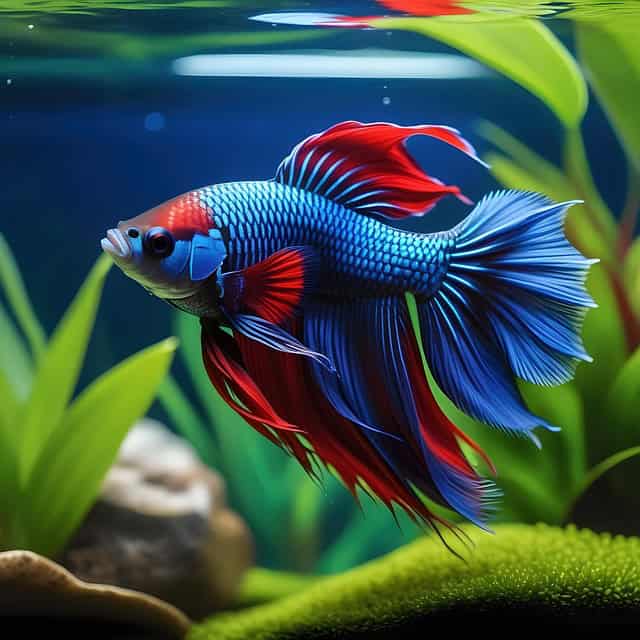
Flaring in Betta fish offers a fascinating insight into their behavioral dynamics. I’ve observed this enchanting display where males expand their fins and gill covers, appearing larger and more imposing. It’s interesting how flaring is often triggered by visual stimuli, like a reflection or the sight of another male.
This behavior can last several minutes, showcasing not just aggression but also a Betta’s fitness as a mate. I’ve learned that flaring plays an essential role in courtship and establishing dominance. Surprisingly, research indicates that serotonin levels influence this behavior, with higher levels reducing aggression.
Ultimately, flaring minimizes physical confrontations, allowing Betta fish to exhibit territorial and mating displays efficiently, conserving their energy for critical activities. These observations highlight the importance of stable water conditions and attentive monitoring.
The Science Behind Aggression
Understanding the underlying mechanisms of aggression in male Betta fish reveals much about their social interactions and survival strategies. Aggressive behaviour is primarily triggered by visual stimuli, prompting immediate flaring when another male is present.
This flaring not only enhances their appearance, making them seem larger, but also serves an evolutionary function by reducing the likelihood of physical confrontations. Research indicates significant differences in aggression, with males exhibiting lethal tendencies while females coexist peacefully.
Notably, serotonin levels may influence these displays, as higher serotonin correlates with decreased aggression. Studying the neural circuits related to aggression in Betta fish can provide valuable insights into broader social behaviors, enhancing our understanding of aggression across species, including humans.
Ethical Considerations in Training
The exploration of aggression in Betta fish raises important ethical questions when it comes to training practices. As I reflect on this, I’ve identified several key considerations:
- Stress and Vulnerability: Encouraging flaring can lead to increased stress and susceptibility to disease.
- Physical Exhaustion: The energy-intensive nature of flaring may cause exhaustion or injury to the fish.
- Natural Behavior: Flaring serves no health benefit for female Bettas and should not be exploited for entertainment.
- Humane Practices: Ethical training must prioritize the well-being of the fish, avoiding inhumane practices that contradict a nurturing environment.
Future Research Directions
As I explore future research directions, it becomes clear that connecting the neural mechanisms of aggression in Betta fish with specific visual stimuli holds significant promise. By investigating how males see and respond to these stimuli, we can enhance our understanding of their aggressive behaviors.
Additionally, examining hormonal influences, particularly testosterone, may reveal if female Bettas can display aggression typical of males. Research will also investigate the circuitry differences between sexes and how aggression states can change in adults.
This work could illuminate broader social behavior implications across species, including parallels in human interactions, and deepen our knowledge of parental care in fish.
| Research Focus | Key Questions | Potential Implications |
|---|---|---|
| Neural mechanisms of aggression | How do males see triggers? | Understanding aggression circuitry |
| Hormonal influences | Can females exhibit male aggression? | Insights into gendered behavior |
| Circuitry differences | How do males and females process cues? | Impacts on social structures |
| Aggression state plasticity | How do states change in adults? | Implications for behavioral flexibility |
| Cross-species comparisons | What parallels exist with humans? | Broader social behavior insights |
Conclusion
In summary, flare training can greatly enhance a betta fish’s well-being, allowing them to express their natural behaviors in a controlled manner. By understanding their aggression and implementing visual stimuli, we can create an environment that promotes physical health and mental stimulation.
However, it’s essential to approach this training ethically, ensuring our fish remain stress-free. As we continue to explore this fascinating aspect of Betta fish care, we pave the way for more effective and compassionate practices for Siamese fighting fish.