As your betta nears the end of its life, it’s essential to recognize signs of decline, such as loss of appetite and lethargy. Maintaining ideal water quality and creating a calming environment is important for its comfort. Providing enticing, nutritious food options can stimulate appetite during these final days. Monitor its behavior closely, and don’t hesitate to consult a veterinarian if you notice significant changes. There’s so much more to understanding this delicate time and honoring your betta’s legacy.
Recognizing Signs of Decline in Your Betta Fish
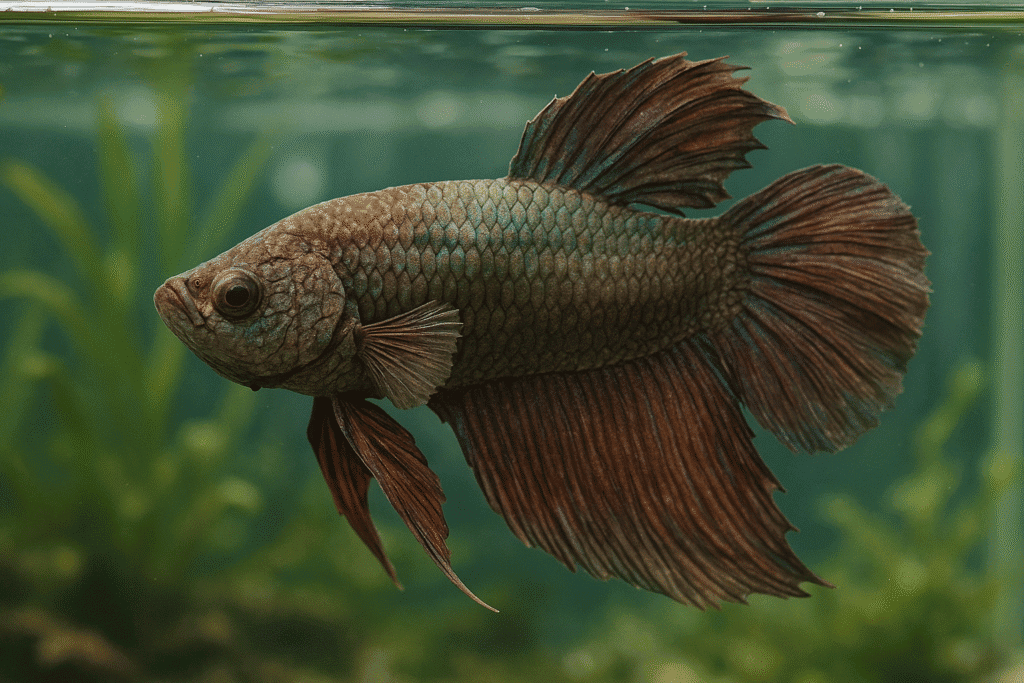
As I observe my betta fish, I can’t help but notice the subtle signs that may indicate a decline in their health. A loss of appetite often stands out; young bettas refusing food can signal illness, while older ones might be nearing their end. I’ve learned that spending excessive time at the bottom of the tank is another indicator of lethargy.
Visible physical symptoms like clamped fins and fading colors point to distress, while behavioral changes such as increased hiding and reduced activity suggest they’re unwell. It’s important to watch for unusual swimming patterns or buoyancy issues, as these can reflect discomfort. By recognizing these signs, I can provide the care my betta needs during this challenging time.
Understanding the Importance of Water Quality
While I care for my betta fish, I’ve realized that maintaining ideal water quality is essential for their health, especially as they age. Poor water conditions can lead to stress and worsen existing health issues. I make it a habit to check my water regularly for ammonia levels, nitrites, and nitrates, aiming for ammonia levels at zero ppm to prevent toxicity.
Performing weekly water changes of 10-20% helps to maintain water quality and dilute harmful substances. Additionally, keeping the tank clean and free of debris creates a stable environment, enhancing my betta’s comfort. Remember, a thriving betta needs warm water between 76-82°F, which supports their immune system during these vulnerable final stages.
Creating a Comfortable Environment for Your Betta
Creating a comfortable environment for your betta is essential, especially in their final days, since it can greatly impact their well-being. Maintaining a clean and well-maintained habitat is recommended, as it reduces stress and promotes comfort. Make certain the water temperature stays consistent between 76-82°F (24-28°C) to enhance their comfort.
Providing ample hiding spots with plants or decorations allows your betta to retreat and feel secure during this vulnerable time. Additionally, it’s suggested dimming the lights or using a gentle light cycle to create a calming atmosphere since bright lights can increase stress levels. Finally, minimizing disturbances around the aquarium helps foster a peaceful environment, allowing your betta to find solace in their final moments.
Providing Nutritional Support During Final Days

As one cares for your betta during their final days, you may find that providing enticing food options can really make a difference. Adjusting the feeding frequency and incorporating nutritional supplements might help maintain their strength and interest in eating. It’s essential to observe their responses closely and adapt our approach to meet their changing needs.
Enticing Food Options
When a betta fish enters its final days, enticing them to eat can be a delicate challenge, yet it’s vital for their comfort and well-being. I’ve found that offering smaller portions of high-quality, nutrient-rich foods, like freeze-dried bloodworms or brine shrimp, can really help. Live foods, such as daphnia or mosquito larvae, are excellent options to stimulate feeding behavior and provide essential nutrients.
You can also soak pellets in garlic juice to enhance their appeal, making it easier to feed your fish. Consider rotating various food types, including gel foods or specially formulated betta flakes, to maintain their interest. Always verify that the food is fresh and free from contaminants to avoid further stress on your beloved companion.
Adjusting Feeding Frequency
Adjusting the feeding frequency for a betta fish nearing the end of its life is crucial for their comfort and health. As I observe my betta fish showing signs of decline, I find it essential to reduce feeding to every other day or even less often. This helps prevent overloading their digestive system. I offer small, enticing portions of high-quality or live foods to stimulate their appetite and provide necessary nutrients during their final days.
If they refuse to eat, I monitor the betta’s condition closely, considering garlic-soaked or medicated foods to encourage eating. Ultimately, my goal is to make them as comfortable as possible, focusing on their well-being rather than forcing food they may not want.
Nutritional Supplements Importance
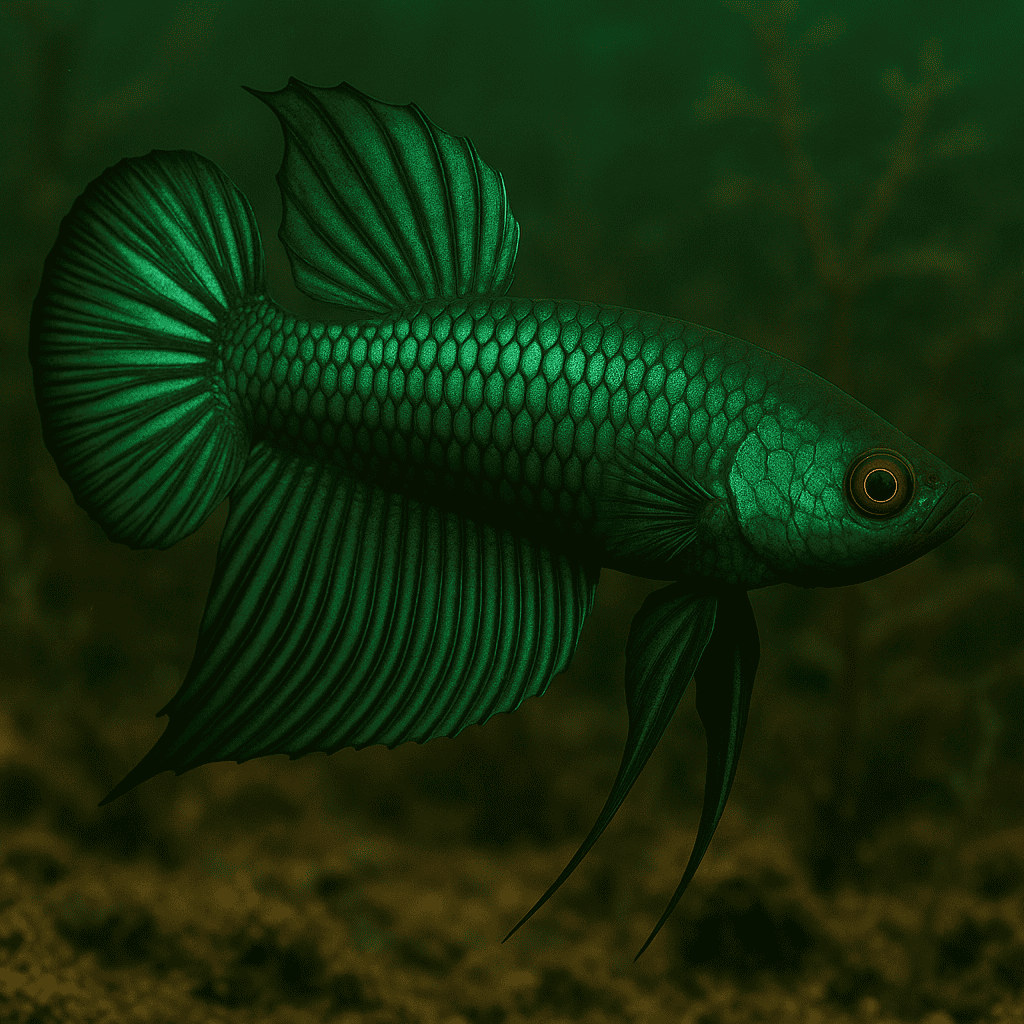
Providing nutritional support during a betta fish’s final days is crucial for their comfort and health, especially as they may struggle to maintain their appetite. High-quality, easily digestible foods, like high-protein pellets or frozen live foods, can stimulate their appetite.
Nutritional supplements, such as garlic extract, can enhance flavor and boost the immune system, encouraging a sick fish to eat. It’s important to offer smaller portions to prevent waste and reduce stress. Incorporating specialized senior fish foods meets the nutritional needs of aging bettas, promoting their overall well-being in these final stages.
| Food Type | Benefits | Examples |
|---|---|---|
| High-Protein Pellets | Stimulates appetite, provides balanced nutrition, supports growth and immune health[1][3][6] | Sinking pellets, floating pellets |
| Senior Fish Foods | Tailored nutrition for aging fish, easier digestion, supports longevity |
Recognizing When to Seek Veterinary Assistance
How can you tell if your betta fish needs veterinary care? If you notice signs of lethargy, loss of appetite, or abnormal swimming patterns lasting more than a couple of days, it’s important to know it’s time to consult a vet experienced with aquatic animals. Visible physical changes like discoloration, skin lesions, or deteriorating fins require immediate attention to diagnose potential diseases.
Breathing difficulties, such as gasping at the surface, indicate serious health issues that need professional evaluation. If your betta is hiding more than usual, isolating itself, or displaying clamped fins, I seek help to address underlying problems. Regularly monitoring water quality and observing behavior can help identify when veterinary care is necessary for your betta’s health and well-being.
Comfort Care: Enhancing Quality of Life

While caring for a betta fish nearing the end of its life can be emotionally challenging, creating a comfortable environment is essential for enhancing its quality of life. Ensuring clean water conditions and maintaining ideal temperature levels will help ease stress and support breathing difficulties. I’ve found that adding aquarium salt can reduce swelling, making for a more soothing habitat during its final days.
Incorporating hiding spots, like plants or decorations, allows your betta to feel secure, promoting a sense of safety. Dimming the lights and keeping a consistent light cycle creates a calming atmosphere that can greatly alleviate stress. By focusing on these elements, you’re offering your beloved fish the compassion and care it deserves in its twilight moments.
Managing Stress in Your Betta’s Environment
As we focus on managing stress in your betta’s environment, I want to emphasize the importance of creating a peaceful habitat. Minimizing disturbances, like loud noises and sudden movements, along with ensuring a well-thought-out tank setup, can greatly enhance their comfort. Additionally, it’s essential to monitor tank mates to avoid any unnecessary stressors during this sensitive time.
Tank Setup Considerations
Creating a stress-free environment for your betta fish is important, especially as it approaches the end of its life. Focus on tank setup considerations that promote comfort. First, make sure the tank is clean and well-maintained; this pristine environment greatly reduces stress. Next, maintain a consistent water temperature between 76-82°F (24-28°C) to support your betta’s overall well-being.
It’s also essential to reduce water current by using a gentle filter or adjusting the flow, creating a calm swimming space. Additionally, provide ample hiding spots with plants, decorations, or caves, allowing your betta to retreat and feel secure. Finally, avoid sudden changes to the tank setup, as stability is crucial in minimizing stress during these final stages.
Minimize Disturbances
To help your betta fish find peace during its final days, minimizing disturbances in its environment is essential. By taking a few thoughtful steps, you can greatly reduce stress levels and create a more peaceful environment for your beloved fish:
- Limit loud noises and sudden movements around the tank.
- Provide hiding spots using Aquatic plants or decorations, allowing my betta to retreat and feel secure.
- Ensure gentle water flow to prevent strong currents that could strain my fish while swimming.
- Maintain a consistent light cycle, incorporating periods of darkness to foster a calming atmosphere.
- Adequate tank size is crucial for your betta’s comfort.
Monitor Tank Mates
Monitoring tank mates is essential for maintaining a peaceful environment for your betta, especially as it approaches the end of its life. Closely observe the other fish, ensuring they’re compatible and not overly aggressive or active. Such companions can greatly increase stress and worsen your betta’s declining health. If you notice any signs of aggression or bullying, consider isolating your betta in a separate tank.
This helps reduce competition for food and space, allowing for a calmer atmosphere. Additionally, I limit the number of tank mates to prevent overcrowding, which can lead to poor water quality and further stress. By managing these factors, you can create a supportive environment for your beloved fish during its final stages.
Preparing for the Possibility of Euthanasia
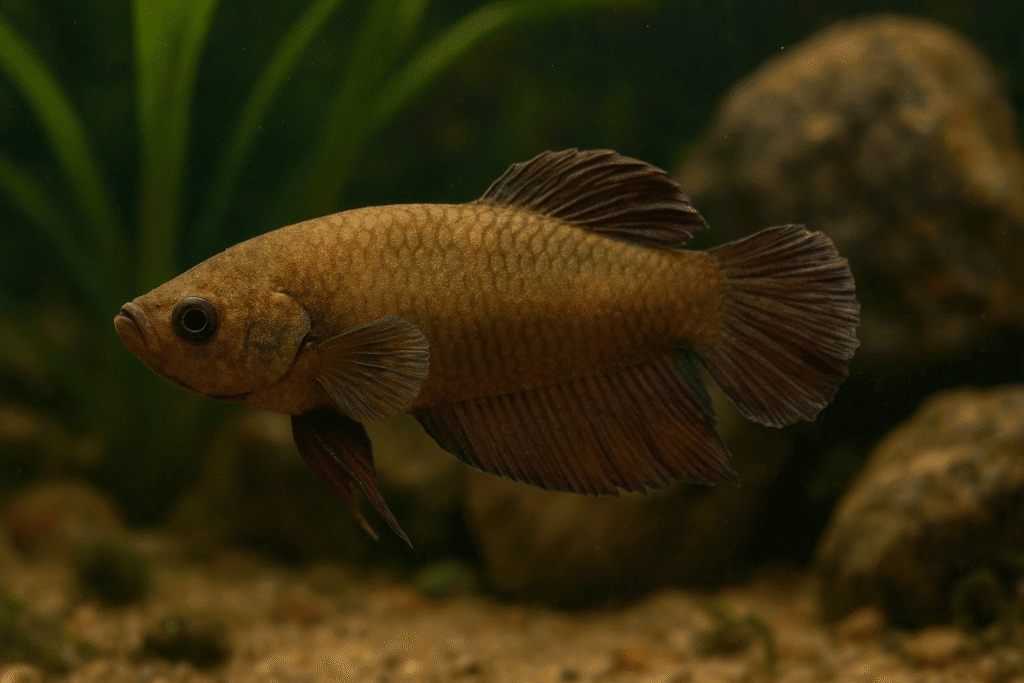
While facing the difficult decision of euthanizing a beloved betta fish, it’s important to prepare yourself emotionally and practically. Understanding that euthanasia is a compassionate choice to prevent suffering can help ease the burden. Here are some steps to keep in mind for preparation:
- Consult a Veterinarian: Seek guidance from a fish-savvy veterinarian for a proper assessment and humane options.
- Choose a Method: Research methods like clove oil or veterinary-administered injections that prioritize your fish’s welfare.
- Create a Calm Environment: Make sure the setting is peaceful to minimize stress for both you and your betta.
- Gather Supplies: Have a separate container ready for the procedure and any necessary tools.
- Different fish species have varying compatibility with bettas.
Preparing thoughtfully can make this difficult process more humane and respectful for your cherished pet.
Monitoring Changes and Symptoms
As one observes your betta fish, it’s important to know that recognizing changes in behavior and physical condition is essential for ensuring their well-being. Monitoring changes closely can reveal signs that your betta is unwell. I watch for lethargy—spending too much time at the tank’s bottom or showing little interest in swimming often indicates health issues. Changes in appetite, like refusing food or spitting it out, can signal discomfort.
I also pay attention to physical changes such as clamped fins, discoloration, or visible sores, which point to underlying problems. Behavioral changes, including increased hiding or unusual swimming patterns, can indicate stress. Finally, I regularly check water quality, as poor water conditions can worsen your betta’s symptoms.
These observations help distinguish between a healthy fish and one in decline.
Honoring Your Betta’s Life and Legacy
Reflecting on my betta’s life brings a profound sense of gratitude for the joy and companionship they offered. Honoring your betta is essential, and I’ve found a few meaningful ways to celebrate their legacy:
- Keep a journal detailing their behaviors, milestones, and unique traits as a cherished memory.
- Create a peaceful environment in their final days, ensuring they have hiding spots to feel secure.
- Consider a respectful ceremony to honor their life, reflecting on the joy they provided.
- Preserve your betta’s legacy by sharing your experiences with new fish keepers, educating and inspiring others.
- After their passing, I also recommend a natural burial or a memorial to celebrate their impact on your life.
Conclusion
As I navigate this heartbreaking journey with your betta, I’ve learned the importance of compassion and understanding. By prioritizing water quality, creating a comfortable environment, and offering nutritional support, you can help ease your fish’s final days.
Recognizing when to seek veterinary assistance and preparing for difficult decisions guarantees I honor your betta’s life with dignity. In these moments of grief, it’s essential to focus on the bond we shared and celebrate the joy your betta brought into my life.