When setting up a betta community tank, I always recommend a minimum size of 10 gallons. This size provides ample horizontal swimming space, reducing stress and facilitating territorial establishment. It also promotes better water quality, which is essential for bettas’ health.
With a larger tank, I can introduce compatible tank mates like pygmy corydoras or neon tetras. Don’t forget to incorporate vegetation for hiding spots! There’s more to reflect on for a thriving betta environment, so let’s explore further.
Understanding Betta Fish Needs
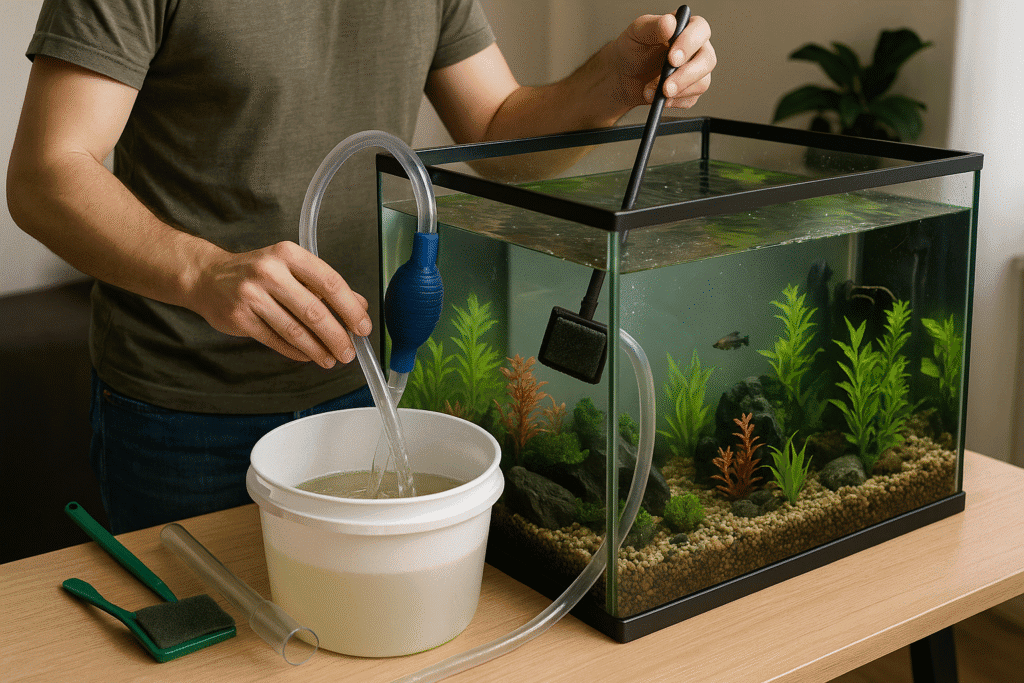
What do betta fish truly need to thrive in a community tank? The minimum tank size for keeping this tropical fish is 5 gallons, but I highly recommend a 10-gallon setup for ideal conditions. Larger tanks provide necessary swimming space, reducing stress and territorial disputes. Bettas prefer horizontal swimming space due to their natural habitat, so choosing a longer tank is essential.
Maintaining stable water parameters is critical, as larger tanks better regulate water quality, minimizing harmful fluctuations. Additionally, a well-planted environment with plenty of hiding spots enhances their comfort and well-being, ultimately leading to healthier interactions with tank mates. In my experience, meeting these needs is key to successfully keeping bettas in a community tank.
Ideal Tank Size for Betta Communities
When setting up a betta community, a minimum of 10 gallons is crucial for providing adequate space for both the betta and its tank mates. This size not only helps maintain stable water quality but also allows for the establishment of territories, reducing the likelihood of aggression. Additionally, incorporating plants and hiding spots is important to guarantee all fish feel secure in their environment.
Minimum Tank Size
A 10-gallon tank serves as the minimum recommended size for a betta community setup, ensuring ample space for both the betta and its tank mates. This gallon minimum greatly reduces stress and territorial disputes, vital elements for a harmonious environment.
A larger tank also promotes better water quality and stability, which benefits all inhabitants by minimizing ammonia buildup and fluctuations in parameters. With at least 10 gallons, you can incorporate safe hiding spots and plants essential for creating a natural habitat.
A well-planned 10-gallon community tank can accommodate small, compatible fish like pygmy corydoras or tetras, provided their temperaments align. Overall, ensuring the minimum tank size is critical for the well-being of the betta and successful integration with community fish.
Space for Tank Mates
Understanding the ideal tank size for a betta community is essential for ensuring all fish thrive together. A minimum of 10 gallons is vital for providing adequate space for your betta and potential tank mates. This size reduces stress and territorial disputes, allowing your fish to coexist harmoniously.
While keeping fish like neon tetras may seem appealing, they typically require at least a 20-gallon tank to meet their social needs without compromising your betta’s comfort.
A smaller 5-gallon tank restricts territory, leading to increased aggression and stress. By utilizing a 10-gallon set up with plants and decorations, you can enhance the environment, creating safe spaces for all fish and promoting a balanced ecosystem essential for their well-being.
Benefits of a 10-gallon Tank
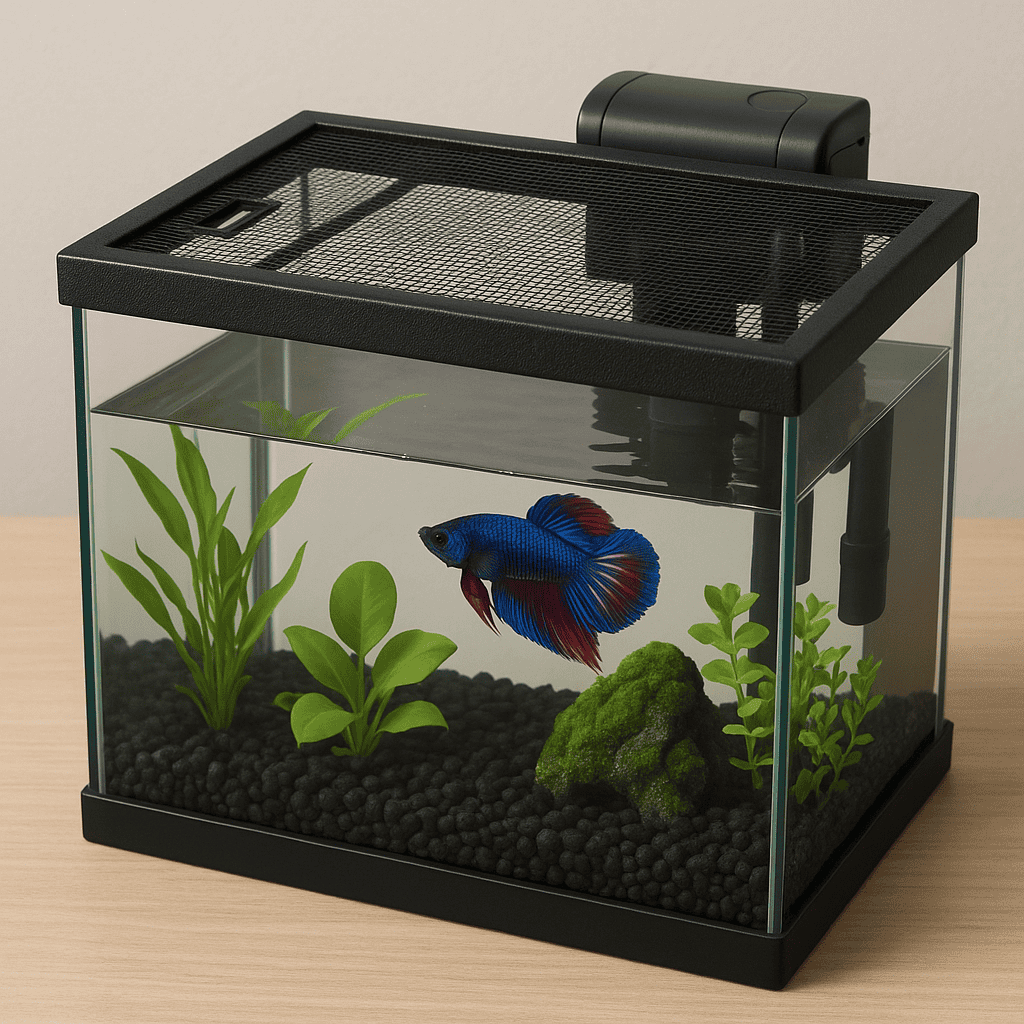
While some may overlook the advantages of a 10-gallon tank, I find it essential for the well-being of bettas. This size not only provides ample swimming space, reducing stress and promoting healthier behaviors, but also enhances water quality stability. Here’s a quick breakdown of the benefits:
| Benefit | Description |
|---|---|
| Ample Swimming Space | Reduces stress, encourages natural behaviors. |
| Water Quality Stability | Fewer changes needed, minimizing ammonia spikes. |
| Enhanced Habitat Diversity | Allows for plants and decorations. |
| Temperature & Parameter Control | Maintains stable conditions vital for healthy bettas. |
With a 10-gallon tank, I can also introduce compatible tank mates, creating a vibrant community while ensuring my betta thrives in a balanced environment.
Tank Mates: Compatibility Considerations
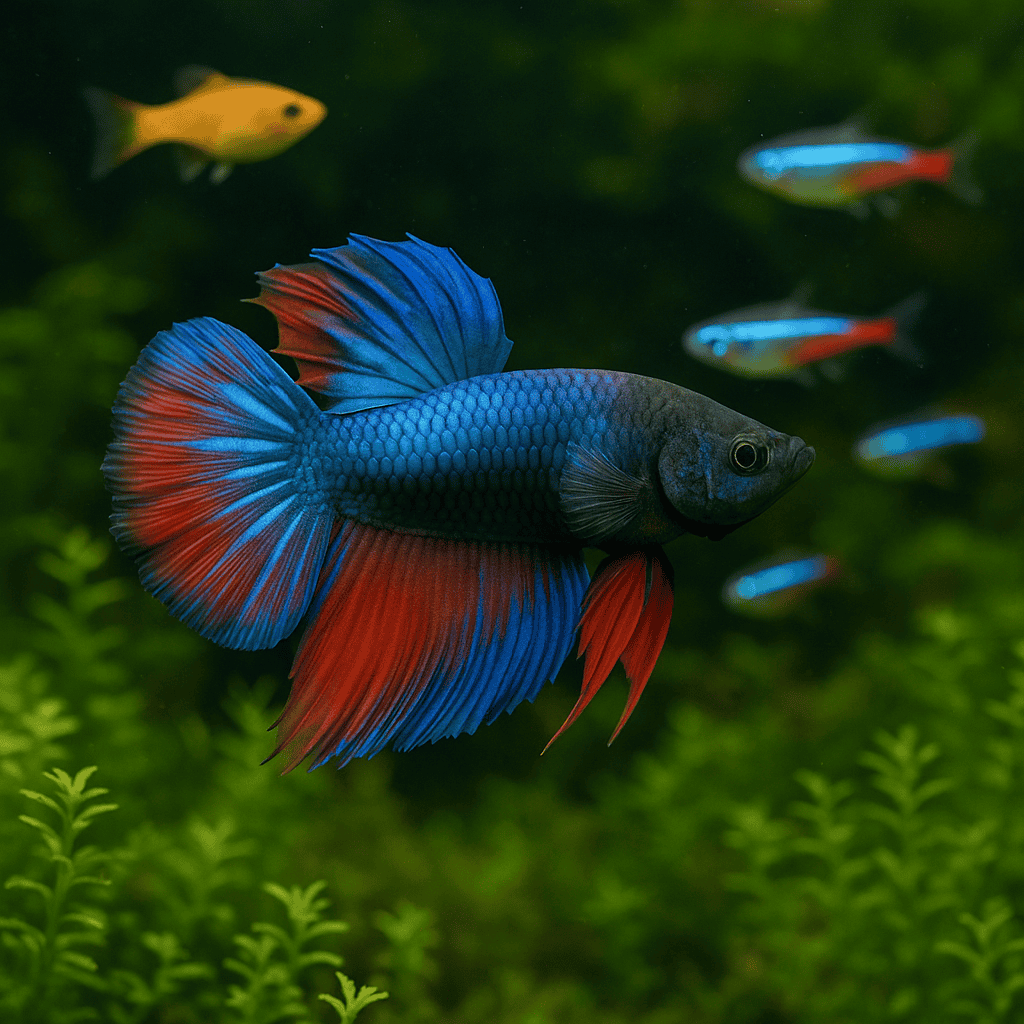
Choosing the right tank mates for your betta can be vital, as their territorial nature often leads to stress or aggression if incompatible species are introduced. When considering tank mates, I recommend opting for small, peaceful species like pygmy corydoras or neon tetras.
It’s important to keep in mind that individual temperaments vary; some bettas may coexist well with others, while many prefer solitude. Ensuring your tank is at least 10 gallons helps provide adequate space, but also be sure to incorporate ample hiding spots and plants.
This setup can greatly reduce stress, allowing your betta to retreat and feel secure. Ultimately, prioritizing compatibility considerations will lead to a more harmonious environment for your aquatic companions. For those with female bettas, community tanks can be especially successful if space and hiding spots are prioritized.
Importance of Water Quality and Maintenance
Water quality and maintenance are essential for the health and well-being of your betta community tank. Keeping a 10-gallon tank means stabilizing water parameters, which is critical to avoid harmful ammonia spikes from fish waste.
Regular water changes, about 25-50% weekly in a cycled tank, are crucial for ideal water quality, especially with multiple fish contributing to waste. I also recommend incorporating live plants; they improve oxygenation and natural filtration, creating a healthier environment for your bettas and their tank mates.
Monitoring water parameters like ammonia, nitrites, and nitrates is key—using an API Water Test Kit can help you keep these levels safe. Finally, a low-flow filter is important, as bettas are intelligent creatures that thrive in calmer waters. When using tap water, always treat it to remove chlorine and chloramines before adding it to your tank, as untreated tap water can be harmful to your fish.
Optimal Tank Setup and Decoration
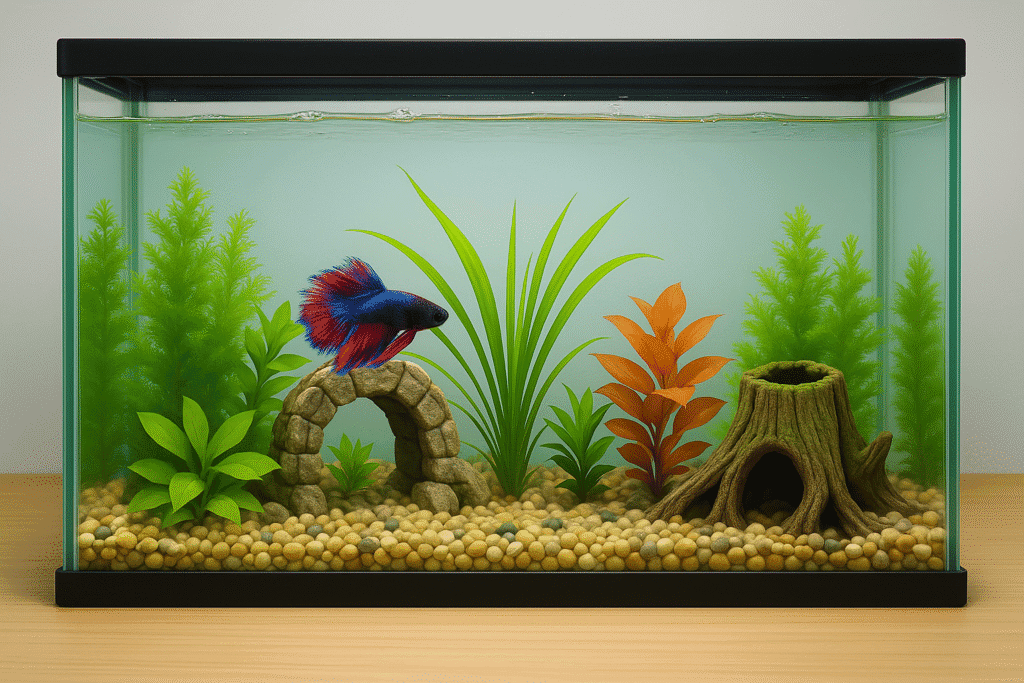
When setting up a 10-gallon betta community tank, I focus on creating an environment that maximizes horizontal swimming space while incorporating necessary plants and decorations. Choosing smooth, safe decor not only enhances the tank’s aesthetic but also provides important hiding spots that help reduce stress for my betta. Maintaining a balance between the fish and plant life is essential, as this supports water quality and the overall health of the ecosystem.
Essential Tank Dimensions
A 10-gallon tank is ideal for a betta community setup, as it provides ample space for swimming and territorial behavior, vital for minimizing stress and aggression. When I choose a tank, I prioritize longer dimensions over height since bettas thrive in horizontal swimming spaces.
This design accommodates their labyrinth organ, which allows for better oxygen access. For effective fishkeeping, I also guarantee the inclusion of live plants and decorations, which not only enhance the visual appeal but also offer vital hiding spots for my active fish.
Additionally, employing low-flow filtration is essential; bettas prefer calmer water conditions, which helps reduce stress. A thoughtfully designed tank greatly contributes to the overall well-being of my bettas.
Plant and Decor Choices
To create an ideal tank setup for my bettas, I focus on selecting the right plants and decorations that enhance both the aesthetics and the well-being of my fish. In a 10-gallon tank, incorporating live plants is vital as they improve water quality through natural filtration and provide valuable hiding spots.
I choose smooth, non-abrasive decorations like silk plants and betta hammocks to guarantee my bettas stay injury-free. It’s important to arrange the layout to prioritize horizontal swimming space, allowing them to navigate through the plants and decor comfortably.
Using a variety of decorations, such as caves and driftwood, effectively breaks the line of sight, fostering a harmonious environment for my bettas and their companions. Uneaten food should be removed promptly to maintain water quality and prevent ammonia spikes.
Hiding Spots Importance

Providing adequate hiding spots in a betta community tank is essential for creating a stress-free environment. These hiding spots help your bettas feel secure, reducing stress and aggression from territorial disputes. I recommend using smooth decorations like silk plants, betta hammocks, and logs, which serve as effective shelters.
A well-planted tank with dense vegetation not only provides hiding spots but also enhances oxygenation and improves water quality.
Incorporating varied heights and depths in your decorations allows for better exploration and swimming space, catering to your betta’s natural behavior. Regularly assess your plants and decorations to guarantee they remain safe and beneficial, as maintaining a harmonious community is key to your betta’s overall well-being.
The Role of Plants in Betta Habitats
While it may seem like an afterthought, incorporating plants into a betta community tank is vital for creating a thriving aquatic environment. Plants greatly enhance water quality by oxygenating the tank and absorbing excess nutrients, which benefits betta fish.
Including a variety of live plants not only creates natural hiding spots but also reduces stress, allowing bettas to feel secure. Additionally, plants help stabilize water parameters by utilizing fish waste as a nutrient source, potentially influencing the frequency of water changes needed.
Bettas thrive in densely vegetated habitats that mimic their natural environment, so selecting smooth-leaved varieties is important. This careful selection guarantees that their delicate fins remain unharmed while providing the cover and enrichment they need for overall well-being.
Monitoring Temperature and Environment
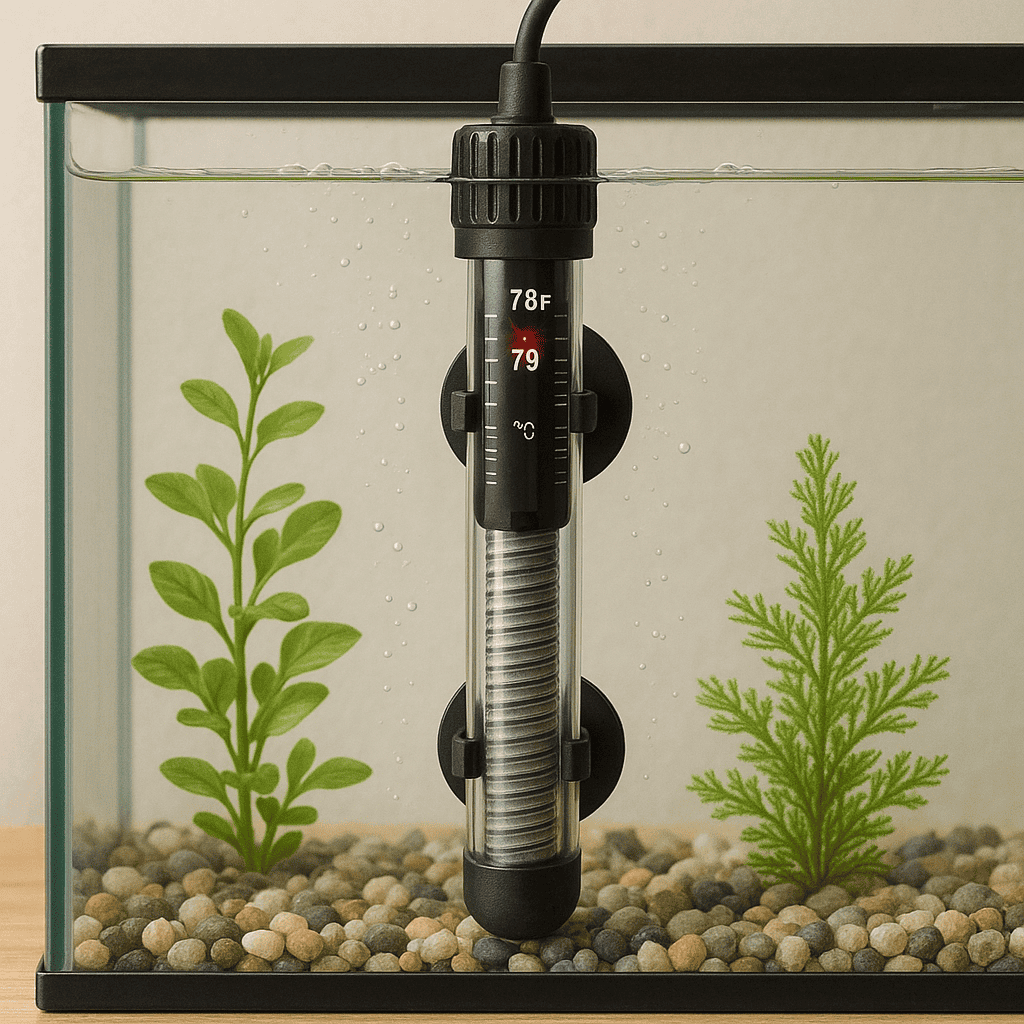
To keep my bettas healthy, I maintain a stable water temperature between 76-82°F, ideally around 78-80°F. I use a reliable heater and regularly check the temperature with an accurate thermometer to prevent stress from fluctuations. It’s essential to guarantee that all tank mates can also thrive in this range, alongside implementing a low-flow filter for a calm environment.
Ideal Temperature Range
Maintaining the ideal temperature range for your betta community tank is essential for their overall health and well-being. For betta keeping, the ideal temperature lies between 76-82°F (24-28°C), with the best range being 78-80°F (25.6-26.7°C). A consistent temperature is critical, as extreme fluctuations can induce stress and lead to health complications.
To achieve this, I recommend using a reliable aquarium heater, such as a 50-watt or 25-watt, which helps stabilize the water temperature. Regularly monitoring water parameters with a thermometer is important; many heaters even come with built-in thermometers for convenience. Remember, maintaining a stable environment helps minimize stress levels, ensuring a thriving community tank for your bettas.
Consistent Monitoring Practices
Consistent monitoring of your betta community tank is essential for ensuring a stable and healthy environment. I regularly check the water temperature with a reliable thermometer, aiming for 76-82°F (24-28°C) to keep my bettas happy and healthy. Extreme fluctuations can stress them, so I rely on a high-quality aquarium heater, choosing a wattage of 25-50 watts based on my gallon tank size.
Additionally, I test water parameters like ammonia, nitrites, nitrates, and pH levels using an API Water Test Kit. Implementing a routine maintenance schedule for water changes and monitoring helps maintain water quality, ensuring my fish thrive. As a conscientious fishkeeper, I prioritize these practices for the well-being of my betta community.
Common Mistakes in Betta Care
While many beginners might think that a tank smaller than 5 gallons is sufficient for their bettas, this common misconception can lead to serious stress and health problems for these vibrant fish. A small tank doesn’t provide the necessary space for stability in water quality, which is essential since bettas are sensitive to ammonia and toxins.
Additionally, inadequate hiding spots can heighten their natural aggression, stressing them further. Many also overlook the importance of a proper heater, risking temperature fluctuations outside the ideal 76-82°F range.
Finally, assuming all bettas can coexist peacefully with tank mates ignores their territorial nature, often resulting in aggression. By avoiding these common mistakes, we can create a healthier environment for our bettas, whether keeping a single betta fish or a small community.
Community Engagement and Support
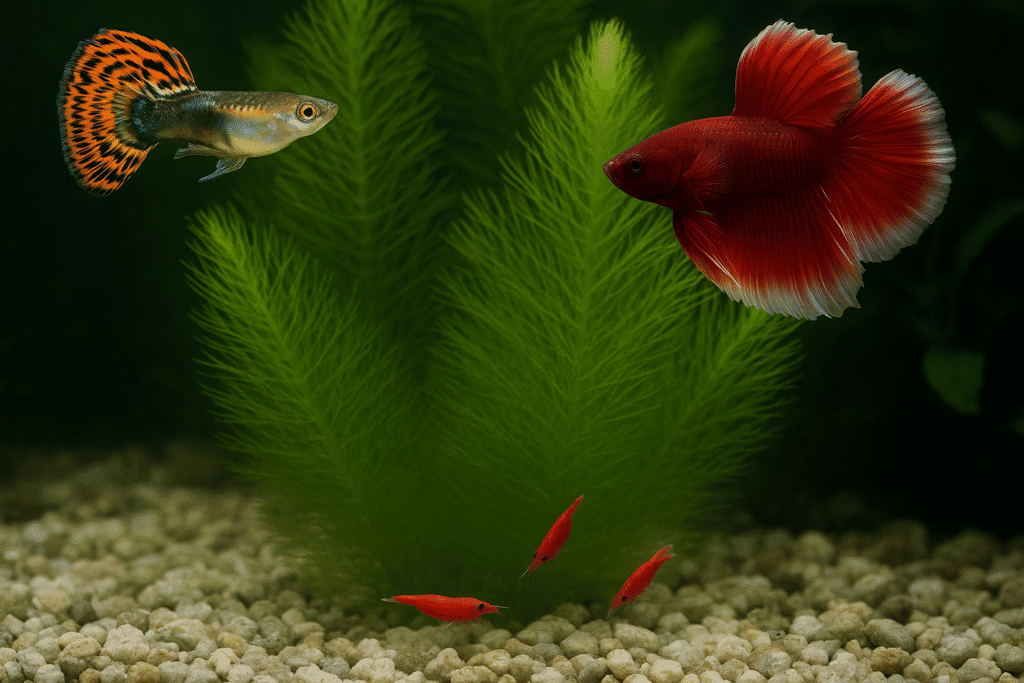
Engaging with the betta community has proven invaluable for my understanding of proper care and tank setups, especially when creating a harmonious environment for these fish. The feedback I’ve received emphasizes a minimum 10-gallon tank size, which is essential for accommodating potential tank mates and addressing bettas’ territorial nature.
Many experienced keepers advocate for larger tanks, as they enhance water quality management and provide ample space for bettas to thrive and explore.
Additionally, discussions in forums highlight the importance of a well-planned tank setup, incorporating plants and hiding spots that promote betta well-being. This positive community engagement fosters a supportive atmosphere, allowing new fishkeepers to grasp the complexities of betta care and the significance of proper tank dimensions.
Conclusion
In summary, a 10-gallon tank is the ideal starting point for a thriving betta community. It not only provides ample space for your bettas and compatible tank mates but also allows for better water quality and environmental stability.
By carefully selecting tank mates, maintaining water conditions, and incorporating plants, you can create a vibrant habitat. Remember, being mindful of common mistakes will help guarantee your betta community flourishes.