To mimic natural betta cycles, I focus on adjusting water temperature, nutrition, and lighting based on seasonal changes. I maintain ideal clean water temperatures, monitor pH levels, and provide nutrient-rich food, especially in spring and summer.
For lighting, I use timers to simulate daylight hours, varying from 12-14 hours in summer to 8-10 in winter. Keeping a close eye on these factors guarantees my bettas thrive throughout the year. There’s even more to explore about seasonal care adjustments!
Tailoring Temperature: Keeping Your Betta Comfortable
When it comes to keeping your female betta comfortable, maintaining the right water temperature is vital for its health and well-being. Bettas thrive in a range of 76-81°F (24-27°C), and I always ensure my aquarium heater keeps it stable. During winter, I prevent sudden drops that can weaken their immune system by relying on a reliable heater.
Conversely, in summer, I monitor closely to avoid temperatures above 82°F (28°C), which can induce stress. I make gradual adjustments to avoid shock from temperature fluctuations, and I often use insulating materials to shield the tank from drafts or direct sunlight. By creating this comfortable zone, I know my betta can thrive, remaining active and healthy year-round.
Nutritional Needs: Seasonal Diet Adjustments
As the seasons change, so should our approach to feeding betta fish to meet their shifting nutritional needs. In winter, I reduce their food intake to prevent overfeeding due to their slower metabolism, while in summer, I increase the variety and quality of their diet with nutrient-rich options. By closely observing their behavior and appetite, I can fine-tune their feeding routine to support their health year-round.
Seasonal Feeding Adjustments

Adjusting your betta’s diet according to the seasons is vital for their health and well-being. During colder months, when temperature changes cause a slowdown in metabolism, Reduce their food intake to avoid overfeeding and maintain water chemistry parameters. In summer, bettas typically show increased appetite, so I enhance their feeding practices by offering a varied diet rich in nutrients, including high-quality pellets and live or frozen foods.
This aligns with their heightened activity in warmer water conditions. It’s important to monitor food quantity year-round, especially in winter, to guarantee they receive just enough nourishment without compromising tank cleanliness. Seasonal dietary adjustments not only support peak health but also encourage better breeding behaviors during their active periods.
Nutrient-Rich Food Variety
To guarantee my betta thrives, I prioritize a nutrient-rich food variety that adapts to their changing needs throughout the seasons. In warmer months, their metabolism spikes, so I provide high-quality pellets and live and frozen foods to satisfy their increased appetite. Conversely, during colder months, I carefully reduce their food intake to avoid overfeeding, making certain the water quality remains ideal.
A protein-rich diet is essential, especially during the breeding season, as it supports energy levels and reproductive health. I also offer diverse options like freeze-dried foods to prevent nutritional deficiencies. By regularly monitoring my betta’s feeding habits and adjusting portion sizes based on water temperature and activity levels, I make sure they stay healthy and vibrant year-round.
Lighting the Way: Adjusting Daylight Hours
When managing a betta tank, adjusting daylight hours according to the seasons is essential for maintaining your fish’s well-being. I find that using timers helps create a consistent light schedule, which prevents any sudden changes that could stress my bettas. By mimicking natural light cycles, I can promote healthier behaviors and guarantee a more comfortable environment for them.
Seasonal Light Adjustments
As the seasons shift, I find that adjusting the light duration in my betta tank can markedly enhance my fish’s health and behavior. During summer, I extend the artificial light to about 12-14 hours to mimic the longer day length, while in autumn and winter, I reduce it to around 8-10 hours. This gradual change helps prevent shocking my bettas, allowing them to acclimate smoothly to the seasonal variations.
I also make sure there are shaded areas, like floating plants, to provide retreats from intense light. Furthermore, I adjust light intensity to meet the needs of both my bettas and aquatic plants, supporting their natural behaviors while maintaining a comfortable temperature range in the tank.
Timers for Consistency
Incorporating timers into my betta tank setup has transformed how I manage lighting, ensuring my fish receive consistent exposure that closely resembles their natural environment. By automating the lighting schedule, I can provide 10-12 hours of light during the summer and 8-10 hours in winter, mimicking seasonal variations. This gradual adjustment prevents stress in my bettas, allowing them to adapt to changing daylight hours.
Consistent light exposure not only supports their natural behaviors but also promotes healthy plant growth in the tank. Additionally, timers help me avoid overexposure to light, which can lead to algae blooms and disrupt the aquatic ecosystem. Overall, using timers has created a balanced habitat where my bettas thrive.
The Importance of Water Parameters During Seasonal Shifts
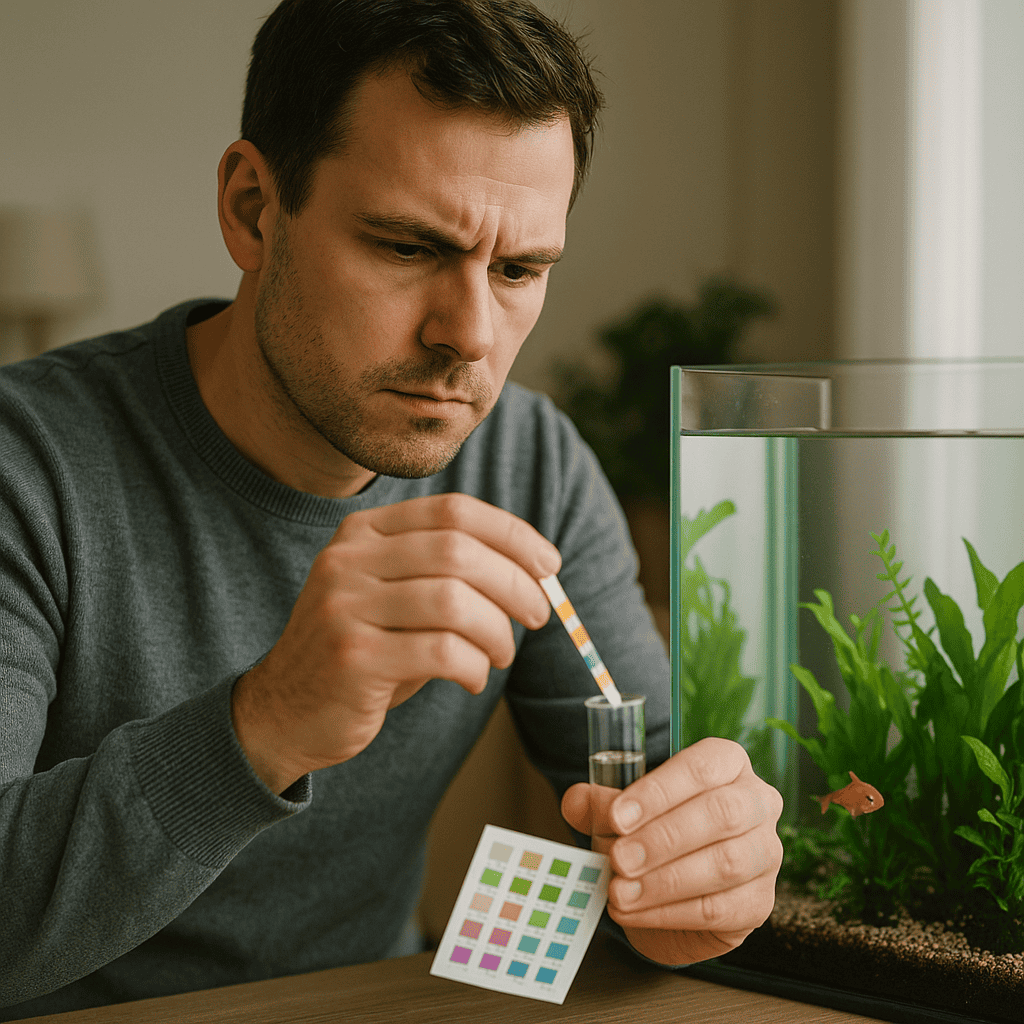
Maintaining ideal water parameters is essential for the health of your betta fish, especially during seasonal changes, which can dramatically alter their environment. Variations in temperatures, pH levels, and hardness can lead to poor water quality, greatly impacting your betta’s immune system. During the wet season, cooler, softer water can benefit your fish, while the dry season may increase hardness and temperature, affecting their metabolism.
Regular water changes and testing with a water test kit are imperative during these shifts to guarantee conditions remain between pH 6.5-7.5. A consistent temperature range of 76-81°F (24-27°C) is essential, as fluctuations can induce stress and health issues. By monitoring these parameters, you help your betta thrive in a stable and healthy environment.
Winter Woes: Keeping Your Betta Warm
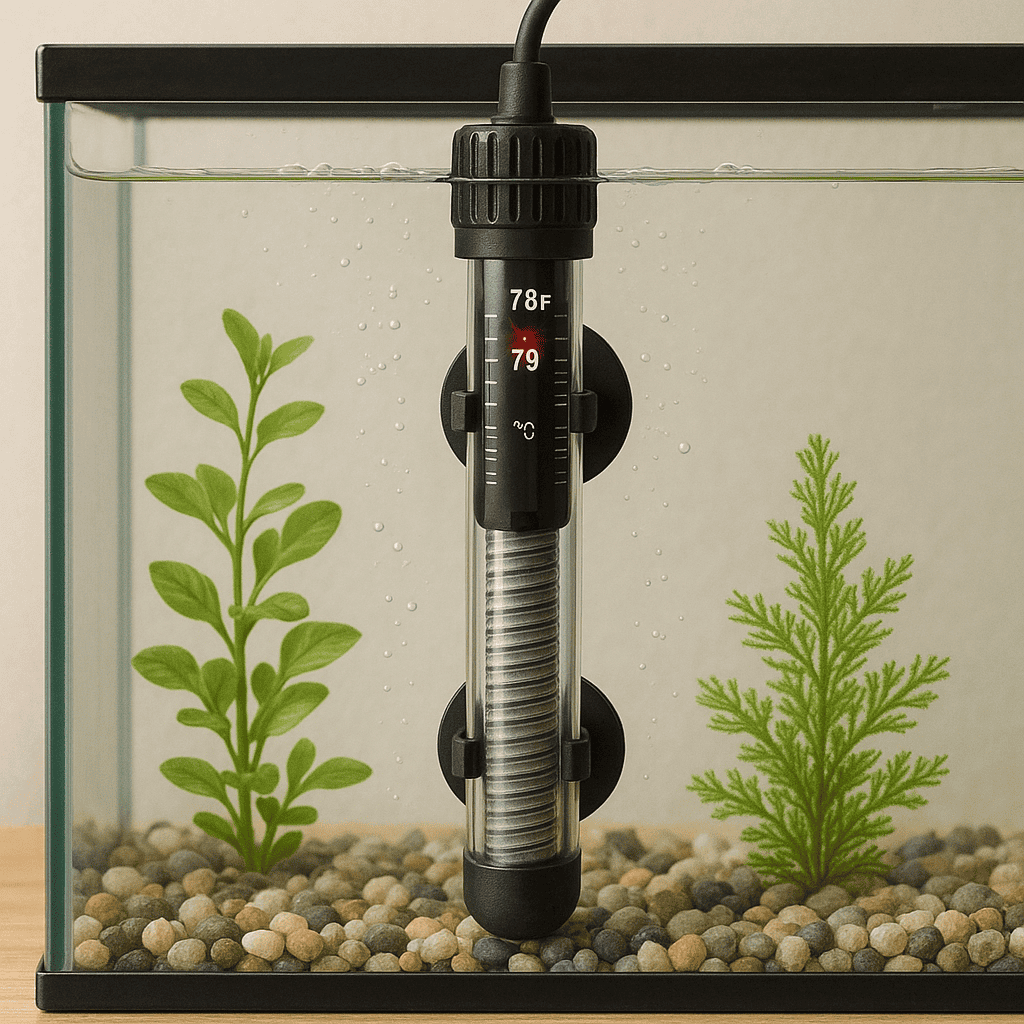
When winter hits, ensuring your betta stays warm becomes a top priority. I’ve learned that maintaining a stable water temperature between 76-81°F (24-27°C) is vital, as sudden drops can weaken their immune systems and increase susceptibility to disease. A reliable aquarium heater with a thermostat is essential for consistent heating, preventing temperatures from fluctuating and stressing my fish.
Additionally, I always insulate the tank size considerations and keep it away from drafts and cold windows to help maintain that ideal temperature. Frequent monitoring is key during winter months since ambient temperatures can drop considerably. By providing appropriate heating and avoiding extreme temperature drops, I can help my betta stay healthy, active, and free from lethargy or other cold-related issues.
Spring Into Action: Adjusting Care for Warmer Weather
As spring arrives and temperatures begin to rise, I find it is essential to adjust my betta’s care routine to accommodate their increased metabolism and activity levels. This season brings changes that can enhance the well-being of my tropical fish from Southeast Asia. Here’s a quick guide to guarantee my betta thrives:
| Care Aspect | Action Needed |
|---|---|
| Feeding Frequency | Increase to 2-3 times daily |
| Lighting Duration | Extend to 12-14 hours daily |
| Water Temperature | Maintain 76-81°F (24-27°C) |
| Water Changes | Perform weekly changes |
| Hiding Spots | Add plants and decorations |
Summer Strategies: Combatting Heat and Promoting Health
To guarantee my betta thrives during the sweltering summer months, I closely monitor the water temperature and create a comfortable environment in a larger tank that minimizes stress. Bettas prefer warmer water between 76-82°F (24-28°C), but it’s essential to make sure temperatures don’t exceed 82°F (28°C) to avoid lethargy and disease. A common misconception is that higher temperatures are always beneficial, but overheating can be detrimental.
I use aquarium fans or air conditioning to regulate the heat and provide shaded areas with floating plants for retreats. Additionally, I need to change the water regularly to maintain quality, as higher temperatures can increase pollutants. Finally, I adjust feeding practices, offering varied, high-quality foods that support their health and activity levels.
Fall Preparations: Transitioning Your Betta Fish Care
With the arrival of fall, I find it essential to adjust my betta care routine to guarantee my fish remains healthy and comfortable during this unpredictable season. I start by gradually reducing the light duration to about 8-10 hours daily, mimicking the natural shortening of days. It’s important to maintain the water temperature between 76-81°F (24-27°C); I check my heater regularly to make sure it’s working effectively.
I also adjust feeding practices, slightly reducing the amount to accommodate my betta’s slowing metabolism. Regular, frequent water changes are significant, as fall can alter pH and hardness levels. Finally, I incorporate more hiding spots and silk plants to provide a sense of security, helping my betta feel at ease during this changing period.
Signs of Betta Overheating
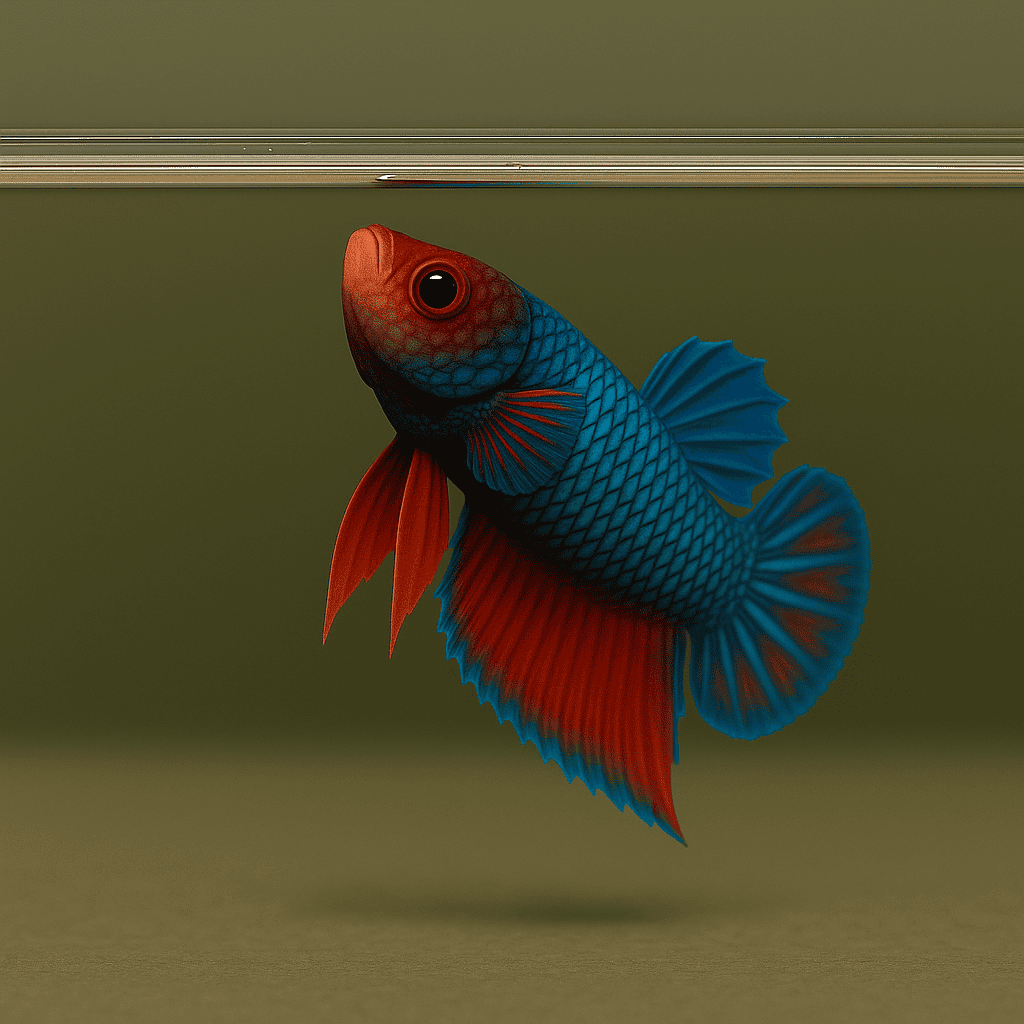
Monitoring your betta’s environment is essential, especially when temperatures rise, as overheating can quickly become a serious issue. Signs of overheating in your beloved bettas include lethargy, gasping for air at the surface, and unusual aggression or stress behaviors. When water temperatures exceed 86°F (30°C), oxygen levels can drop, causing further distress. This increased susceptibility to diseases like fin rot and fungal infections can be alarming.
To combat these risks, you must regularly check water temperature and guarantee adequate aeration, especially during heat waves or warmer months. Remember, while bettas thrive at 76-82°F (24-28°C), they don’t require heating if their environment is stable. Keeping a close eye on conditions will help maintain their well-being.
Conclusion
Incorporating seasonal changes into your betta care routine can greatly enhance your fish’s well-being. By adjusting temperature, diet, lighting, and water parameters to mimic their natural environment, you’re not just promoting health but also enriching their lives. As seasons shift, stay vigilant for signs of stress or discomfort.
With proactive management throughout winter, spring, summer, and fall, you’ll guarantee your betta thrives year-round, reflecting the vibrant cycles of their natural habitat.