When it comes to betta fish safety, using a water conditioner to remove chlorine is vital. I choose conditioners that detoxify chlorine and bind heavy metals, ensuring a safe environment. Most conditioners work quickly, neutralizing harmful substances within minutes.
Recommended dosages—typically about 5 mL per gallon—should be followed closely. Regular monitoring of water quality is essential. If you want to know more about maintaining ideal conditions for your betta fish, more tips are available.
Importance of Water Conditioners for Betta Fish
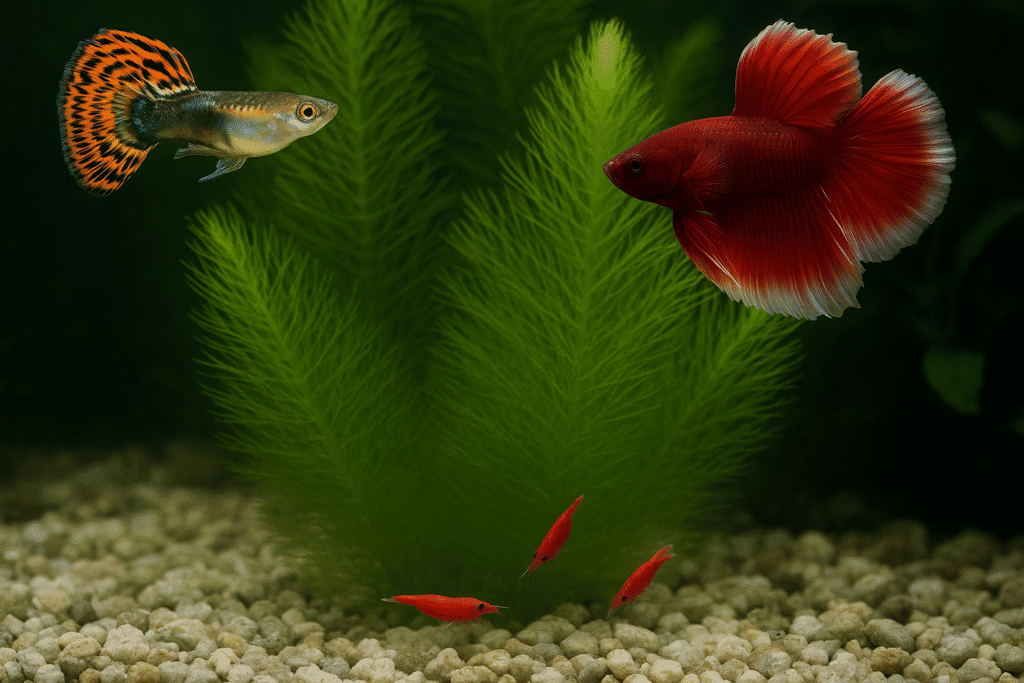
Water conditioners are crucial for maintaining a healthy environment for Betta fish, especially since municipal tap water often contains harmful chemicals like chlorine and chloramines. I note that these conditioners detoxify chlorine, ensuring that our Betta fish thrive in safe water. They also bind heavy metals and ammonia, which can be toxic if left untreated.
Regularly using water conditioners during water changes greatly reduces stress for Betta fish adjusting to new environments, promoting their health and vitality. Additionally, specialized Betta water conditioners include beneficial trace elements that enhance overall well-being and even breeding behavior, making them an invaluable asset for any Betta enthusiast.
How Water Conditioners Neutralize Chlorine and Other Harmful Substances
I rely on water conditioners to play an essential role in ensuring the safety of our betta fish by neutralizing harmful substances like chlorine and heavy metals. They utilize sodium thiosulfate to convert chlorine and chloramine into harmless compounds rapidly, often within 2–5 minutes. Additionally, many conditioners detoxify heavy metals and ammonia, creating a safer aquatic environment.
Chlorine Neutralization Process
While chlorine is essential for keeping municipal water supplies safe, it can be harmful to your betta fish. In my experience, water conditioners utilize sodium thiosulfate to neutralize chlorine, converting it into harmless salt. This process typically takes about 2–5 minutes, making the water safe for fish almost instantly after application.
Additionally, high-quality conditioners also detoxify chloramines, which are more stable and challenging to eliminate.
| Substance | Action of Water Conditioner | Result |
|---|---|---|
| Chlorine | Neutralized | Safe for fish |
| Chloramine | Detoxified | Safe for fish |
| Heavy Metals | Bound | Reduces toxicity |
Regular use of water conditioners during changes maintains ideal water quality, reducing stress and promoting overall fish health.
Heavy Metal Detoxification
Although heavy metals can pose serious risks to betta fish, effective water conditioners play an essential role in detoxifying these harmful substances. For instance, conditioners like Betta Bowl Plus not only neutralize chlorine but also bind heavy metals found in tap water. They utilize chelating compounds that transform these toxic elements into safe, removable molecules.
I add a water conditioner and watch as sodium thiosulfate converts chlorine into harmless salt, ensuring immediate safety for the fish. Typically, detoxification occurs within 2–5 minutes after adding the conditioner, considerably reducing stress during acclimation.
Recommended Dosages for Betta Water Conditioners
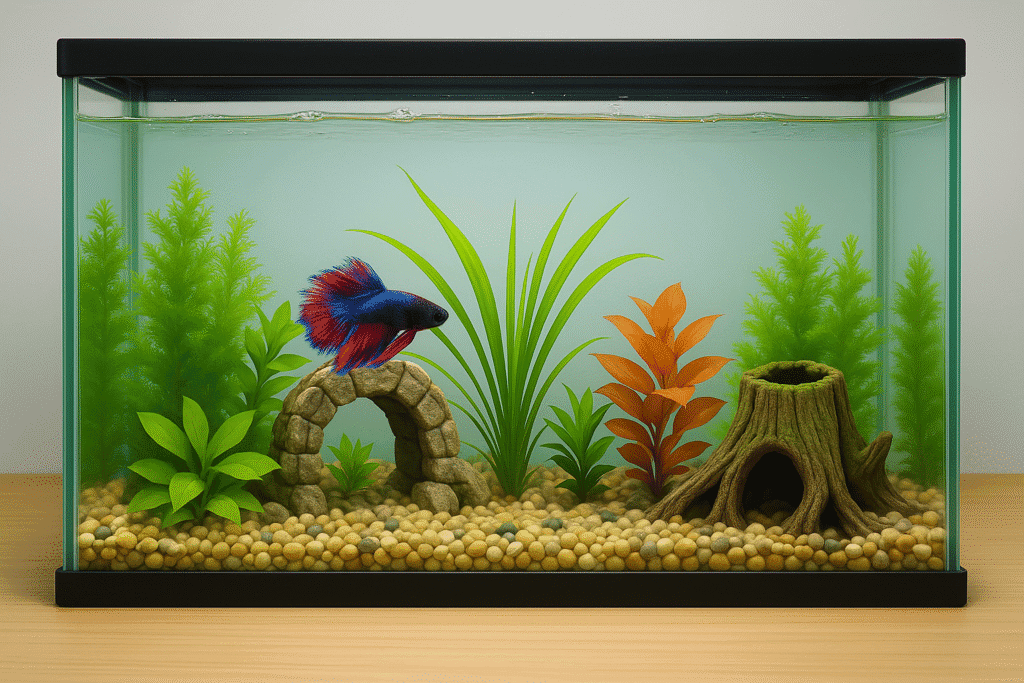
When using Betta water conditioners, it’s important to adhere to the recommended dosage guidelines for effective results. I’ll also explain how to adjust these dosages based on your specific water conditions. This guarantees that your bettas thrive in a safe and healthy environment.
Standard Dosage Guidelines
Understanding the correct dosage of water conditioners is essential for maintaining a healthy environment for your betta fish. For Betta Bowl Plus, I recommend using 5 mL (1 teaspoon) per gallon to effectively neutralize chlorine. If you’re using GloFish Water Conditioner, add one teaspoon (5 mL) per 10 gallons.
BettaSafe Water Care suggests 14 drops per gallon or two capfuls for every 10 gallons, especially during new aquarium setups and monthly water changes. Remember, some brands like Prime are more concentrated, so follow their specific dosing instructions carefully. Overdosing can harm your Betta, so always adhere to the guidelines on the product label. Your attention to these details guarantees a safe and thriving habitat for your fish.
Adjusting for Water Conditions
To maintain ideal water conditions for your betta fish, it’s crucial to adjust the dosage of water conditioners based on specific circumstances. For Betta Bowl Plus, I recommend 5 mL (1 tsp) per gallon to guarantee your tap water is safe. If you’re using GloFish Water Conditioner, the ratio is one teaspoon per 10 gallons, which is especially important during partial water changes.
Always match the new water temperature with your aquarium to minimize stress on your fish. Overdosing can be harmful, so oxygen levels should be monitored closely after treatment. Additionally, testing your municipal water for chlorine and chloramine levels can help refine your dosage, ensuring maximum safety for your Betta in varying water conditions.
Potential Risks of Using Dechlorinators in Aquariums
I’ve observed that while dechlorinators are widely used to make tap water safe for aquariums, they come with potential risks that every aquarist should be aware of.
| Risk Factor | Description | Solution |
|---|---|---|
| Oxygen Depletion | Reducing agents can lower oxygen levels in tanks | Increase surface agitation |
| Overdosing | Can disrupt beneficial bacteria balance | Monitor dosage carefully |
| Ammonia Toxicity | Ammonia from chloramine remains harmful | Use specific dechlorinators |
| Post-Treatment Testing | Vital for checking chlorine and oxygen levels | Conduct regular chlorine tests |
It’s essential to manage these factors to maintain a healthy aquarium environment for your Betta fish. I recommend testing your water after treatment to guarantee safety.
Tips for Choosing the Right Water Conditioner for Your Betta
I suggest choosing a water conditioner formulated specifically for bettas, as they often include beneficial trace elements and stress-reducing properties. Confirm it effectively neutralizes chlorine and chloramine, as these chemicals are harmful and must be detoxified. It’s critical to check if the product also detoxifies heavy metals and ammonia, which can pose risks to your Betta’s health and safety. Pay attention to dosage instructions, like those for Betta Bowl Plus, which recommend 5 mL per gallon for easy application. Finally, opt for a product with a satisfaction guarantee or positive reviews to confirm it meets your Betta’s needs effectively.
Best Practices for Maintaining Water Quality in Betta Tanks
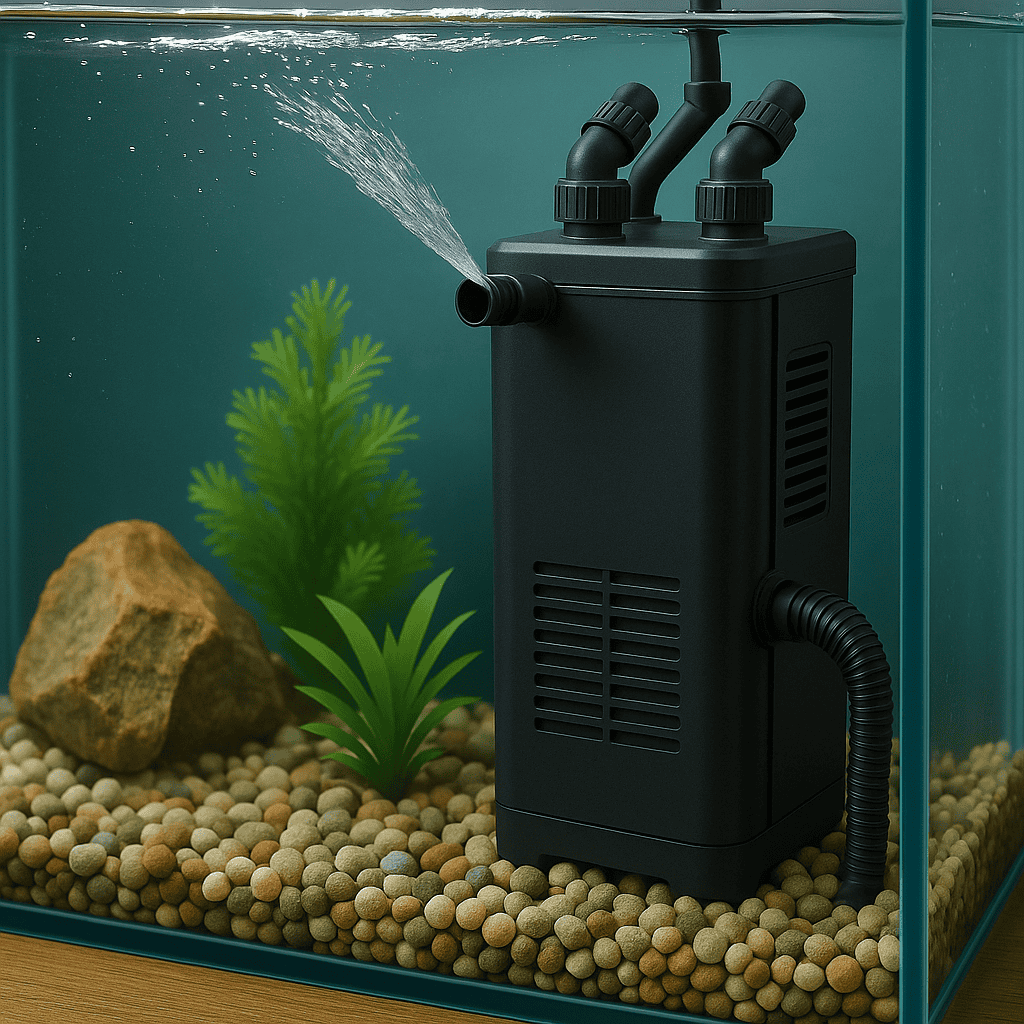
Maintaining water quality in your Betta tank is essential for the health and well-being of your fish. Here are some best practices I follow:
- Change 25–50% of the aquarium water every 1–2 weeks to reduce toxins and maintain clarity.
- Use a quality water conditioner like Betta Bowl Plus to neutralize chlorine, chloramines, and heavy metals, ensuring a safe environment.
- Monitor ammonia, nitrite, and nitrate levels regularly to track tank health and prevent stress for bettas.
Conclusion
I encourage you to use a quality water conditioner to keep your betta fish safe and healthy. By effectively removing chlorine and other harmful substances, these conditioners help create a stable environment. Always follow the recommended dosages and choose a product specifically designed for bettas to avoid potential risks.
Maintaining ideal water quality not only enhances your fish’s well-being but also enriches your overall aquarium experience. Prioritize your Betta’s safety, and you’ll see the rewards in their vibrant behavior.