I can’t stress enough how crucial filtration is for your male bettas. Without a filter, harmful ammonia builds up, jeopardizing your betta’s health. A quality filter improves water quality, reduces waste, and fosters beneficial bacteria essential for a thriving environment.
Many assume bettas can thrive in still water, but that’s a dangerous myth. They need proper filtration to stay healthy and happy. If you want to learn more about filtration options and best practices, keep exploring!
Understanding the Importance of Filtration for Betta Fish
Why is filtration so important for betta fish? Filters are essential for maintaining ideal water quality in your aquarium. They help remove harmful toxins and waste, which greatly reduces the need for frequent water change. Beneficial bacteria thrive in filters, breaking down ammonia and nitrites, both of which can be toxic to bettas.
By providing mechanical filtration, these systems remove solid waste, while also ensuring chemical impurities are eliminated. Additionally, a good filter enhances oxygenation, promoting a healthier environment.
Regular filter maintenance is vital, as it boosts efficiency and reduces the risk of stress-related health issues in your betta fish. While bettas can survive without a filter, they thrive in a stable, well-filtered aquarium.
The Benefits of Using a Filter in Your Betta Tank
While some betta owners might think their fish can thrive in a simple setup, using a filter in your betta tank is fundamental for creating a stable and healthy environment with stable water temperature.
A filter considerably improves water quality by removing excess food, fish waste, and harmful toxins, which lessens the need for frequent water changes. It also promotes beneficial bacteria that break down ammonia and nitrites, essential for your betta’s health.
Additionally, a filter enhances oxygenation, imperative for maintaining vitality, especially in tanks with multiple fish. Regular maintenance of the filter guarantees it performs at its best, contributing to a clean tank. By providing a stable environment with stable water temperature, a filter helps prevent stress, thereby supporting overall betta health and well-being.
Common Misconceptions About Betta Fish and Filtration
Understanding the role of filtration in a betta tank helps clarify several misconceptions surrounding these tropical fish. Many people think bettas can thrive without a filter, but unfiltered community tank setups accumulate harmful ammonia that jeopardizes their health.
Another misconception is that bettas prefer small spaces; they actually flourish in larger community tank setups (at least 5 gallons) where proper filtration maintains stable water quality. Some believe a strong filter is unnecessary, but using a gentle sponge filter is essential to prevent stress from strong currents.
Regular water changes alone can’t replace filtration, as filters support beneficial bacteria important for breaking down toxins. Ultimately, bettas are sensitive to water conditions, and a filter is crucial for a stable, healthy environment.
Types of Filters Suitable for Betta Habitats
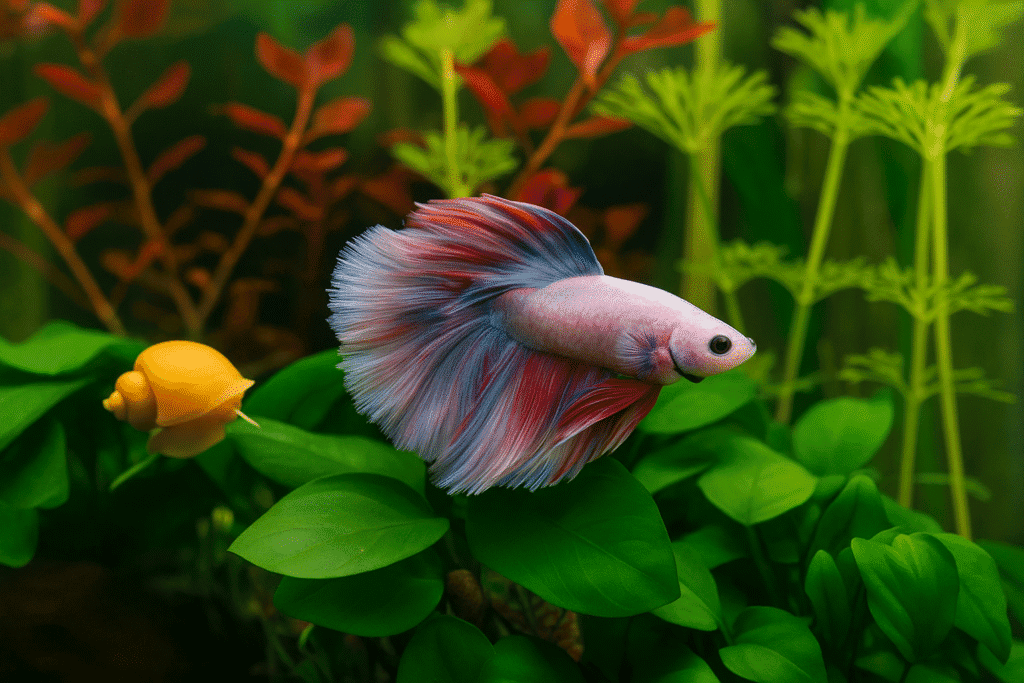
When choosing a filter for your betta’s habitat, it’s vital to take into account both the type of filter and its flow rate. Consider using sponge filters for small tanks, as they provide gentle filtration without stressing your betta. Additionally, filters with adjustable flow settings are important to make sure your fish can swim comfortably without battling strong currents.
Recommended Filter Types
Choosing the right filter for your betta fish habitat is essential for maintaining ideal water quality and ensuring aquarium fish’s well-being. For betta tanks up to 10 gallons, sponge filters provide gentle filtration without strong currents, which can stress your betta.
If you have a 5-10 gallon tank, consider a hanging on the back (HOB) filter with adjustable flow to customize water movement. For smaller tanks, internal filters can work, but be sure to select one with adjustable flow to avoid stress.
In larger tanks, the Cascade 300 Submersible Aquarium Filter offers flexibility and is equipped for mechanical, biological, and chemical filtration, supporting beneficial bacteria essential for a healthy environment. Your betta will thrive with the right filter types!
Filter Flow Rate Considerations
Selecting the right filter flow rate is essential for creating a comfortable environment for your betta fish. Bettas thrive in gentle water movement, so consider these factors:
- Adjustable flow: Look for filtration units that allow you to fine-tune the water current.
- Sponge filter: This type offers soft filtration while preventing fin damage.
- HOB filter: Confirm it has a low flow rate suitable for your tank size.
- Tank size: For tanks under 5 gallons, choose from pet stores filters designed for lower flow.
- Monitoring behavior: Watch for stress indicators, like erratic swimming, to determine if adjustments are needed.
How Filters Work: Mechanical, Biological, and Chemical Processes
Understanding how filters work is vital for maintaining a healthy environment for your betta fish. Filters use mechanical, biological, and chemical processes to keep the water clean and safe, and knowing each type helps you optimize your setup. Regular maintenance, like rinsing and replacing filter media, is necessary every few weeks to guarantee these systems function effectively.
Filtration Types Explained
While many fish tanks enthusiasts may underestimate the importance of filtration, it’s essential to recognize that effective filters incorporate mechanical, biological, and chemical processes that work together to maintain a balanced aquatic environment.
- Mechanical filtration captures solid waste, preventing debris buildup.
- Biological filtration cultivates beneficial bacteria that break down harmful ammonia and nitrites.
- Chemical filtration, often using activated carbon, removes toxins for clearer water.
- Each filtration type plays a significant role in ensuring ideal water quality.
- Regular maintenance of all filter media is critical for the system’s performance.
Incorporating all three filtration types not only supports a thriving ecosystem for your betta but also promotes a healthier, cleaner habitat that benefits both fish and aquarist.
Essential Maintenance Practices
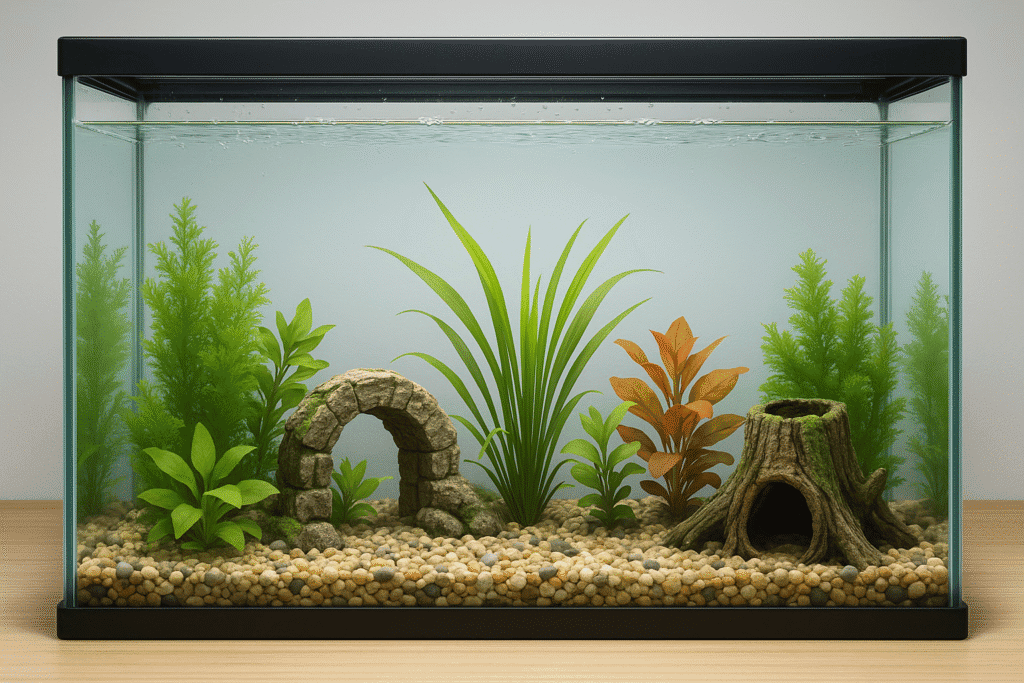
To guarantee your betta fish thrive, it’s important to prioritize essential maintenance practices for your filtration system. Filters operate through mechanical, biological, and chemical filtration processes, each significant for maintaining tank health.
Mechanical filtration captures solid waste, preventing debris build-up. Meanwhile, biological filtration nurtures beneficial bacteria that convert harmful ammonia and nitrites into safer compounds, fundamental for your betta’s well-being. Chemical filtration, often using activated carbon, removes impurities and toxins, ensuring a pleasant environment.
Regular maintenance practices include rinsing mechanical media every 4-6 weeks and replacing chemical media monthly. These steps not only enhance filter performance but also contribute to a stable and clean habitat, promoting the overall health of your betta fish. Remember, a healthy tank equals a happy fish!
Signs Your Betta May Be Stressed by Filter Strength
If you notice your betta struggling to reach the surface for air or frequently hiding, it could be a sign that the filter’s flow strength is too strong for them. Monitoring behavior is essential to guarantee your betta’s well-being. Here are some signs of stress due to filter currents:
- Erratic swimming patterns, indicating difficulty against water flow
- Signs of fin damage or injuries from excessive currents
- Lethargy, suggesting a struggle with swimming ability
- Hiding in corners or behind decorations, seeking refuge
- Reduced appetite, as stress can impact feeding habits
Best Practices for Maintaining Your Betta’s Filter and Tank
Maintaining your betta’s filter and tank is vital for guaranteeing a healthy environment, as neglecting these tasks can lead to poor water quality and stressed fish. Consider rinsing sponge media every 4-6 weeks and mechanical media monthly for ideal filter performance.
It’s essential to replace biological media every 3-4 years to sustain beneficial bacteria that break down waste. Conduct 20% water changes every 3-7 days, depending on your tank size and filter presence, to prevent toxic ammonia buildup.
When selecting a filter, choose one with a gentle flow rate; sponge filters are perfect for smaller tanks. Regularly monitoring water parameters guarantees stability, keeping your betta fish thriving in a clean, safe habitat.
Conclusion
To sum up, I urge you to rethink the common belief that fighting fish don’t need filtration. A quality filter not only keeps the water clean but also creates a healthier environment for your fish. By understanding the benefits and choosing the right type, you can enhance your betta’s well-being and health.
Don’t overlook the importance of filtration—your betta deserves the best care possible for a thriving, happy life. Invest in a suitable filter and watch your betta flourish!