Betta fish need a balanced light cycle to thrive in their natural environment, requiring 8 to 12 hours of light each day, followed by at least 8 hours of darkness for rest. An inconsistent light schedule can lead to stress or lethargy, affecting their overall health and behavior.
LED or fluorescent lights work best, avoiding direct sunlight to prevent overheating. Setting up timers can help maintain this cycle. Follow along to discover more about optimizing your betta’s environment.
Understanding Betta Fish Lighting Needs
When it comes to understanding betta fish lighting needs, it’s essential to recognize that they thrive on a balanced light cycle. Betta fish prefer a structured light schedule, requiring around 8 to 12 hours of light daily. I’ve found that consistency in this schedule is key for maintaining their health and well-being.
Too much light can lead to stress and overstimulation, while too little can make them lethargic and affect their feeding habits. Artificial aquarium lighting, like LED or fluorescent bulbs, is the best choice, as it prevents temperature fluctuations and minimizes algae growth.
Remember, keeping a defined period of darkness—about 8 hours—allows your betta to rest properly, enhancing their overall health in the betta tank.
Recommended Light Duration for Bettas
To guarantee your betta fish thrive, I recommend providing them with a light duration of 8 to 12 hours daily. This light cycle mimics their natural habitat, promoting healthy behavior and well-being.
As fish owners, it’s essential to maintain consistency in this schedule; it helps your betta adapt to their environment. Remember, a minimum of 8 hours of darkness is important for their rest, preventing stress and allowing them to recharge. Utilizing a timer can greatly assist in managing your aquarium lights, ensuring your betta fish tank receives the appropriate amount of light each day.
Finding the right balance in light duration is critical, as excessive or insufficient lighting can lead to behavioral issues for your betta.
Effects of Excessive and Insufficient Light
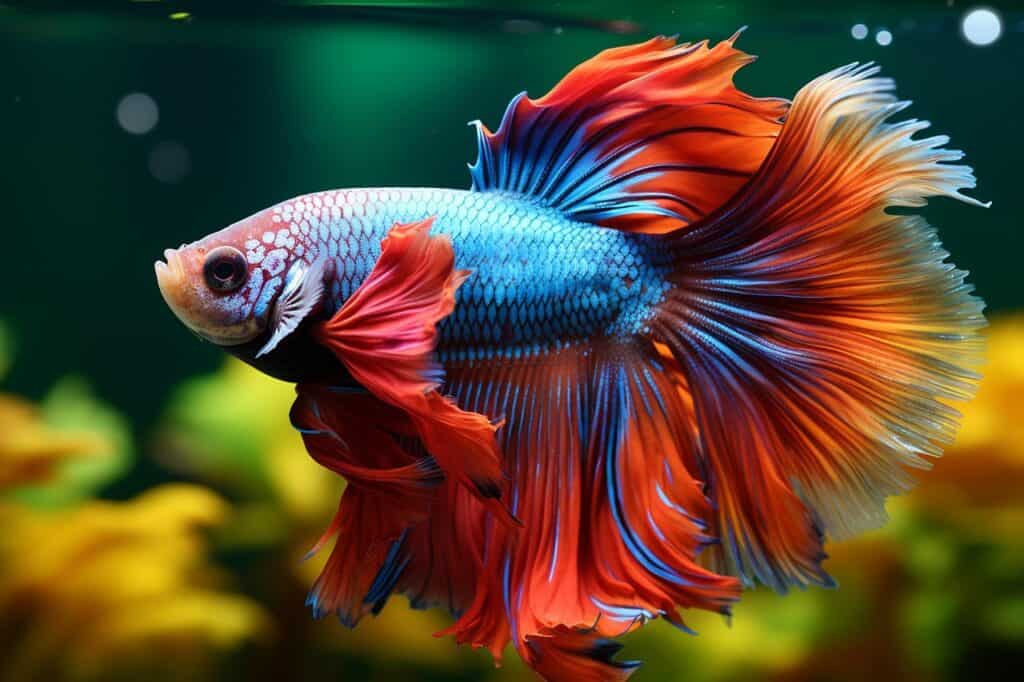
Excessive or insufficient light can greatly affect your betta fish’s behavior and overall health, so it’s crucial to strike a balance. Too much light can overstimulate bettas, leading to erratic swimming and increased stress. This overstimulation may manifest as loss of appetite and lethargy, ultimately compromising their health.
Conversely, insufficient light can also lead to lethargy and poor feeding habits, as bettas depend on light to identify food and navigate their space. A balanced light cycle of 10-15 hours daily is essential for peak health. Regular disruptions can heighten stress and disrupt their natural behaviors.
| Light Condition | Effects on Betta Fish | Recommendations |
|---|---|---|
| Excessive Light | Erratic behavior, stress | Reduce light duration |
| Insufficient Light | Lethargy, poor feeding | Increase light duration |
| Balanced Light Cycle | Peak health, activity | Maintain 10-15 hours daily |
| Disrupted Cycle | Increased stress | Stabilize light schedule |
Types of Lighting Suitable for Betta Tanks
Finding the right lighting for your betta tank is just as important as maintaining a balanced light cycle. I highly recommend LED lights for their energy efficiency and low heat emission, which helps create a comfortable environment for your betta.
They enhance the aesthetics of your aquarium with various color options. Fluorescent lighting is another effective choice, providing ample illumination for both your betta and any live plants you might include. Just be cautious to avoid direct sunlight, as it can cause overheating and excessive algae growth. Additionally, using lights with a built-in timer can help replicate natural day/night cycles.
Remember to evaluate wattage and intensity, aiming for 100-400 watts based on your tank’s size and plant requirements.
Best Practices for Managing Light Cycles
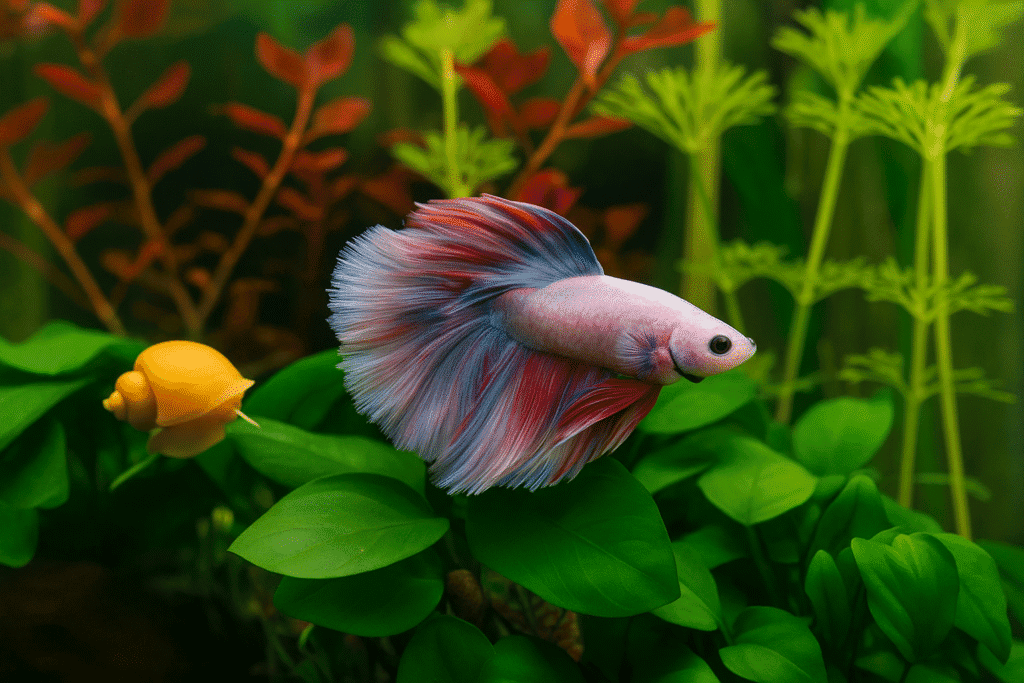
While establishing a proper light cycle for your betta fish may seem straightforward, it’s crucial to implement best practices that guarantee their health and comfort. Betta fish need light for 8 to 12 hours daily, but you can extend this to 14-16 hours if it suits your routine.
Using a timer for your aquarium lights guarantees a consistent light schedule, helping your bettas feel secure. Remember to turn off the lights at night to provide necessary darkness, as continuous exposure can lead to stress. Avoid direct sunlight to prevent overheating and excessive algae growth.
If you have live plants, adjust the light duration carefully to balance the needs of both your plants and your bettas.
Conclusion
In summary, managing the lighting cycles for your betta fish is essential for their overall health and well-being. By providing a consistent day and night schedule of around 10 to 12 hours of light, you’ll support their natural behaviors and reduce stress.
Remember to choose suitable lighting options and monitor their effects on your betta. With these practices in place, you’ll create a thriving environment that allows your betta to flourish. Happy fishkeeping!