This New Year on the Gregorian calendar, I’m excited to set up a vibrant betta tank! Starting with a minimum 5-gallon tank for ample space is essential. Adding a solid filter and heater that keeps the water between 74-82°F is essential for a betta’s health. Including live plants for cover and focusing on maintaining water quality with regular changes and tests is important. Finally, creating a stable feeding routine to showcase those beautiful colors is key. Let’s explore the setup details!
Betta Fish Species Overview
As I plunge into the fascinating world of betta fish, also known as Betta splendens, their stunning colors and graceful fins captivate aquarists everywhere. Understanding the betta fish species is fundamental for anyone looking to keep a betta fish. Male bettas, typically growing to about 2.5–3 inches, are territorial and need solitary housing to thrive.
On the other hand, female bettas can live happily in groups if placed in well-planted tanks of at least 5 gallons, known as sororities. To keep a betta fish happy, water quality is essential; maintaining a temperature between 74-82°F and providing a filtered environment are key components of their care. In many Asian countries, these magnificent fish are celebrated for their beauty and fighting spirit. With the right attention, these fish can live for 3 to 5 years.
Getting Started: Setting Up Your Betta Tank
Now that you’ve got a grasp on betta fish species, it’s time to focus on setting up their habitat. A proper betta tank is essential for their health and happiness. Here are three important steps recommended:
- Tank Size: Aim for at least a 5-gallon tank for adequate space and stability.
- Filter Requirement: Bettas need a filter that processes 3-5 times the tank volume per hour to maintain beneficial bacteria and keep the water clean.
- Water Changes: Regular water changes are better for keeping the tank environment healthy; aim for 10-25% changes every 2-4 weeks.
I don’t forget to add live plants for hiding spots and to enhance water quality. Creating a notable tradition of weekly tank maintenance will ensure your betta will thrive in a well-set-up environment!
Filtration and Heating Essentials
While setting up your betta tank, don’t overlook the importance of proper filtration and heating, as these elements are essential for maintaining a healthy environment. For effective filtration, choose a filter that processes water 3-5 times the tank volume per hour. Larger filters like internal sponges, canisters, or hang-on types are recommended to guarantee the best water clarity. When it comes to heating, bettas thrive in a water temperature between 74-82°F, so investing in a properly sized aquarium heater with an adjustable thermostat is crucial.
I avoid heaters without thermostats to prevent overheating and position the heater near good water flow for consistent temperature distribution. Bettas naturally come from warm climates and should never be kept in cold water as it can compromise their immune system. Regularly monitoring these conditions keeps your betta healthy and happy in its new home!
Creating a Comfortable Habitat

When setting up a comfortable habitat for your betta, the tank size plays an important role; a minimum of 5 gallons is recommended to guarantee your fish has enough space to thrive. Incorporating essential decor, like live plants and appropriate substrate, not only enhances the tank’s appearance but also offers hiding spots and promotes a healthy environment.
In many European countries, aquarium keeping has become a form of public celebration, with enthusiasts sharing their setups online. Let’s explore how these elements come together to create the perfect home for your betta!
Ideal Tank Size
Choosing the right tank size is essential for creating a comfortable habitat for your betta fish. While the minimum tank size is 1 gallon, opting for at least a 5-gallon tank is highly recommended to guarantee better water quality and stability. Here’s why:
- Stable Water Conditions: Larger tanks maintain water quality better, reducing stress for your betta fish.
- Territorial Space: Male bettas need individual tanks, while females can thrive in groups in a 5-gallon or larger heavily planted environment.
- Breeding and Community Fish: For breeding or keeping multiple bettas aim for a tank of 10 gallons or more to provide ample space for each fish to establish territory.
I find that investing in the ideal tank size makes caring for your betta fish easy and rewarding! Ensuring you have enough gallons of water provides the stability these beautiful creatures need.
Essential Habitat Decor

To create a comfortable habitat for your betta fish, it’s vital to incorporate the right decor that mimics their natural environment. Using caves and live plants, like Java fern or Anubias, not only enhances your fish tank’s aesthetics but also provides essential hiding spots. This reduces stress and promotes a sense of security for your betta. A substrate layer of 1-2 inches supports beneficial bacteria and live plants, improving overall water quality.
When choosing habitat decor, make sure it’s smooth and free from sharp edges to protect your betta’s delicate fins. I remember that a minimum of 5 gallons is ideal for accommodating all this decor without overcrowding your Betta Bowl, making certain your fish thrives! During family celebration gatherings, a well-decorated betta tank often becomes a conversation centerpiece.
Maintaining Water Quality
Maintaining water quality in your betta tank is essential for ensuring a healthy environment for your fish. Implementing a routine makes a world of difference. Here are three key steps to follow:
- Regular Water Changes: Changing 10-25% of the water every 2-4 weeks and doing a full cleaning once a month eliminates toxins.
- Monitor Water Parameters: Testing for pH, ammonia, nitrate, and nitrite levels weekly keeps everything stable and healthy.
- Use Conditioned Water: Topping off evaporated water with conditioned water helps maintain ideal conditions.
I always use a quality water conditioner to neutralize harmful chemicals in tap water before adding it to the tank. Frequent water testing is crucial for maintaining optimal conditions for these sensitive fish.
Feeding Your Betta Fish
Feeding your betta fish the right way is essential for their health and well-being. A consistent schedule that includes high-quality pellets or protein-rich treats ensures they get the nutrients they need. Proper nutrition is part of maintaining a healthier lifestyle for these beautiful aquatic pets. By monitoring their appetite and sticking to a proper feeding routine, we can keep our bettas thriving and happy!
Optimal Feeding Schedule

A well-planned feeding schedule is vital for keeping your betta fish healthy and thriving. As a new betta owner, balancing their diet is essential. Here’s how to maintain an ideal feeding schedule:
- Feed once daily: Offer 4-5 pellets or worms to meet their nutritional needs.
- Remove uneaten food: Promptly take out any leftovers to prevent water fouling and maintain tank health.
- Include treats in moderation: Freeze-dried bloodworms are great but shouldn’t replace regular meals.
I find that establishing consistent feeding times, like morning and evening, helps regulate my betta’s routine. Also, keeping an eye on their appetite is important; a decrease might signal health issues. Following these guidelines guarantees a happy and thriving betta! In some places, New Year’s Day is considered a public holiday, making it a perfect time to establish new routines for pet care.
Nutritional Food Choices
When it comes to keeping betta fish healthy, choosing the right food is essential. A balanced diet with high-quality pellets, like PRO Betta Formula, really supports their well-being. Here’s a simple guide to help you make nutritional food choices:
| Food Type | Serving Suggestions |
|---|---|
| High-Quality Pellets | 4-5 pellets daily |
| Live/Frozen Foods | Equivalent to 4-5 pellets daily |
| Treats | Freeze-dried/frozen worms in moderation |
I ensure my betta gets a varied diet to maintain vibrant colors and energy levels.
Signs of a Healthy Betta
To guarantee your betta fish thrives, it’s essential to recognize the signs of good health. A healthy betta is full of life, displaying vibrant colors and active behavior. Here are three key indicators to look for:
- Bright Coloration: Your betta’s colors should be vivid and striking, reflecting its overall health.
- Proper Fin Movement: Watch for fins that are fully extended and moving gracefully; this shows comfort and energy.
- Frequent Water Monitoring: Confirm your betta is eating enthusiastically and not leaving uneaten food.
I remain vigilant for signs of unusual behavior, like circling or staying at the tank’s surface, as these may indicate underlying health issues. Observing these signs helps provide the best care for your betta! Bettas are known to react to loud noises by darting or hiding, so keeping their environment peaceful is important.
Fun Facts About Bettas
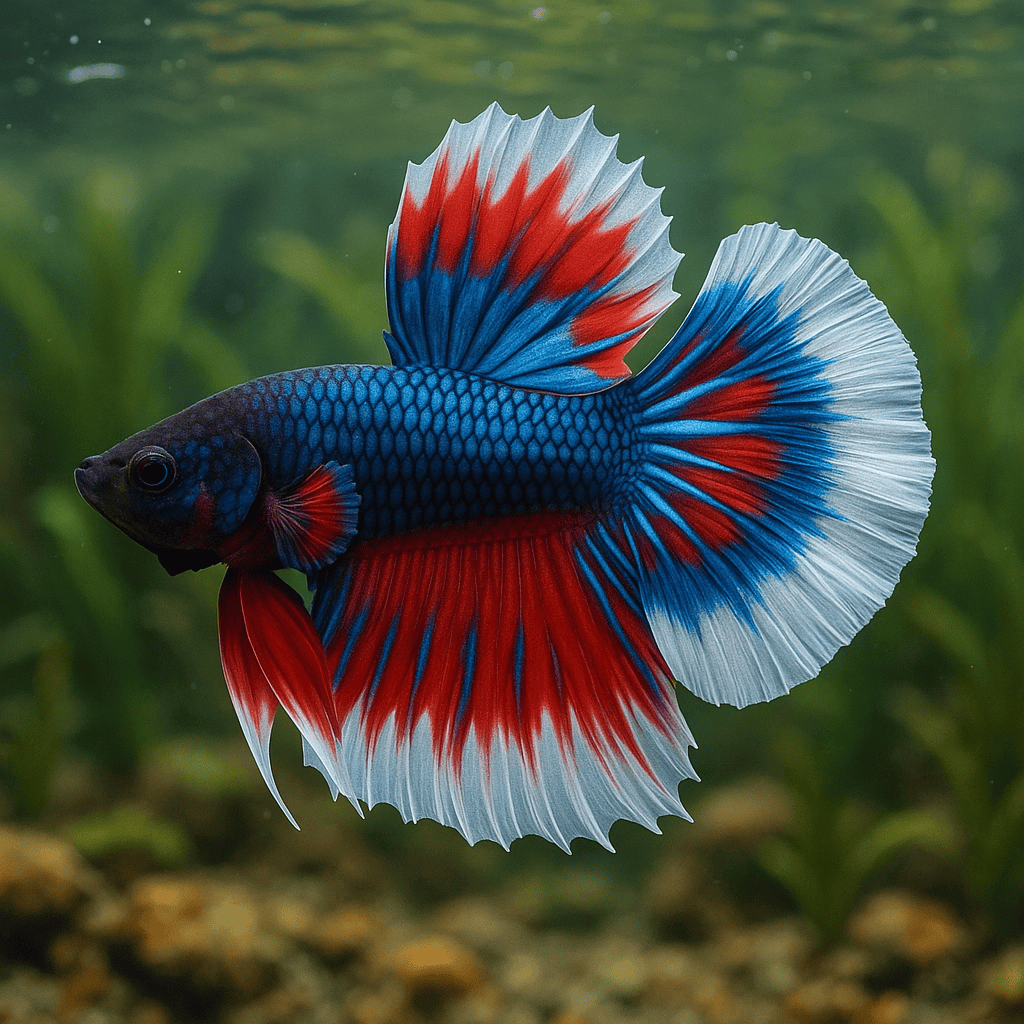
While exploring the fascinating world of betta fish, you’ll discover some truly remarkable traits that make them stand out in the aquarium hobby. Did you know male bettas are territorial and need to be kept alone? In contrast, female bettas can thrive together in a well-planted sorority tank of at least 5 gallons. These fish are easy to care for and can live up to 3 years, reaching about 3 inches long.
Their vibrant colors can be enhanced with proper lighting and water conditioner, showcasing their stunning fin displays. Additionally, bettas possess a labyrinth organ, allowing them to breathe air directly from the surface. I find it fascinating when they build bubble nests, indicating comfort and readiness to breed! Just like how we reset our lives with the Gregorian calendar each January, bettas also benefit from regular routine resets in their care.
Conclusion
To sum up, setting up a thriving betta tank can be an incredibly rewarding experience. By prioritizing water quality, filtration, and habitat comfort, you’ll create a vibrant environment for your betta to flourish. Remember to observe your fish for signs of health and provide a balanced diet to keep them happy.
With these resolutions, you’re well on your way to enjoying a stunning aquatic companion. I believe that proper betta care includes never keeping them in cold water environments, as tropical conditions are essential for their well-being. Here’s to a successful new year with your betta!