Using tannins from Indian almond leaves creates a blackwater environment using the botanical method that mimics Betta splendens’s blackwater natural habitats, boosting their health and reducing stress. Tannins offer antimicrobial properties, enhancing wound healing and vibrant coloration.
To prepare your blackwater tank, ferment dry leaves with molasses and regularly replace them every 2-3 weeks to maintain ideal tannin levels. Monitoring pH is essential, so make sure it stays above 6.5. Keep exploring this topic to discover more beneficial practices for your bettas.
Understanding Blackwater Environments for Betta Fish
When I consider the natural habitats of betta fish, it becomes clear that blackwater environments are essential for their well-being. These habitats, rich in decaying leaves, create low-oxygen water bodies that are perfect for bettas.
The use of Indian almond leaves in these setups introduces beneficial tannins, which help inhibit harmful bacteria, promoting overall health. Blackwater conditions also enhance the vibrancy of betta colors and encourage natural behaviors, such as bubble nest building. Additionally, the softer, slightly acidic water chemistry typical of blackwater environments reduces stress in bettas, leading to improved well-being.
To maintain these conditions, I recommend replacing Indian almond leaves every 2 to 3 weeks, ensuring that your bettas thrive in a favorable environment.
The Role of Tannins in Betta Health
In my experience, tannins play an essential role in promoting Betta health through their antimicrobial properties, which can help prevent infections. They also greatly enhance wound healing, allowing Bettas to recover more effectively from injuries. Additionally, by reducing stress and creating a familiar environment, tannins support the overall well-being of these vibrant fish, including species like Aequidens pallidus.
Antimicrobial Properties of Tannins
While many aquarists might not realize it, tannins play an essential role in maintaining the health of betta fish by providing natural antimicrobial properties. These compounds, released from dried leaves and botanicals like Indian Almond Leaves, inhibit harmful bacteria’s growth in betta environments.
The presence of tannins considerably reduces the risk of diseases such as fin rot, promoting overall health and well-being. Additionally, tannins create a protective barrier that prevents parasites from attaching to fish, fostering a healthier aquatic habitat. By mimicking their natural habitats, tannins not only improve water quality but also reduce stress, which is vital for bettas.
Incorporating tannins into your Betta’s environment is a simple yet effective way to enhance their health and longevity.
Wound Healing Enhancement
Tannins play an essential role in enhancing wound healing for betta fish, greatly impacting their overall health. When introducing tannin-rich water, particularly from Indian Almond Leaves, one can observe a significant improvement in my bettas’ recovery from injuries.
Tannins possess antibacterial and antifungal properties, which help prevent infections and create a protective barrier around wounds. This barrier reduces the risk of secondary infections, allowing the healing process to progress smoothly. Additionally, tannins maintain a slightly acidic environment that is beneficial for bettas recovering from physical trauma.
Observations indicate that regular incorporation of tannins not only accelerates healing but also leads to more vibrant colors and increased activity levels, indicating improved health and resilience in my betta fish.
Stress Reduction Factors
Creating a blackwater environment by introducing tannins, especially from Indian Almond Leaves, has proven to be an effective strategy for reducing stress in my betta fish. Tannins not only mimic their natural habitat but also provide several health benefits:
- Inhibit harmful bacteria and parasites, promoting overall health.
- Lower the water pH, creating slightly acidic conditions that Bettas prefers.
- Enhance vibrant colors and activity levels, indicating reduced stress.
- Encourage natural behaviors, such as bubble nest building, which can be stifled under stress.
Benefits of Using Indian Almond Leaves
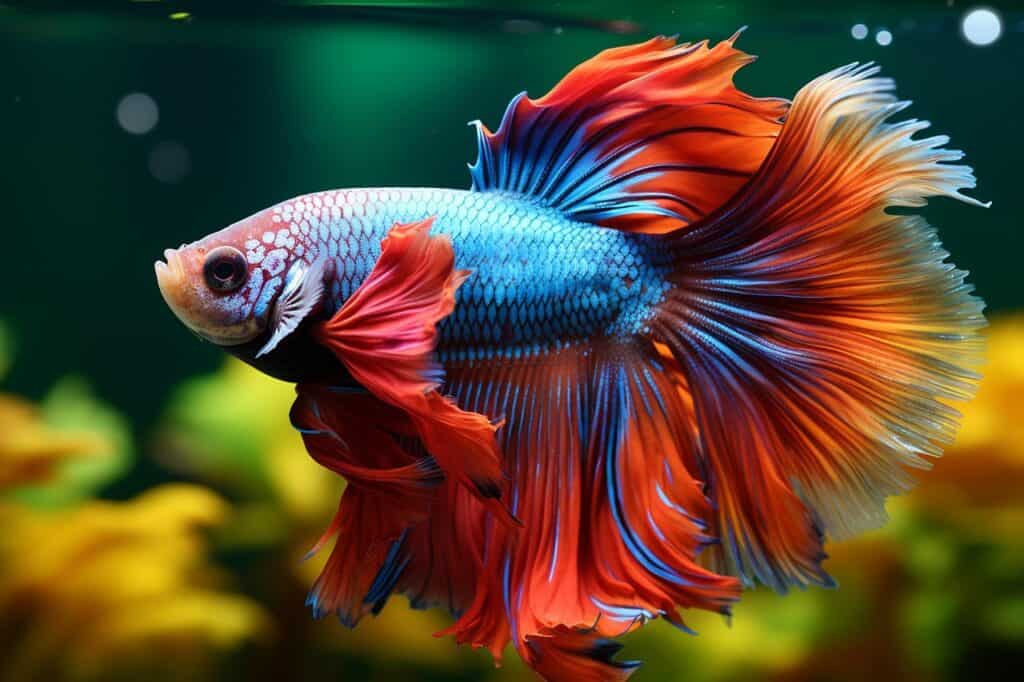
Using Indian Almond Leaves (IAL) in my betta aquarium has shown significant benefits for health and aesthetics. The tannins released by IAL not only inhibit harmful bacteria, reducing disease risk but also promote wound healing and enhance color vibrancy.
By maintaining slightly acidic pH levels, IAL helps minimize stress for my bettas, leading to a healthier and more vibrant display.
Disease Prevention Properties
When introducing Indian Almond Leaves (IAL) into a betta tank, one can observe a significant improvement in the overall health of my fish, largely due to the antibacterial and antifungal properties that the leaves release into the water.
The tannins in IAL create a blackwater environment, which helps prevent infections and reduces the likelihood of disease outbreaks. This natural habitat simulates their wild conditions, promoting better well-being and resilience against stress-related illnesses.
- Creates a natural barrier against harmful bacteria
- Enhances the immune system, leading to fewer health issues
- Supports a healthier and more stable aquatic environment
- Contributes to longer lifespans for bettas
These benefits make IAL an essential addition to any betta tank.
Wound Healing Benefits
Although many hobbyists might overlook the significance of Indian Almond Leaves (IAL) in promoting wound healing, research shows that their tannin content plays a critical role in recovery for betta fish.
Tannins create an antimicrobial environment, inhibiting harmful bacteria and fungi that can complicate injuries. Additionally, the presence of tannins reduces stress for sick bettas, further accelerating their recovery process. Their anti-inflammatory properties soothe irritation and help heal wounds more effectively.
When used in breeding tanks, IAL not only mimics natural habitats but also safeguards fry from infections during their vulnerable stages. By incorporating fermented Indian Almond Leaf water, I’ve noticed enhanced overall health, promoting faster healing and improving the immune response in my betta fish. This truly elevates fish care.
Color Enhancement Effects
Many aquarists might be surprised to learn that Indian Almond Leaves (IAL) offer significant color enhancement benefits for Betta fish. The tannins released from IAL not only beautify your Betta but also replicate their natural blackwater habitat. This environment promotes healthier coloration and enhances their overall well-being. Here’s what I’ve observed:
- Bettas exhibit more vivid iridescence and brightness in their fins.
- Tannins help prevent stress-related color fading.
- Regular use of IAL leads to long-term color enhancement.
- Healthier fish maintain their natural hues even in challenging conditions.
Incorporating IAL into your Betta’s habitat can truly transform their appearance, making them look more striking while contributing to their health. It’s a win-win for both your fish and your aquarium aesthetics!
Preparing Your Blackwater Tank
To create the ideal blackwater environment for your betta fish, I recommend starting with the fermentation process of Indian almond leaves, which are essential for infusing the tank with beneficial tannins.
Begin by fermenting 10 kilograms of dry Indian almond leaves with 5 liters of molasses in a sealed fermentation tank for about 21 days. Once ready, mix 70cc of the fermentation water with 1 liter of water before adding it to your aquarium to achieve that desired tea-colored appearance.
Regularly replace the almond leaves every 2 to 3 weeks to maintain tannin levels. Incorporate suitable plants like Anubias and ferns to enhance your botanical method aquariums, as these thrive in the slightly acidic and soft water conditions preferred by bettas, positively impacting your water chemistry.
Monitoring Water Chemistry and Parameters
When exploring maintaining a blackwater environment for my betta fish, it becomes evident that regular monitoring of water chemistry is essential for their health and well-being. In blackwater setups, changes in water conditions can occur rapidly due to the breakdown of tannins and humic acids. Here’s what I focus on:
- Maintain pH levels above 6.5 to avoid acidosis.
- Be cautious with botanicals; large quantities can drop pH below 6.0.
- Mix soft and hard water to stabilize pH and hardness.
- Pre-condition source water before adding it to the tank.
Recommended Aquarium Botanicals for Beginners
Creating a thriving blackwater environment for betta fish involves selecting the right botanicals, which not only enhance aesthetics but also contribute to the overall health of the aquarium. Here are some excellent options for beginners: **Table**
| Botanical | Benefits | Description |
|---|---|---|
| Monkey Pots and seed pods | Hiding spots, supplemental food for invertebrates | Enhances tank ecosystem |
| Magnolia Leaves | Slow breakdown, high in tannins | Ideal for natural blackwater environments |
| Betta Tea | Promotes conditioning, aids recovery | Infuses rich, red-brown tannins |
| Alder Cones | Natural filtration, supports fish health | Releases beneficial tannins |
| Texas Live Oak Leaf Litter | Mimics natural habitats, enhances aesthetic | Provides suitable substrate for bettas |
Incorporating these botanicals will help create a balanced blackwater aquarium for your Betta fish.
Setting Up a Blackwater Aquascape
When setting up a blackwater aquascape, incorporating elements that closely resemble a betta fish’s natural habitat is vital for their well-being, here’s how I do it:
- Use Indian Almond Leaves: They release beneficial tannins, mimicking a blackwater environment.
- Select Low-Maintenance Plants: Anubias, ferns, and mosses thrive in slightly acidic and soft water, perfect for a betta tank.
- Choose the Right Substrate: Sand works well for maintaining water chemistry and supporting plant growth.
- Monitor Water Parameters: Regular checks on pH and hardness are essential for the health of both fish and plants.
Remember to replace decomposing leaves every 2 to 3 weeks to keep the black water conditions ideal. Your bettas will thrive in this setup!
Community Insights on Blackwater Practices
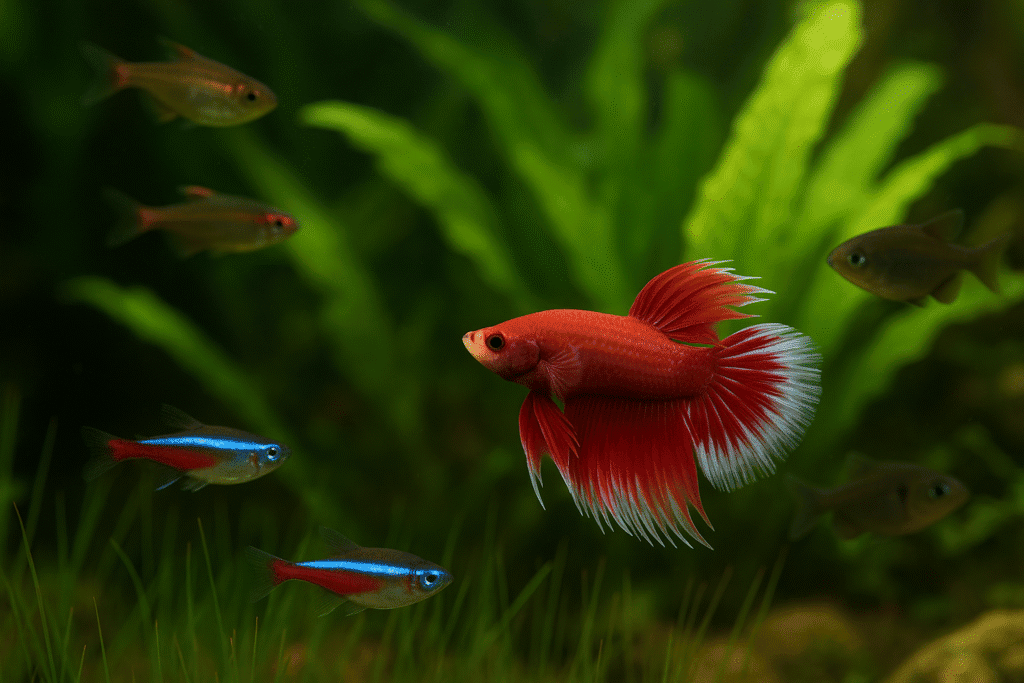
While exploring the vibrant aquarium community, including Paracheirodon axelrodi enthusiasts, I’ve found that many enthusiasts passionately share their insights on blackwater practices, particularly regarding the use of tannins. Indian Almond Leaves are frequently recommended for their antibacterial and antifungal properties. Many hobbyists report that bettas thrive in tannin-rich environments, showcasing increased vibrancy and activity.
Here’s a quick overview of community insights:
| Insight | Details |
|---|---|
| Tannin Source | Indian Almond Leaves are preferred. |
| Frequency of Replacement | Recommended every 2-3 weeks for effectiveness. |
| Water Chemistry Importance | Understanding pH and hardness is essential. |
| Aesthetic Balance | Clear tanks may hinder fish needs. |
| Health Benefits | Tannins support overall fish health. |
These insights emphasize the value of balancing aesthetics with the needs of our bettas.
Conclusion
Incorporating tannins into your betta fish’s environment can greatly enhance their health and well-being. By mimicking their natural blackwater habitats, you’re not only reducing stress but also promoting vibrant colors and improved immunity.
Remember to monitor your water parameters closely and experiment with various botanicals to find what works best for you and your Betta. With proper preparation and care, your blackwater tank can thrive, providing a beautiful and beneficial home for your fish.