When comparing Veiltail and Halfmoon Bettas, I’ve found distinct differences in their financial structure and care needs. The veil tail has long, flowing fins that create an elegant silhouette, while Halfmoons boasts a dramatic 180-degree spread. Halfmoons can face buoyancy issues due to larger fins, making them more susceptible to diseases and fin damage.
On the other hand, Veiltails are generally hardier. There’s much more to uncover about their behaviors and healthcare requirements, so stick around for further insights.
Distinct Features of Veiltail Bettas
When it comes to distinguishing betta fish types, the veiltail, a common tail type, stands out with its unique fin structure. These fish are characterized by their long, flowing fins that taper to a point, creating a graceful silhouette in the water. The caudal fin of a veiltail is typically wider and more elongated compared to other types, producing a mesmerizing veil-like effect during swimming. Additionally, veiltails come in a vibrant array of solid colors, making them a favorite among aquarists.
Their fin structure also makes them less susceptible to damage from tail biting, a common issue in other betta types. Finally, veiltails are generally easier to care for, making them suitable for both novice and experienced fishkeepers looking to enjoy the beauty of these remarkable fish.
Characteristics of Halfmoon Bettas
Halfmoon Bettas boasts a striking appearance that captivates many aquarists. Their unique fin structure is a key feature, characterized by a dramatic 180-degree spread. However, this beauty comes with challenges:
- Heavier, substantial fins make them susceptible to tail biting and fin issues.
- They are prone to diseases, particularly Ich, if not given ideal care.
- Their fin structure can affect buoyancy, leading to tilting that may indicate Swim Bladder Disease.
- Breeding focuses on perfecting fin shape and spread, resulting in variations like Deltatail and Super Deltatail.
- These variations are often marketed as Half Moons in pet stores.
Understanding these characteristics is essential for those looking to provide the best care for Halfmoon Bettas, including Female betta fish, ensuring their health and well-being.
Tail Morphology and Its Impact on Swimming
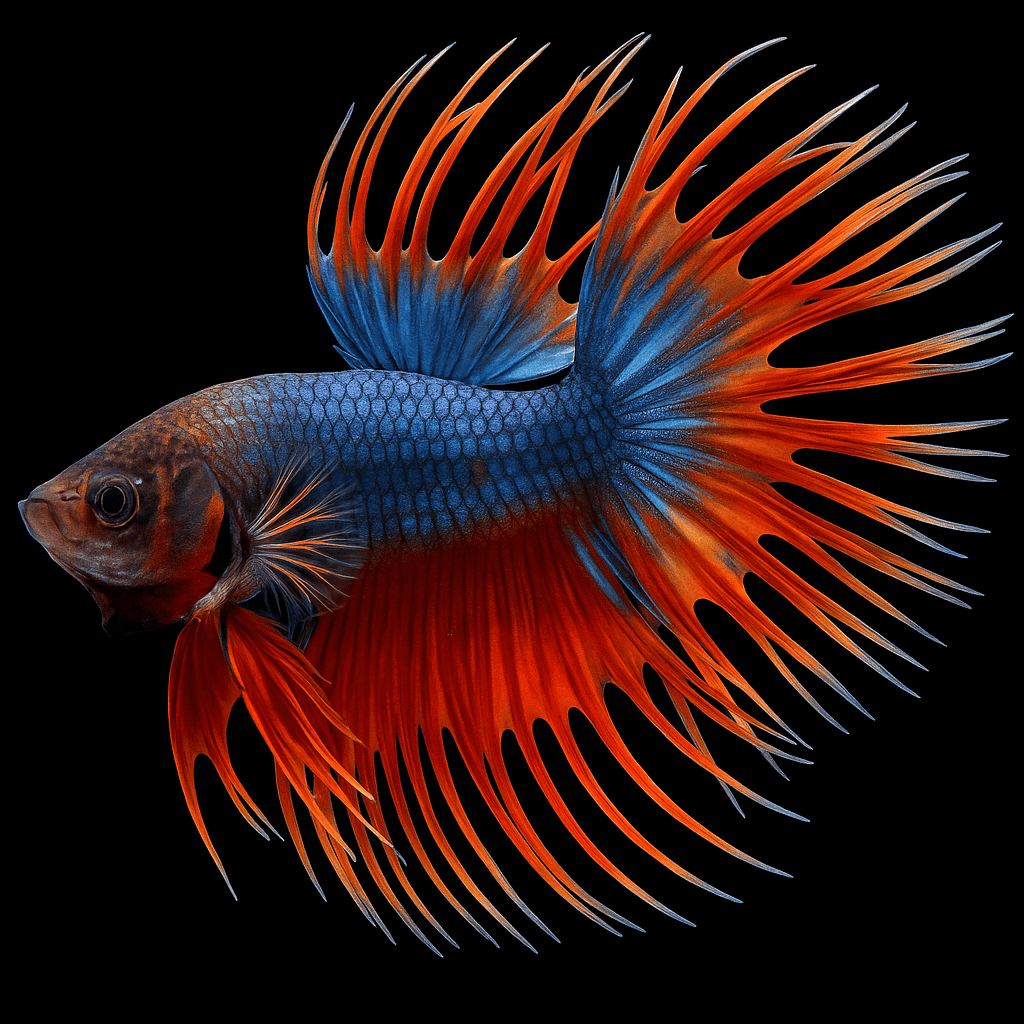
When I observe the differences in tail morphology between Veiltail and Half Moon bettas, it’s clear that fin size plays a significant role in their swimming behavior. The Veiltail’s elongated fins allow for elegant movements but can hinder agility, while the Half Moon’s broader fins provide stability at the cost of potential buoyancy issues.
Understanding these variations helps in creating ideal tank conditions for each type to support their unique swimming styles and showcase their beautiful color patterns.
Fin Size Differences
Fin size plays an essential role in the swimming dynamics and overall health of Betta fish, particularly when comparing Veiltail and Half Moon varieties. Here’s what I’ve observed about their fin morphology:
- Veiltail Bettas have long, flowing fins that taper off, providing graceful movement.
- Half Moon Bettas feature larger fins that form a full 180-degree spread, impacting buoyancy.
- The increased fin size in Half Moons can lead to tilting while swimming.
- Tail biting is more common in Half Moons due to their extensive fin length.
- Both types thrive in suitable environments, but Half Moons require more attention to swimming space and water quality.
Understanding these fin size differences helps enhance the care we provide for our Bettas, ensuring they remain healthy and vibrant.
Swimming Behavior Variations
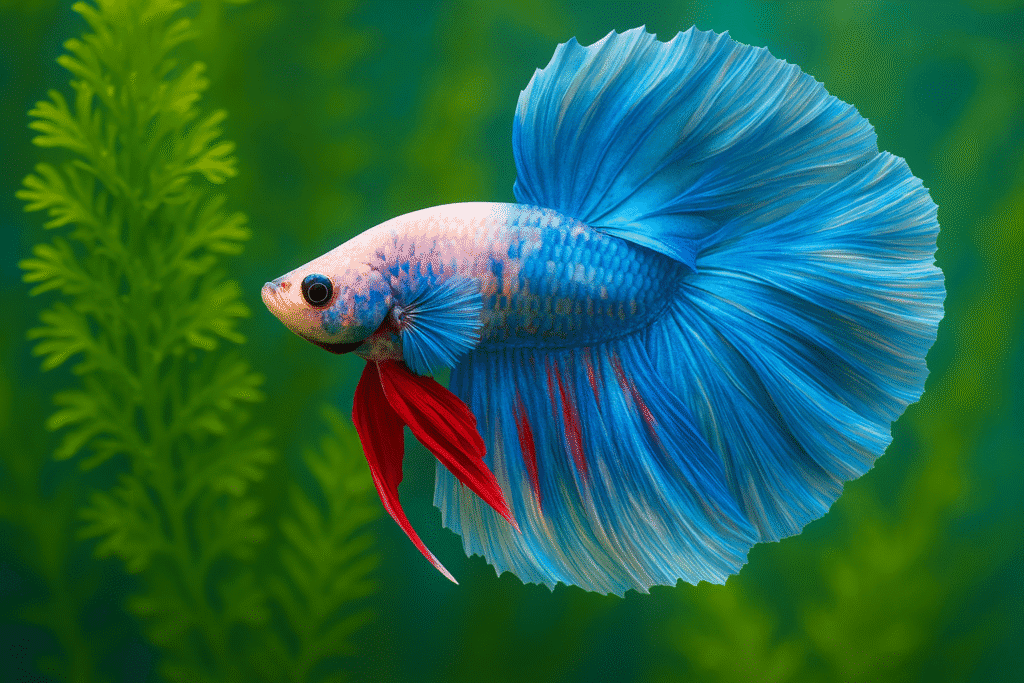
The differences in fin size greatly influence the swimming behavior of Betta fish, especially when comparing Veiltail and Half Moon varieties. Half Moon Bettas, with their larger, heavier tails, often struggle with buoyancy, which can lead to tilting during swimming. This tail shape and fin structure may also make them susceptible to tail biting, further complicating their swimming dynamics and overall health.
In contrast, Veiltail Bettas, possessing shorter fins, demonstrate more agile swimming patterns, which allow for improved maneuverability in their habitats. Observing their swimming behavior can be essential for identifying health concerns, as Half Moons might show signs of Swim Bladder Disease (SBD), like floating or tilting. Understanding these variations helps in providing ideal care for both Betta types.
Behavior Differences Between Veiltail and Halfmoon Bettas
While both Veiltail and Halfmoon Bettas exhibit unique behaviors shaped by their physical characteristics, notable differences emerge in their swimming patterns and aggression levels. As I observe these beautiful fish, I notice:
- Veiltail Bettas have stable swimming patterns.
- Halfmoon Bettas may tilt while swimming due to larger fins affecting buoyancy.
- Male Halfmoon Bettas tend to be more aggressive fish, displaying territorial behavior.
- Tail biting is more common in Halfmoons, leading to fin damage.
- Both types can develop distinct personalities, but Halfmoons often show pronounced emotional responses.
Water quality and environmental conditions also impact behavior, ensuring both types thrive under proper care. Understanding these differences helps in providing the best environment for your male bettas.
Health Considerations for Veiltail Bettas
Understanding the health considerations for Veiltail Bettas is vital, especially since their simpler fin structure contributes to their resilience against common ailments. To guarantee ideal health, I prioritize maintaining clean water and stable tank conditions. Regular water changes are essential to prevent stress and related health issues. Veiltail Bettas thrive best at temperatures around 78-80°F, which supports their immune system.
I’ve noticed that observing them closely helps identify any signs of lethargy or abnormal swimming behavior early on, allowing for timely intervention. With proper care, Veiltail Bettas generally enjoy good health and show lower susceptibility to diseases like Ich compared to other varieties like rose petals. Overall, fostering a suitable environment is key to their well-being.
Health Considerations for Halfmoon Bettas
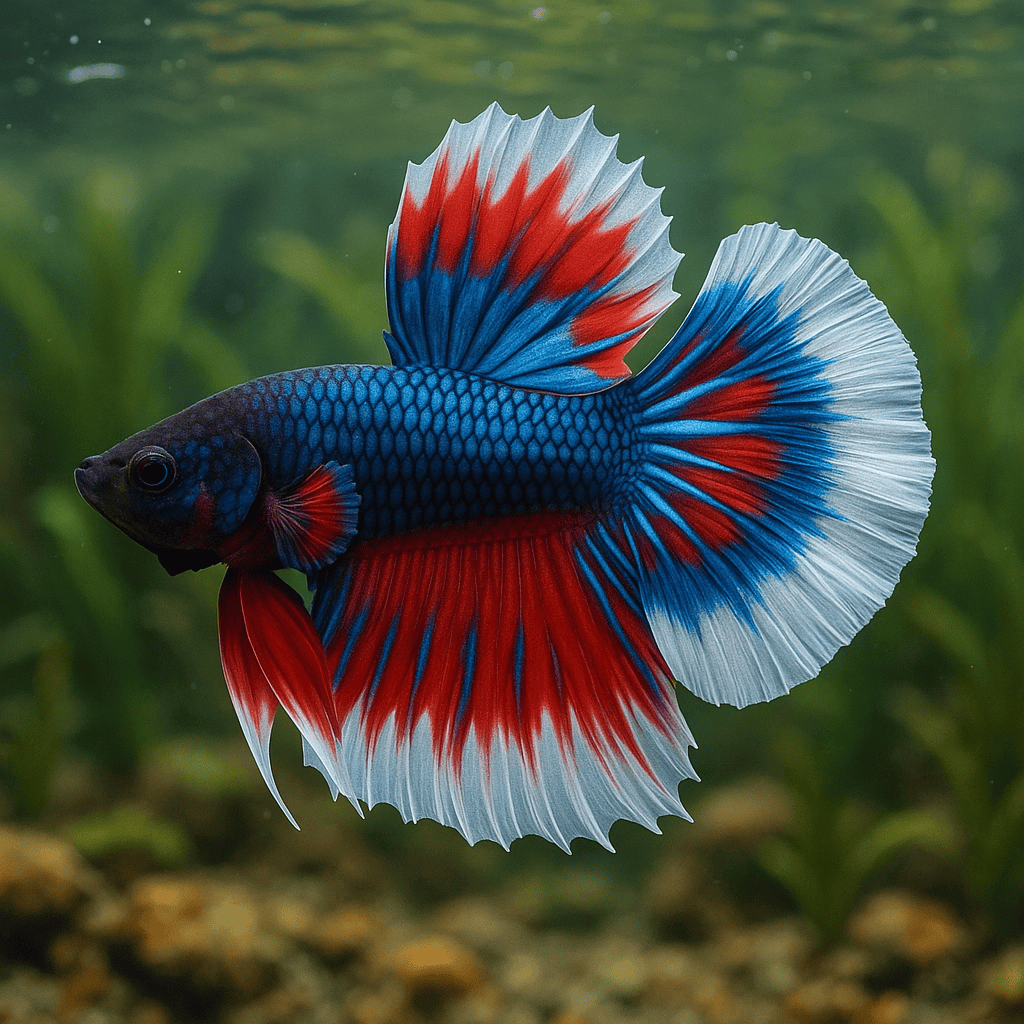
Health considerations for Halfmoon Bettas require careful attention due to their unique fin structure, which can predispose them to various ailments. I’ve noticed that these fish are particularly vulnerable to health problems, so here are some key points to evaluate:
- Regular water changes are essential for preventing disease.
- Their large fins can lead to stress and increased susceptibility to Ich.
- Tail biting is common, resulting in potential fin damage and infections.
- Observing their swimming patterns can help detect issues like constipation or Swim Bladder Disease.
- Fasting for a few days, followed by frozen daphnia, can alleviate constipation.
These considerations apply to double-tail varieties as well.
Care Requirements for Both Betta Types
Caring for both Veiltail and Halfmoon bettas requires attention to their specific needs to guarantee they thrive in captivity. Both types need a minimum tank size of 2 gallons, with regular water changes every 3-4 days to maintain ideal water quality. It’s essential to keep the water temperature around 80°F, as they flourish in warm, tropical environments.
Nutrition plays an important role, too; I recommend high-quality betta pellets alongside treats like frozen bloodworms and daphnia, but be cautious of overfeeding to prevent health issues. Finally, incorporating hiding spots and plants in their tank reduces stress and creates a comfortable habitat, promoting overall well-being for your bettas.
Choosing the Right Betta for Your Aquarium
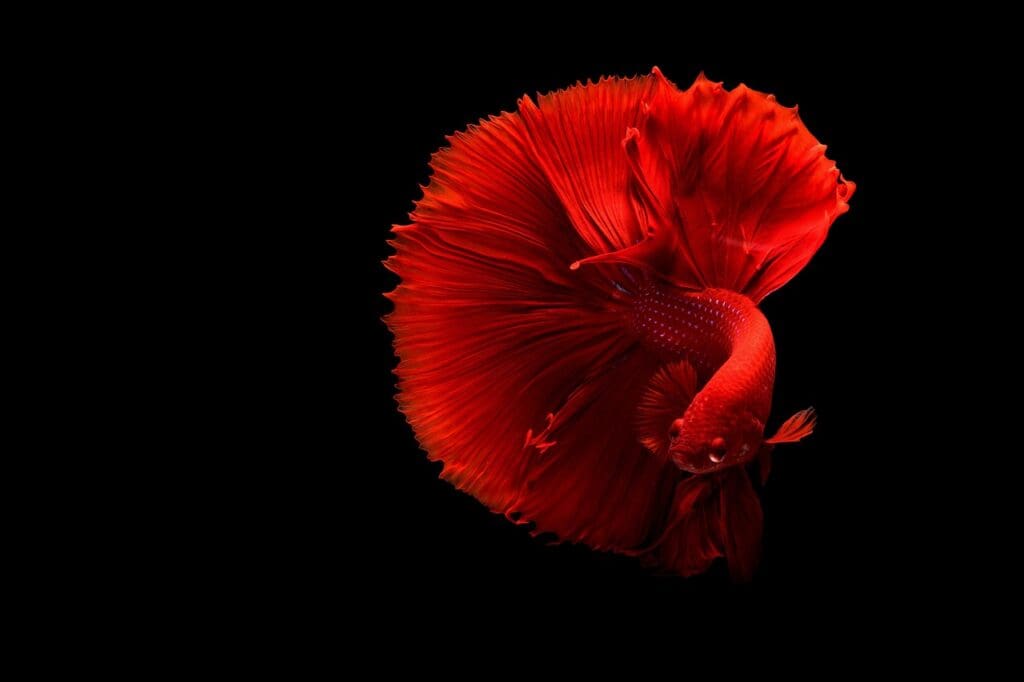
How do you decide on the right Betta for your aquarium? Choosing between a Veiltail and a Halfmoon can be tricky, but understanding their unique needs can guide your decision. Here are some factors to take into account:
- Fin Size: Halfmoons have larger fins, requiring careful tank conditions to prevent damage.
- Resilience: Veiltails are generally more resilient fish and adapt well to smaller tanks.
- Water Quality: Both types thrive in warm, clean water and maintain around 80°F.
- Disease Susceptibility: Halfmoons are more prone to illnesses like Ich, necessitating strict care.
- Tank Space: Assess your space; Halfmoons may need larger tanks due to their fins.
Take these points into account to guarantee a harmonious home for your new Betta!
Conclusion
In conclusion, understanding the differences between veiltail and halfmoon bettas can greatly enhance your aquarium experience. While veiltails are known for their graceful, flowing tails, halfmoons boast a striking, symmetrical appearance that stands out. Each type has its own behavioral traits and health considerations, so choosing the right Betta depends on your preferences and betta fish care guide capabilities. Ultimately, both offer unique beauty and charm, making them rewarding additions to any aquatic setup.