Plakat betta fish are remarkable short-finned varieties known for their robust bodies and vibrant colors, including iridescent blues and reds1. With an average lifespan of 3 to 5 years, these fish display higher activity levels and aggression, particularly among males. They thrive in at least a 10-gallon tank with excellent water quality. Their diet should be protein-rich, featuring high-quality pellets and live foods. As you explore further, you’ll discover essential tips for care, compatibility, and breeding.
Physical Characteristics
When examining the physical characteristics of plakats, one can immediately notice their unique fin structure. Unlike their long-finned relatives, plakats possess shorter, compact fins and a distinctive D-shaped or half-moon tail fin. This design enhances agility and speed, making them adept swimmers. Their fins are thicker and sturdier, effectively minimizing the risk of damage and health issues like fin rot.
The robust body structure of plakats contributes to their hardiness, allowing them to withstand diseases better than other varieties. Additionally, their longer ventral fins aid in swimming balance and maneuverability. With vibrant colors ranging from blue to red, plakats are visually striking, showcasing iridescent tones that further highlight their physical appeal.
Behavior and Personality
Plakat bettas exhibit striking territoriality, especially among males, which can lead to aggressive confrontations if housed together. However, in a secure environment, their demeanor shifts, revealing calmer behaviors that allow interaction with owners. This variability highlights the importance of understanding each fish’s unique personality traits.
Territorial Male Aggression
Male plakats often display quick, darting movements as they patrol their space and flare gills in confrontations. Their shorter fin structure allows rapid maneuvers during disputes, and individual bettas can vary considerably in aggression levels. Therefore, housing two male plakats together can lead to stress and fighting.
Calmness in Secure Environments
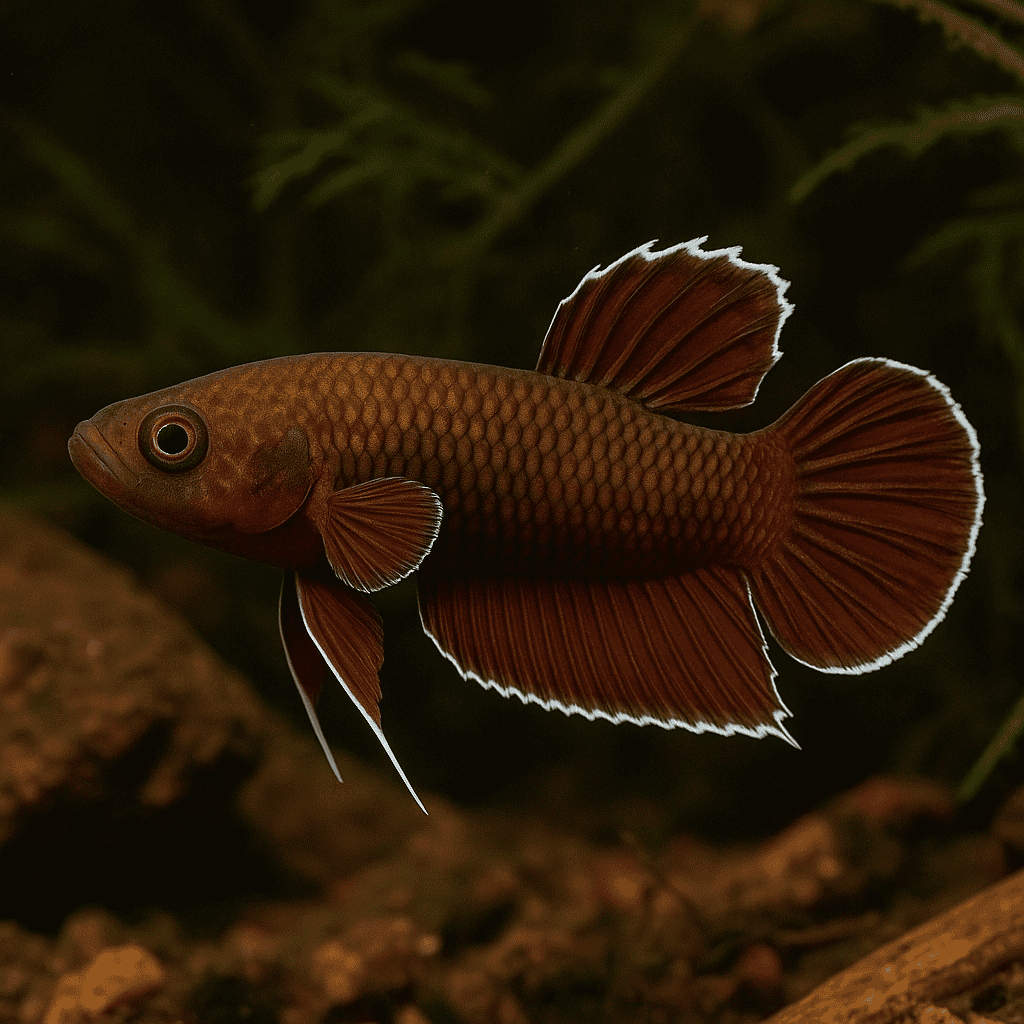
Although recognized for aggression, plakats can display remarkable calmness when their habitat is well-structured, with adequate hiding spots and ideal water quality. Providing live plants and decorations encourages exploration, and compatible tank mates further minimize stress. Individual personalities still differ, influencing calmness levels.
Interaction With Owners
Plakat bettas engage in curious interactions, swimming to the glass and enthusiastically meeting your gaze. Occasionally, I observe them building elaborate bubble nests that signify comfort and well-being. Resting on leaves, they appear tranquil and content, enriching the owner-fish relationship.
Lifespan and Activity Levels
Understanding the lifespan and activity levels of betta fish is vital for any enthusiast aiming to provide ideal care. Plakat bettas typically live between 3 and 5 years, with longevity heavily influenced by proper care and a healthy environment. Their short fins grant agility, resulting in higher activity levels compared to long-finned varieties. They often swim energetically and explore their tank surroundings.
Tank Requirements
When setting up a tank for a plakat betta, a minimum size of 10 gallons is recommended to guarantee enough room for swimming and exploration. Maintaining ideal water conditions—proper filtration, regular water changes, and stable temperature—is vital.
Minimum Tank Size
A minimum tank size of 10 gallons allows your plakat betta to swim freely and explore its environment, which is important for its mental and physical health. Fine gravel or sand substrate mimics natural conditions, and smooth decorations prevent fin injuries.
Ideal Water Conditions
Plakat bettas flourish in slightly acidic blackwater setups, ideally with a pH between 6.5 and 7.5. Regularly monitor water temperature, keeping it between 76–82°F (24–28°C), to ensure health and vitality.
Feeding and Diet
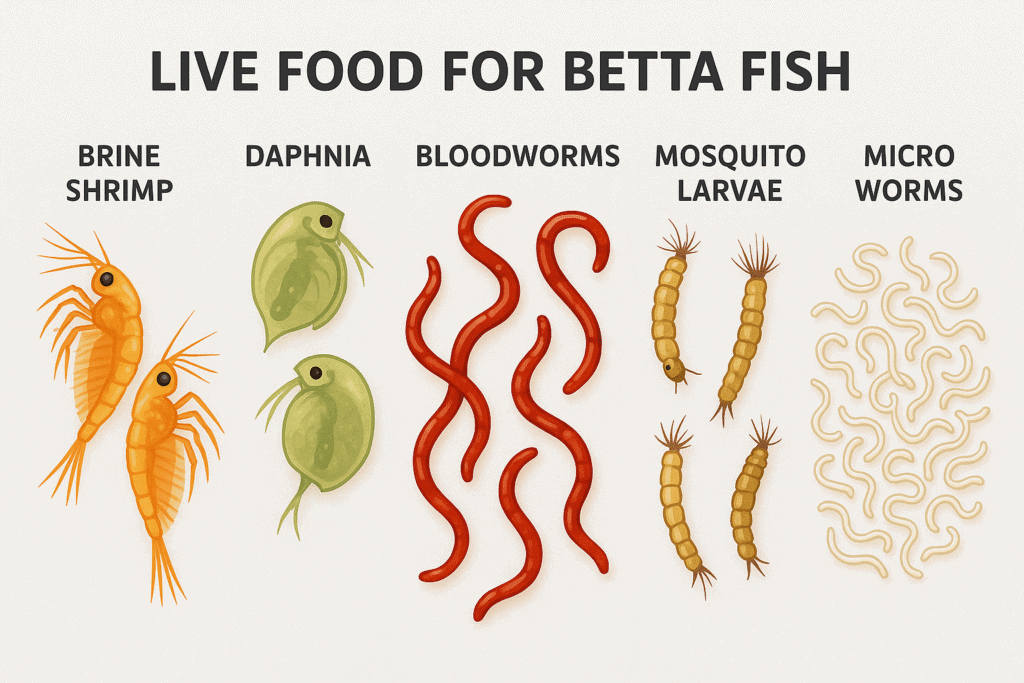
A well-balanced diet is essential for the health and vibrancy of plakat bettas. I recommend feeding them 2–3 times a day with controlled portions to avoid issues like Swim Bladder Disorder. Their diet should include high-quality betta pellets, live or frozen brine shrimp, and bloodworms to enhance coloration and immune function.
Tankmates and Compatibility
Plakat bettas’ aggression levels vary greatly among individuals, so observe their temperament before introducing community tank mates. Adding tank mates like neon tetras or rasboras before the betta can minimize territorial claims. Ample hiding spots and visual barriers further reduce stress and enhance coexistence.
Common Health Concerns
Common health concerns include fin rot—often due to poor water quality—and Ich, which appear as white spots and require prompt treatment. Swim bladder disorder, usually from overfeeding, can hinder swimming ability. Maintaining water quality, controlling feeding, and quarantining new fish help prevent these issues.
Breeding Plakat Bettas
Breeding plakat bettas requires selecting a compatible pair and maintaining a dedicated breeding tank with specific conditions. The male builds a bubble nest after spawning, and fry requires specialized feeding like infusoria or finely crushed foods.
Conclusion
In summary, plakat bettas combine striking physical traits with vibrant personalities. Their robust nature and adaptability make them suitable for various tank environments, while their unique behaviors provide endless fascination. Proper care, including a balanced diet and attention to compatibility, is essential for their well-being.