If you’re exploring wild betta species beyond Betta splendens, you’ll discover intriguing options like Betta macrostoma and Betta hendra. I find that these betta fish species require specific habitat conditions, such as low pH levels and stable temperatures while displaying stunning colors and unique behaviors.
Many wild bettas are less aggressive, making them suitable for community tanks. Understanding their specific care, breeding practices, and conservation needs is essential. There are even more fascinating details about these species just ahead.
Overview of Wild Betta Species
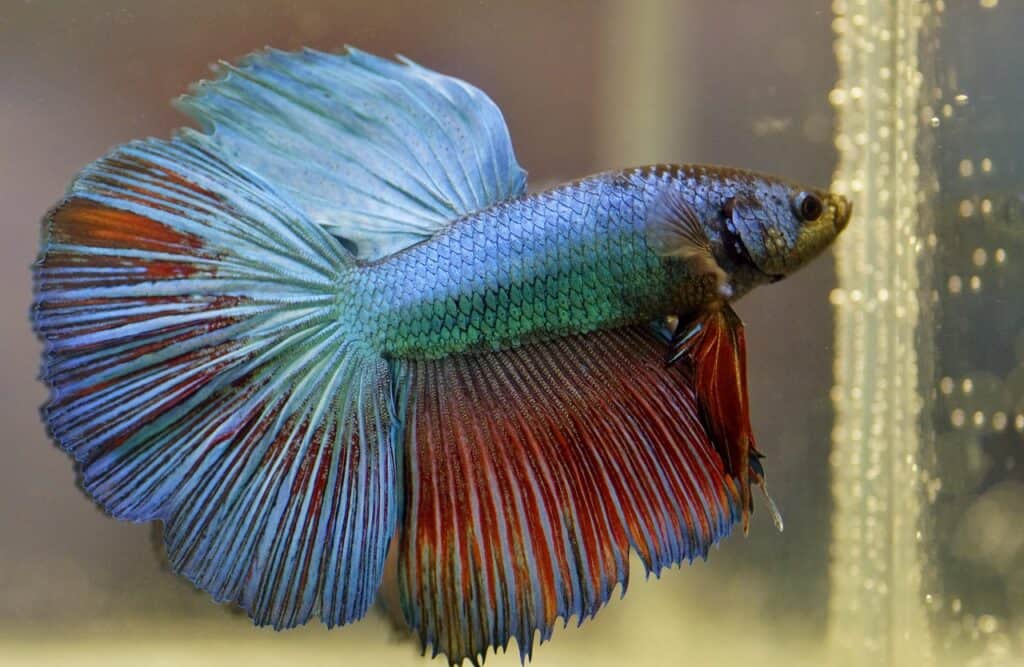
While many aquarists are familiar with the vibrant Siamese fighting fish, wild betta species offer a fascinating alternative that deserves attention. Species like Betta macrostoma, known for its striking appearance, require specific habitat conditions, including low pH levels and ample hiding spots. I’ve noticed that many wild species are often less aggressive, making them suitable for community tanks with careful planning.
Betta hendra, for instance, exhibits unique breeding behaviors as mouthbrooders, with males taking an active role in parental care. By catering to their needs, we can support the health of these remarkable fish while enriching our aquariums with their distinctive traits.
Unique Characteristics of Wild Bettas
Wild bettas exhibit an impressive array of colors and patterns, with species like Betta brownorum showcasing striking contrasts that make them visually enchanting. I recall observing how Betta mahachaiensis thrives in mildly brackish water, distinguishing it from purely freshwater species. Appreciating these characteristics is essential for anyone considering adding wild bettas to their collection.
Diverse Coloration and Patterns
When exploring the diverse coloration and patterns of wild bettas, one can’t help but appreciate the intricate beauty these species display. Betta macrostoma features a vibrant orange-brown body with electric blue fin edges, while Betta hendra captivates with its stunning blue-green hues and red cheekbars. I witnessed Betta albimarginata’s reddish-orange body and contrasting fin edges in a biotope setup, which highlighted how habitat influences coloration. The variations reflect their native habitats, making them ideal for specialized aquascapes.
Habitat Specific Requirements

The habitat-specific requirements of wild bettas reveal their unique adaptations and preferences, which are vital for their well-being in captivity. Most wild species thrive in acidic environments (pH 3.0–6.0) with low conductivity, mimicking slow-moving streams and peat swamps enriched by tannins and leaf litter. I’ve noticed that providing dense plant cover and subdued lighting reduces stress and territorial disputes among these fish. Acknowledging these needs ensures healthier, more active inhabitants.
Ideal Habitat Requirements
When setting up an ideal habitat for wild bettas, I focus on specific water chemistry needs, including maintaining low pH levels and soft, acidic conditions. It’s also essential to take into account tank size and guarantee ample hiding places to mimic their natural environments, which promotes their well-being. By carefully addressing these factors, I can create a thriving ecosystem for these fascinating fish.
Water Chemistry Needs
To guarantee the health and vigor of wild betta species, replicating their natural water chemistry is essential. Many of these fish thrive in acidic environments, with a pH ranging from 3.0 to 6.0. I maintain stable temperatures between 22 °C and 28 °C and regularly monitor water parameters to mimic their native peat swamp habitats. Species like Betta brownorum prefer the lower end of the pH spectrum, while Betta hendra and Betta macrostoma require soft, low-conductivity water.
Tank Size Recommendations
Choosing the right tank size for wild bettas is essential, as these species often exhibit territorial behaviors and specific habitat preferences. I recommend the following based on species needs:
| Species | Minimum Tank Size (cm) |
|---|---|
| Betta macrostoma | 80 × 30 |
| Betta hendra | Larger tank preferred |
| Betta albimarginata | 45 × 30 |
| Group of Wild Bettas | At least 76 × 30 |
A well-planted environment with floating vegetation reduces aggression and promotes natural behaviors.
Hiding Places Importance
Providing adequate hiding places in a wild betta’s habitat is essential for their overall well-being, as these species naturally seek refuge to alleviate stress and avoid confrontations. In my experience, incorporating floating plants, driftwood, and flower pots mimics their natural habitats and promotes security. I have observed that shy species like Betta hendra become more active when offered ample cover.
Care and Maintenance Tips
While keeping wild bettas, I’ve found that understanding their specific care requirements is vital for their health and well-being. Maintaining stable temperatures (22–28 °C) and acidic pH (3.0–6.0) is essential, as is providing plenty of floating plants and leaf litter to reduce territorial conflicts. I feed a variety of live foods, such as small worms and brine shrimp, since many wild species may not readily accept dry flakes. Regular water changes support their acclimatization and overall vitality.
Breeding Practices for Wild Bettas
When it comes to breeding wild bettas, creating the right environment is essential for success. I always condition males and females separately with live foods to prepare them for courtship and spawning. Specific breeding setups, including floating plants for bubble-nesting species or refuge for mouthbrooders like Betta albimarginata, are crucial. After spawning, I separate fry to ensure optimal growth, starting them on infusoria or vinegar eels to improve survival rates.
Community Tank Considerations
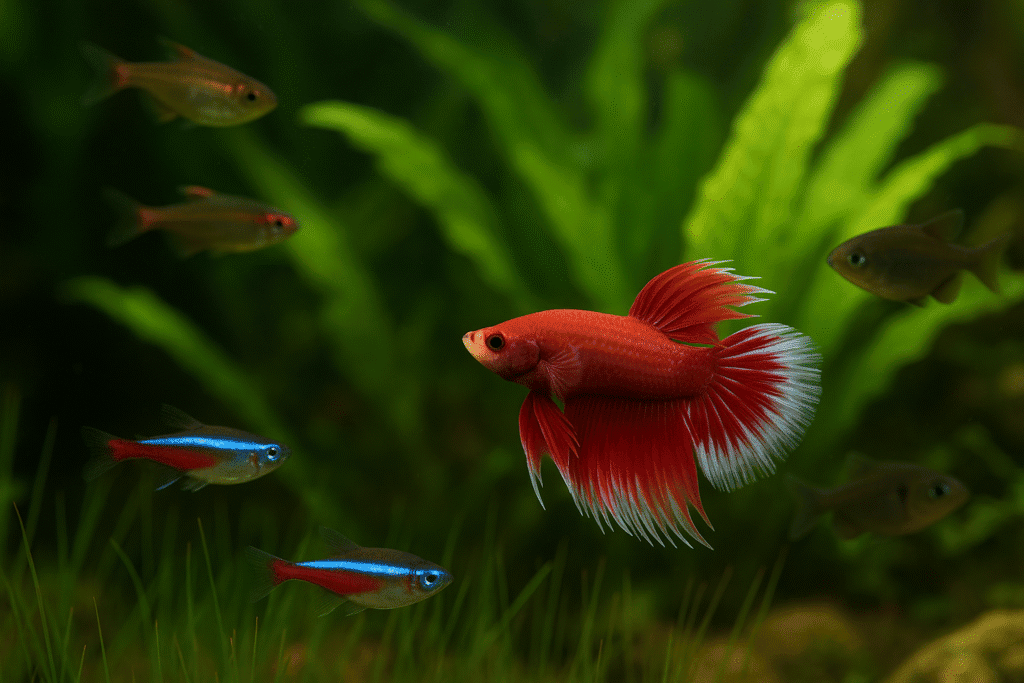
As I explore the dynamics of community tanks, I find that incorporating wild betta species can be a rewarding endeavor. These fish often exhibit lower aggression than domesticated Bettas, making them compatible with peaceful tankmates like Corydoras and small tetras. I keep wild bettas in groups of 6–8 to minimize territorial disputes and provide ample hiding spots. Proper water conditions that mimic their habitats are crucial for harmonious coexistence.
Popular Wild Betta Species to Explore
I believe these species can bring unique beauty and diversity to your aquarium:
| Species | Key Features | Care Requirements |
|---|---|---|
| Betta imbellis | Peaceful, thrives in dark environments | Keep in groups: 1 male, multiple females |
| Betta macrostoma | Rare “Brunei Beauty,” striking appearance | Requires 80 × 30 cm tank, pH 4.0–6.0 |
| Betta hendra | Timid, stunning blue-green color | Not suitable for standard community tanks |
| Betta albimarginata | Reddish-orange body with white fins | Best in trio: 1 female, 2 males |
Betta picta Easy to breed, compatible with peaceful tankmates Ideal with Corydoras
Conservation and Importance of Wild Bettas
Many enthusiasts admire the vibrant colors and unique behaviors of wild bettas, yet habitat destruction and pollution threaten species like Betta macrostoma. I support conservation efforts by sourcing from reputable breeders and promoting habitat protection. Preserving genetic diversity through responsible breeding enhances resilience and ecological balance. Embracing wild bettas not only enriches aquariums but also fosters biodiversity awareness.