When keeping Betta Coccina, or Wine Red Wild Betta, I find it vital to replicate their native habitat. They thrive in soft, acidic water and prefer a densely planted tank with minimal water movement. Providing plenty of hiding spots with driftwood and leaf litter is important for their security.
Their diet should focus on high-protein live foods, while breeding demands a separate, well-maintained environment. There’s so much more to reflect on to guarantee their well-being.
In the Wild
When exploring the natural habitat of Betta coccina, we find these fascinating fish thriving in the dark, tannin-rich waters of the Malay Peninsula, Sumatra, and Borneo. They inhabit slow-flowing to stagnant blackwater environments characterized by specific water parameters that include low carbonate hardness and low conductivity.
The pH levels in these habitats range between 3.5 and 4.5, creating the acidic water essential for their health. Dense vegetation and leaf litter provide essential shelter and breeding sites, enhancing their chances of survival. Their diet mainly consists of small terrestrial insects, with ants being particularly favored.
Understanding these elements is crucial for anyone looking to replicate their natural conditions, ensuring the well-being of Betta coccina in captivity.
Aquarium Care
Creating an ideal aquarium environment for Betta coccina requires careful attention to their specific needs. These wine red bettas thrive in soft, acidic water with a pH of 4.0 to 6.0, mirroring their natural blackwater habitats. I recommend a minimum tank size of 20 gallons to house a group of six to eight, promoting social behavior and minimizing stress.
For best water quality, regular changes and monitoring of temperature—ideally in the mid 70s F—are essential. The setup should include a sandy substrate, driftwood, and leaf litter, providing plenty of hiding spots. Additionally, offering a variety of high-protein live foods like brine shrimp and daphnia is vital for their health and vibrant coloration.
Breeding and Fry Care

When setting up for Betta coccina breeding, I focus on creating an environment that encourages male bubble nest construction while ensuring ideal water conditions.
After successful spawning, I monitor the fry closely, as their nutritional needs are critical for healthy growth; they thrive on a diet of infusoria and other small live foods. It is crucial to remove the adults after spawning to minimize food competition, allowing the fry to flourish in their early stages.
Breeding Setup Requirements
To successfully breed Betta coccina, I recommend setting up a dedicated breeding tank that mimics their natural environment, as this is crucial for encouraging spawning. The water conditions should be soft and acidic, with a pH of 4.5-6.0 and a temperature between 24-28°C (75.2-82.4°F).
Include floating plants and hiding spots, like large-leafed plants or black plastic film canisters, to create a secure atmosphere for the female and allow the male to build a bubble nest. After spawning, the male guards the bubble nest with 20 to 40 eggs, which hatch in 30 to 36 hours.
Once the fry become free-swimming after 3 to 4 days, I recommend removing adult fish to prevent competition for food and guarantee healthy development.
Fry Nutrition and Growth
After ensuring the breeding setup is suitable for Betta coccina, attention shifts to the nutrition and growth of the fry. Initially, I feed them infusoria or paramecia for the first few days, meeting their crucial nutritional needs. As they grow, around 3 to 4 days post-hatch, I shift them to newly hatched brine shrimp nauplii, which provide essential high protein for development.
It’s important to monitor feeding amounts closely, offering small portions twice daily to prevent overfeeding and maintain water quality, especially during water changes. To promote balanced nutrition, I later introduce a variety of foods like microworms and vinegar eels. Additionally, removing adult fish helps reduce competition, ensuring favorable growth conditions for the fry.
Food and Feeding
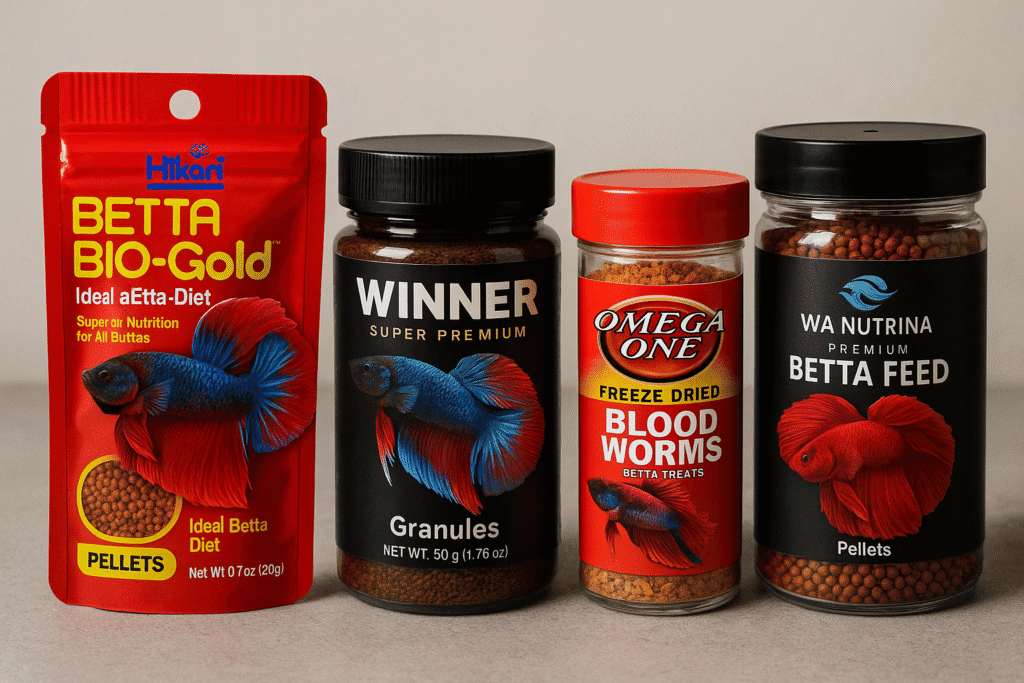
Although Betta coccina, commonly known as wine red bettas, can accept high-quality flakes, they truly thrive on a diet rich in live or frozen foods that closely resemble their natural prey. A high-protein diet featuring brine shrimp, white worms, and daphnia is necessary for their health and vibrant coloration.
While flakes may suffice occasionally, variety in meaty foods is significant. I recommend feeding small portions twice daily to avoid overfeeding and maintain ideal water quality. For fry, newly hatched brine shrimp serve as a staple, with infusoria and microworms introduced for growth support.
Monitoring their feeding habits is critical to prevent excess uneaten food that could compromise water quality and overall tank health.
Tank Setup
When setting up a tank for wine red bettas, I’ve found that ideal dimensions start at 20 gallons to support a small group. It’s vital to focus on aquatic plant selection, as species like Cryptocoryne and Java Fern not only provide hiding spots but also improve water quality.
Additionally, maintaining soft, acidic water with a pH of 4.5 to 6.0 and a temperature range of 24-28°C is essential for their well-being.
Ideal Tank Dimensions
To successfully house Betta coccina, I recommend considering their social nature and environmental needs when determining tank dimensions. For groups of six to eight fish, a 30-inch (76-cm) long tank is ideal, promoting social behavior and reducing stress. If you’re keeping pairs, make sure the tank is at least 5 gallons to provide adequate space and cover.
However, for best conditions, a 20-gallon tank or larger is best to facilitate natural behaviors and minimize territorial disputes. The tank should feature a substrate of thin sand, with driftwood and leaf litter to mimic their blackwater habitat. Additionally, incorporating subdued lighting and floating plants like water penny enhances the water quality and overall well-being of your Betta coccina.
Aquatic Plant Selection
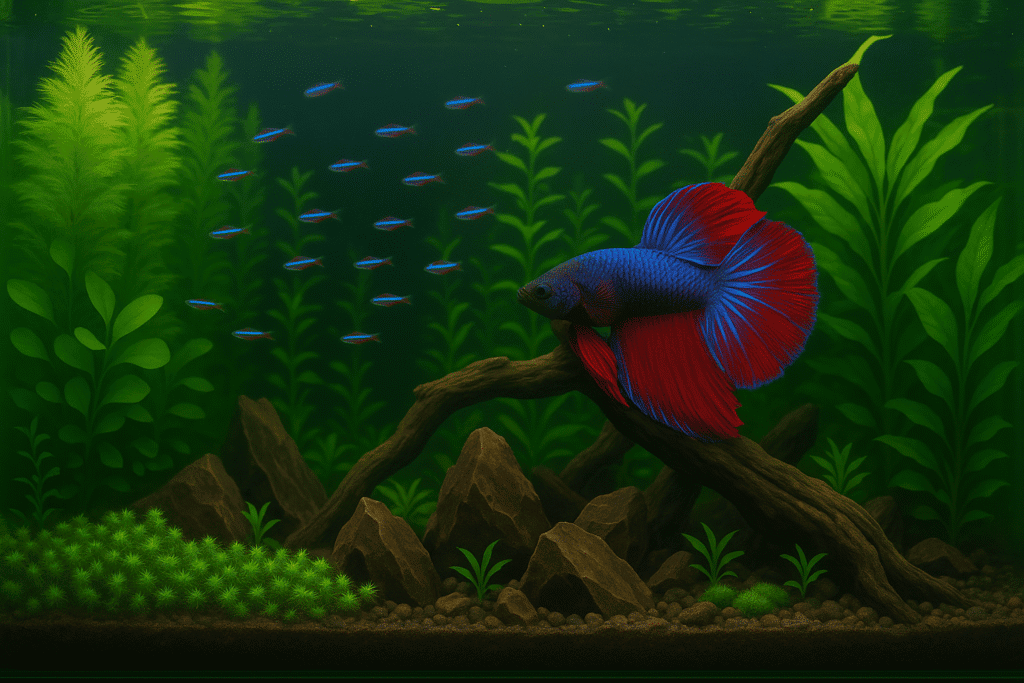
Creating an ideal habitat for Betta coccina goes beyond just choosing the right tank dimensions; selecting the right aquatic plants is equally important. The right plants not only enhance aesthetics but also promote water quality and provide essential hiding spots for these fish.
- Cryptocoryne species – They thrive in low light and offer excellent cover.
- Java Fern – This hardy plant can attach to driftwood, creating natural structures.
- Anubias nana – Known for its resilience, it adds greenery without compromising space.
- Water Sprite – A floating plant that mimics natural shade, crucial for Betta coccina.
Incorporating these aquatic plants helps replicate their native blackwater habitats, ensuring a comfortable environment for your Betta coccina.
Water Condition Requirements
Maintaining the right water conditions is critical for the well-being of Betta coccina. These fish thrive in soft, acidic water with a pH range of 4.0 to 6.0, mimicking their natural blackwater habitat. I recommend keeping the water temperature between 24-28°C (75.2-82.4°F) to promote their comfort and growth.
Additionally, maintain water hardness at a dH range of 0.0 to 4.0, reflecting the low carbonate hardness typical of their environment. To achieve these conditions, consider using reverse osmosis or distilled water combined with peat filtration.
Regular monitoring of these water condition requirements is essential, as stability in these parameters enhances the health and robustness of your Betta coccina, avoiding the detrimental effects of alkaline water.
Compatible Tankmates
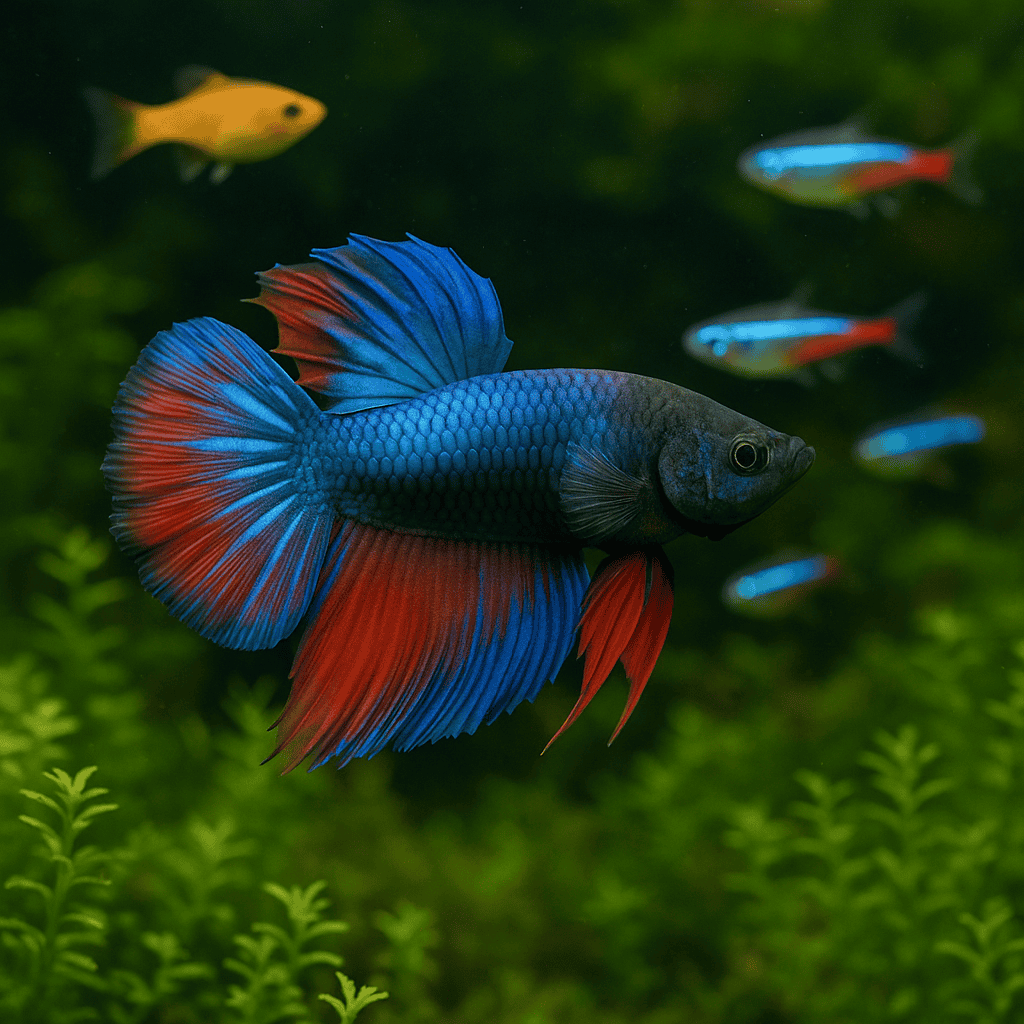
What makes for the ideal companions for Betta coccina in a community tank? Choosing compatible tankmates is essential for their well-being. I’ve found that peaceful species thrive alongside them without causing stress or aggression. Here are four excellent options:
- Small tetras – Their schooling behavior helps create a lively environment.
- Rasboras – These fish are gentle and enjoy similar water conditions.
- Corydoras – Bottom dwellers that keep the tank clean and don’t disturb the bettas.
- Guppies – Colorful and lively, they add vibrancy without aggression.
Ensure the best tank size is at least 20 gallons, providing enough space and hiding spots. This setup fosters harmony and minimizes territorial disputes, creating a serene aquatic community.
Conclusion
To sum up, keeping Betta coccina requires a keen understanding of their natural habitat and specific needs. By replicating their wild environment through proper tank setup, attentive care, and a balanced diet, we can promote their health and well-being.
Breeding them successfully involves patience and knowledge of their reproductive behaviors, while ensuring compatible tankmates can enhance their quality of life. Ultimately, with diligent effort, I believe we can nurture these stunning fish into thriving specimens in our aquariums.