Dumbo Betta fish, easily recognized by their large pectoral fins resembling elephant ears, are a marvel of selective breeding. Originating in Thailand, they’re celebrated for their vibrant colors and varied fin types, making them popular tropical fish.
Typically growing up to 8.9 cm, their care requirements include a spacious tank, ideal water conditions, and a protein-rich diet. While males are often aggressive, females tend to be more peaceful. If you’re curious about their care or breeding challenges, there’s more essential information ahead.
Overview of Dumbo Betta Fish
When first encountering the Dumbo Betta Fish, one is immediately struck by its distinctive appearance and vibrant colors. Known as the Elephant Ear Betta, this variation of Betta splendens features impressively large pectoral fins that resemble Dumbo’s ears. Gaining popularity in the early 2000s due to selective breeding, these fish typically reach a mature size of around 6.5 cm but can grow to 8.9 cm with proper care.
Their vivid color palette includes bright pink, blue, light green, and light brown, all contributing to their charm. While males exhibit aggressive behavior towards each other, females are generally more peaceful. Understanding these traits is essential for anyone looking to provide the best care for their Dumbo Betta Fish.
Unique Characteristics of Elephant Ear Pectorals
When observing Dumbo Betta fish, the size and color of their pectoral fins immediately capture attention. These fins not only amplify their visual allure but also exhibit fascinating variations that reflect selective breeding trends. The interplay of fin size and color considerably impacts their overall aesthetic, making each fish a unique specimen.
Pectoral Fin Size
The pectoral fins of Dumbo Betta fish, often likened to the iconic ears of Dumbo the elephant, are a striking feature that sets this variety apart from others. These fins can grow remarkably larger than those of typical Betta varieties, with some reaching impressive sizes of up to 33.2 cm during competitions. This remarkable fin size enhances the unique appearance of Elephant Ear Bettas, creating an enchanting fluttering effect that mesmerizes anyone observing them in an aquarium.
Selective breeding has played an essential role in developing distinct types, such as short-tailed and long-tailed varieties, each showcasing different pectoral fin shapes and sizes. Consequently, this genetic enhancement results in vibrant colors and extraordinary visual appeal, making them truly special.
Color Variation Impact
Although Dumbo Betta fish are already enchanting due to their large pectoral fins, their color variations greatly amplify their unique characteristics. The stunning array of vibrant hues—from bright pink to blue—makes these fish a mesmerizing addition to any aquarium. Selective breeding has enhanced these color patterns, particularly in the sought-after Halfmoon Elephant Ear Betta, whose pectoral fins can spread outward 180 degrees. This diversity not only enriches their appearance but also captivates aquarists.
| Color Variation | Pectoral Fin Shape | Popularity Level |
|---|---|---|
| Bright Pink | Halfmoon | High |
| Deep Blue | Spade | Moderate |
| Light Green | Round | High |
| Light Brown | Delta | Low |
| Multi-colored | Veil | Very High |
Color Variations in Dumbo Bettas
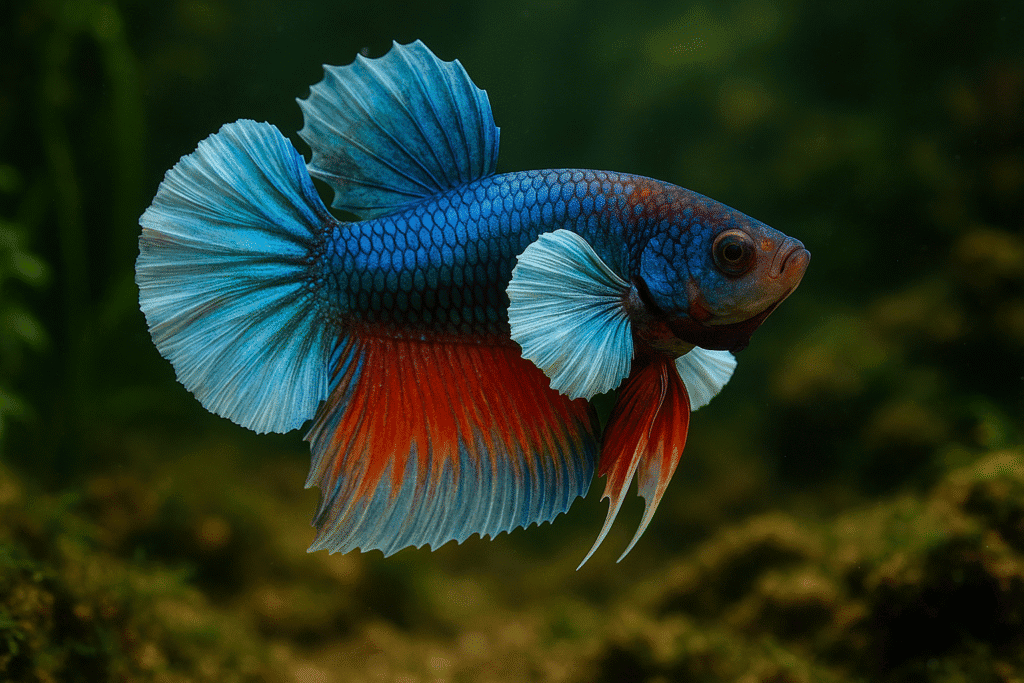
Exploring the enchanting world of Dumbo Bettas reveals their color variations to be one of the most striking aspects among fish varieties. Available in vibrant colors like bright pink, blue, light green, and light brown, they truly enhance any aquarium’s aesthetic appeal. Selective breeding has played a significant role in creating these intense color variations, surpassing early elephant ear bettas.
Each fish often showcases unique patterns, with some exhibiting mesmerizing iridescent shades that captivate enthusiasts. Common varieties, including Halfmoon, Crowntail, and Rosetail Dumbo Bettas, further enrich the diversity in the fishkeeping community. Their vibrant colors and distinct patterns make Dumbo Bettas a favored choice among aquarists who seek beauty and uniqueness in their aquatic displays.
The Origin of Dumbo Betta Fish
Emerging from a blend of innovation and tradition, the Dumbo Betta fish, or Elephant Ear Betta, has a fascinating history rooted in selective breeding practices that began in Thailand. Remarkably, the journey started at Jea Ree Farm in 1999, where breeders sought to enhance the size and shape of the pectoral fins. Initially, these Bettas displayed less vibrant colors, but through careful breeding with more colorful species, modern varieties now boast stunning hues.
The impressive development of their pectoral fins, reaching 33.2 cm at the Pramong normklao competition, showcases the dedication of breeders. Ultimately, the selective breeding efforts have forged the distinctive “elephant ear” appearance that defines the Dumbo Betta fish today.
Size and Growth of Dumbo Betta
When examining the size and growth of Dumbo Betta fish, several factors come into play, including genetics and care conditions. Observations show that while these fish typically mature around 6.5 cm, they can reach up to 8.9 cm under ideal circumstances. Understanding these growth dynamics can help guarantee we provide the best environment for them to thrive.
Growth Rate Factors
Understanding the growth rate of Dumbo Betta fish involves recognizing several important factors that impact their size and development. The tank size plays a significant role; more space allows for better growth. Furthermore, maintaining high water quality through regular water changes is essential, as it supports their overall health. A varied diet rich in nutrients can greatly enhance their growth rate.
It’s crucial to acknowledge that larger fin sizes can create an illusion of increased body size, making proper care vital. Additionally, the genetic background of your Dumbo Betta, especially from established bloodlines, can influence growth rates and fin characteristics. By focusing on these factors, we can guarantee that our Bettas will thrive and reach their potential.
Maximum Size Achieved
Dumbo Betta fish are fascinating not only for their vibrant colors but also for their impressive growth potential. Typically, they mature around 6.5 cm (2.5 inches), but some can reach a maximum size achieved of 8.9 cm (3.5 inches). The largest recorded pectoral fins measured an astounding 33.2 cm, showcasing the results of selective breeding.
To support this growth, providing adequate tank space of at least 20 gallons is essential, as larger fins can create an illusion of size. Additionally, maintaining ideal water quality and a proper diet can considerably enhance their growth potential.
| Size Measurement | Description | Importance |
|---|---|---|
| 6.5 cm | Typical maturity size | Standard growth benchmark |
| 8.9 cm | Maximum size achieved | Indicates exceptional growth |
| 33.2 cm | Largest pectoral fins | Highlights selective breeding success |
Tank Requirements for Elephant Ear Bettas
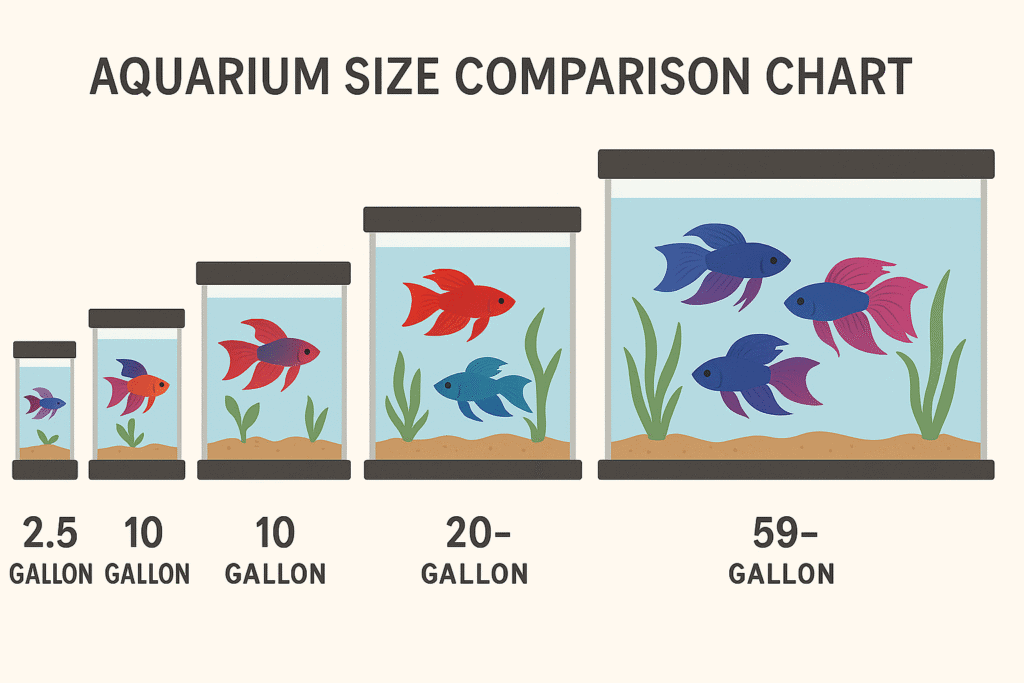
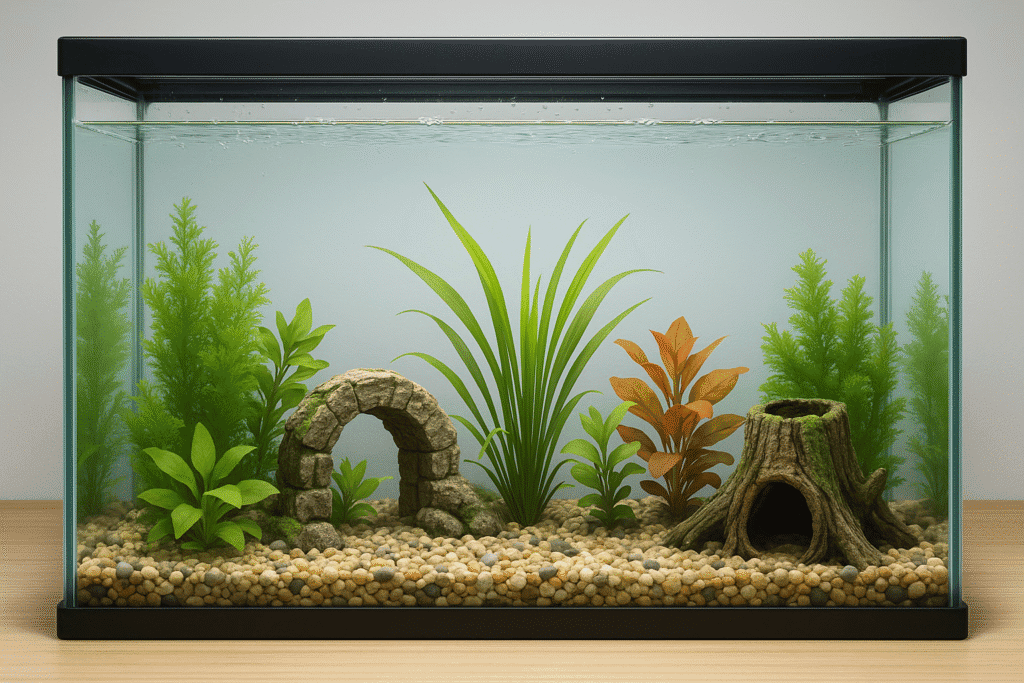
To guarantee your Elephant Ear Betta thrives, it’s essential to meet their specific tank requirements. A minimum tank size of 20 gallons is necessary, allowing ample space for movement and minimizing stress. Maintaining a water temperature between 75-82°F (24-28°C) is critical, so investing in a reliable heater is non-negotiable. Regularly monitor the pH level, aiming for a range of 6.5 to 7.5, to promote optimal health. While adequate filtration is important, avoid strong currents that could stress your Betta and harm their delicate pectoral fins. Finally, enrich the tank with plants and decorations that lack sharp edges, protecting those impressive fins and creating a comfortable environment for your beautiful fish.
Feeding and Diet Considerations
When it comes to feeding Dumbo Betta fish, focusing on providing a balanced diet that meets their specific nutritional needs is essential. A schedule of two feedings per day, along with a fasting day each week, helps maintain their health and prevents overfeeding. By observing their consumption and adjusting portion sizes accordingly, optimal nutrition is ensured without compromising water quality.
Nutritional Needs Overview
Understanding the nutritional needs of Dumbo Betta fish is vital for their health and well-being. These fish thrive on a high-protein diet, which should primarily consist of quality Betta pellets. Supplementing their diet with frozen foods like bloodworms and live options such as Daphnia and Brine Shrimp ensures optimal growth. It’s important to monitor their feeding habits, as Dumbo Bettas may struggle against faster tank mates, risking inadequate nutrition.
Malnutrition can lead to serious health issues, including a weakened immune system and poor coloration. When offering frozen foods, breaking them down in tank water first prevents digestive complications. An appropriate feeding routine guarantees they remain vibrant and healthy.
Feeding Schedule Recommendations

While establishing a feeding schedule for your Dumbo Betta fish, it is vital to balance their dietary needs with their natural feeding behaviors. I recommend feeding them high-quality Betta pellets twice a day, supplemented with live foods like Daphnia and Brine Shrimp, for a balanced diet. Incorporating a fasting day once a week is important to aid digestion and prevent overfeeding.
When serving frozen foods, always break them down using tank water to guarantee easy consumption. Regularly monitor the feeding process, as Dumbo Bettas may struggle against faster fish for food. A consistent feeding schedule not only promotes ideal growth but also enhances their vibrant coloration and overall well-being, making certain your Betta thrives in a healthy environment.
Behavioral Traits and Temperament
Dumbo Betta fish exhibit a range of behavioral traits that can greatly impact their care and compatibility in a tank setting. Male Dumbo Bettas typically display an aggressive temperament, often engaging in territorial behavior, particularly towards other males. On the other hand, female Bettas tend to be more peaceful, allowing them to coexist with other females, provided the group isn’t overcrowded.
Individual differences mean that monitoring their health and interactions is vital to prevent stress-related issues. To guarantee a harmonious environment, I recommend housing Dumbo Bettas alone or with peaceful tank mates like snails or non-aggressive fish such as Neon Tetras. Observing these behaviors closely helps minimize territorial disputes and enhances their overall well-being.
Breeding Challenges for Dumbo Bettas
Breeding the Dumbo Betta presents a unique set of challenges that can complicate the otherwise straightforward process of Betta reproduction. The recessive nature of the elephant ear trait means that even with both parents showcasing this characteristic, only a small percentage of fry may inherit those large pectoral fins. This makes genetic selection essential, requiring meticulous selection of breeding pairs.
Additionally, successful breeding hinges on maintaining ideal water parameters—specifically a temperature between 76-82°F and ensuring consistent water quality to safeguard both the breeding pair and the fry’s health. Patience is critical; multiple attempts may be necessary to achieve the desired traits, making this journey both rewarding and challenging.
Common Health Issues and Treatments
Maintaining the health of your Betta fish is essential, especially when it comes to the unique Dumbo Betta variety, which can be susceptible to several common health issues. Fin rot manifests as frayed or discolored fins; improving water quality and using anti-fungal treatments can remedy this. Ich, identifiable by white spots on your fish’s body, requires elevated water temperatures and specific medicated solutions.
Velvet disease appears as gold or rust-colored dust, necessitating copper-based medications and enhanced tank conditions for recovery. To prevent these health issues, I recommend regular water changes, monitoring ammonia and nitrite levels, and ensuring a stable temperature. By being proactive, you can help your Dumbo Betta thrive in its environment.
Conclusion
To sum up, the Dumbo Betta fish captivates with its distinctive elephant ear pectorals and vibrant colors. Understanding their unique characteristics, origins, and care requirements is essential for any enthusiast. By being mindful of their dietary needs and behavioral traits, you can create a thriving environment for these stunning fish.
While breeding and health challenges exist, with proper knowledge and attention, you can enjoy the beauty of Dumbo Bettas in your aquarium for years to come.