I find the Crescent Wild Betta a captivating species of Betta fish known for its remarkable crescent-shaped tail fin that enhances precision and agility in dense vegetative habitats. Males display striking blue-green hues with red accents, while females present muted brown tones for effective camouflage. This species thrives in warm, slightly acidic waters and relies on its distinctive morphology for survival and courtship behaviors.
Morphology of the Crescent Wild Betta

I appreciate the intricately adapted morphology of the Crescent Wild Betta, or Betta imbellis, featuring a rectangular body shape for agile movements through dense vegetation. Its crescent-shaped caudal fin facilitates precise maneuvers while evading predators. The body coloration—vibrant in males and subdued in females—provides essential camouflage among surrounding flora. At an average size of 5 cm, the Crescent Wild Betta exemplifies the balance of beauty and functionality in aquatic life.
Identifying Features of the Crescent Betta
When examining the Crescent Betta, or Betta imbellis, I notice its resemblance to Betta splendens relatives and its distinctive crescent-shaped tail fin, which enhances its fluid swimming style. Additionally, I observe the species’ compact size, typically ranging from 5 to 7.5 cm, defining elegant body proportions unique among its kin. The vivid coloration of males sharply contrasts with the more muted tones of females, making these features easily identifiable.
Distinctive Tail Shape
Crescent-shaped tail fins define the elegance of the Crescent Betta or Betta imbellis. I appreciate how this unique tail pattern not only captivates the eye but also enhances swimming agility in low-flow environments.
- Aesthetics: The crescent tail’s design is visually striking alongside the metallic blue-green body.
- Vibrancy: Males exhibit vibrant coloration, making them stand out in community tanks.
- Functionality: The caudal fin and dorsal fin aid in precise navigation among plants.
- Breeding Appeal: This distinct tail shape is a sought-after trait among breeders.
Color Variations and Patterns
I find the color variations particularly engaging: males showcase vibrant blue-green bodies adorned with red accents during courtship displays, while females exhibit subdued brown hues with faded red and blue tints that reflect understated beauty. These patterns may shift slightly with age and environmental factors, adding dynamic appeal for aquarists.
Size and Body Proportions
I note that the Crescent Betta typically measures 5 to 7.5 cm in length, with a rectangular body shape contributing to its robust profile in natural habitats. Males flaunt vibrant blue-green coloration, while females display more muted brownish hues. Their hallmark crescent tail shape enhances charm and underscores their agility as swimmers.
Behavior and Life Cycle of the Crescent Betta
In examining the behavior and life cycle of the Crescent Betta, I find their social structure—small groups with territoriality—particularly fascinating. Males display aggression during courtship with complex displays and movements to attract females, offering insight into their reproductive strategies.
Social Structure and Groups
While observing Crescent Bettas in groups, I find their behavior intriguing, particularly how dominant males assert status through vibrant display behaviors. Territories are established by these males, creating a structured hierarchy where bubble-nest building plays a central role in breeding. Males commit to protecting offspring by mouthbrooding eggs for 1.5 to 3 weeks, demonstrating notable paternal care.
Territorial Behavior Patterns
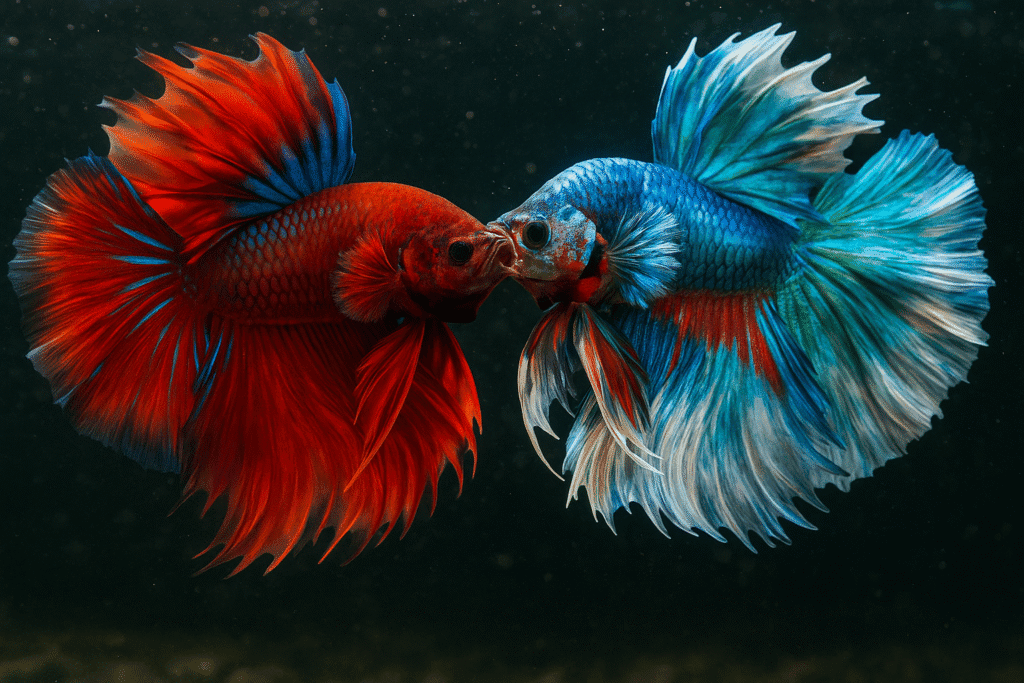
I observed that males aggressively defend their habitat from rivals, often engaging in elaborate courtship displays to assert dominance. During spawning, bubble nests are constructed, and aggression intensifies to safeguard territory against intruding males. After spawning, males guard fertilized eggs and fry, remaining vigilant against threats.
Life Cycle Stages
I observe that the life cycle unfolds through distinct stages crucial for survival and reproduction. Males build bubble nests and display breeding stripes to attract females. After spawning, eggs hatch within 24 to 48 hours, and the fry remains in the nest for several days under male protection before venturing independently.
Breeding Practices for Crescent Bettas
Understanding the breeding practices of Crescent Bettas is essential for successful propagation. Males construct bubble nests using surface tension, cradling fertilized eggs until hatching. During courtship, vibrant colors entice females, which exhibit vertical stripes and a rounded belly when ready to spawn. A proper breeding setup includes dense and floating plants to offer nesting sites and cover for fry. After the fry swims freely, I recommend removing the male to prevent predation on the young.
Habitat and Environmental Needs
I ensure that several factors are met when replicating the natural habitat of the Crescent Wild Betta:
- Warm Temperatures: Maintain water between 24 °C and 28 °C.
- Acidic Water: Keep pH between 6 and 7.
- Dense Planting: Provide abundant vegetation for hiding and breeding sites.
- Gentle Water Flow: Ensure minimal current for comfort and health.
Conservation Status and Efforts
I recognize threats like habitat loss from deforestation and water pollution that impact the Crescent Wild Betta’s native habitats. Conservation efforts focus on preserving vegetation-rich swamps in Southeast Asia and raising awareness through captive breeding programs. Local initiatives promote responsible aquarium keeping to reduce wild capture impact.
Tips for Fishkeeping the Crescent Betta
To successfully keep Crescent Bettas, create an environment mimicking their natural habitat:
- Water Quality: Monitor temperature and pH regularly.
- Hiding Spots: Use natural decorations to reduce stress.
- Water Changes: Perform monthly changes of 20–30 % to maintain quality.
- Varied Diet: Offer live and frozen foods like bloodworms and brine shrimp for optimal health.
Dietary Preferences and Feeding Tips
I recommend incorporating a varied diet of live or frozen foods, particularly bloodworms and brine shrimp, to mimic their natural intake. Avoid freeze-dried options, as some Crescent Bettas may refuse them, risking nutritional deficiencies. Instead, small portions should be fed daily to prevent overfeeding and maintain water quality. Mixing different protein sources promotes activity and vibrancy in your fish.
Cohabitation With Other Species
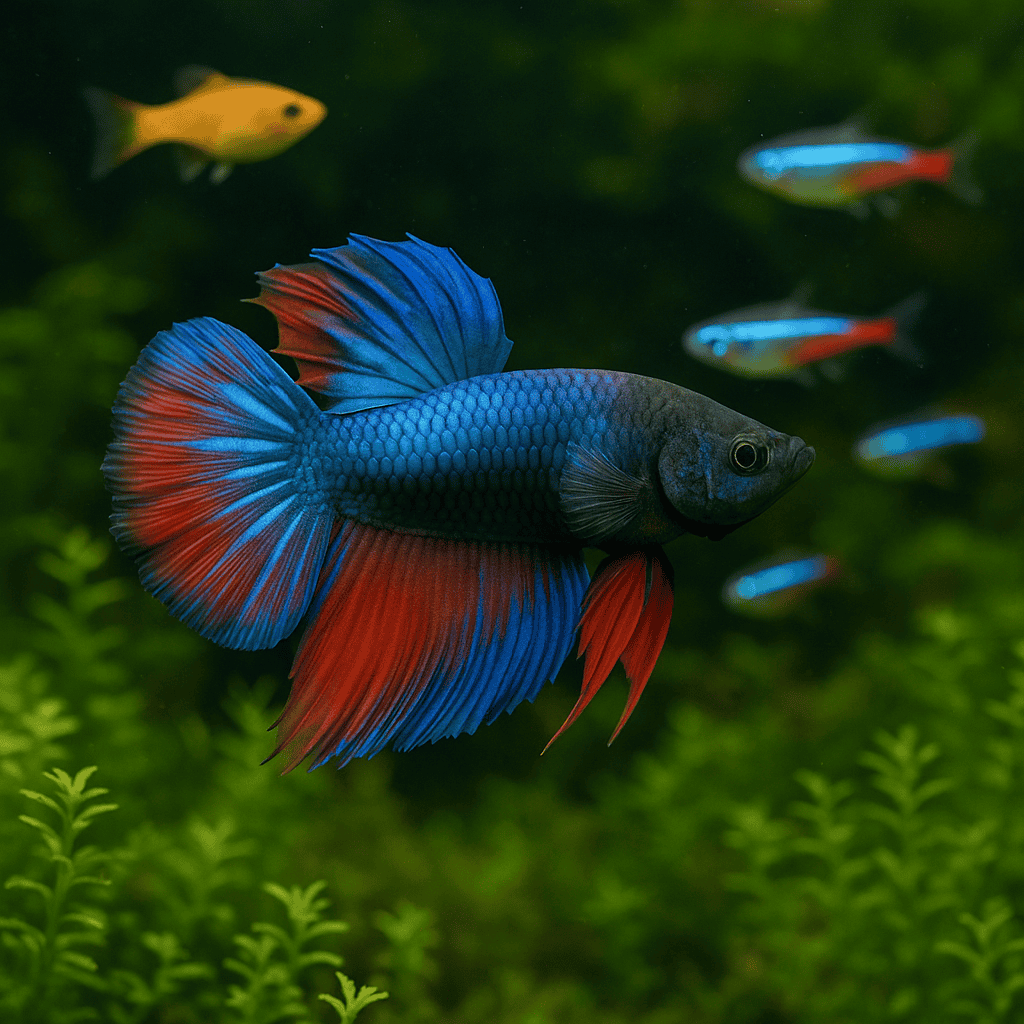
When selecting tank mates for Betta imbellis, or the Crescent Betta, I focus on compatibility with non-aggressive species that thrive in similar water conditions. It’s essential to provide ample hiding spots and stable water parameters to foster harmony.
Compatibility With Tank Mates
I evaluate peaceful species such as neon tetras, rasboras, and Corydoras catfish for coexistence, avoiding fin-nippers and other bettas to reduce stress and aggression.
Space and Territory Needs
I find that a minimum tank size of 10 gallons with well-planted environments and floating plants offers sufficient territory and cover, reducing disputes among males.
Peaceful Species Options
Ideal tank mates for Crescent Bettas include:
- Neon Tetras
- Guppies
- Rasboras
- Corydoras Catfish
Unique Adaptations of the Crescent Wild Betta

I find several unique adaptations noteworthy:
| Adaptation | Description |
|---|---|
| Labyrinth Organ | Enables efficient atmospheric air respiration |
| Tail Fin | Facilitates agile movement and swimming |
| Dorsal Fin | Provides stability during slow maneuvers |
| Peaceful Nature | Promotes social living in small groups |
| Water Conditions | Thrives in slightly acidic pH of 6–7 |
Related Species Similar patterns seen in Betta Smaragdina
Conclusion
I conclude that the Crescent Wild Betta captivates with its distinctive tail patterns and intricate behaviors. Understanding its morphology, habitat needs, and breeding practices is essential for successful fishkeeping and conservation.
By recognizing its unique adaptations and cohabitation requirements, you can create an environment that supports both health and natural behaviors in this exquisite species.