The Rosetail Betta Fish is undeniably beautiful with its ruffled fins resembling roses, but this aesthetic comes with drawbacks. Their extreme fin structure hampers swimming ability and makes them more prone to health problems like fin rot and immune issues.
In contrast, other Betta varieties, such as veil tails and Plakat Bettas, possess better health and agility. Understanding these trade-offs is essential for anyone considering a Rosetail.
Overview of Rosetail Betta Fish
When you explore the world of aquarium fish, you’ll quickly notice the striking appeal of the Rosetail Betta, a vibrant color variant of Betta splendens developed in 1989. This fascinating breed is an extreme variant of the Half-moon bettas, featuring a full 180° spread of its caudal tails. The unique fin types create a ruffled appearance that captivates many aquarists1.
However, these dramatic tails can hinder swimming ability, leading to potential health issues. A healthy Betta requires a minimum tank size of 5 gallons with stable water parameters and gentle filtration to mitigate stress.
Unique Characteristics of Rosetail Bettas
The Rosetail Betta’s unique characteristics make it one of the most visually stunning fish in the aquarium hobby, showcasing Dragon scales in some specimens. Developed in 1989 and named in 1991, this extreme variant of the Half-moon bettas features a wide 180° caudal fin spread and intricate fin branching, which gives it a ruffled appearance reminiscent of a rose.
The tail design results in more spaced fin rays, creating a breathtaking look but also leading to swimming difficulties. These Bettas require specific care, including a minimum tank size of 5 gallons and stable water temperatures between 78–80°F. Gentle filtration is vital to accommodate their limited mobility.
Health Concerns Associated With Rosetail Bettas
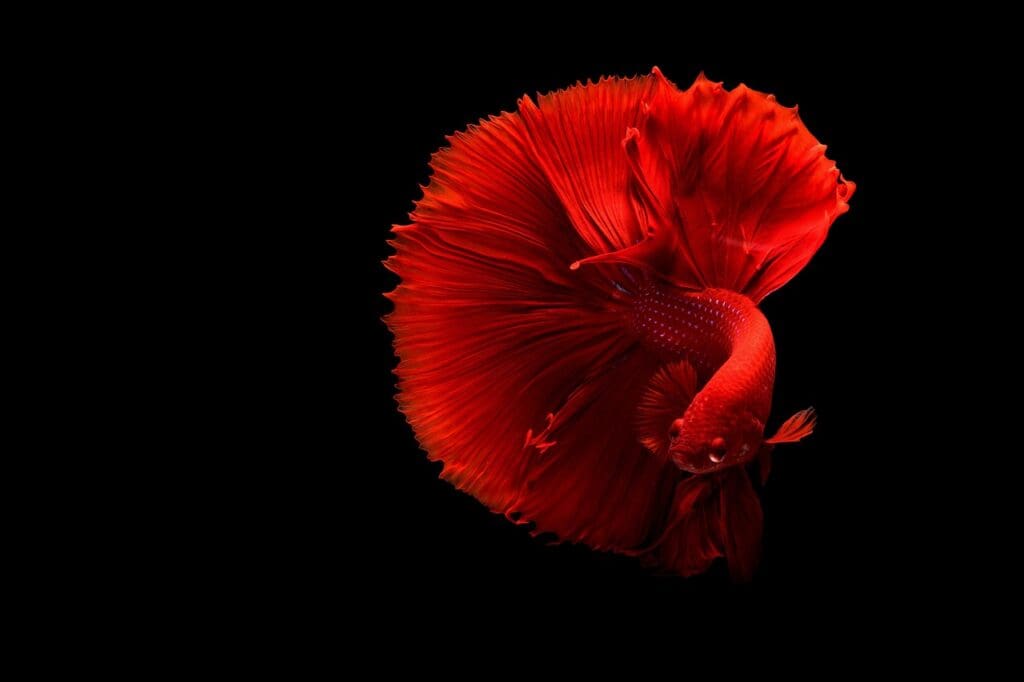
Rosetail Bettas face several health issues primarily due to their unique fin structure and breeding practices, much like wild bettas in challenging environments. These fish are prone to fin collapse and fin rot because their large, heavily branched tails hinder their swimming ability. Additionally, the extreme fin structure often results in immune system problems, leaving Rosetail Bettas more susceptible to stress-related conditions.
The breeding selection process can lead to genetic complications, increasing the incidence of tumors and other health issues compared to other Betta varieties. To guarantee their well-being, a carefully maintained environment is essential.
Predisposed Health Issues
- Fin Rot: Their large fins are prone to damage, leading to infections.
- Immune System Weakness: Selective breeding may compromise their overall health and resilience.
- Inbreeding Risks: Increased chances of tumors and buoyancy issues due to aesthetic-focused breeding.
Impact of Inbreeding
While many enthusiasts admire the striking appearance of Rosetail Bettas, the reality of their inbreeding practices poses significant health risks. Inbreeding often leads to health issues, impacting their immune systems and causing fin-related disorders.
The extreme fin structure, while beautiful, compromises their swimming ability, making them prone to stress and injury.
| Health Concerns | Effects |
|---|---|
| Immune System Problems | Increased susceptibility to disease |
| Fin-Related Disorders | Compromised mobility |
| Shorter Lifespan | Genetic predispositions |
| Aggressive Behaviors | Tail weight issues |
Comparison With Other Betta Varieties
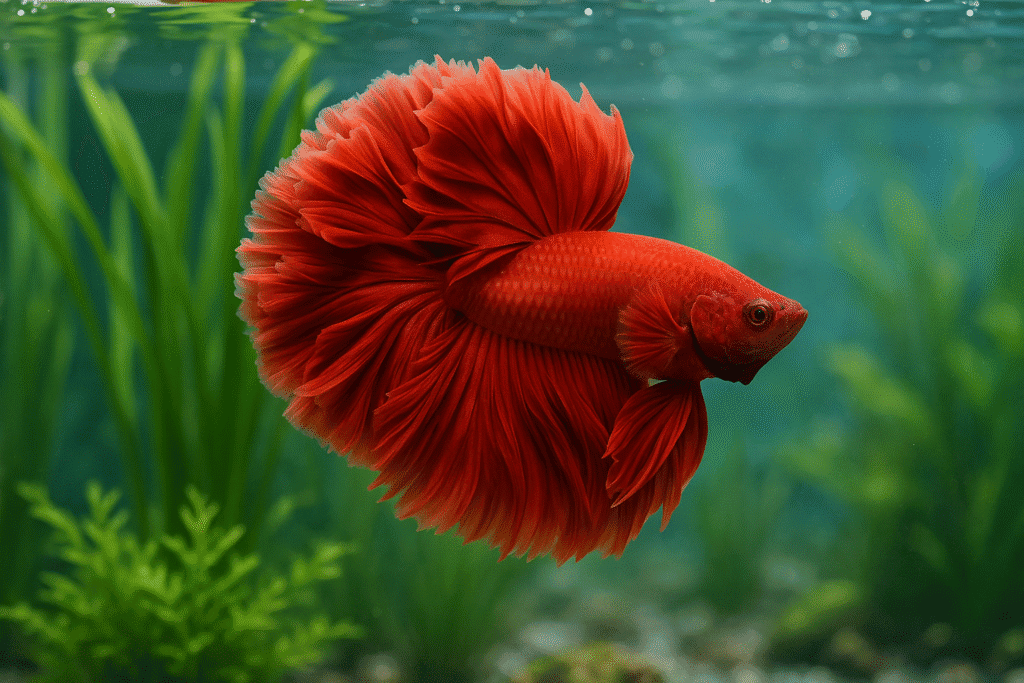
When I compare the Rosetail Betta to other varieties, the differences in health issues and swimming ability become clear. While the Rosetail’s elaborate fins are stunning, they often lead to complications that less ornate types, like Plakat Bettas and Koi Bettas, avoid. Additionally, aggression levels can vary among these Bettas, which also impacts their suitability for community tanks.
Health Issues Overview
Although many Betta varieties exhibit health issues, the Rosetail Betta stands out due to its distinctive fin structure and the consequences of selective breeding. In contrast, varieties like Crowntail Bettas and standard bettas enjoy more robust health due to shorter fins and a classic betta silhouette.
Swimming Ability Comparison
The unique fin structure of Rosetail Bettas greatly impacts their swimming ability, making them less agile than other Betta varieties. Their heavy fins can lead to fatigue and difficulties in navigation, especially when compared to streamlined varieties like Half-moon bettas and Feathertail Bettas. Here’s a quick comparison:
| Betta Variety | Fin Structure | Swimming Ability | Susceptibility to Health Issues |
|---|---|---|---|
| Rosetail Bettas | Extreme, delicate | Limited | High (fin rot, buoyancy issues) |
| Plakat Bettas | Short, streamlined | High | Moderate |
| Crowntail Bettas | Moderate | Good | Moderate |
| Half-moon Bettas | Balanced | Good | Moderate |
Aggression Levels Assessment
Rosetail Bettas showcase stunning fin structures, but their aggression levels often create challenges for aquarists. When contemplating keeping Bettas, particularly Veil tails and female Bettas, it’s essential to assess their behavior compared to other types of Bettas.
- Rosetail Bettas are generally more aggressive than Veiltails, primarily due to their fin weight causing frustration.
- Both male and female Bettas can exhibit fin-nipping, making them unsuitable for community tanks.
- Unlike calmer Plakats, Rosetails’ extreme fins can increase stress and territorial instincts.
Ideal Tank Conditions for Rosetail Bettas
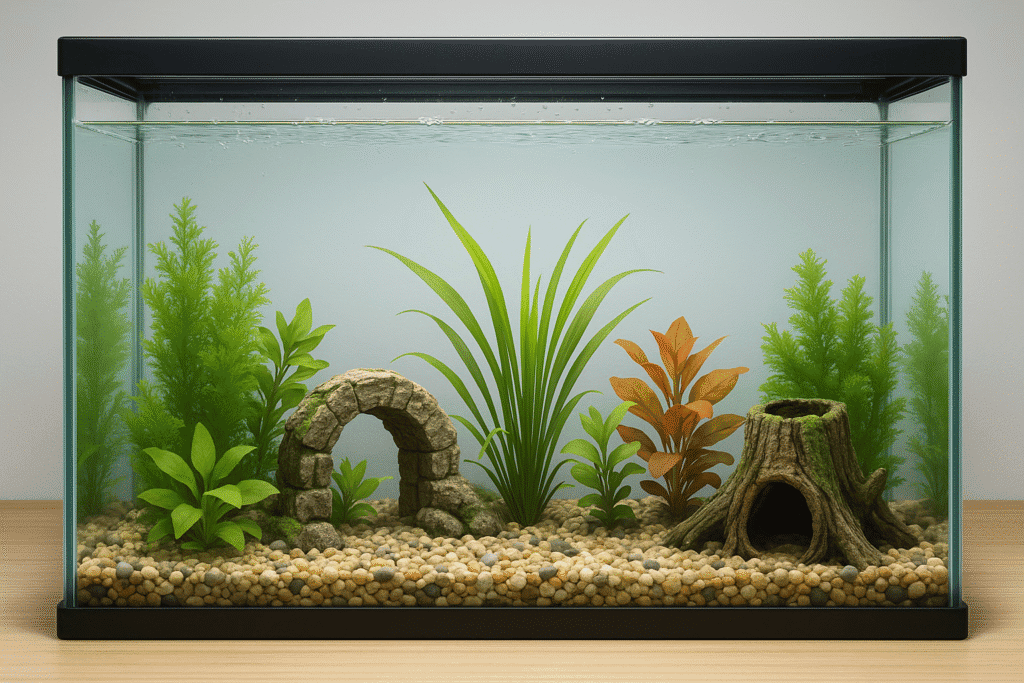
To guarantee a thriving environment for your Rosetail Betta, you need to take into account several essential tank conditions. First, a minimum tank size of 5 gallons is vital, allowing ample swimming space for your fish. Maintain the water temperature between 78–80°F to keep your Betta healthy and stress-free.
A pH level of 6.5–8.0 supports their overall well-being. Opt for a non-sharp substrate that facilitates live plants, as these not only enhance aesthetics but also improve water quality. Finally, use effective yet gentle filtration to maintain clean water without overwhelming your Betta’s limited swimming ability.
Feeding and Nutrition for Rosetail Bettas
Here’s what I’ve learned about their dietary needs, which reflect the range of colors and natural habitat adaptations:
- High-quality betta pellets: These should be rich in protein and a variety of colors to support healthy growth.
- Supplement with live or frozen foods: Treats like brine shrimp or bloodworms enhance nutrition and stimulate natural behaviors.
- Feeding frequency and portion control: Offer small portions 2–3 times daily to avoid overfeeding and maintain water quality.
Due to their fin rays, Rosetail Bettas may struggle at feeding time. Providing sinking pellets can help guarantee they get the nutrition they need without unnecessary stress.
Breeding Considerations for Rosetail Bettas
Breeding Rosetail Bettas requires careful consideration of their unique fin structure and overall health. I always avoid inbreeding, as it can intensify genetic problems and heighten the risk of immune deficiencies. Prioritizing moderate fin traits over extreme characteristics enhances their well-being, allowing them to thrive in home aquariums.
Additionally, Rosetail Bettas typically have lower spawn rates, which demands stricter attention to breeding conditions and parental health. Ethical breeding practices are essential to minimize health complications, ensuring these stunning fish can lead healthy lives and bring joy to their owners, whether dealing with standard bettas or Koi Bettas.
Common Behavioral Traits of Rosetail Bettas
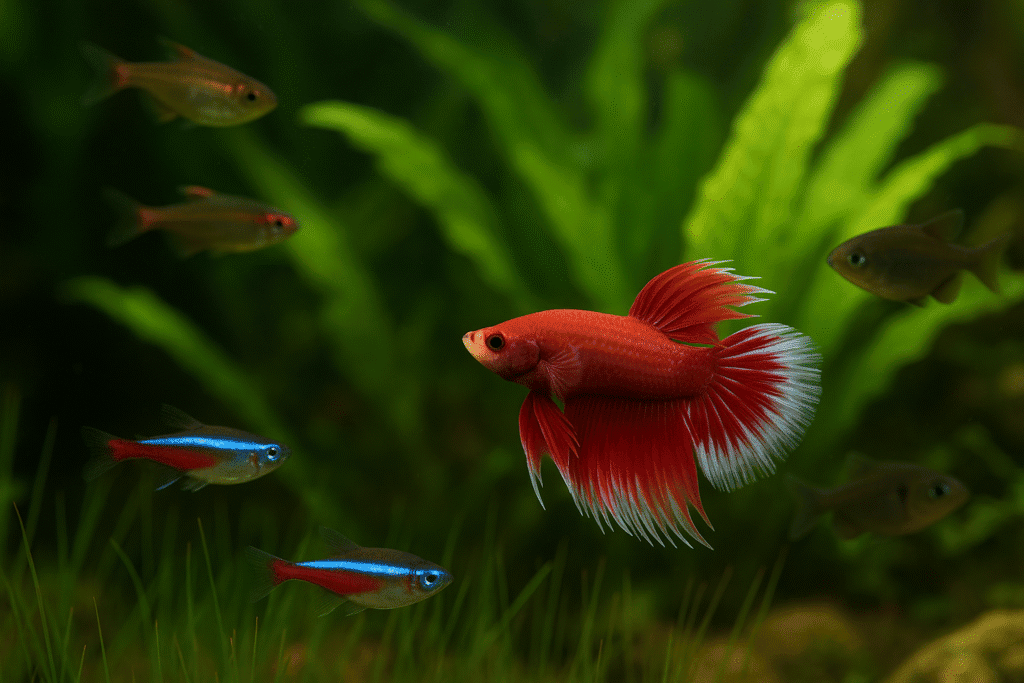
While observing Rosetail Bettas in a home aquarium, I’ve noticed that their behavioral traits can be quite distinct from those of other Betta varieties, including Feathertail Bettas.
- Aggressive Behavior: Rosetail Bettas often displays increased aggression, especially towards other males, marking their territory vigorously.
- Swimming Limitations: Their long fins can lead to frustration, contributing to aggressive tendencies, as they can’t swim freely like other Bettas.
- Fin-Nipping: This frustration may result in fin-nipping, either directed at themselves or tank mates, making careful selection of companions essential.
Ethical Considerations in Rosetail Betta Breeding
The stunning aesthetics of these fish come with significant implications for their health and well-being. The extreme fin characteristics, while visually appealing, often lead to swimming difficulties and various health issues, including immune system problems. Ethically bred Rosetail Bettas should prioritize health over appearance, encouraging breeders to select moderate fin characteristics that enhance functionality.
The lower spawn rates of these fish further complicate breeding practices, challenging breeders to maintain genetic diversity while addressing health concerns, especially when working with kinds of betta fish that share similar origins.
Conclusion
In summary, while Rosetail Bettas are undeniably stunning with their spectacular tails, their beauty often comes at the cost of swimming ability and health1. It’s vital to weigh these factors when considering them as pets. By providing ideal tank conditions and proper care, you can enjoy their vibrant presence while being mindful of their specific needs.
Ultimately, responsible breeding and care practices are essential to guarantee the well-being of these beautiful creatures.