Koi betta fish, tropical fish native to Southeast Asia, are fascinating for their striking marble patterns and unpredictable color changes influenced by the marble gene. These patterns display dynamic hues of black, white, and vibrant colors, but they can shift considerably as the fish matures
Breeding koi bettas requires a keen understanding of this genetic instability, as desired traits may not always be consistent. To grasp the complexities of their care and breeding potential, you’ll find it’s worth exploring further.
Understanding Koi Betta Fish and Their Unique Features
Koi Betta Fish enthrall aquarists with their striking color patterns that closely resemble those of traditional koi. As a unique betta type, these freshwater fish showcase vibrant colors and unique characteristics, making them a fascinating subject for enthusiasts.
The interplay of colors, including White color, black, and shimmering green, produces dynamic patterns that can shift unpredictably due to the marble gene. This genetic trait often results in offspring that display significant variability in color and pattern, complicating breeding efforts.
While the beauty of Koi bettas is undeniable, their breeding challenges stem from these unpredictable color shifts. Understanding these factors is essential for anyone looking to maintain or enhance the distinctive traits of this enthralling fish variety.
The Marble Pattern: Characteristics and Variability

The unique marble pattern in these bettas presents a fascinating study in color variability and genetics, showcasing distinct colorations across individuals. Unlike Solid color betta fish, Koi bettas are characterized by dynamic, irregular patches of color, including combinations of black, white, and vibrant hues, closely resembling classic koi fish patterns.
As they mature, their coloration undergoes significant changes, a result of the marble gene, leading to unpredictable aesthetic shifts. Breeding these bettas requires a deep understanding of their marble genetics, as they don’t breed true, complicating predictions of offspring patterns. This complexity adds to the allure of Koi bettas, combining beauty with the intricacies of genetic variability.
Color Changes in Koi Bettas Over Time
As koi bettas mature, including female koi bettas, they often undergo remarkable color transformations that reflect the complexities of their genetic makeup, and female bettas often exhibit subtler shifts. These color changes can manifest as vibrant hues and dynamic patterns, with red dots sometimes appearing on previously solid colors.
This phenomenon is largely influenced by the marble gene, which introduces genetic instability, complicating breeding efforts aimed at achieving stable traits. Unlike standard marble bettas, koi bettas tend to retain their patterns better, providing a more consistent appearance over time.
However, it is vital to note that while they start with brilliant colors, these may shift to less desirable shades, such as brown, as they age. Understanding these transformations is significant for breeders and enthusiasts alike.
Care Requirements for Koi Betta Fish
While ensuring a suitable habitat for koi betta fish may seem challenging, it’s vital for their overall health and vigor. A well-thought-out tank setup is essential, starting with a minimum size of 5 gallons. Maintaining water temperature between 76°F and 82°F promotes their well-being.
Additionally, water quality is paramount; I recommend a pH level between 6.5 and 7.5 to keep koi bettas vibrant. For diet, supplement betta pellets with brine shrimp to offer premium food for betta fish and maintain a consistent light schedule to support natural rhythms.
| Care Requirement | Recommendation/Details |
|---|---|
| Tank Size | Minimum 5 gallons |
| Water Temperature | 76°F to 82°F |
| Diet | High-protein diet: betta pellets and occasional frozen foods |
Breeding Considerations for Koi Bettas
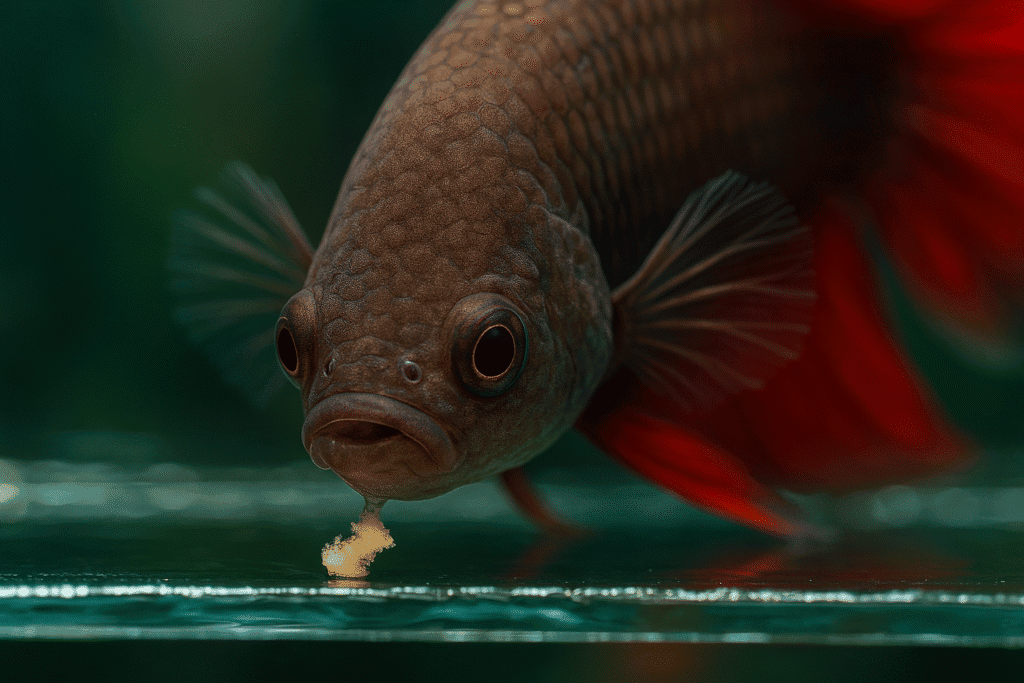
Breeding Koi bettas requires a solid understanding of their unique genetics, particularly the marble gene, which can lead to unpredictable color variations. As breeders, we must be aware that selective breeding practices can stabilize desirable patterns, and given the demand for Siamese fighting fish, presenting fish for sale with vibrant Koi traits is essential. It’s essential to monitor the health of parent fish; poor conditions can result in undesirable traits in the offspring.
By focusing on vibrant colors and distinct patterns, generations that meet market demands can be produced. The Koi betta’s beauty and rarity often command higher prices, making them a lucrative option for dedicated breeders. Ultimately, successful breeding hinges on balancing genetics, health, and aesthetic appeal for thriving offspring.
Conclusion
In summary, Koi Betta fish offers a fascinating blend of beauty and complexity with their marbled patterns and dynamic color changes. Understanding their unique characteristics is essential for providing ideal care and breeding practices.
By closely observing these fish, I’ve appreciated the intricacies of their genetics and behavior, which not only enhance their aesthetic appeal but also enrich the aquarium experience. If you’re considering keeping Koi Bettas, embracing their unique traits will lead to a rewarding endeavor.