The Halfmoon Betta fish, developed by Peter Goettner in 1982, is celebrated for its remarkable 180-degree tail spread (caudal spread). This iconic shape, resembling a fan, has captured the fascination of aquarists and breeders alike (pet stores). The breed’s distinctiveness stems from selective breeding, enhancing vibrant colors and fin structure, with common types emerging over time (common types).
To maintain their health, proper care, including tank size, diet, and water quality, is essential. Interested in uncovering the various types and show standards that define these champions?
History and Development of the Halfmoon Betta
The Halfmoon Betta, which I find fascinating, was developed in 1982 by American breeder Peter Goettner, marking a significant milestone in aquarium fish breeding (fellow breeder). This variety is distinguished by its unique tail shape, achieving a remarkable 180-degree spread when fully flared (sharp edges). Selective breeding practices were meticulously employed to enhance Halfmoon’s physical traits, resulting in its rising popularity among breeders and enthusiasts alike.
The initial champion, Mr. Great, showcased the potential of this breed. In the 1980s, French breeders imported American Halfmoon stock, amplifying interest in Europe. Today, the Halfmoon Betta stands out in the aquarium trade due to its vibrant colors and striking appearance, making it a favorite among champions and a symbol of excellence in aquarium fish breeding.
Characteristics of the Halfmoon Betta Fish
Halfmoon Bettas captivate enthusiasts with their striking physical attributes, particularly their impressive 180-degree tail spread, which resembles a fan when fully extended. These freshwater fish, scientifically known as Betta Splendens, showcase a dazzling array of vibrant colors (metallic color), including deep blues and fiery reds, and are closely related to Betta Imbellis. Healthy Halfmoon Betta Fish are characterized by their active behavior and fully spread fins; however, signs of stress, such as faded colors and clamped fins, indicate potential issues.
Male Halfmoon Bettas often exhibit aggressive behavior, especially towards one another, necessitating careful housing arrangements. To guarantee their well-being, it’s essential to maintain a minimum tank size of 5 gallons in well-maintained aquariums, with stable temperatures between 76°F to 81°F and a neutral pH range of 6.5 to 7.5.
Care and Maintenance Tips for Halfmoon Bettas
To guarantee a thriving environment for your Betta, it’s essential to prioritize proper care and maintenance practices. Halfmoon Betta Fish requires a minimum tank size of 10 gallons (community tank) to provide adequate space. Maintaining clean water is vital; perform weekly water changes of 10–20% to prevent toxin buildup. Regularly monitor water parameters, ensuring a pH range of 6.5–7.5 for ideal health.
Incorporate ample hiding spots and plants in the aquarium to mimic their natural habitat (Betta Habitat), thereby reducing stress from territorial disputes. Finally, offer a balanced diet consisting of high-quality Betta pellets (Betta Pellets), supplemented with live foods like brine shrimp, to enhance their health and vibrant colors. These practices will support the longevity and well-being of your Halfmoon Betta Fish.
Popular Varieties of Halfmoon Betta Fish
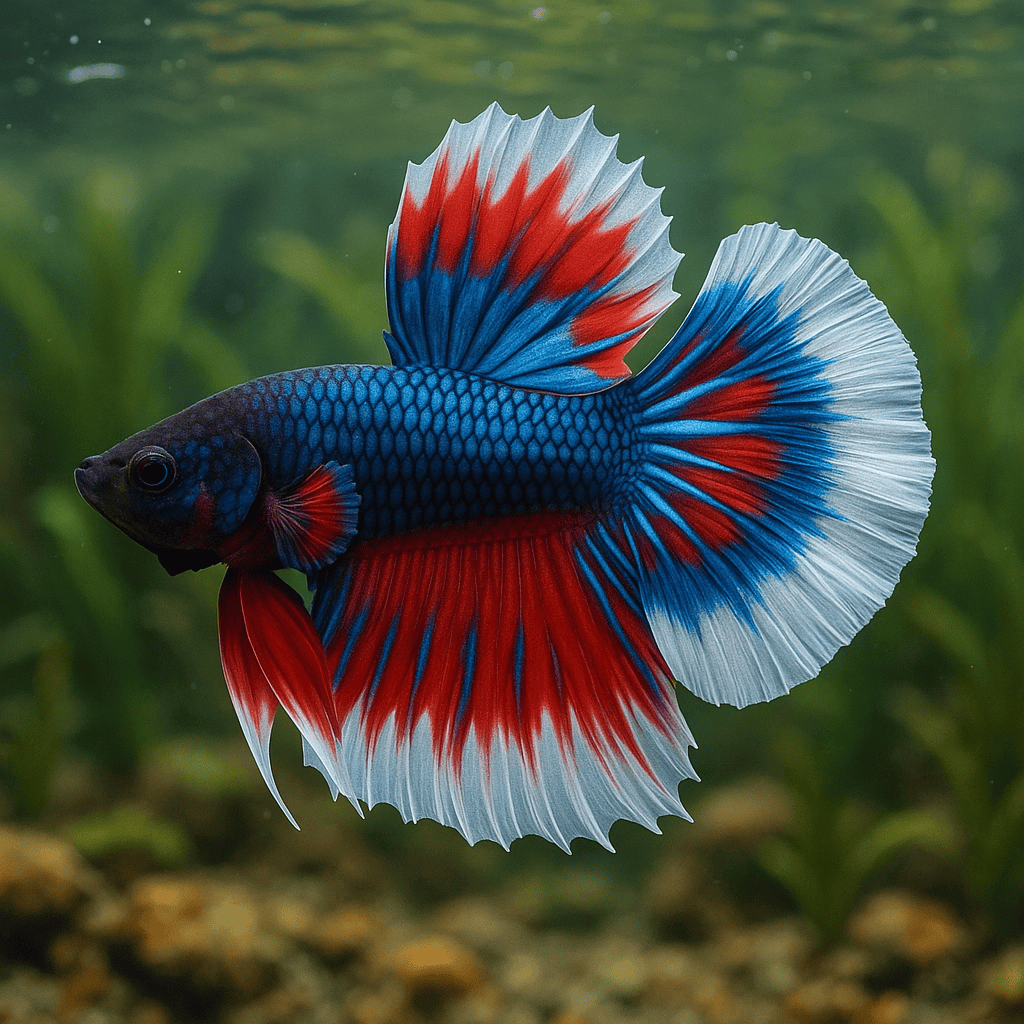
Bettas enchant aquarists with their stunning diversity, especially within the Halfmoon category (Betta Fish Halfmoon). Among the most sought-after varieties, I find that the unique characteristics of each type truly stand out (degree caudal):
- Halfmoon Male Betta Fish – Known for the iconic 180-degree tail spread, these fish are a favorite among collectors.
- Dumbo Halfmoon – This variant features oversized pectoral fins, enhancing its overall aesthetic appeal alongside its stunning colors, including deep blue and fiery red.
- Over-Halfmoon and Halfmoon Double Tail – Both exhibit mesmerizing tail types, with the Double Tail showcasing an additional lobe, adding complexity to its beauty.
I’m consistently amazed by their variety in colors and forms, as variants of Betta Splendens are renowned for their caudal spread, making them exceptional choices for fish care enthusiasts.
Show Standards and Competitions for Halfmoon Bettas
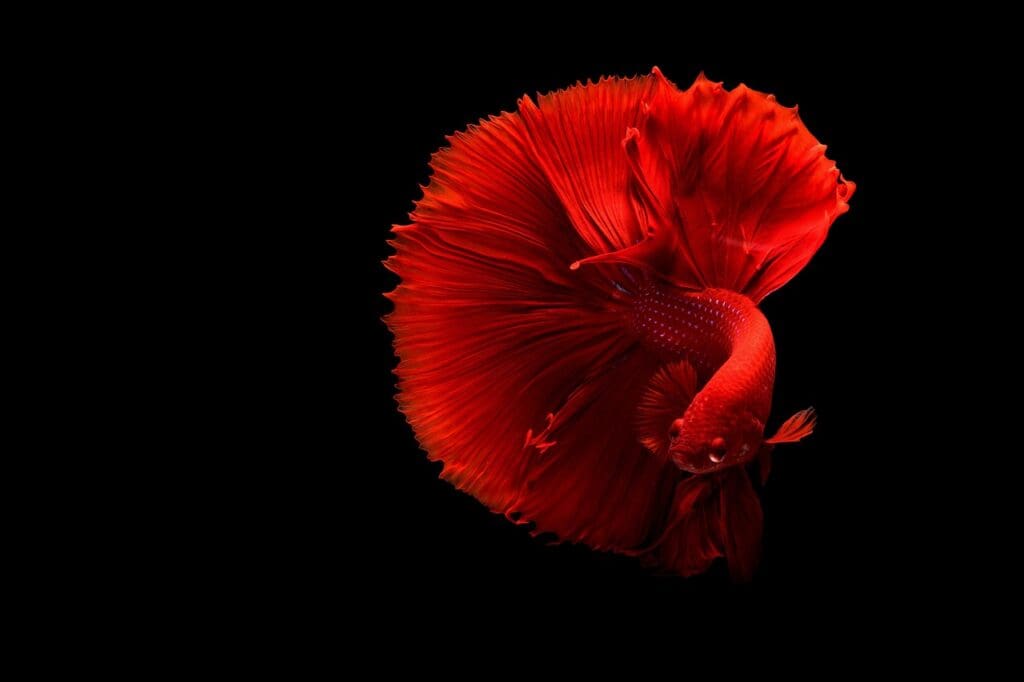
When participating in competitions, understanding the show standards for Halfmoon Bettas is vital for success. The ideal tail shape features a full 180-degree spread, resembling a “D” when flared (degree caudal). Judges closely assess symmetry and fin shape, favoring tails with minimal webbing between rays for a striking appearance. To meet aesthetic expectations, your Halfmoon Male Bettas must be in prime health, showcasing vibrant colors and well-maintained fins.
Selective breeding practices are essential for enhancing desirable traits (Betta Habitat), contributing considerably to the overall quality of competitors. Remarkable advancements in breeding, initiated by pioneers like Peter Goettner in the early 1980s, have fueled the growing popularity of Halfmoon Bettas in competitions, making adherence to these standards even more important.
Conclusion
To sum up, the Halfmoon Betta fish stands out with its impressive 180-degree tail spread and vibrant colors. Understanding its history, characteristics, and care requirements is essential for any enthusiast (clean water).
By exploring the various popular varieties and familiarizing yourself with show standards, you can truly appreciate the artistry and dedication behind these aquatic champions (community tank). With proper attention, your Halfmoon Betta can thrive, showcasing its beauty and grace in your aquarium for years to come.