Betta stiktos, also known as the Stiktos Betta, stands out due to its unique traits and limited availability, originally hailing from Cambodia’s Mekong drainage. It thrives in clean, stagnant waters, requiring specific environmental conditions for ideal health. Its diet favors live and frozen food sources, which are essential for its high metabolism. Breeding involves male bubble nests and post-spawning care for fry. Understanding its needs and compatibility with tank mates can enhance your aquaristic experience, so let’s explore further.
Common Names and Origin
The Betta stiktos, commonly known as the Stiktos Betta or Ikan Bettah, is an intriguing species that piques the interest of aquarists and researchers alike. Native to Cambodia’s Mekong drainage, this rare species was rediscovered in 2017 through the efforts of a dedicated collector who recognized its significance.
The Stiktos exhibits unique characteristics that set it apart from more familiar Betta splendens, making it a coveted addition for enthusiasts. As a lesser-known wild Betta, its limited availability from breeders further enhances its appeal, drawing attention from those passionate about preserving biodiversity. I find that understanding its origin and nomenclature is essential for anyone interested in elevating their knowledge of this enthralling species and serving the aquarium community effectively.
Habitat and Care Requirements
While many aquarists may focus on more common Betta fish, understanding the habitat and care requirements of Betta stiktos is vital for successful keeping. These fish thrive in stagnant waters, emphasizing the significance of maintaining clean water conditions. For ideal Betta stiktos care, a minimum tank size of 30cm is recommended, accommodating their shy yet territorial nature.
The perfect aquarium setup should feature low-tech planted areas with floating plants, caves, and driftwood that mimic their natural environment. I recommend maintaining water parameters within a temperature range of 22-26°C, pH levels between 5-7.5, and maximum hardness of 10°dGH. Regular monitoring of these environmental conditions guarantees the health and well-being of your Betta stiktos, especially during breeding.
Feeding Betta Stiktos

Maintaining a suitable habitat for Betta stiktos sets the stage for understanding their dietary needs. Feeding Betta stiktos primarily involves offering live or frozen foods, as they favor prey like baby brine shrimp and bloodworms. Their high metabolic demands necessitate small portions multiple times a day, ensuring adequate nutrition. It’s essential to mimic their natural diet closely for peak health and vibrant coloration.
To enhance their well-being, I recommend a varied diet while being cautious of overfeeding, which can compromise water quality.
| Food Type | Frequency | Benefits |
|---|---|---|
| Live Foods | Daily | Promotes active behaviors |
| Frozen Foods | Alternate Days | Nutritional variety |
| Pellets | Occasionally | Convenient, but less ideal |
Breeding Betta Stiktos
Breeding Betta stiktos presents a fascinating opportunity to observe their unique reproductive behaviors and characteristics, unlike the more familiar Betta splendens Complex. The male, with its vibrant colors and elongated fins, constructs a bubble nest at the water’s surface to attract a female. After mating, the female releases her eggs into this nest, where the male fertilizes them and fiercely protects the nest until hatching.
It’s essential to monitor the male’s behavior post-spawning, as aggression towards the female can occur, necessitating her removal to prevent harm. Once the fry hatch, I find that care begins with feeding them infusoria or specialized liquid fry food. As they grow, shifting to baby brine shrimp while ensuring high water quality and frequent feedings promotes healthy development.
Companion Compatibility
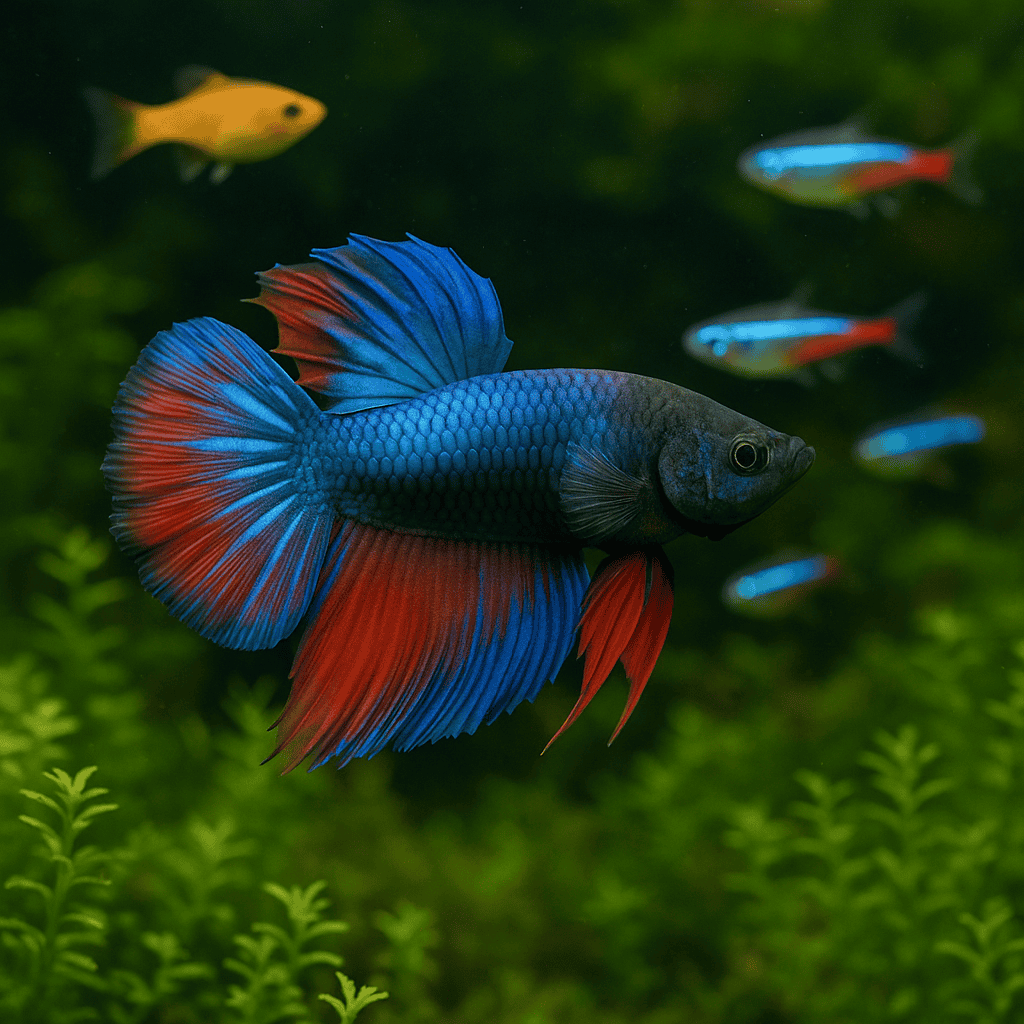
Understanding companion compatibility for Betta stiktos is vital for maintaining a harmonious aquarium environment. These fish can exhibit territorial aggression, necessitating careful selection of tank mates. Calm micro fish, such as Celestial Pearl Danios and Boraras, are recommended as they’re less likely to provoke Betta stiktos. I suggest introducing shrimps before the Betta can establish territory, minimizing stress and aggression. Additionally, providing ample hiding spots and plants in the tank layout fosters a sense of security, promoting a peaceful Betta. Regular monitoring of interactions is essential to prevent conflicts or stress-related issues. By prioritizing these aspects, we can guarantee a thriving community that respects the unique behaviors of Betta stiktos while enhancing overall aquarium harmony.
Conclusion
In summary, Betta stiktos represents a fascinating yet underappreciated species within the Betta genus. Understanding its specific habitat needs, dietary preferences, and breeding behaviors is crucial for successful care. By fostering a suitable environment and choosing compatible tank mates, aquarists can guarantee the health and well-being of this species. I believe that engaging in further research and sharing findings with the community will help elevate awareness and appreciation for Betta stiktos, promoting its conservation and responsible keeping in the aquarium hobby.