Betta Albimarginata, a stunning species from Borneo, thrives in soft, acidic waters, ideally with a pH of 4 to 6. I’ve noticed their vibrant colors and unique white-edged fins make them visually appealing, but they’re known for aggression, particularly towards their kind.
For ideal health, a 10-gallon tank with live plants is essential, and regular water quality checks are vital. If you’re keen to learn more about their breeding and care needs, just keep exploring!
Origin and Habitat
Although Betta Albimarginata, commonly known as the Snakehead betta, is an intriguing species, its origin and habitat are essential to understanding its care requirements. Native to the Sabuku River drainage in Borneo, Indonesia, this betta thrives in shallow, clear waterways of its natural habitat with soft, acidic conditions.
The habitat’s dense vegetation and low light are crucial for their breeding and overall survival. To successfully care for Snakehead bettas, replicating these natural conditions in aquariums is important. They require a pH range of 4 to 6 to flourish, reflecting their specific environmental needs.
Unfortunately, wild populations are declining, so it’s imperative that we focus on captive breeding efforts to guarantee the survival of this wild betta species while serving the aquarium community responsibly.
Physical Characteristics
When examining the physical characteristics of Betta Albimarginata, their body size and shape are particularly striking, as they typically measure between 2 to 2.5 inches with an elongated form.
The males stand out with vibrant coloration, especially when compared to the more muted hues of females, while their unique fin structure, highlighted by white edges, adds to their visual appeal. Understanding these traits not only enhances our appreciation of this species but also informs their care in aquariums.
Body Size and Shape
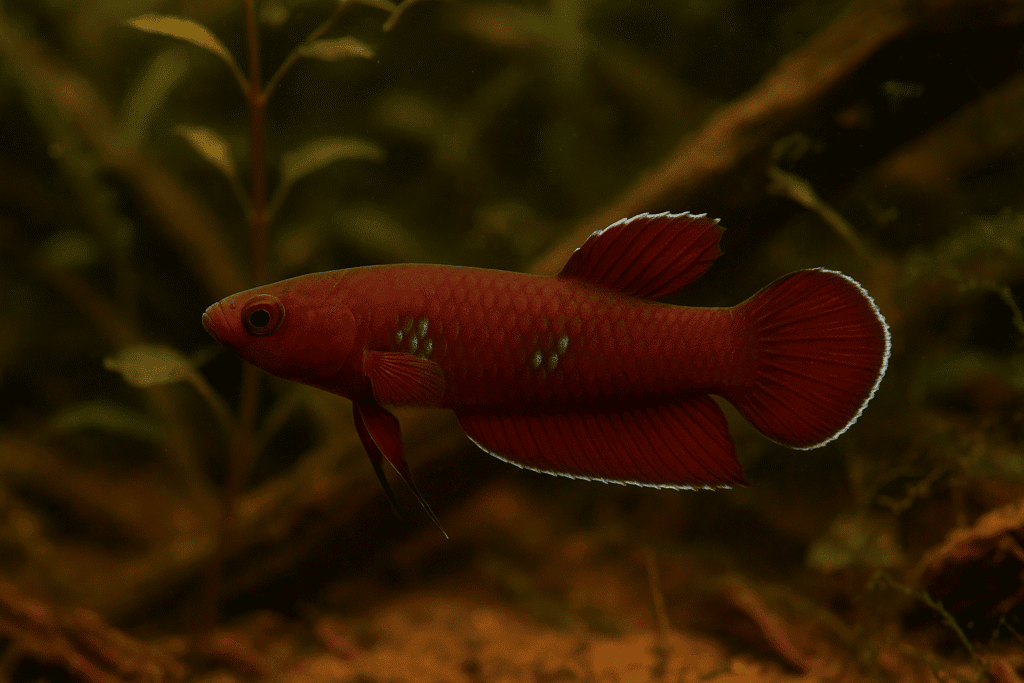
The Betta Albimarginata exhibits a compact yet elongated body, typically measuring between 2 to 2.5 inches in length, which contributes to its striking appearance and swimming agility. This small size enhances its adaptability in various aquatic environments.
Males tend to be larger than females and present more vibrant colors, which play an important role in sex differentiation. Their streamlined body shape, combined with distinctive fins featuring white edges, not only elevates their aesthetic allure but also facilitates impressive swimming maneuvers.
However, it’s worth noting that this design can make them prone to jumping, so providing a secure tank environment is essential. Understanding their body size and shape is critical for any aquarist dedicated to serving this remarkable fish species.
Coloration and Patterns
While observing the Betta Albimarginata, the striking coloration and intricate patterns that define this species are remarkable. Males, in particular, display vibrant hues that captivate any aquarist. Their coloration and patterns can include:
- Brilliant blues that shimmer under light
- Iridescent greens that shift with movement
- Metallic shades that enhance their elegance
- Unique white-edged fins that contrast beautifully
- Subtle variations in juveniles, evolving as they mature
These colors aren’t just for show; they can be influenced by environmental factors like water quality and tank setup. For instance, tannin-rich water can bring out their natural beauty, making the Betta Albimarginata a true gem in any aquarium.
Fin Structure and Edging
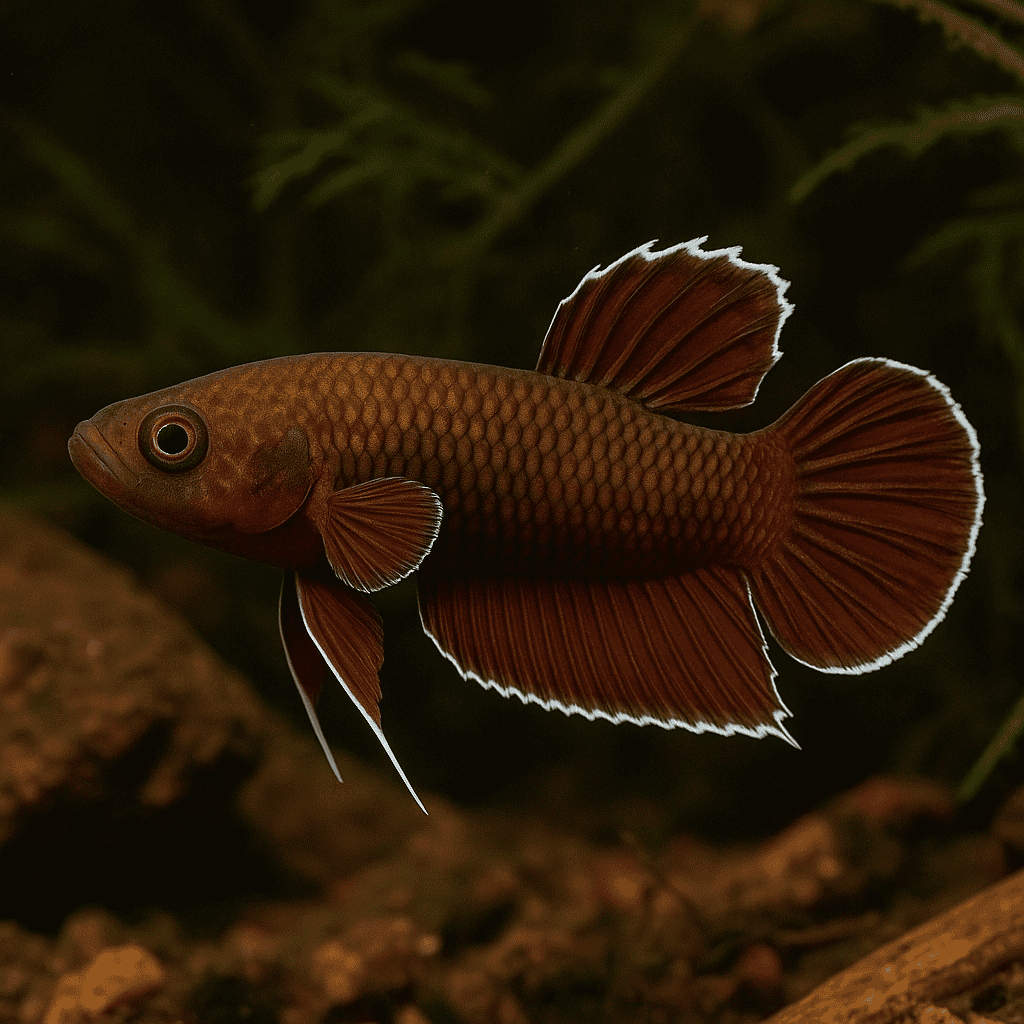
Examining the fin structure of the Betta Albimarginata, it becomes clear that these features are not merely aesthetic but vital to their overall performance and behavior. The elongated bodies, typically ranging from 2 to 2.5 inches, complement the unique white-edged fins, particularly in males. These fins enhance vibrant coloration and support swimming agility, essential for displays of dominance and mate attraction.
| Fin Type | Male Characteristics | Female Characteristics |
|---|---|---|
| Dorsal Fin | Larger, more colorful | Smaller, less vibrant |
| Anal Fin | Pronounced, striking edges | More subdued |
| Caudal Fin | Broad, enhances movement | Narrower, less prominent |
| Overall Size | Generally larger | Smaller overall |
| Edge Color | Bright white | Subtle white |
Behavior and Temperament
When observing Betta Albimarginata, their complex social dynamics become apparent, particularly their aggressive tendencies towards similar species, which necessitates careful tank selection.
Their propensity to jump also highlights the need for secure environments to prevent escapes, further complicating cohabitation decisions. Understanding these behaviors not only aids in creating a suitable habitat but also enhances breeding success, especially during the male’s mouth brooding phase.
Social Dynamics and Cohabitation
Understanding the social dynamics and cohabitation of Betta Albimarginata is essential for creating a harmonious aquarium environment. These fish are best kept alone due to their aggressive nature towards fellow males. However, they can thrive with peaceful species in community tanks under specific conditions. Here are key considerations:
- Provide ample swimming space to reduce territorial disputes.
- Incorporate hiding spots like plants or caves for security.
- Guarantee a well-secured tank top to prevent jumping.
- Introduce juvenile Betta Albimarginata into well-established tanks for better acclimatization.
- Maintain low-stress conditions with dim lighting to foster calm.
Aggression Towards Similar Species
Betta Albimarginata males are notorious for their aggression towards other males and similar species, a behavior that can greatly impact the dynamics within a tank. This aggression often leads to territorial disputes, resulting in stress for both the Betta and its tank mates.
During breeding periods, their aggressive tendencies intensify as they establish dominance over their territory. While females are typically less territorial, they can still exhibit aggressive behavior when stressed or during spawning.
To minimize aggression towards similar species, I recommend housing Betta Albimarginata alone or alongside very peaceful fish. Creating a harmonious tank environment is essential for their well-being, as aggressive interactions can not only lead to stress but also potential injuries, especially given their propensity to jump.
Jumping and Tank Safety
One key aspect of Betta Albimarginata behavior is their notable tendency to jump, which can pose significant risks if proper tank safety measures aren’t implemented. To safeguard these beautiful fish, consider the following:
- Guarantee a tight-fitting lid or cover to prevent escapes.
- Monitor tank mates to reduce stress and agitation.
- Create a calm, well-planted environment to soothe their nerves.
- Regularly check water parameters to maintain a stable habitat.
- Observe their behavior closely to catch signs of anxiety.
Ideal Tank Setup
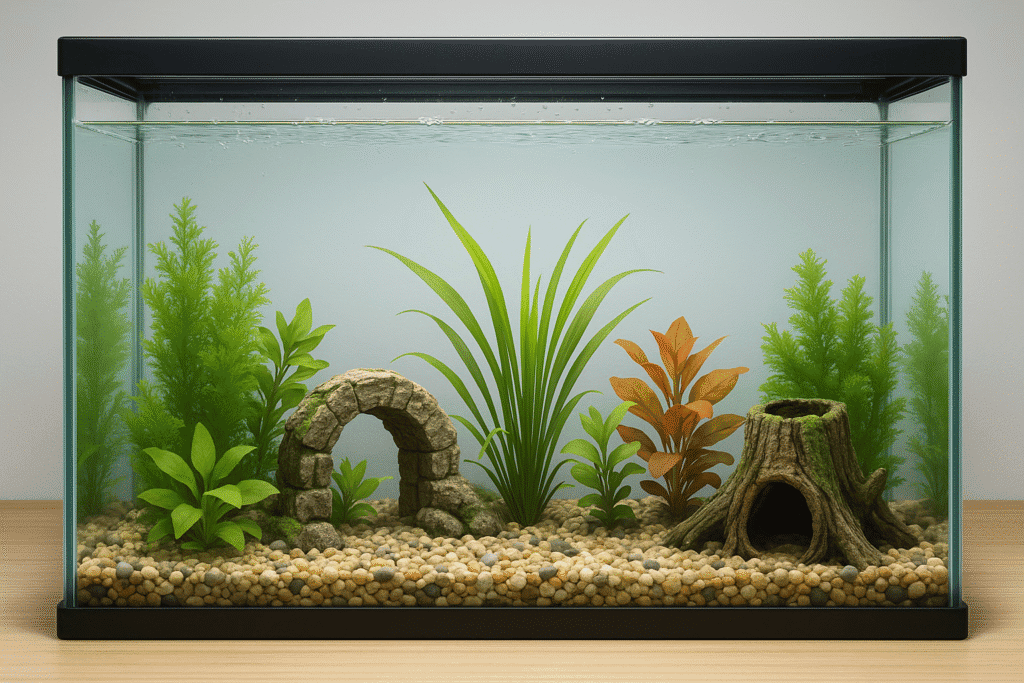
To create an ideal tank setup for Betta Albimarginata, you need to contemplate several key factors that mimic their natural environment. First, verify your tank size is a minimum of 10 gallons. This size provides adequate swimming space and helps maintain stable soft water quality. Next, populate the tank with live plants and natural decorations, which not only replicate their habitat but also offer essential hiding spots.
Consider using herbal tannin mixtures to achieve tannin-colored water, promoting their health by lowering pH levels between 4 and 6. Finally, it’s vital to properly cycle the tank for at least one month before introducing your Betta to establish beneficial bacteria, guaranteeing a stable and healthy environment for your new aquatic companion.
Water Quality Requirements
Maintaining ideal water conditions is vital for the health and well-being of Betta Albimarginata. To guarantee your fish thrive, it’s essential to monitor these water parameters:
- Temperature: Keep it between 24° C to 28° C (75.2°F to 82.4°F).
- pH Level: Aim for a range of 4 to 6, reflecting their natural soft, acidic environment.
- Total Dissolved Solids (TDS): Maintain 100 to 120, with a tolerance up to 140.
- General Hardness (GH): Ideally, keep it between 3 to 6.
- Color: Incorporate tannin-colored water using herbal mixtures to simulate their habitat.
Breeding Techniques
Achieving a successful breeding setup for Betta Albimarginata requires careful attention to detail and an understanding of their unique reproductive behaviors. Start by performing a 20% water change at night and increase the male’s feeding with a varied diet including live foods like frozen bloodworms; this stimulates interest within 24 hours.
Set up a minimum 10-gallon tank with coconut shells for shelter, maintaining tannin-colored water with low pH and dim lighting to create a calming environment.
During the mouth brooding process, keep the environment quiet and dark, removing the female if she disrupts the male. Breeding techniques may require multiple attempts, so learn from any failures, especially if egg-eating occurs, and consider trying different males for improved outcomes.
Care and Maintenance
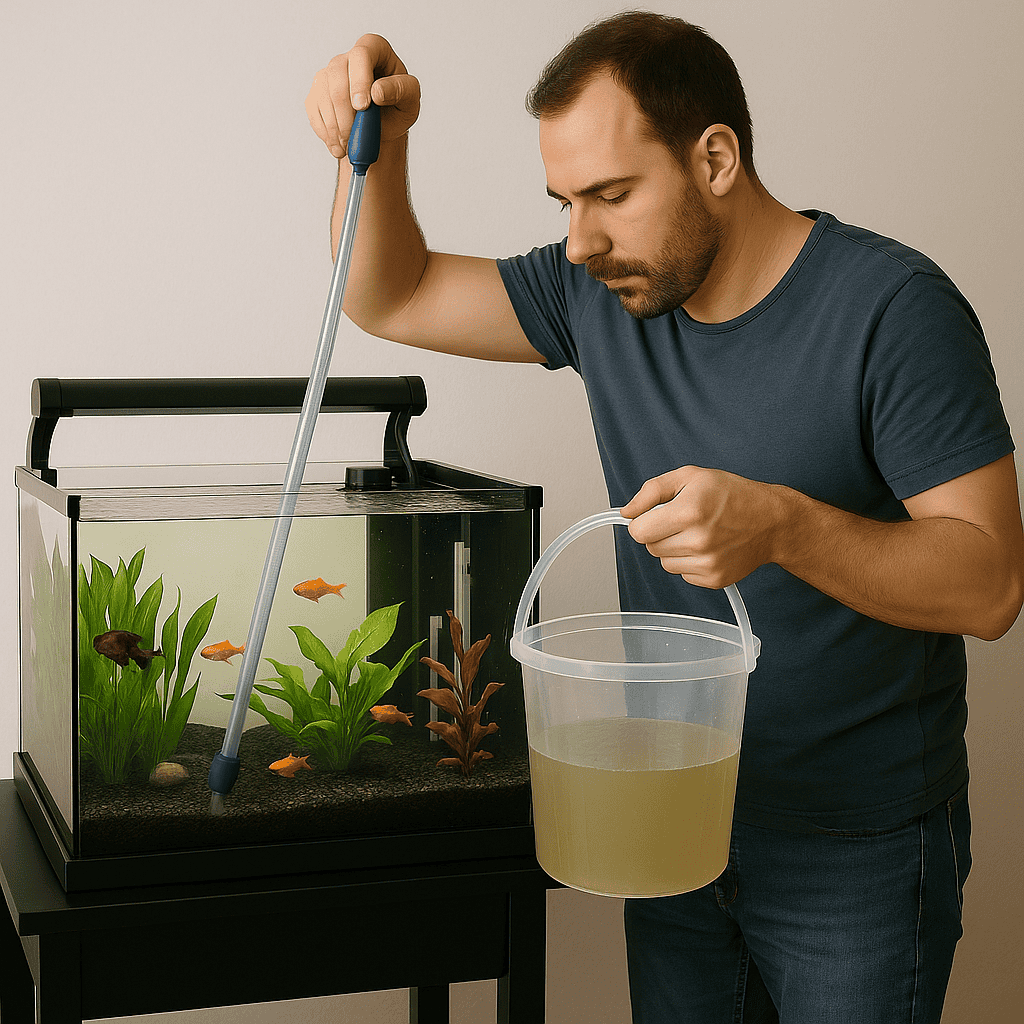
Creating a stable environment for Betta Albimarginata requires attention to several key factors. To ensure optimal health for both males and females, focus on the following:
- A minimum tank size of 10 gallons with live plants and natural decorations
- Water temperature maintained between 24° C to 28° C (75.2°F to 82.4°F)
- pH levels between 4 and 6 (more acidic than neutral water), with TDS values of 100 to 120
- Cycling the tank for at least one month before introducing the fish
- Regular weekly water changes of about 20% to maintain quality
I also keep them alone or with very peaceful species to minimize aggression and stress. This careful attention guarantees a thriving environment for these stunning fish.
Tips for Successful Breeding
Breeding Betta Albimarginata can be a rewarding experience, but it requires careful planning and attention to detail. Here are some essential tips to guarantee success:
| Requirements | Disposition Mean | Tips |
|---|---|---|
| 10-gallon breeding tank | Male must be calm | Conduct a 20% water change |
| Live foods for stimulation | Female should be nurturing | Use coconut shells for shelter |
| Dim lighting & low pH | Avoid disturbances | Engage with the betta community |
Before spawning, increase live food intake. Maintain a tranquil environment, avoiding stress to the male during mouth brooding. Don’t hesitate to try different males if egg-eating occurs. Connecting with fellow breeders can also provide invaluable insights to navigate challenges effectively.
Conclusion
In summary, the Betta albimarginata, with its striking coloration and unique behaviors, requires careful attention to its habitat and care. Understanding its natural environment and specific needs is essential for ensuring its health and happiness.
By setting up an ideal tank, maintaining the best water quality, and employing effective breeding techniques, you can successfully cultivate these fascinating fish. Embracing the challenge of their care will not only enhance your aquarium but also deepen your appreciation for this extraordinary species.