To care for Betta smaragdina (Betta splendens), a well-planted aquarium mimicking their natural habitat of shaded, slow-moving waters is essential. I maintain water parameters with a pH of around 7.4 to 7.6 and a GH of 170–200 ppm. Their diet consists of high-quality pellets, live foods, and small, frequent meals to support their health.
For breeding, a separate tank with ideal temperatures is provided. Monitoring tank mates is essential for harmony, and there’s much more to explore about their unique needs.
Natural Habitat and Distribution
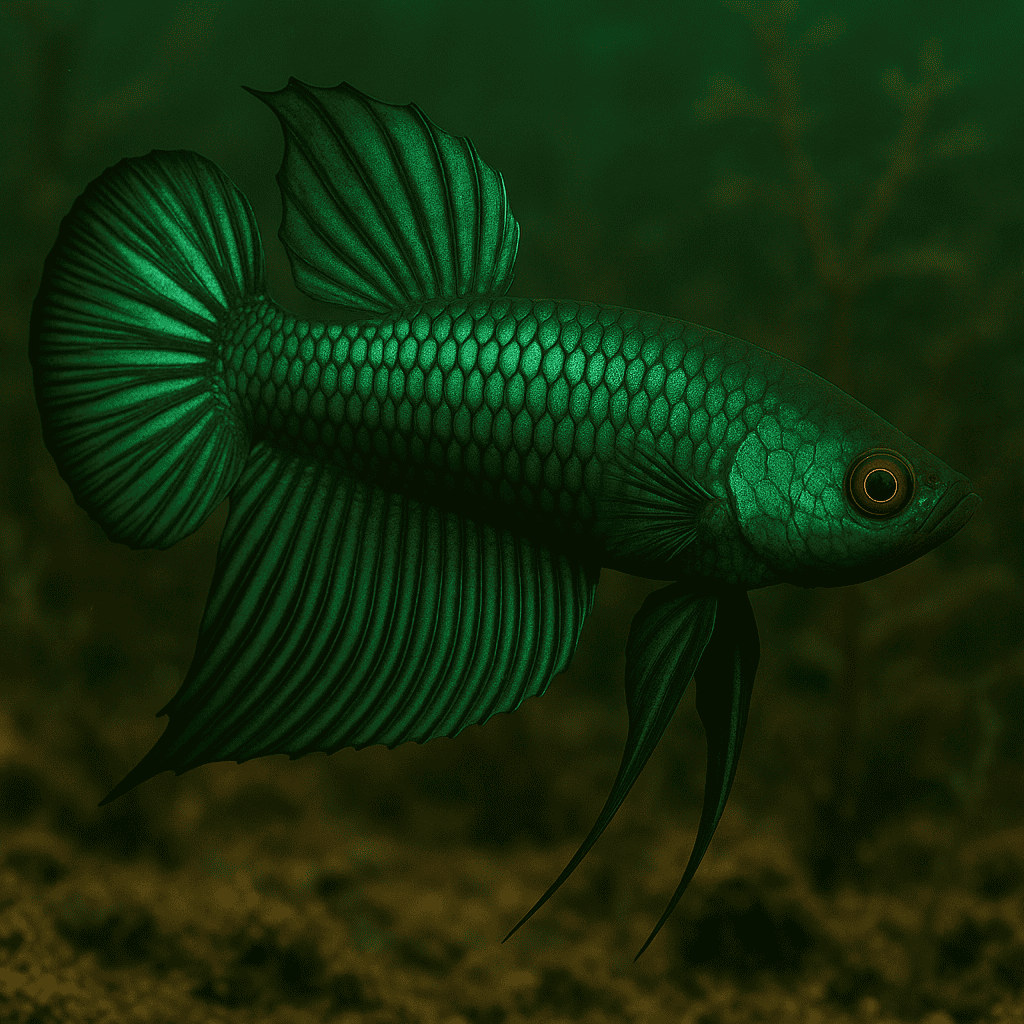
When exploring the natural habitat and distribution of Betta smaragdina, it’s vital to recognize its origins in the Khorat Plateau of Thailand and the Mekong tributaries of Laos. This remarkable freshwater fish thrives in slow-moving waters and is typically found in rice paddies, swamps, and ponds.
I often observe them in shaded areas rich with dense vegetation, which provides fundamental cover and breeding sites. Their adaptability to various substrates, from leaf litter to mud and sand, reveals their resilience in diverse ecological niches. Unfortunately, the introduction of ornamental forms has threatened the genetic integrity of wild populations, emphasizing the significance of conservation efforts. Protecting these habitats guarantees the survival of Betta smaragdina and preserves the biodiversity of their ecosystems.
Water Parameters and Tank Setup
To guarantee the health and well-being of Betta smaragdina, it’s vital to maintain specific water parameters and set up an appropriate tank environment. Here’s a quick reference for your tank setup:
| Parameter | Ideal Range | Notes |
|---|---|---|
| pH | 7.4 – 7.6 | Slightly alkaline for ideal water quality |
| GH (ppm) | 170 – 200 | Secures mineral balance |
| Aquarium Size | 45 × 30 cm | Provides ample swimming and hiding spots |
| Filtration | Gentle, 4–5× | Air-powered sponge filters recommended |
A well-planted and shaded aquarium mimics their tropical habitat, reducing stress. Regular water changes and maintenance are vital to keep the environment clean and well-aerated for your Betta smaragdina.
Diet and Feeding Requirements
Maintaining ideal water conditions sets the stage for your Betta smaragdina’s overall health, but their diet is equally important. As an omnivorous species, the Emerald Betta thrives on a varied diet that includes high-quality pellets, live foods like Daphnia and bloodworms, and frozen foods.
To meet their feeding requirements, it’s essential to replicate their natural intake of aquatic invertebrates, ensuring a balanced diet that promotes their health. Overfeeding can lead to obesity, so I recommend offering small, frequent meals rather than large portions.
This approach not only helps maintain their ideal weight but also enhances their vibrant coloration. Regularly incorporating live or frozen foods into their diet is important for their well-being in a captive environment.
Breeding Behavior and Care
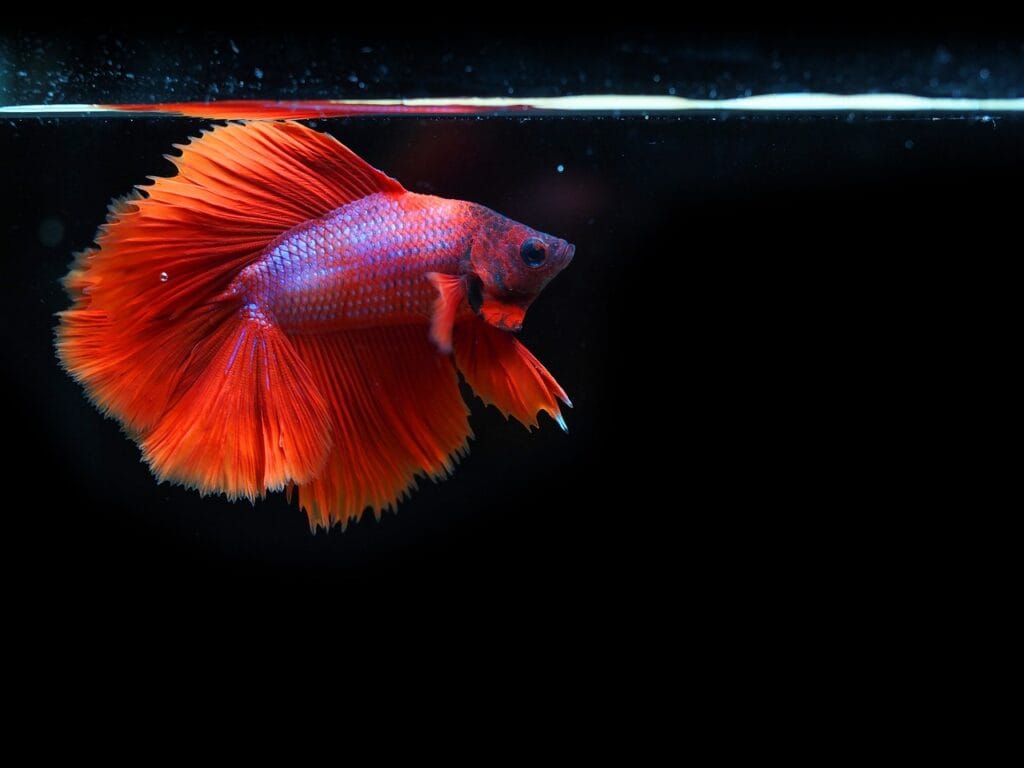
Breeding Betta Smaragdina can be a rewarding experience, provided you create the right environment and understand their behaviors. The male constructs a bubble nest and performs elaborate courtship displays to attract a female, who signals readiness with vertical bars and a fuller belly. Set up a separate 5–10 gallon tank with soft, slightly acidic water (pH around 6.5) and maintain a temperature of 78 – 80 °F for ideal breeding conditions.
After spawning, it’s essential to remove the female to avoid aggression from the male, who will tend to the eggs until they hatch in 24–48 hours. Once the fry is free swimming, feed them infusoria or baby brine shrimp, ensuring proper care and water quality throughout their development.
Compatibility and Tank Mates
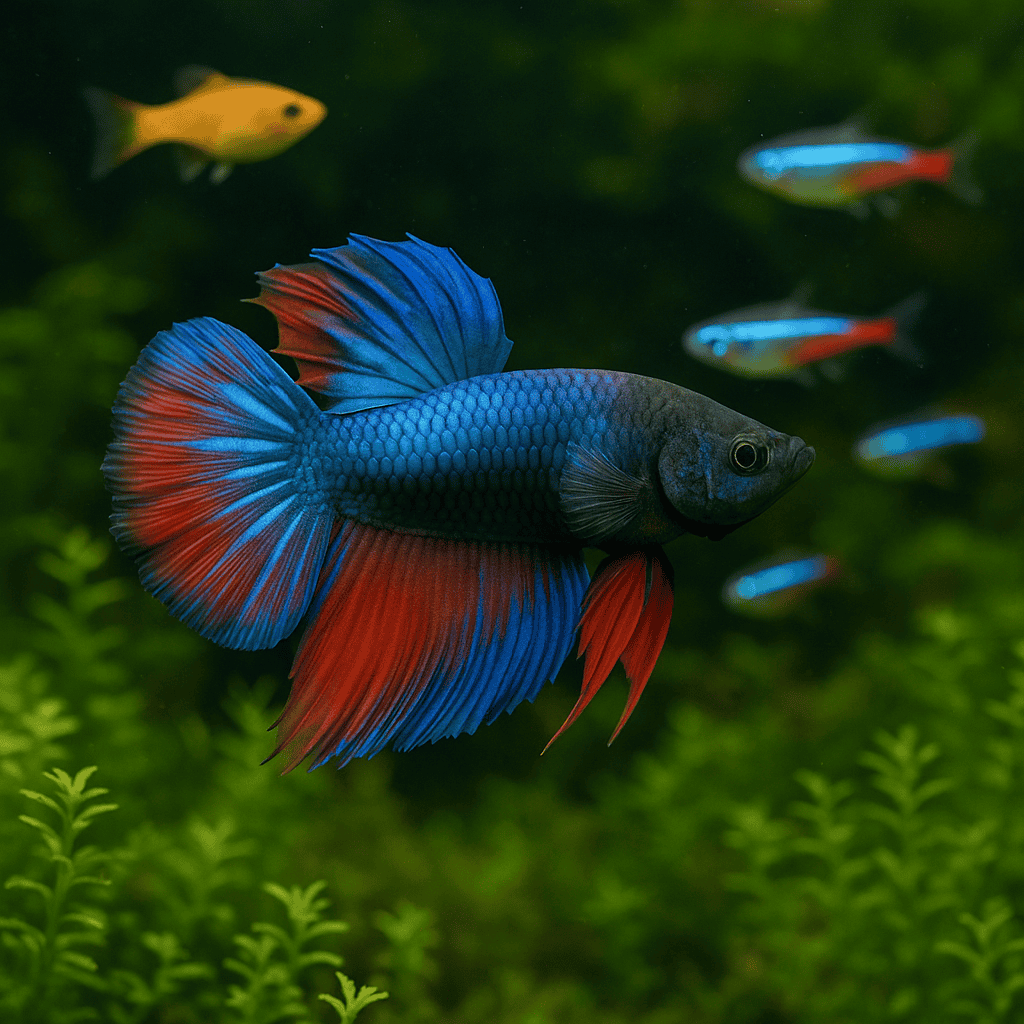
While many aquarists love the beauty of Betta smaragdina, understanding their compatibility with other fish is important for a harmonious aquarium. These peaceful Betta species thrive in community aquariums when paired with small, non-aggressive tank mates. Here are three tips to guarantee compatibility:
- Choose Non-Aggressive Tank Mates: Opt for species like rasboras, tetras, and corydoras to minimize stress and aggression.
- Create Ample Hiding Spots: A spacious tank set up with plenty of plants can reduce territorial behavior and provide security.
- Maintain a Favorable Females-to-Males Ratio: Keeping more females than males can help lessen aggression during potential breeding disputes.
Regularly monitoring interactions among tank mates is vital for maintaining a peaceful environment.
Conclusion
To summarize, caring for the Betta smaragdina, or emerald green wild betta, requires attention to their specific habitat needs, water parameters, and social dynamics. By creating a suitable tank environment, providing a balanced diet, and understanding their breeding behaviors, you can guarantee a thriving community for these stunning fish.
Remember, compatibility with tank mates is essential, as their temperament can vary. With the right care, your emerald bettas will flourish and showcase their vibrant beauty.