Betta Persephone, or the Black Paradise Betta, is critically endangered due to habitat destruction from palm oil plantations and deforestation. Native to Malaysia and Indonesia, this species requires soft, acidic water with specific pH levels for survival.
It only grows to 2.6 centimeters and exhibits sexual dimorphism. To conserve this unique fish, captive breeding programs are crucial. There’s much more to explore about its care, breeding, and conservation efforts that are fundamental for its survival.
Overview of Betta Persephone
Betta Persephone, commonly referred to as the Black Paradise Betta, is a fascinating yet critically endangered species that captivates aquarists and researchers alike. This small freshwater fish, reaching a maximum size of just 2.6 centimeters, is native to Malaysia and Indonesia’s blackwater streams and peat swamps.
Sadly, habitat loss from deforestation and palm oil plantations threatens its survival. Importantly, Betta Persephone exhibits pronounced sexual dimorphism; males showcase stunning blue-black coloration, while females display brown with reddish tones. Its specific water conditions, requiring a pH of 5.0 to 6.5 and temperatures between 75–82°F, make it moderately challenging to maintain in aquaria.
Additionally, this species is a bubble nester, necessitating careful environmental controls for successful breeding.
Habitat and Distribution
While exploring the unique ecosystems of Malaysia and Indonesia, one can’t help but notice the crucial habitat of the Black Paradise Betta, which thrives in the peat swamp forests and blackwater streams of the Johor region near Ayer Hitam.
Betta persephone, at a maximum length of just 2.6 centimeters, is one of the smallest betta species and requires specific environmental conditions to survive. These habitats feature soft, acidic waters with pH levels ranging from 3.8 to 6.5, which are essential for breeding and overall health. Unfortunately, habitat loss due to deforestation and the expansion of oil palm plantations poses a significant threat, rendering this species critically endangered.
Protecting these unique habitats is crucial for the survival of Betta Persephone and the biodiversity they support.
Care Requirements
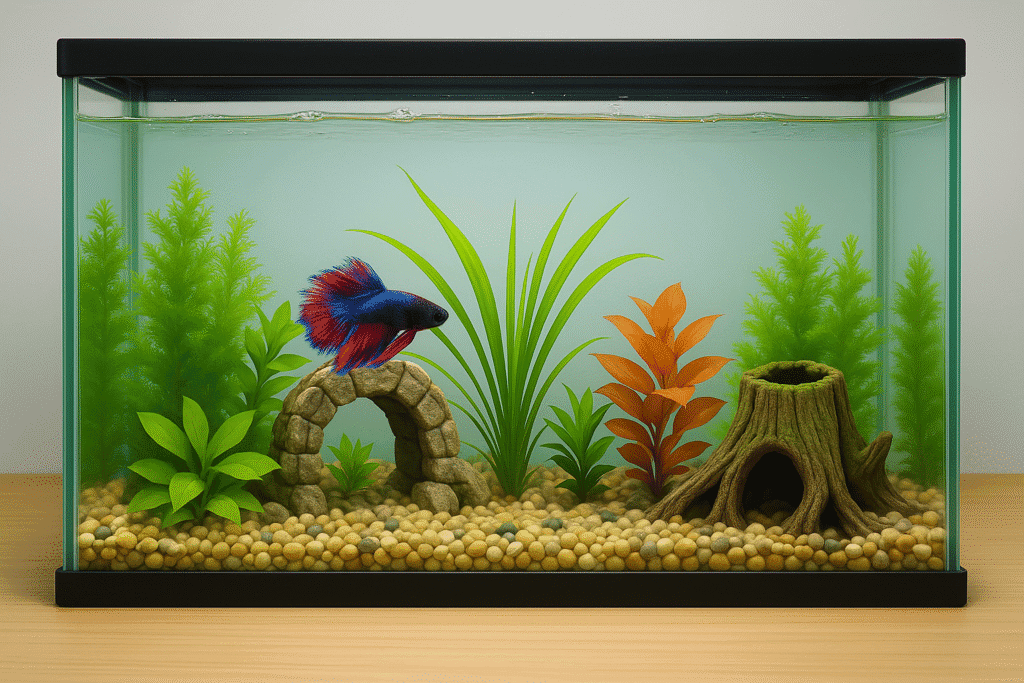
The care requirements for Betta Persephone reflect its specific needs derived from its natural habitat. To guarantee their well-being, I recommend a minimum tank size of 15 gallons for a group of five. Maintaining ideal water parameters is essential, with a pH range of 5.0 to 6.5 and a temperature between 75–82°F.
Incorporating habitat features like leaf litter and small to medium-sized aquarium botanicals provide important hiding spots. Since Betta Persephone thrives in soft, acidic waters, using peat filter media can help achieve perfect conditions. Their diet should consist of live blackworms and frozen bloodworms, introduced gradually to accommodate their pickiness.
Meeting these care requirements is critical for the health of this critically endangered species.
Breeding and Reproduction
When considering breeding Betta Persephone, understanding their unique reproductive behaviors and requirements is essential. This bubble-nesting species requires specific water conditions to stimulate their spawning behavior, including a pH range of 3.8 to 4.5. The male, distinguished by pointed dorsal fins and darker coloration, builds a bubble nest among submerged vegetation for the eggs.
- Males care for the eggs until they hatch within 24–72 hours.
- Fry remain in the nest for 3–4 days before swimming freely.
- Initially, feed fry with Microworms or infusoria, shifting to brine shrimp or powdered foods as they grow.
- Monitoring these conditions is crucial, especially considering the species’ status on the IUCN Red List and its relation to wild bettas in blackwater habitats.
Conservation Status and Efforts
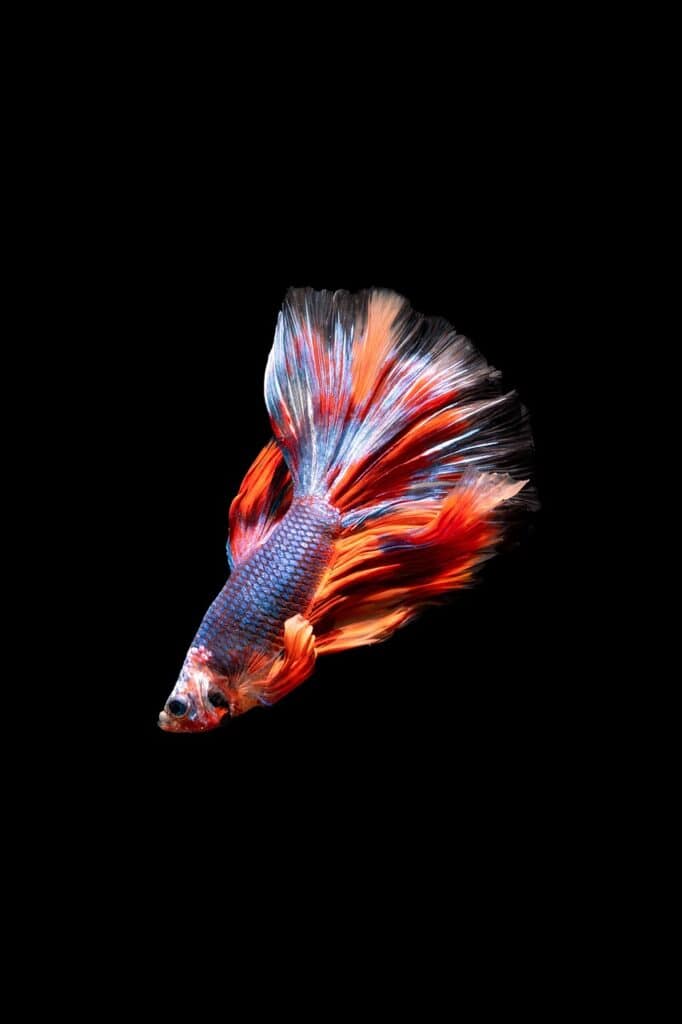
Breeding Betta Persephone in captivity highlights the urgent need for conservation efforts aimed at this critically endangered species. Facing severe habitat loss from palm oil plantations, this fish’s natural range in Johor, Malaysia, makes it particularly vulnerable. Our breeding programs have provided some hope, yet challenges remain due to the species’ preference for acidic waters.
| Threats | Conservation Efforts |
|---|---|
| Habitat Loss | Breeding and Release Programs |
| Population Vulnerability | Increased Awareness |
| Acidic Water Needs | Protective Measures |
| Environmental Changes | Community Engagement |
The ongoing destruction of their habitat underscores the necessity of protective measures and our collective responsibility to save Betta Persephone from extinction.
Conclusion
In summary, the Betta Persephone represents a fascinating yet vulnerable species within the Betta genus. Its unique habitat and specific care requirements highlight the delicate balance needed for its survival. As we face ongoing threats to its population, conservation efforts are vital to guarantee its future.
By raising awareness and supporting initiatives aimed at preserving this critically endangered dark betta, we can contribute to safeguarding not just its existence but the rich biodiversity of aquatic ecosystems as a whole. The very name of this species evokes the Greek goddess Persephone, underscoring both its beauty and fragility.