When comparing wild and domestic betta fish (Siamese fighting fish), there are significant genetic differences. Domestic bettas, bred for vibrant colors and long fins, often suffer from health issues identified in genome-wide association studies due to inbreeding.
In contrast, wild species boast genetic diversity, leading to better resilience and adaptability in their environments. This disparity impacts their behavior, with domestic bettas displaying more aggression, especially males. If you want to understand the implications of these differences further, you’ll find more valuable insights ahead.
Overview of Betta Fish Genetics
While exploring the captivating world of betta fish genetics, I’ve found that the differences between wild and domestic species are striking. Domestic bettas, shaped by selective breeding throughout human history, exhibit vibrant colors and unique fin shapes due to altered genes showing expression differences.
This process has strengthened their sex-determining gene, influencing reproductive behaviors in ways that differ markedly from their wild counterparts. Unfortunately, inbreeding among domestic bettas has led to various health issues, while wild bettas tend to display hardier genetic traits.
Notably, about 73 species of bettas with distinct population structures originate from Southeast Asia, as shown in phylogenetic tree analysis, with genetic variations analyzed through principal components analysis that reflect their adaptations to diverse environments. Understanding these genetic differences is vital, especially as many wild species face threats from habitat loss and the consequences of fish domestication.
Differences in Physical Characteristics
When comparing the physical characteristics of wild and domestic betta fish, the distinctions become immediately apparent. Ornamental bettas are a demonstration of selective breeding, showcasing:
- Vibrant Colors: Their skin contains chromatophores, resulting in striking hues.
- Elaborate Fins: Domestic varieties have broader, ornate fins, while wild species are more streamlined for efficient swimming.
- Size Variation: While domesticated bettas average 2 to 2.5 inches, wild species like Betta macrostoma can reach 3 to 4 inches.
These differences highlight how human intervention has shaped the appearance of Domestic Betta Fish, prioritizing aesthetics over survival traits. In contrast, wild bettas maintain physical features that enhance their camouflage and adaptability in natural habitats. Understanding these distinctions is essential for anyone considering ornamental fish care.
Care Requirements for Betta Splendens

To guarantee your Betta splendens thrives, it’s important to understand their specific care requirements. Bettas need a tank size of 5 to 10 gallons, offering ample space for swimming and hiding. Maintaining a water temperature between 78-82°F and ensuring soft, slightly acidic water conditions are vital for their health.
As you care for them, remember that male Betta splendens showcase vibrant colors and longer fins, while females are less colorful and have shorter fins. Since these fish lack a specific native environment, providing plenty of plant cover and hiding spots in their aquarium mimics their natural habitats. With proper care, Bettas can live between 2 to 4 years, emphasizing the importance of consistent maintenance.
Understanding Wild Betta Species
When exploring the world of wild betta species, we find their habitat preferences and social behaviors fascinatingly distinct from those of domesticated bettas. These fish thrive in specific water conditions, and exhibit varied breeding strategies, reflecting their adaptations to natural environments.
Understanding these differences not only highlights their unique characteristics but also emphasizes the importance of conservation efforts for their survival.
Habitat Preferences and Conditions
Understanding the habitat preferences and conditions of wild betta species reveals essential insights for both their care in captivity and conservation efforts. Unlike domestic bettas, wild species, like Betta imbellis, Betta mahachaiensis, and Betta macrostoma, thrive in shallow, murky streams and peat swamp forests. Their requirements are quite different:
- They adapt to smaller environments if ample hiding spots and vegetation are present.
- Wild bettas prefer soft, acidic water with low pH, mirroring their natural habitats.
- Many exhibit less aggression and can coexist peacefully in larger groups.
Recognizing these habitat preferences is important, especially since habitat degradation has led to many wild betta species becoming vulnerable or endangered. By implementing proper care and conservation, we can help protect their future.
Breeding and Reproduction Differences
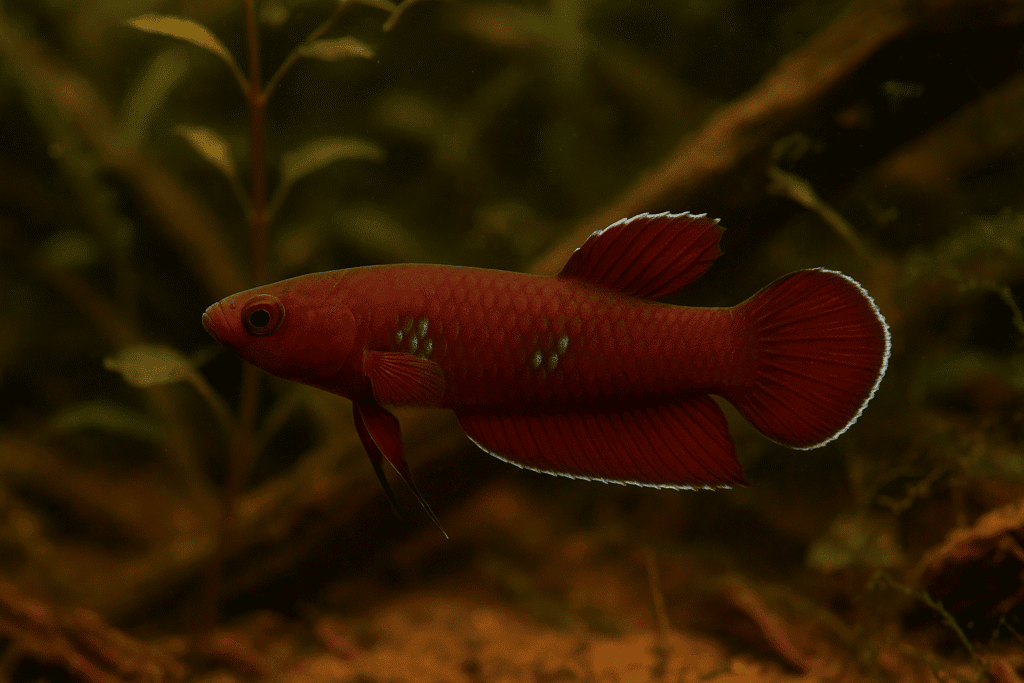
While many hobbyists admire the vibrant colors and unique behaviors of domestic bettas, it’s important to recognize that wild betta species, like Betta imbellis and Betta macrostoma, showcase distinct breeding and reproductive strategies. Unlike domestic bettas, which create bubble nests, many wild bettas are mouthbrooders, with males guarding their eggs for 18-24 days.
They typically breed in shallow, acidic waters, where specific environmental conditions are vital, contrasting with the varied tank setups domestic bettas endure. These habitat preferences greatly impact the breeding success of wild bettas, making them more susceptible to population decline due to environmental stressors.
Meanwhile, selective breeding has altered the reproductive traits of domestic bettas, often diminishing their adaptability compared to their wild counterparts.
Social Behavior and Interactions
Although many people associate betta fish with aggression, wild betta species, such as Betta imbellis, reveal a much different social dynamic. These wild bettas are generally more peaceful and can coexist in groups with minimal aggression. Here are some key aspects of their social behavior:
- They typically exhibit only slight chasing among individuals rather than intense fighting.
- The aquarium size plays a significant role; smaller spaces can increase aggression levels even among these less aggressive species.
- While some species, like Betta Persephone, may show more pronounced aggression, proper housing with ample hiding spots can help mitigate these tendencies.
Understanding the social behavior of wild bettas is essential for creating a harmonious aquarium environment that caters to their needs.
Genetic Health in Domestic vs. Wild Bettas
When examining the genetic health studied through optical mapping of domestic versus wild Bettas, it’s clear that inbreeding practices have detrimental effects on the health of domestic varieties, leading to deformities and reduced lifespans.
In contrast, wild Bettas benefit from greater genetic diversity, which enhances their resilience against diseases and environmental changes. This stark difference highlights the importance of conservation efforts to protect wild populations and inform responsible breeding practices for domestic species.
Inbreeding Effects on Health

Inbreeding substantially impacts the health of domestic betta fish, leading to a range of genetic disorders that their wild counterparts rarely experience. The inbreeding effects on domesticated Bettas manifest in several concerning ways:
- Increased likelihood of deformities and shortened lifespans.
- Higher incidence of diseases like fin rot and swim bladder issues.
- Greater susceptibility to health problems when compared to wild bettas.
These issues arise from selective breeding practices that prioritize appearance over genetic diversity, compromising the overall resilience of these fish. Meanwhile, wild bettas maintain a more robust genetic pool, promoting their hardiness.
By adopting responsible breeding practices and focusing on genetic health, we can help mitigate the negative effects of inbreeding and enhance the well-being of our domestic bettas.
Wild Genetic Resilience Factors
While many factors contribute to the genetic resilience of wild bettas, their superior health compared to domestic varieties primarily stems from greater genetic diversity. This diversity allows wild bettas to adapt more effectively to environmental changes and resist diseases that often plague their domestic counterparts.
Inbreeding in domestic varieties leads to genetic weaknesses, resulting in higher incidences of deformities and health issues. Many wild species are classified as vulnerable or endangered, making their genetic health essential not only for their survival but also for the stability of their ecosystems.
By understanding these genetic resilience factors, we can better appreciate the importance of conserving wild bettas and supporting efforts to maintain their genetic diversity for future generations.
Conservation and Breeding Practices
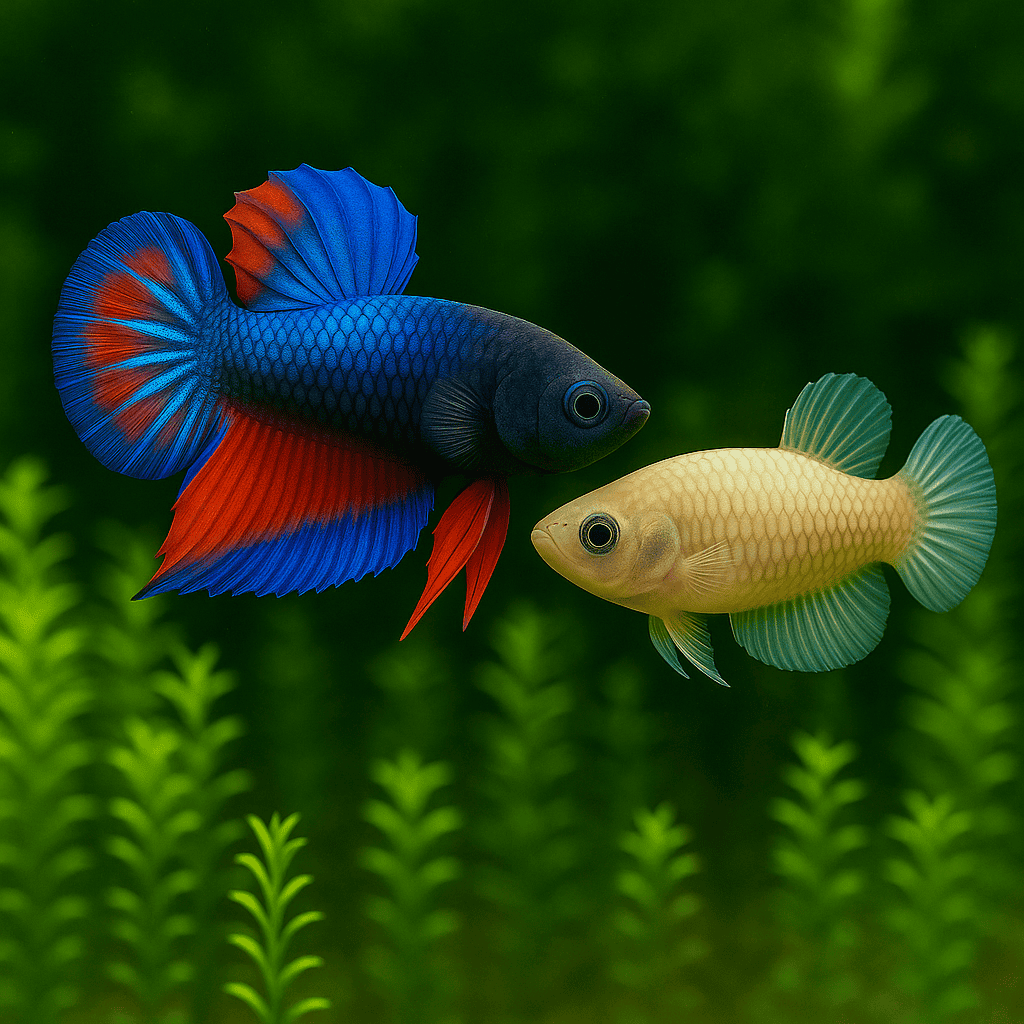
Although many fish enthusiasts appreciate the vibrant colors and unique shapes of domestic bettas, it’s crucial to understand how breeding practices impact their genetic health. Domestic bettas often suffer from poor genetic resilience due to inbreeding, which enhances specific traits but compromises overall health. In contrast, wild bettas display greater genetic diversity and are typically hardier.
To promote better practices, we should consider:
- The importance of conservation efforts for vulnerable wild betta species.
- The risks of selective breeding focus solely on aesthetics.
- Educating fishkeepers about genetic health to encourage responsible breeding practices.
Breeding Practices and Their Impact
Breeding practices greatly influence the health and characteristics of both wild and domestic Betta fish. Selective breeding has markedly altered domestic Betta splendens, enhancing their coloration and fin morphology, yet this focus on specific traits often leads to a loss of genetic diversity.
For instance, the recessive double tail gene creates broader fins but requires careful management to maintain health. Unfortunately, inbreeding can introduce genetic health issues, making domestic bettas more vulnerable to diseases than their wild counterparts. Understanding these genetic factors is vital for responsible breeding practices.
By prioritizing genetic diversity, we can help guarantee a healthier population, benefiting both hobbyists and the Betta fish community at large.
Conservation Efforts for Wild Bettas

As we explore the conservation efforts for wild Bettas, it is crucial to recognize that many species face serious threats due to habitat loss and environmental degradation. Many wild Betta species are classified as vulnerable, endangered, or critically endangered by the IUCN, highlighting the urgent need for action. Here are some key initiatives:
- Protecting natural habitats like peat swamp forests and shallow streams.
- Raising awareness among fishkeepers about wild versus domestic Bettas to promote responsible practices.
- Supporting community-driven conservation projects and organizations focused on aquatic habitat protection.
Behavioral Traits: Wild vs. Domestic
When examining the behavioral traits of wild versus domestic bettas, it’s evident that their environments and breeding histories shape their actions considerably. Wild bettas, like Betta imbellis, are generally peaceful and can coexist with others, while domestic bettas often show aggression, especially males.
This aggression stems from selective breeding that emphasizes fighting. Housing conditions also play a role; smaller tanks can heighten aggression in domestic bettas, whereas wild bettas flourish in larger groups and lower temperatures.
| Wild Bettas | Domestic Bettas |
|---|---|
| Generally peaceful | Often aggressive |
| Rarely engage in fights | Prone to territoriality |
| Thrive in groups | Prefer solitary spaces |
The Importance of Education in Betta Care
Understanding the importance of education in betta care is essential for anyone looking to keep these fascinating fish. Knowledge not only enriches our experience but also promotes better practices that support both domestic and wild species. Here are some key points to contemplate:
- Recognizing the unique needs of wild versus domestic Bettas helps create ideal environments.
- Educating oneself on the risks of inbreeding fosters responsible breeding and reduces genetic weaknesses in domestic fish.
- Awareness of the conservation status of wild Betta species encourages advocacy for habitat protection.
Conclusion
In summary, understanding the genetic differences between wild and domestic betta fish is essential for any aquarist. While domestic Bettas showcase vibrant colors and unique traits due to selective breeding, wild species are integral to ecosystem health and conservation. By appreciating these distinctions, we can provide better care for our pets and support efforts to protect wild populations. Ultimately, informed decisions in breeding and care practices can bridge the gap between these two fascinating worlds of Betta fish.