When selecting betta Breeding Pairs, Focus on their health and genetic compatibility. I look for vibrant colors, symmetrical fins, and active behavior in males, while female bettas should have a rounded belly and good body shape.
It’s important to avoid weak or lethargic fish to enhance the vigor of the offspring. Understanding their color genetics and ensuring they complement each other is essential. There’s much more to explore about setting up the ideal breeding environment and practices.
Importance of Health in Betta Breeding
When considering the importance of health in betta breeding, I realize that selecting healthy fish is essential to guaranteeing successful offspring. Quality bettas exhibit clear, diamond eye characteristics and vibrant colors, indicating good genetics and overall health. It’s critical to choose fish with intact, undamaged fins, as signs of fin rot or injury may reveal underlying health issues that can be inherited.
Active and responsive fish thrive during breeding; lethargic individuals often struggle with spawning and raising fry. Additionally, I avoid any bettas showing visible signs of illness, like discoloration or lesions, as these impact the breeding process. Ultimately, selecting a breeding pair from reputable breeders secures genetic compatibility and enhances health and well-being in future generations.
Key Traits to Look for in Male Bettas
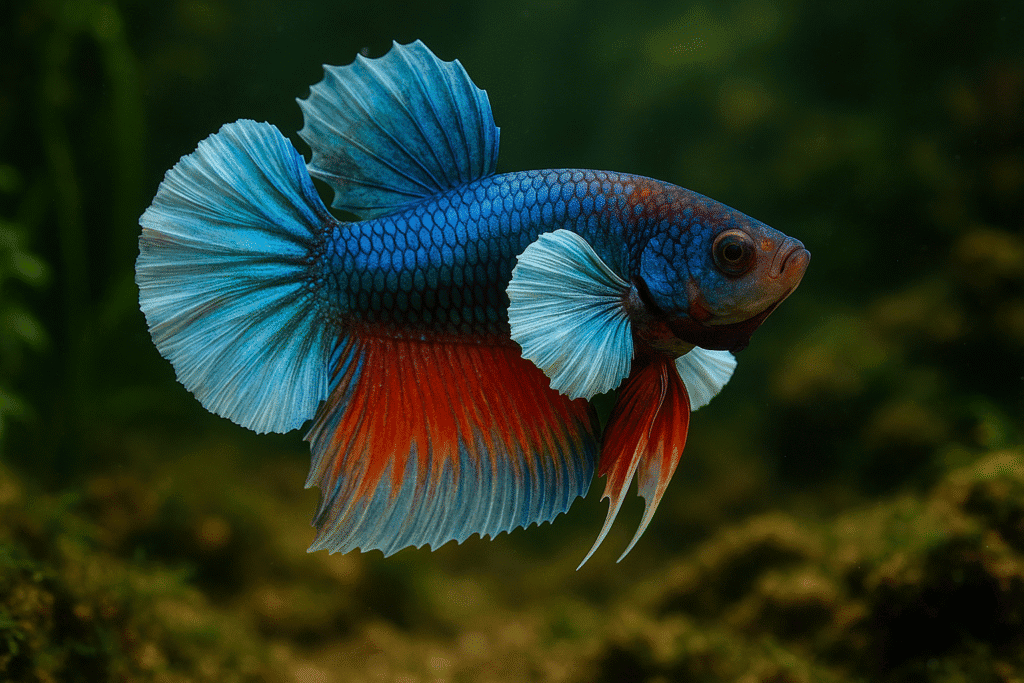
Selecting the right male betta is a fundamental step in guaranteeing the success of your breeding program. Focus on several key traits to identify the best candidates. First, I look for strong tail-type traits—well-developed, symmetrical fins with good branching. Vibrant colors are essential, too, as they enhance the visual appeal of the offspring.
Distinct patterns with clear markings indicate genetic quality, while I avoid males with weak or drooping fins—they can pass on health issues. Here’s a quick reference table to summarize these traits:
| Trait | Importance |
|---|---|
| Fin Traits | Strong, symmetrical fins |
| Vibrant Colors | Enhances fry’s visual appeal |
| Distinct Patterns | Indicates genetic quality |
| Weak Fins | Avoid to prevent health issues |
| Color Consistency | Guarantees vibrant offspring |
Key Traits to Look for in Female Bettas
Choosing the right female betta is fundamental for the success of your breeding program. Focus on finding females with a balanced body shape that’s streamlined and symmetrical, as this promotes healthy movement and vigor. It’s imperative to select fish that exhibit good health and activity levels, ensuring they’re responsive and energetic.
I aim for females with complementary traits to the male bettas, enhancing the quality of our future fry. Avoiding females with poor body shape or spinal deformities is key, as these traits can lead to health issues in offspring. Additionally, I look for visible egg spots and higher aggression levels, which indicate readiness for the breeding process and a strong genetic background, setting the groundwork for healthy offspring.
Balancing Traits for Optimal Offspring

Balancing traits in breeding pairs is essential for producing healthy and vibrant offspring. By carefully selecting a male and female betta, One can promote the best characteristics in the fry. Here are key considerations:
- Combine strong fin types with streamlined body structures
- Pair vibrant males with muted-colored females for enhanced coloration
- Avoid poor body shapes and weak fin structures
- Consider the genetic background to reduce potential health issues
Evaluating Breeding Readiness in Bettas
When evaluating breeding readiness in bettas, Focus on their ideal age for bettas range, which is between 5 months and 2 years. I also look for physical indicators like a male’s large, full tail and a female’s rounded belly, as these suggest they’re ready for spawning. Finally, I assess their behavior, ensuring both fish are active and showing interest in each other, which is critical for a successful breeding process.
Optimal Age Range
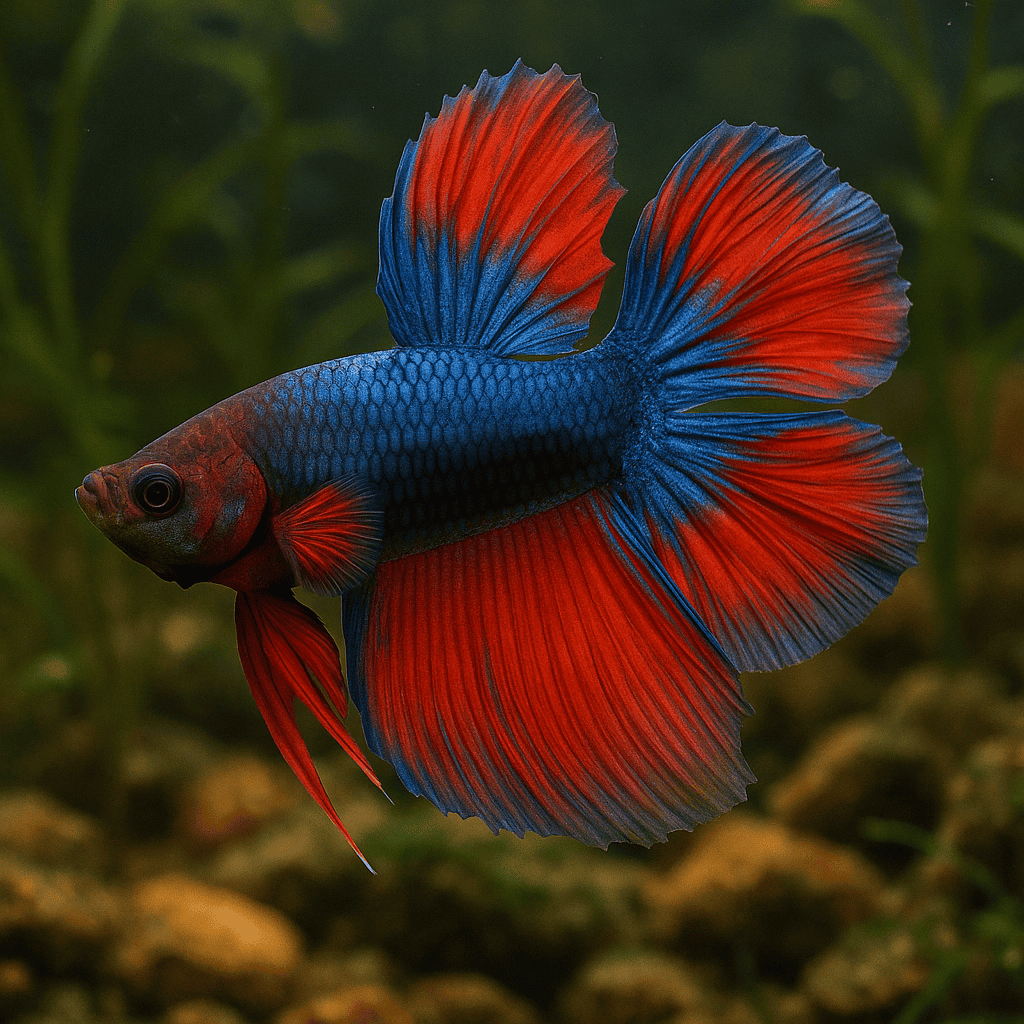
While many factors influence the success of betta breeding, selecting the right age for your breeding pairs is essential. The ideal age range for both male and female bettas is between 5 months to 2 years. This guarantees they are mature enough to breed successfully and produce good-quality offspring. Here are a few key points to take into account:
- Male bettas should have large, full tails and strong fin traits.
- Female bettas need to show signs of readiness, like a rounded belly indicating egg readiness.
- Avoid breeding immature fish, as this can lead to complications.
- Be cautious with older fish, as fertility declines after 2 years.
Choosing the right age will set the foundation for a successful breeding process.
Physical Condition Indicators
Physical condition indicators play an essential role in evaluating the breeding readiness of bettas. When selecting betta breeding pairs, Focus on male bettas with vibrant, intact colors and strong fins, as these traits reflect good health and can enhance offspring quality. For female bettas, I look for a streamlined body structure and signs of energy, like active swimming.
It’s important to assess their fins; I avoid any individuals with drooping or damaged fins, as these may indicate health issues. A male with full, large fins and a female with a rounded belly signify readiness for spawning. Ensuring both bettas are free from illness or lethargy is critical for producing robust fry, ensuring better health and genetic compatibility.
Behavioral Readiness Assessment
Evaluating the behavioral readiness of bettas is vital for successful breeding, as certain behaviors signal their willingness to mate. Here are key indicators to take into account:
- Male bettas should display flaring behavior and territorial fish behavior, often directed at their reflection or other fish.
- Female bettas need to show interest by exhibiting vertical stripes, signaling receptiveness.
- Watch for the male’s bubble nest-building; a well-constructed nest is a sign of readiness to mate and care for eggs.
- Confirm both fish are at least 5 months old, as younger bettas may lack the maturity essential for effective breeding.
Always assess both fish’s health and activity levels; lethargic or ill bettas won’t exhibit the necessary breeding behaviors. Select bettas wisely for the best chance of success.
Understanding Betta Coloration for Breeding

When considering breeding marble bettas and other Bettas, understanding their coloration is fundamental for achieving desirable offspring. Bettas display a range of colorations, including Solid Colors, Bi-Colors, and Marbles. Selecting pairs with similar colorations can enhance the fry’s appearance, consistency, and desirability. I’ve learned that crossing different colorations may yield less desirable results in the first generation, so focusing on uniform traits is wise for novice breeders.
Additionally, genetic traits linked to coloration are often inherited, making it essential to understand both parents’ lineages. Finally, I avoid double-tail bettas and certain colorations tied to health concerns, especially those with extreme patterns, to guarantee the health and vitality of my offspring. This knowledge ultimately supports more successful breeding outcomes.
Choosing Compatible Breeding Pairs
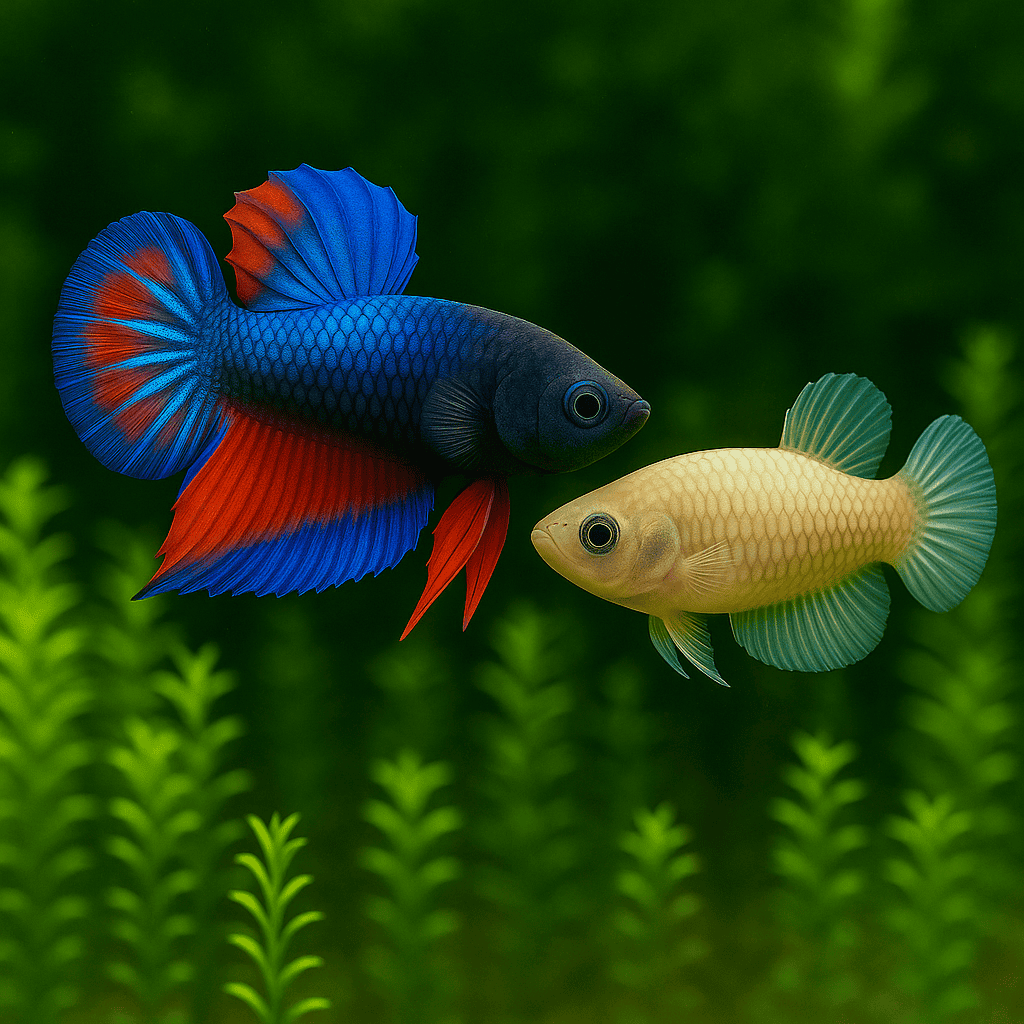
Choosing the right breeding pairs is essential for successful Betta breeding, as compatibility can greatly impact the health and appearance of the offspring. When I select males and females, Focus on several key factors:
- Look for complementary traits, like a male with a strong tail-type structure and a female with a balanced body shape.
- Prioritize individuals with clear, bright eyes and vibrant colors to promote health.
- Avoid pairs with known health issues, as these can be inherited by the fry.
- Assess behavioral compatibility; choose calm Bettas that show interest in each other to minimize aggression during spawning.
Best Practices for Breeding Environment Setup
Creating the right environment for Betta breeding is as important as selecting compatible pairs. It is recommended to set up a breeding tank of at least 10 gallons filled with clean, conditioned water. Maintaining water parameters is essential, so keep the temperature at 80°F (26.7°C) to encourage breeding activity and ideal egg development.
Using a sponge filter provides gentle circulation, preserving the bubble nest created by the male. It’s also a good idea to incorporate Indian almond leaves or floating plants, which offer hiding spots and help buffer pH, reducing stress for both the breeding pair. Finally, position the tank away from direct sunlight and temperature extremes to guarantee stable conditions throughout the breeding process.
Conclusion
To summarize, selecting the right betta breeding pairs involves a careful assessment of health, traits, and genetic compatibility. By focusing on strong characteristics in both males and females and ensuring they’re ready for breeding, you can set the stage for vibrant, healthy offspring.
Don’t underestimate the importance of the breeding environment, as it plays a significant role in the success of your endeavors. With these guidelines, you’re well-equipped to commence a rewarding breeding journey.