Betta fish showcase impressive problem-solving abilities, engaging in tasks that require memory and strategic thinking. I have observed them navigate mazes and solve puzzles for rewards, demonstrating their intelligence. They also adapt their behavior based on previous experiences, showcasing their capacity for associative learning.
Bettas can manipulate objects and exhibit unique problem-solving strategies. This adaptability not only highlights their cognitive skills but also enriches their environment, leading to fascinating interactions. There’s much more to explore about their intelligence and behavior.
Understanding Betta Fish Intelligence
Understanding Betta fish intelligence fascinates me, especially as I observe their remarkable behaviors. These fish display impressive cognitive abilities, such as recognizing individual humans and showing excitement when someone approaches their tank. It’s astounding to see how they remember feeding schedules and locations for up to five months, highlighting their long-term memory retention.
Through associative learning, they connect specific actions with outcomes, much like classical conditioning in other species. I’ve witnessed their problem-solving skills firsthand as they navigate mazes or perform tasks for rewards, underscoring their intelligence beyond mere instinct.
Additionally, their ability to recognize reflections and differentiate between shapes and colors showcases advanced visual processing capabilities, further illustrating the depth of betta fish intelligence.
Cognitive Abilities and Learning
Betta fish demonstrate a remarkable array of cognitive abilities that often surprise those who observe them closely. Their impressive memory capacity allows them to recall information for months, linking specific actions to outcomes. For instance, they can navigate mazes for rewards, showcasing their learning capabilities.
I have noticed that they anticipate feeding times based on past experiences, reflecting their associative learning skills. Their problem-solving skills shine when they figure out how to open sliding doors to access food, revealing complex behaviors.
Bettas can even learn tricks, such as swimming through hoops, which further highlights their advanced cognitive abilities. These traits not only enrich their lives but also foster a deeper connection with those who care for them. Siamese fighting fish are a prime example of how environmental enrichment stimulates learning.
Social Interaction and Recognition
While observing my betta fish, I’ve been fascinated by their capacity for social interaction and recognition. It’s incredible to see them swim towards me when I approach, showcasing a clear attachment. Their long-term memory retention allows them to remember faces and feeding schedules for up to five months, which speaks volumes about their cognitive abilities.
I noticed they exhibit excitement when I enter the room, indicating they recognize familiar people. Additionally, they can distinguish between various shapes and colors, enhancing their interactions within their environment.
These traits highlight their social nature, showing how their problem-solving abilities complement their recognition skills, allowing for enriched social experiences that deepen our bond.
Problem-Solving Skills
I have observed that Betta fish exhibit remarkable problem-solving skills, particularly when traversing mazes to find food. Their ability to remember the layout and recall specific routes highlights a level of cognitive function that’s quite impressive. Additionally, when faced with puzzles that require moving objects for rewards, they demonstrate not just intelligence but also adaptability in their approach.
Maze Navigation Techniques
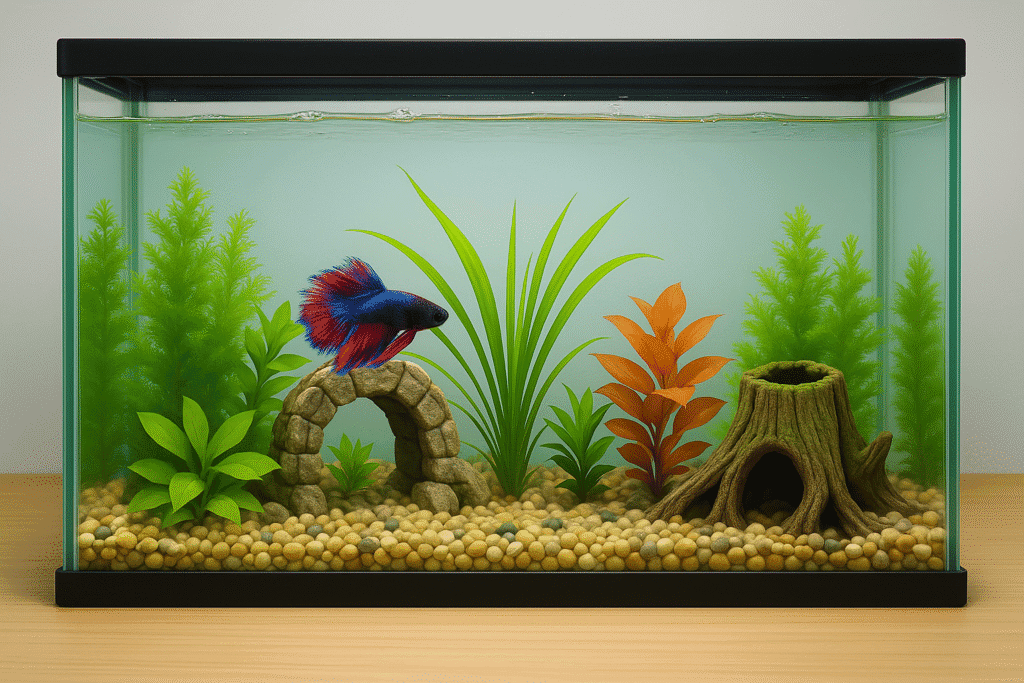
As we observe betta fish maneuvering mazes, it becomes evident that their problem-solving skills are both impressive and complex. These remarkable fish showcase unique maze navigation techniques that highlight their cognitive abilities. Here are some key aspects:
- Memory Retention: Betta fish can remember maze layouts for months.
- Behavior Modification: They adapt their strategies based on previous experiences, enhancing efficiency.
- Route Recall: Bettas quickly identify and remember the fastest paths to food locations.
- Learning Capacity: Their ability to learn from past challenges reflects their impressive intelligence.
This combination of memory retention and adaptive behavior in betta fish not only underscores their problem-solving skills but also reveals their capacity for learning and adaptation in various environments. Betta Splendens, in particular, demonstrate these traits vividly.
Object Manipulation for Rewards
Betta fish exhibit remarkable problem-solving skills when it comes to manipulating objects for rewards, showcasing their cognitive prowess in a fascinating manner. I’ve observed bettas learn to slide doors to access food, displaying impressive object manipulation. They engage in complex tasks, solving puzzles that require strategic interactions with their environment. This ability to remember food locations emphasizes their spatial problem-solving skills.
| Action | Object Type | Reward |
|---|---|---|
| Slide Door | Transparent Door | Access to Food |
| Push Object | Floating Barrier | Hidden Treats |
| Navigate Maze | Labyrinth Walls | Bonus Food Reward |
Through associative learning, bettas connect their actions with successful outcomes, enhancing their overall cognitive abilities. Male bettas and female Betta both display these manipulations with enthusiasm.
Training and Tricks Performance
While many might underestimate the intelligence of fish, observing a betta’s ability to learn tricks reveals a surprising level of cognitive complexity. Through dedicated training, I’ve seen firsthand the incredible tricks performance of my betta.
Positive reinforcement, like food rewards, builds trust and encourages desired behaviors. Consistent practice leads to reliable performance, showcasing their memory and learning capacity. They recognize their names, associating sounds with actions or rewards.
Engaging in these training activities not only strengthens the bond between us but also supports my betta’s cognitive abilities and overall well-being. The betta breeding community frequently shares these training insights to help enthusiasts.
Emotional Responses and Feelings
As I observe my betta fish, I can’t help but notice how they seem to recognize my presence, reacting with excitement when I approach their tank. Their behavioral changes, from increased activity to selective feeding, reveal a deeper emotional awareness that suggests they can feel fear, anger, and even contentment.
This connection we share not only highlights their intelligence but also emphasizes how our interactions can foster a unique bond through consistent attention to water conditions.
Recognizing Human Emotions
When observing the interactions between betta fish and their owners, it becomes clear that these aquatic creatures are capable of recognizing human emotions and responding in ways that suggest emotional intelligence. Here are some intriguing signs that showcase their Betta Emotional abilities:
- Excitement: Betta fish often show increased activity when they see their owners, indicating positive associations.
- Recognition: They can recognize their owners, forming unique bonds that affect their behavior.
- Response to Stress: Betta fish may provide comfort by approaching their owners during stressful moments, showcasing emotional awareness.
- Feeding Behavior: Changes in feeding habits can signal their emotional states, reflecting signs of stress or contentment.
These behaviors highlight the remarkable emotional engagement betta fish have with their caretakers, enriching the human-animal bond. Attention to water quality supports these emotional responses by keeping them healthy and responsive.
Behavioral Changes and Responses
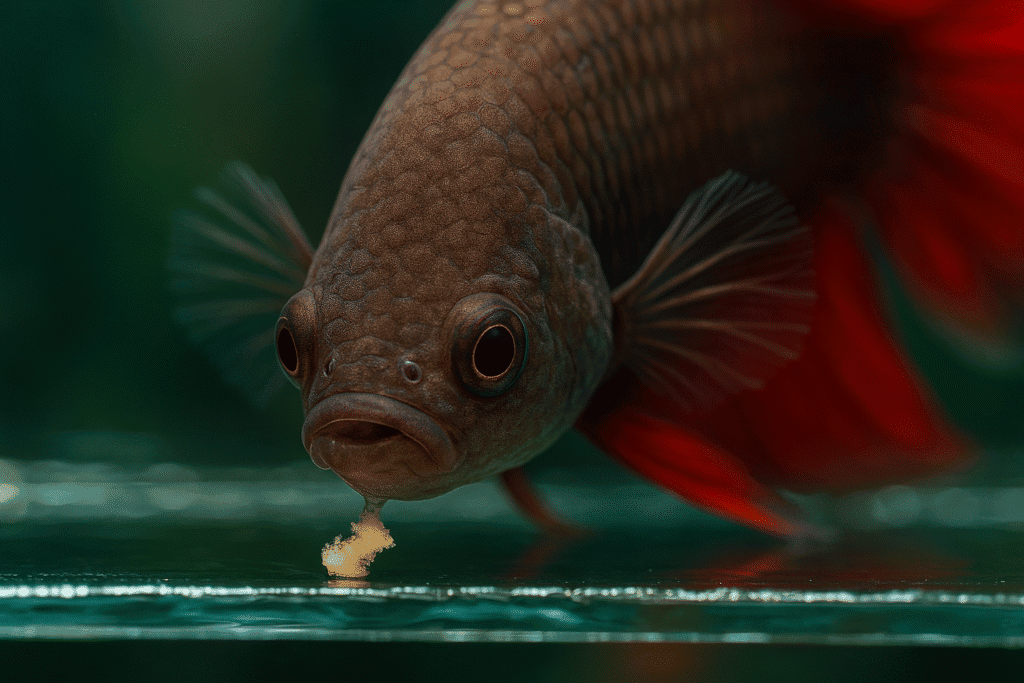
Betta fish exhibit notable behavioral changes that reflect their emotional states, making them fascinating subjects for observation. When my betta recognizes me, it shows excitement, swimming energetically and approaching the tank.
These interactions highlight their emotional intelligence, suggesting they form positive associations with familiar individuals. Subtle behavioral changes, like altered feeding habits or increased activity, indicate their emotional awareness. Each betta displays unique personalities, leading to deeper emotional connections, much like those we find in traditional pets.
While it’s challenging to quantify their emotional experiences, it’s clear they can feel basic emotions such as fear, anger, and contentment. Observing these behaviors enriches our understanding of their emotional world and enhances our bond with them.
Bonding Through Interaction
While observing my betta fish during feeding time, I noticed how its excitement manifests in distinct behaviors that reveal our growing bond. This connection is enriched through meaningful interaction, where I see signs of emotional intelligence. Here are some ways my betta recognizes and responds to me:
- Swims to the Front: When I approach, it enthusiastically swims forward, indicating recognition and excitement.
- Unique Personalities: Each betta displays individual quirks, enhancing our emotional bond.
- Stress Responses: During my stressful days, it mirrors my emotions, offering comfort.
- Engaging Environment: It actively explores, showing curiosity and enjoyment in our shared space.
These interactions not only highlight our bond but also showcase the emotional depth of these remarkable fish.
Territorial Behavior
Territorial behavior in fish like bettas often reveals a captivating blend of instinct and intelligence. I’ve observed how these vibrant creatures exhibit strong territorial instincts, displaying aggression to defend their space. What amazes me is their ability to recognize and remember individual bettas, which plays a vital role in evaluating opponents during disputes.
Their confrontations include mouth-locking, biting, and striking, showcasing a tactical approach to dominance fights. Curiously, bettas engage in mutual assessment, adjusting their actions based on their opponents’ behaviors to minimize harm.
This synchronization of gene expression in their brains during these encounters suggests a remarkable level of cognitive processing that underpins their territorial behavior. It’s a vivid reminder of the complexity of life in even the smallest of creatures.
Creating a Stimulating Environment
Creating a stimulating environment is essential for fostering the cognitive development of betta fish, as I’ve found that their well-being greatly improves with thoughtful tank setups. Here are some key elements to take into account:
- Tank Size: A minimum of 5 gallons guarantees ample space for exploration.
- Hiding Spots: Incorporate plants and decorations to enhance the betta fish’s ability to navigate and feel secure.
- Atmospheric Variations: Regularly rotate decorations and use colored lights to provide varied sensory experiences.
- Interactive Items: Engage your betta with tools like laser pointers or ping pong balls, promoting mental stimulation and problem-solving skills.
Diet and Nutrition
Diet plays an essential role in the overall health and cognitive function of betta fish. A balanced diet should primarily consist of high-quality pellets formulated for bettas, ensuring they receive essential nutrients. Observing their feeding behavior reveals how much they thrive on varied diets; supplementing with live or frozen foods like brine shrimp can enhance protein intake and stimulate natural hunting instincts.
I’ve found that feeding them consistently helps establish a routine, showcasing their impressive memory. It’s important to avoid overfeeding, as this can lead to obesity. By regularly introducing new food types, I keep them mentally stimulated, which is crucial for their cognitive development and problem-solving abilities. A thoughtful approach to diet and nutrition can truly enrich their lives.
Conclusion
In observing betta fish, it’s clear they possess remarkable intelligence and problem-solving abilities. Their cognitive skills extend beyond mere instinct; they engage in social interactions and display emotional responses that hint at a deeper understanding of their environment.
By creating a stimulating habitat and providing proper nutrition, we can enhance their cognitive development and overall well-being. It’s fascinating to witness how these vibrant creatures navigate challenges, showcasing that their intelligence deserves recognition and appreciation.